As the global energy transition accelerates, the intersection of electric vehicles (EVs) and modern grid infrastructure is moving from theoretical engineering to aggressive, real-world deployment. In a bold move that redefines how communities think about energy storage and resiliency, the Commonwealth of Massachusetts is transforming everyday electric vehicles into active grid assets.
Led by the Massachusetts Clean Energy Center (MassCEC), the state has officially announced the rollout participants for a first-of-its-kind Vehicle-to-Everything (V2X) demonstration program. This initiative will provide free, cutting-edge bi-directional EV chargers to a diverse array of participants—including school districts, municipal entities, and residential homeowners across the state.
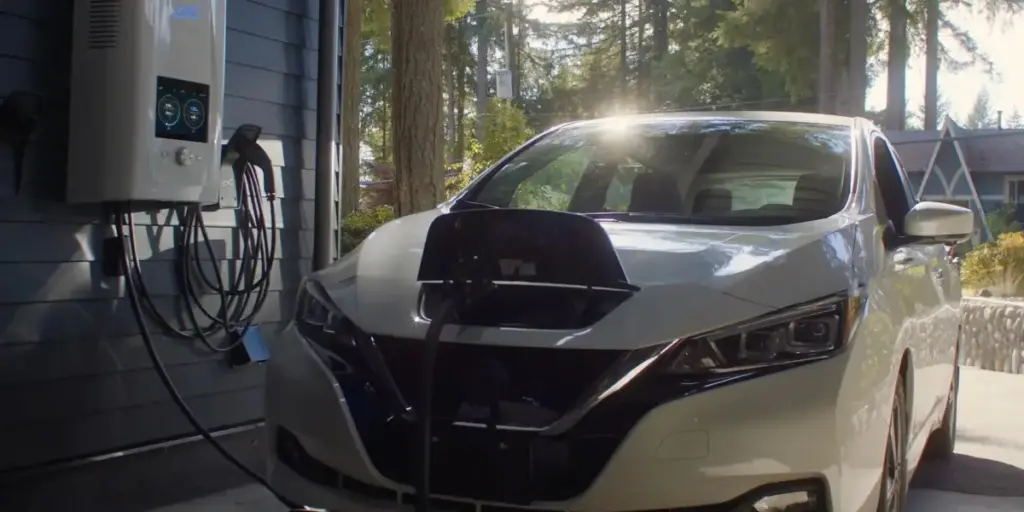
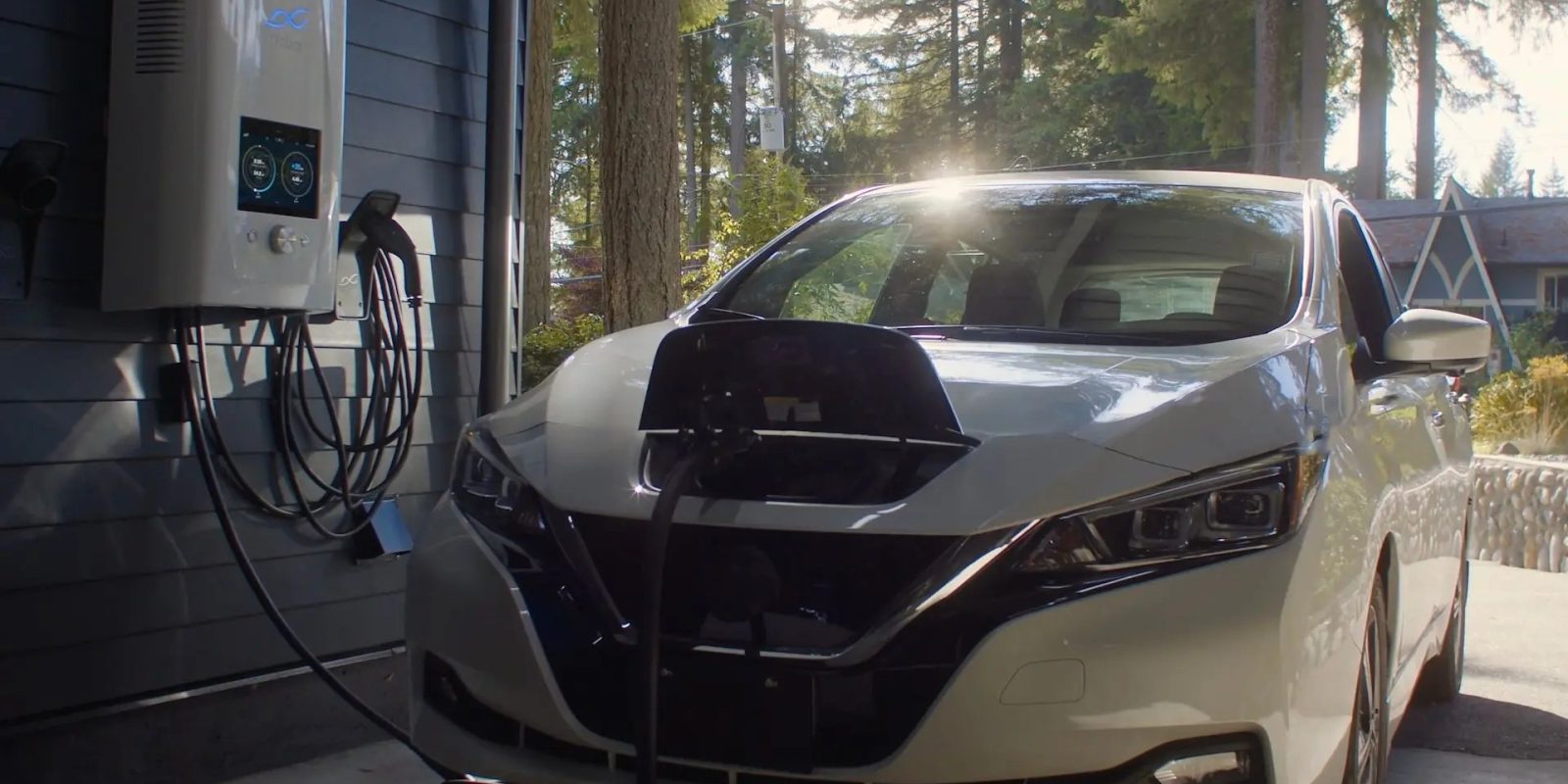
By leveraging bi-directional charging technology, participating EVs, ranging from passenger cars to heavy-duty electric school buses and municipal utility trucks, will not only draw power from the grid but also feed electricity back into it. This capability turns parked vehicles into localized, mobile energy storage units. The overarching goal of the initiative is multifaceted: to test how V2X technology can dynamically balance regional electricity loads, mitigate peak energy demand during extreme weather events, provide emergency backup power during grid outages, and ultimately bypass the need for expensive, environmentally disruptive new grid infrastructure.
With installations scheduled to reach operational status by the summer of 2026, the Massachusetts pilot serves as a crucial testing ground for the future of Virtual Power Plants (VPPs). By addressing the primary hurdles of cost, accessibility, and infrastructure readiness—particularly through zero-cost hardware distribution and deep investments in environmental justice communities—Massachusetts is positioning itself as a national leader in decentralized energy management.
Detailed Chronology: The Road to the Massachusetts V2X Demonstration
The launch of the MassCEC Vehicle-to-Everything demonstration program did not happen overnight; it represents the culmination of years of escalating clean energy targets, legislative policy shifts, and strategic grid modernization efforts within Massachusetts.
Laying the Regulatory Foundation
For years, Massachusetts energy regulators, utility providers, and clean energy advocates recognized a looming bottleneck. As the state aggressively incentivized the adoption of passenger EVs and commercial electric fleets to meet its net-zero carbon mandates, the cumulative load on local distribution grids began to mount. Traditional utility planning relied on building out expensive peaker power plants, upgrading substations, and installing heavier transmission lines to handle peak demand periods.
Recognizing that parked electric vehicles sit idle for roughly 95% of their lifespans with massive, multi-kilowatt battery capacities left untapped, the state began exploring bi-directional charging. Unlike standard Level 2 chargers—which only permit a one-way flow of electrons from the grid to the car—V2X technology opens a two-way street.
Program Conception and Design
MassCEC formulated the demonstration program to bridge the gap between emerging bi-directional hardware manufacturers (such as dcbel and companies partnering with platforms like The Mobility House) and everyday energy consumers. One of the most significant barriers to V2X adoption has historically been the prohibitive cost of bi-directional chargers, which often retail for thousands of dollars more than standard units, alongside complex interconnection and permitting hurdles.
To combat this, the state designed a program where the chargers and their subsequent installation are provided at zero cost to the participants. This removes the financial friction that usually stalls cutting-edge technological adoptions.
Participant Selection and Rollout Milestones
Following an intensive application and vetting process, MassCEC finalized its roster of participants, creating a balanced cross-section of institutional, municipal, and residential energy users.
The Institutional Core: Five prominent school districts—Acton-Boxborough Regional, Arlington, Boston, Concord, and Lincoln—were selected. These districts operate fleets of buses and operational vehicles that represent massive mobile energy reservoirs capable of supporting school buildings during outages or feeding power back during peak summer heatwaves when schools are out of session.
The Municipal Footprint: Four key municipal projects in Sterling, Needham, Plymouth, and Warwick were integrated into the pilot. These towns will test how municipal utility trucks and town-owned infrastructure can interact with local microgrids.
The Residential Front: Thirty individual homeowners from across the commonwealth were chosen to test residential-scale V2X integration, assessing how vehicle-to-home (V2H) and vehicle-to-grid (V2G) systems perform in daily suburban and urban domestic environments.
Significantly, MassCEC mandated that more than one-third of the program’s total funding be explicitly channeled to support participants residing in environmental justice communities, ensuring that the economic and resiliency benefits of clean energy transitions are equitably distributed rather than restricted to affluent early adopters.
Future Milestones (2026 and Beyond)
Summer 2026: Target deadline for all selected bi-directional charging stations to be fully installed, interconnected, and operational.
Late 2026: MassCEC plans to publish a comprehensive V2X guidebook. This document will synthesize real-world performance data, system design parameters, charging management protocols, hardware cost analyses, and regulatory insights, serving as a blueprint for other states and municipalities seeking to scale similar distributed energy resource (DER) projects.
Supporting Context & Metrics: Unlocking Megawatts on Wheels
To truly grasp the impact of the Massachusetts demonstration program, one must examine the underlying metrics and the physics of how mobile storage alters grid economics.
Quantifying the Grid Impact
MassCEC projects that the aggregated fleet of participating chargers in this pilot will be capable of delivering more than 1 megawatt (MW) of power back to the grid during a coordinated demand response event. To put that figure into perspective, 1 megawatt is roughly equivalent to the instantaneous electricity demand of about 300 average American homes operating for an hour.
While 1 MW is a modest slice of the commonwealth’s total energy footprint, it represents a highly concentrated, rapidly dispatchable block of power. During critical grid stress events—such as a grid emergency on a blistering August afternoon when air conditioning loads peak, or during a sudden winter freeze when heating demands spike—having instantaneous, localized injections of power can prevent rolling brownouts and eliminate the need to fire up dirty, expensive fossil-fuel peaker plants.
The Math of Mobile Energy Storage
Consider the battery capacity of modern electric vehicles. A standard passenger EV features a battery pack ranging from 60 kWh to 100 kWh. Larger electric school buses or delivery trucks often sport batteries ranging from 150 kWh to upwards of 300 kWh.
If a single electric school bus with a 200 kWh battery returns just 50% of its stored energy to a municipal building or the grid during an emergency, it can comfortably power critical loads (such as refrigeration, lighting, and communication systems) for hours. When scaled across school fleets, municipal trucks, and thousands of residential cars, the collective storage capacity dwarfs traditional stationary utility battery installations, achieving this storage without the capital expenditure of building dedicated grid-scale lithium-ion facilities.
Financial and Utility Integration
Participating in the MassCEC program does not just benefit the macro-grid; it offers direct financial incentives to the individual participants. MassCEC is actively assisting all cohort members in enrolling in existing utility-sponsored demand response and managed charging programs.
Through these programs, utilities compensate EV owners and operators for exporting electricity back to the grid during peak pricing windows. By discharging power when electricity is expensive and recharging their vehicles during off-peak hours (typically overnight when wind and solar contributions are high or demand is low), participants can significantly offset or even eliminate their net electricity costs.
Official Statements and Perspectives
State leadership and clean energy stakeholders have been quick to champion the initiative, framing it as a vital evolutionary step for regional power infrastructure.
Massachusetts Energy and Environmental Affairs Secretary Rebecca Tepper emphasized the paradigm shift occurring within the state’s utilities sector:
"Virtual power plants are the future of our electrical grid. Bi-directional charging unlocks new ways to protect communities from outages and lower costs for families and public fleets."
By aggregating thousands of independent energy nodes into a software-managed "virtual power plant," the state can dynamically balance supply and demand without requiring physical construction.
Industry analysts and infrastructure partners have echoed these sentiments, pointing out that public-private collaborations are essential for overcoming initial adoption barriers. By absorbing the upfront capital costs of hardware and installation, programs like the MassCEC V2X demonstration remove the primary friction point for risk-averse institutions and budget-constrained municipalities.
Furthermore, environmental justice advocates have praised the intentional allocation of resources toward historically overburdened communities. These areas are frequently disproportionately impacted by localized air pollution from fossil-fuel infrastructure and are often the most vulnerable to climate-driven grid failures. Integrating clean electric buses and residential V2X units into these specific neighborhoods lays the groundwork for localized emergency resilience shelters powered entirely by clean mobility assets.
Future Outlook: The Horizon of Decentralized Energy
The Massachusetts V2X demonstration program arrives at a critical juncture in American energy policy. As federal and state landscapes shift, the momentum behind localized grid resiliency and decentralized energy resources continues to prove its economic and operational value.
Overcoming Remaining Hurdles
Despite the excitement surrounding V2X technology, several challenges must be navigated before widespread commercial adoption becomes ubiquitous:
Standardization and Interoperability: Automakers have been slow to universally adopt bi-directional charging capabilities across all models. While pioneering manufacturers like Ford (with the F-150 Lightning), Nissan (with the legacy and evolving LEAF), and various commercial truck makers have embraced V2H/V2G, industry-wide protocol adoption (such as ISO 15118-20) remains uneven.
Battery Degradation Concerns: A common worry among EV owners is whether cycling energy out of the vehicle battery to power a home or the grid will accelerate battery wear and tear. Pilot programs like the one in Massachusetts will collect critical empirical data to refine warranty terms, usage limits, and smart-charging algorithms that protect battery health while maximizing grid utility.
Interconnection Permitting: Local utility interconnection rules can often be cumbersome and slow. The insights gained from MassCEC’s upcoming late-2026 guidebook are expected to streamline these bureaucratic bottlenecks, providing a standardized framework for utilities and local building inspectors to fast-track bi-directional installations.
A Blueprint for the Nation
As the participating school districts in Boston, Arlington, Concord, Acton-Boxborough, and Lincoln—alongside municipal partners and residential pioneers—plug in their new bi-directional chargers over the coming months, Massachusetts is effectively running a live-fire stress test for the future of energy.
If successful, the model established by MassCEC will not only safeguard Massachusetts communities against extreme weather and rising utility costs but will also serve as a scalable, repeatable playbook for states nationwide. By turning driveways and bus depots into decentralized power stations, Massachusetts is proving that the green energy grid of tomorrow won’t just be built in power plants—it will be driven home every single day.