For generations, the concept of summer in the United States carried a reliable, comforting predictability. Culturally and environmentally, it served as a definitive chapter of the calendar—a season defined by childhood freedom, lazy afternoons at public pools, backyard cookouts, and the harvest of sun-ripened crops. It was a golden window when cold-weather routines fell away, replaced by unstructured time outdoors and a deep, cyclical connection to the natural world.
Today, that foundational rhythm is unraveling. Driven by unchecked greenhouse gas emissions and systemic atmospheric shifts, annual hot-season temperatures across parts of the United States have warmed by as much as 4 to 5 degrees Fahrenheit over the past half-century. This warming has supercharged heat waves, exacerbated historical droughts, and intensified downpours, culminating in historically unprecedented extremes. Notably, according to the National Oceanic and Atmospheric Administration (NOAA), the contiguous United States experienced its hottest July ever recorded, shattering long-standing meteorological benchmarks.
From the sun-baked expanses of the Sonoran Desert to the shifting coastal ecosystems of the Jersey Shore, climate change is systematically eroding the old summer normal. The traditions, regional pastimes, and local economies that once defined the warmest months are evolving into something far more precarious. As environmental extremes disrupt everything from firefly migrations in Georgia to salmonfly hatches in Montana, Americans are witnessing a seismic transformation of their most cherished season. This comprehensive report, drawing on frontline observations from regions across the country, examines how a warming planet is redrawing the borders of summer.
Detailed Chronology: A Season Transformed Region by Region
The Southwest: Fading Monsoons and Relentless Heat
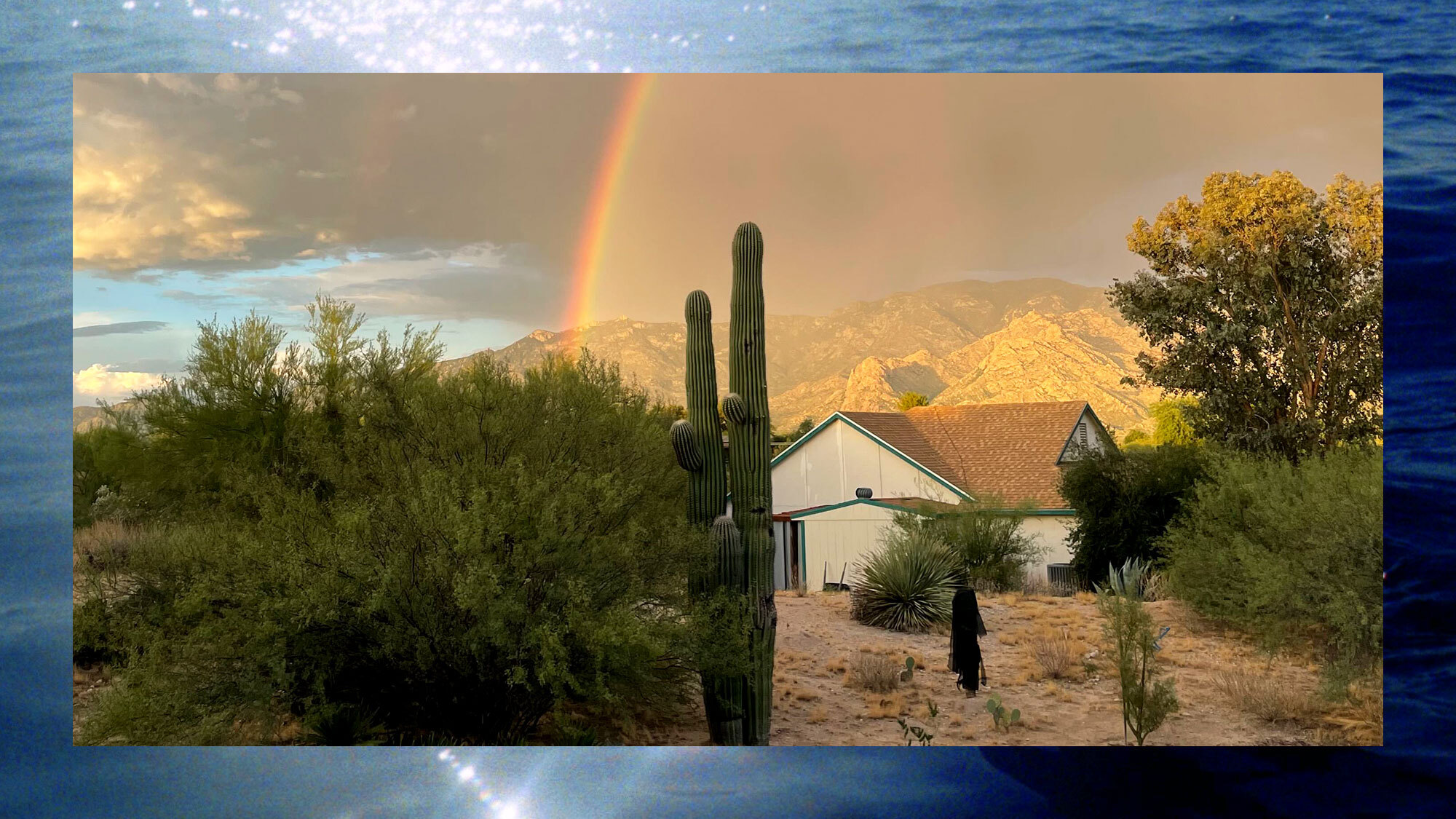
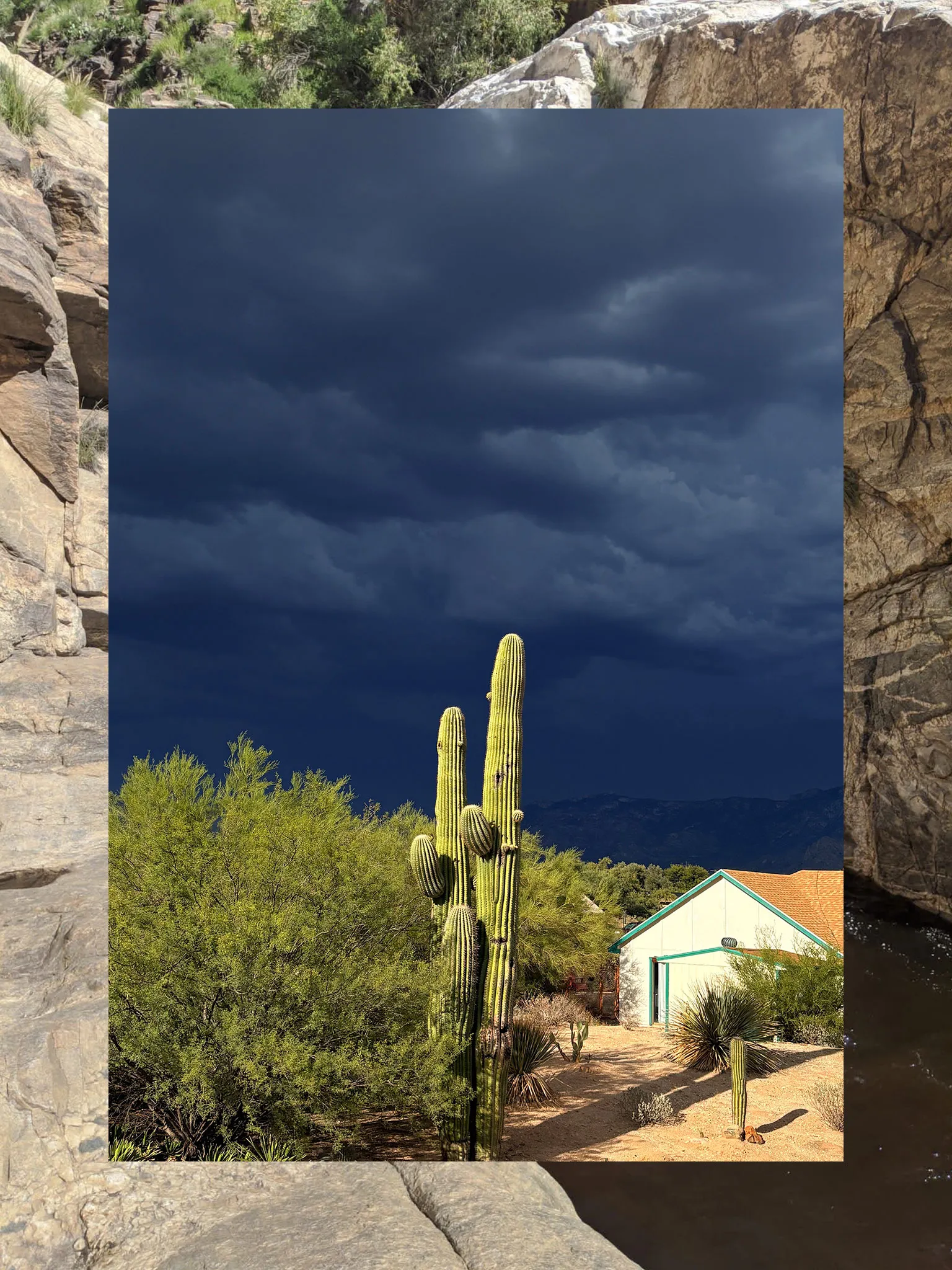
In the arid Sonoran Desert of Arizona, the summer monsoon has historically been a celebrated meteorological event—a dramatic relief of swirling dust, sudden downpours, and the sharp, earthy scent of creosote and petrichor. Yet, annual precipitation in Tucson has declined by nearly 3 inches since 1970, a staggering drop given that the city averages roughly 11 inches of rain per year.
Long-time residents note that the predictable afternoon downpours have become erratic, transforming from a seasonal clockwork into unpredictable anomalies. When rains do fail to materialize, the region endures punishing stretches of triple-digit heat, restricting residents to the heavy hum of indoor air conditioning.
Just across the borderlands in El Paso, Texas, extreme heat has similarly rewritten daily life. The region recorded approximately 45 days of temperatures hitting 100 degrees Fahrenheit or higher, a persistent heat wave that stretched deep into September. Beyond the thermal stress, compounding environmental crises—including vehicular pollution and industrial contamination from local refineries—have periodically degraded air quality to hazardous levels. Outdoor staples, such as evening grill-outs and mountain hiking excursions, now require rigorous safety calculations, while downtown districts experience suppressed foot traffic as residents navigate both climate hazards and tightening border enforcement policies.
The Rockies: Smoke-Filled Peaks and Crowded High-Country Refuges
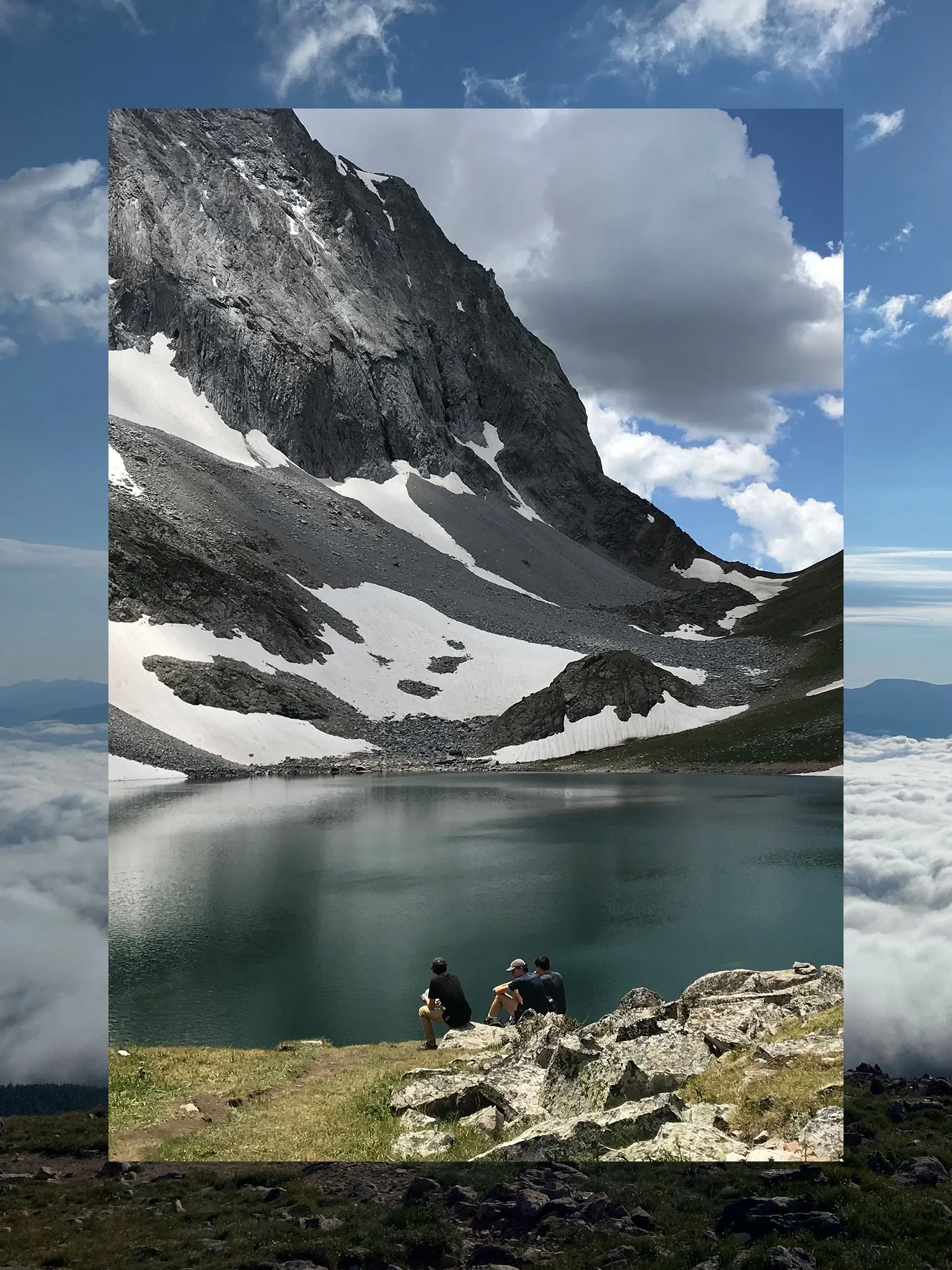
For decades, the high-altitude peaks of Colorado and Montana served as a cool sanctuary for travelers fleeing the sweltering lowlands of the southern plains. However, weather stations situated above 9,000 feet in the Rockies are now routinely logging near-90-degree days at unprecedented frequencies.
Winter snowpacks are melting far earlier in the season, causing alpine streams and rivers to shrink into shallow trickles long before the peak of summer. Despite these deteriorating conditions, lodging occupancy rates in mountain resorts have climbed. Desperate to escape even more oppressive urban heat, tourists continue to flock to the high country, creating a paradoxical reality where shrunken, smoke-obscured rivers are more crowded than ever with bathers and anglers competing for dwindling aquatic space.
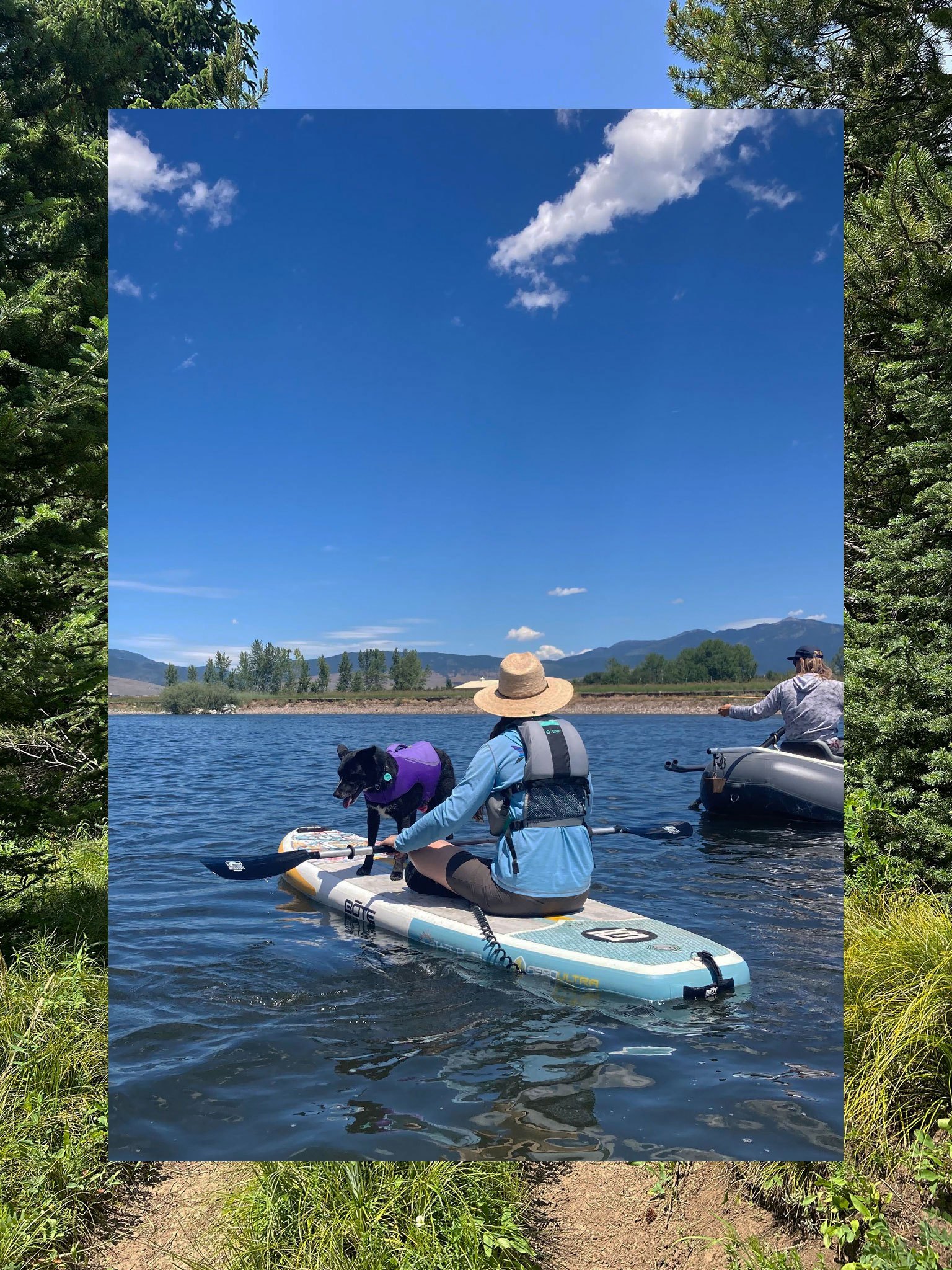
In Montana, the iconic "tube hatch"—the seasonal proliferation of inner tubes and paddleboards crowding blue-ribbon trout streams—is colliding with rapid ecological change. With Montana ranking among the states with the lowest proportion of homes equipped with air conditioning, rivers serve as vital thermal refuges. Consequently, rising water temperatures, early snowmelt, and surging crowds have squeezed recreationalists and wildlife onto compressed, stressed stretches of water.
The West Coast: The Fading Marine Layer and California’s New Normal
Along the coast of California, summer has historically been defined by regional bifurcations—ranging from sun-drenched Southern California beaches to the cool, bracing, fog-shrouded mornings of the San Francisco Bay Area. That iconic fog, affectionately personified by locals as "Karl the Fog," is increasingly under siege. Studies by the United States Geological Survey indicate that summertime fog hours along the Pacific coast have declined by roughly 33 percent over the past century, driven by warming ocean surface temperatures. This loss deprives coastal redwood ecosystems of a critical, non-rainfall water source.
Farther north in the Pacific Northwest, the region’s traditional temperate summer—famously bookended by the "Juneuary" cool-down—has been upended by extreme meteorological events. The catastrophic June 2021 heat dome, which pushed Seattle temperatures to a record-shattering 108 degrees Fahrenheit, underscored a permanent shift toward hotter, drier summers. Attribution studies confirm that climate change made this extreme heat event roughly 150 times more likely. Compounded by recurring wildfire smoke and deteriorating air quality index (AQI) levels, open-window ventilation is no longer sufficient, leading to a rapid surge in residential air-conditioning installations across a historically unconditioned region.
The Midwest and Southeast: Deluges, Droughts, and Ecological Stress
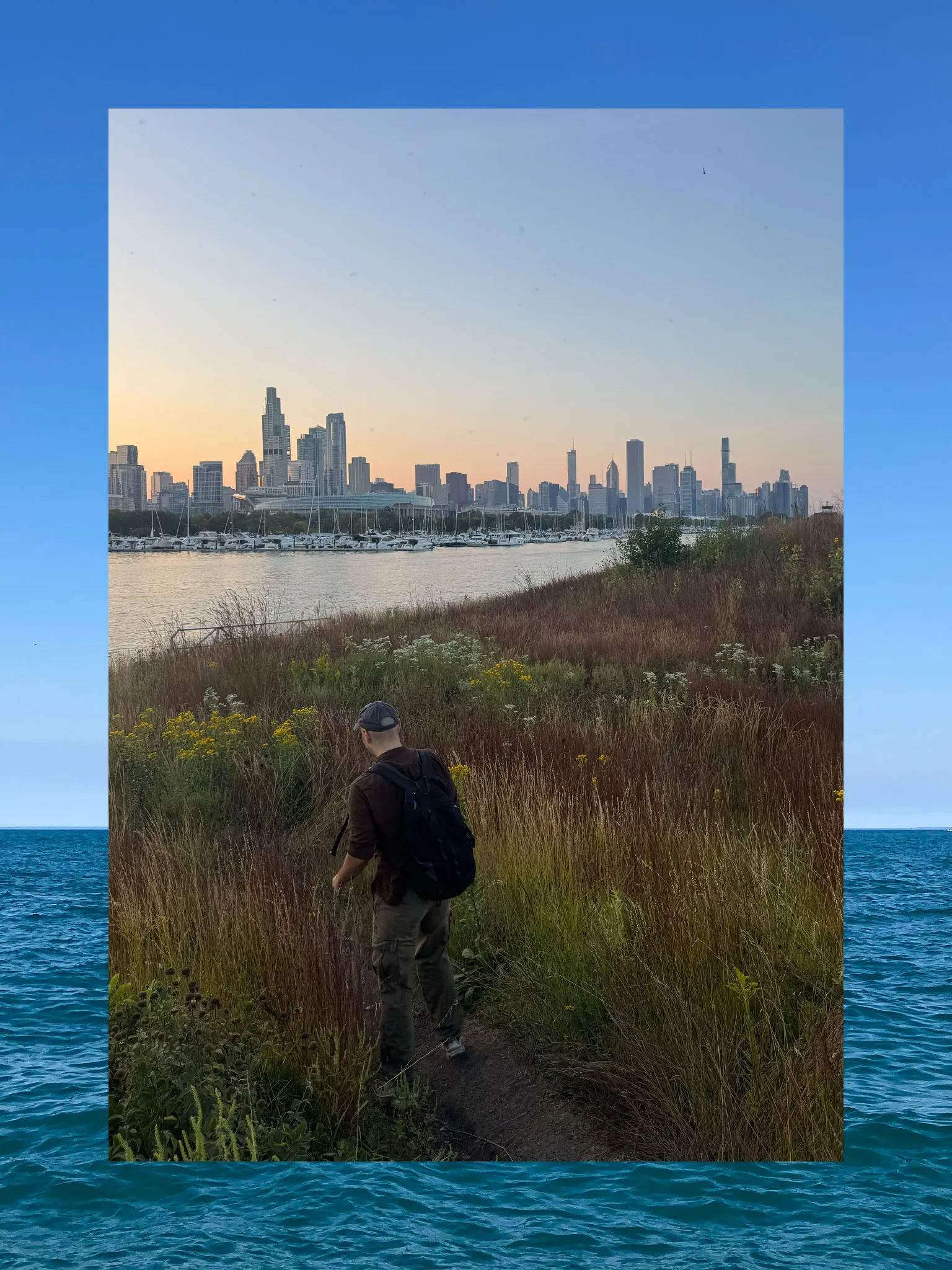
In Illinois, Chicago’s celebrated summer season—long treasured as a vibrant cultural reward for enduring brutal winters—has been disrupted by intense hydrological volatility. This season brought record-breaking numbers of tornadoes across the state, alongside severe storms that pushed municipal infrastructure to its limits. Concurrently, persistent plumes of Canadian wildfire smoke forced air quality readings to unhealthy extremes, transforming a season meant for outdoor festivals into a period of acute atmospheric anxiety.
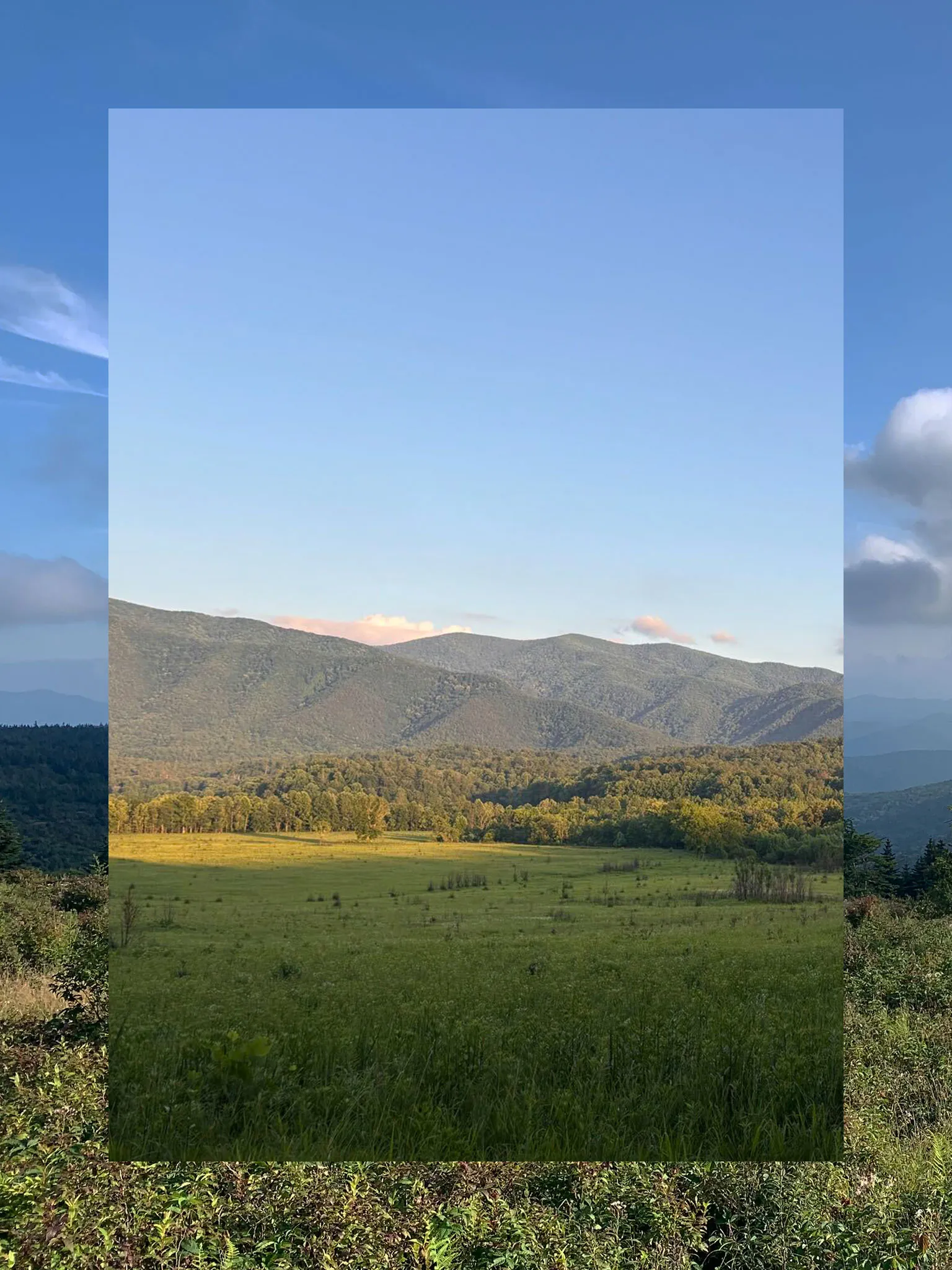
Across the agricultural South, from East Tennessee to rural Kentucky and Georgia, small-scale farmers and backyard gardeners are grappling with escalating thermal stress. The U.S. Department of Agriculture’s 2023 update to its plant-hardiness zones shifted much of the mid-South northward into warmer subtropical classifications. Farmers now face the punishing reality of "Andalusian schedules"—waking before dawn and halting midday field work to avoid heatstroke.
In Georgia and Florida, rising minimum nighttime temperatures—averaging 2.5 degrees Fahrenheit above historical baselines—have fueled surging mosquito populations and degraded coastal ecosystems. In South Florida, bathwater-like ocean temperatures have triggered massive proliferations of noxious sargassum seaweed and prolonged red tide algae blooms, rendering once-pristine beaches hazardous to human health and local economies.
The Northeast: Ticks, Smoke, and the Compression of Autumn
New England and the Mid-Atlantic are warming faster than almost any other region in the contiguous United States. In New Hampshire and Maine, classic summer pastimes like hiking and berry picking are now accompanied by the pervasive threat of deer ticks. Milder winters and warmer summers have allowed tick populations to expand exponentially, turning an afternoon in the woods into a high-risk activity requiring rigorous daily checks for tick-borne pathogens like Lyme disease and the Powassan virus.
In New York City, the transition to a humid subtropical climate has been punctuated by recurrent smoke events originating from Canadian wildfires. In both 2023 and the current season, dense curtains of particulate matter blanked the metropolitan area, driving air quality indices above those of notoriously polluted global megacities and forcing the "city that never sleeps" to an eerie, indoor standstill.
Further south along the Jersey Shore, the traditional boundary between summer and autumn has blurred. Historically, the day after Labor Day offered locals a pristine window of warm ocean water and empty beaches. Today, marine heatwaves—with sea surface temperatures hitting the upper 70s as early as August—mean that autumn’s arrival is delayed, prompting coastal residents to observe that "October is the new September."
Supporting Context & Metrics
The qualitative accounts from Grist’s reporting team are substantiated by robust empirical data collected by federal agencies and academic institutions:
Temperature Anomalies: Annual hot-season temperatures across parts of the United States have increased by 4 to 5 degrees Fahrenheit over the past half-century.
National Records: July was officially recorded as the hottest month in the history of the contiguous U.S. by the National Oceanic and Atmospheric Administration (NOAA).
Precipitation Deficits: In Tucson, Arizona, annual precipitation has declined by nearly 3 inches since 1970, against a historical average of roughly 11 inches.
Extreme Heat Days: El Paso, Texas, recorded approximately 45 days of temperatures reaching 100 degrees Fahrenheit or higher during a single summer season.
Fog Decline: Summertime coastal fog hours in California have dropped by 33 percent over the past century, according to USGS data.
Attribution Science: Climate change made the unprecedented Pacific Northwest heat dome of 2021 roughly 150 times more likely to occur compared to pre-industrial climatic conditions.
Warming Rates: New England continues to warm at a faster rate than any other region in the contiguous United States, according to regional climate research groups.
Official Statements and Institutional Perspectives
Scientific bodies and municipal leaders have increasingly framed these shifting seasonal patterns not as isolated anomalies, but as systemic indicators of a permanently altered climate regime.
"We are witnessing the slow erosion of our old summer normal. As climate change makes the season more extreme, our habits, traditions, and pastimes are also evolving, in ways both subtle and truly seismic."
— Grist Editorial Synthesis
Climatologists emphasize that the compounded convergence of urban heat island effects, shifting jet stream patterns, and persistent atmospheric blockages are locking extreme weather systems in place for longer durations. Public health officials, particularly in municipalities unaccustomed to extreme heat—such as Seattle, Chicago, and Minneapolis—have expanded emergency cooling center infrastructure and launched targeted public health campaigns to protect vulnerable urban populations from heat illness and wildfire smoke inhalation.
Future Outlook: Navigating the New Climate Reality
The transformation of summer in America signals a profound cultural and ecological reckoning. As the boundary markers of the season dissolve—whether through the loss of predictable monsoons in the Southwest, the proliferation of ticks in New England, or the smoke-choked skylines of the Northeast—societal adaptations must accelerate.
Mitigating the worst impacts of this transition requires aggressive, economy-wide decarbonization to stabilize global temperature trajectories. Simultaneously, local adaptation strategies must evolve. Municipalities are being forced to rethink urban design, expand green spaces to combat urban heat islands, invest in resilient agricultural practices, and fundamentally restructure outdoor labor and recreational guidelines.
Ultimately, the traditional American summer—once idealized as an unchanging, effortless season of outdoor freedom—is giving way to a resilient, highly adapted reality. While the old rhythms may be difficult to recover, the collective experience of these environmental disruptions highlights an urgent imperative: safeguarding the natural world before the foundational pillars of our seasonal heritage are lost entirely.