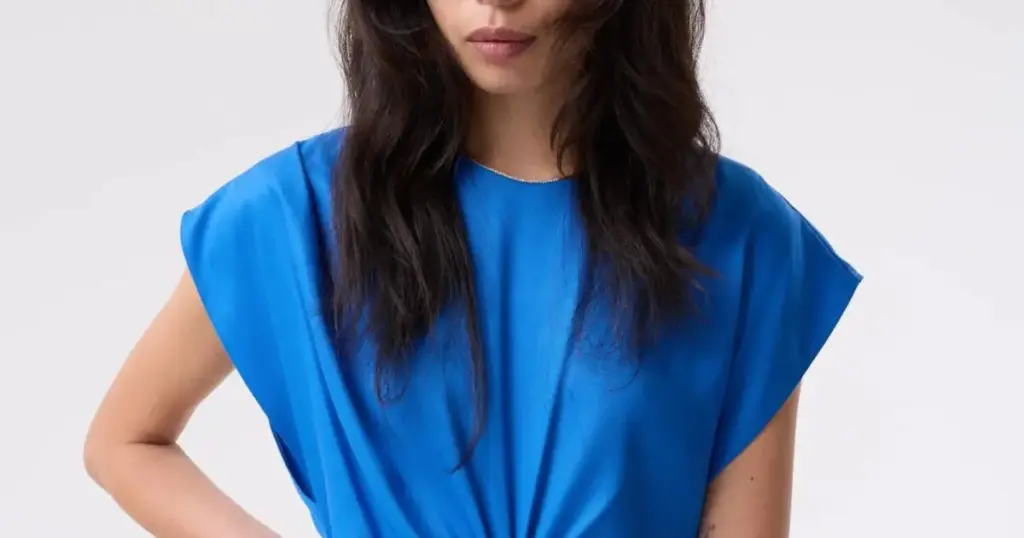
Editorial Note: This is a sponsored article featuring brands independently assessed by our rigorous ratings directory. We proudly collaborate exclusively with brands rated “Good” or “Great.”
Executive Overview
For decades, the fashion industry has operated on a hyper-accelerated pendulum of consumption. Micro-trends bloom and fade within weeks, encouraging a relentless cycle of acquisition, wear, and disposal. However, a profound cultural shift is underway. Consumers and conscious designers alike are beginning to reject the ephemeral nature of fast fashion, turning instead toward a time-tested philosophy: buy less, buy better.
At the core of this paradigm shift is the concept of the "investment piece." Today, the term is frequently co-opted by marketing teams to describe seasonal must-haves. True investment pieces, however, are immune to the whims of the calendar. They are defined by exemplary craftsmanship, high-grade sustainable materials, timeless silhouettes, and an intrinsic versatility that allows them to transition effortlessly across outfits and years.
While sustainable fashion often demands a higher initial financial outlay—reflecting living wages for garment workers and ethical material sourcing—economic analyses reveal a counterintuitive truth. When calculated through cost-per-wear over a garment’s lifetime, investing in high-quality, pre-loved, or responsibly manufactured clothing is frequently far more economical than constantly replacing cheap, disposable alternatives.
This comprehensive guide explores the philosophy of long-term wardrobing, breaks down the economics of conscious consumption, and highlights a curated selection of exceptional, independently vetted brands that are redefining modern luxury.
Detailed Chronology: The Evolution of Conscious Consumption
To understand where sustainable fashion stands today, it is essential to trace how the modern consumer mindset evolved from convenience-driven mass consumption to deliberate, values-aligned wardrobing.
The Fast Fashion Boom (Late 20th Century to 2010s)
The democratization of fashion through rapid manufacturing supply chains allowed trends to trickle down from the runways to high-street retailers almost instantaneously. While this democratized style, it created a devastating environmental footprint. Clothing production doubled between 2000 and 2014, while the average number of times a garment was worn plummeted by nearly 40%. Landfills swelled with synthetic textiles designed to degrade slowly while leaching microplastics into the ecosystem.
The Transparency Revolution (2015–2020)
Triggered by major supply chain disasters and a growing awareness of carbon footprints, consumer demand for transparency reached an all-time high. Independent watchdogs, ratings platforms like Good On You, and investigative journalism exposed the hidden human and environmental costs of cheap apparel. Brands could no longer hide behind opaque supply chains; ethical manufacturing became a distinct selling point rather than an afterthought.
The Rise of the Permanent Collection and Circularity (2020–Present)
Today, a new wave of independent designers is dismantling the traditional seasonal fashion calendar entirely. Rather than producing four to six collections a year, visionary brands are moving toward permanent, core collections or utilizing deadstock and recycled textiles. Simultaneously, the booming resale market—championed by platforms like Vestiaire Collective and eBay—has normalized pre-owned luxury, turning circularity into a cornerstone of contemporary style.
Supporting Context & Metrics: The Economics of Longevity
When confronting the sticker shock of ethical clothing, consumers naturally question value. Fast fashion items often retail for a fraction of the cost of sustainable alternatives, making them superficially attractive to budget-conscious shoppers. However, financial and environmental metrics tell a starkly different story.
The True Cost of Cheap Clothing
Fast fashion relies on cutting corners: cheap, petroleum-based synthetic fabrics (like virgin polyester and nylon), toxic chemical dyes, and exploited labor forces denied living wages. These manufacturing shortcuts result in structural weaknesses. Seams fray, zippers break, and fabrics warp after only a handful of washes. Consequently, the garment is prematurely discarded, translating to a hidden financial tax on the consumer who must constantly repurchase the same staple items.
The Power of Cost-Per-Wear
According to circularity reports published by platforms such as Vestiaire Collective, the long-term cost-per-wear of high-quality, ethically produced, or pre-loved garments is frequently 33% lower than purchasing brand-new fast fashion products. Because durable garments retain their integrity, structure, and aesthetic appeal over years of wear, their cumulative value far surpasses their initial price tag.
Affordability and Accessibility
Sustainability is not—and should not be—exclusively reserved for those who can spend hundreds of dollars on a single garment. Building an investment wardrobe can be approached through multiple entry points:
- Second-Hand and Vintage: Sourcing pre-owned investment pieces through trusted marketplaces like Vestiaire Collective or eBay significantly reduces environmental impact while offering deep discounts on luxury items.
- Affordable Responsible Brands: A growing segment of the market is dedicated to accessible pricing models paired with ethical manufacturing standards.
- Mending and Reusing: As the buy less, buy better philosophy dictates, maximizing the lifespan of what is already hanging in your closet remains the most sustainable choice of all.
Our Methodology: Why You Can Trust Our Recommendations
Navigating the landscape of sustainable fashion can feel overwhelming, largely due to rampant greenwashing. At Good On You, our mission is to simplify informed choices through rigorous, independent assessment.
We evaluate brands across a transparent five-point scale—spanning categories from "We Avoid" to "Great"—based on three core pillars:
- People: Ensuring fair wages, safe working conditions, and adherence to international labor standards throughout the supply chain.
- Planet: Assessing carbon emissions, water usage, chemical management, waste reduction, and the use of certified lower-impact or recycled materials.
- Animals: Monitoring animal welfare policies and promoting cruelty-free or vegan alternatives.
Our expert editorial team rigorously reviews every recommendation to ensure it meets our strict standards for quality, longevity, and timeless aesthetic appeal. While we champion second-hand shopping, mending, and closet-auditing, our directory acts as a trusted compass for discovering new brands that genuinely align with your values.
Curated Investment Pieces from Sustainable Brands
To help you build a resilient, timeless wardrobe, we have curated a selection of standout brands rated "Good" or "Great" by our methodology.
1. FUTURA Jewelry
- The Focus: Mercury-free, ethical fine jewelry.
- Overview: Headquartered in New York, FUTURA Jewelry approaches fine craftsmanship with uncompromising ethical standards. Every piece is handcrafted using 18kt Certified Fairmined Ecological gold. Notably, the brand sources its gold exclusively from the world’s few certified Fairmined mines that extract precious metals entirely without the use of toxic chemicals such as mercury and cyanide.
- See the rating | Shop FUTURA Jewelry
2. Mashu
- The Focus: Vegan accessories and statement handbags.
- Overview: This British accessories label proves that cruelty-free design and high fashion are seamless companions. Mashu holds a "Good" environmental rating, specializing in handbag exteriors crafted from innovative vegan leather alternatives. Their interiors feature luxurious vegan suede constructed entirely from recycled polyester, ensuring consumers never have to compromise personal ethics for aesthetic excellence.
- See the rating | Shop Mashu
3. ESSÄN
- The Focus: Anti-trend footwear and slow accessories.
- Overview: Founded in 2016 by Marre Muijs as a direct critique of industry overproduction, ESSÄN rejects the traditional fashion calendar. "I founded ESSÄN in response to a fashion cycle that overproduces more than it carefully crafts, chases trends more than it determines classics, and wastes more than it sustains," Muijs explains. The brand limits its production runs, employs low-waste cutting techniques, and maintains a single, permanent collection of meticulously crafted footwear.
- See the rating | Shop ESSÄN
4. CAES
- The Focus: Minimalist Dutch apparel and lower-impact textiles.
- Overview: Pronounced like the word "case," this Dutch luxury brand champions the ethos that fashion does not need to be fast or seasonal. CAES creates timeless, architectural womenswear using advanced lower-impact materials, including Desserto cactus leather, recycled cotton, and Tencel Lyocell. The brand partially traces its supply chain and enforces a code of conduct grounded in fundamental labor principles.
- See the rating | Shop CAES
5. WE-AR4
- The Focus: Upcycled luxury essentials and deadstock rescue.
- Overview: Founded by seasoned fashion industry veterans, US-based brand WE-AR4 merges intelligent design with effortless everyday style. Rather than commissioning the production of brand-new raw materials, WE-AR4 rescues existing ones. The brand "thrifts" high-grade leathers and luxury textiles left over from other design houses, giving them a glamorous second life alongside certified lower-impact materials. Available in sizes XS–L.
- See the rating | Shop WE-AR4
6. Artknit Studios
- The Focus: Artisanal Italian knitwear and anti-waste practices.
- Overview: Artknit Studios creates exquisite, enduring knitwear crafted from 100% lower-impact materials by generational makers across Italy. Operating under strict anti-waste practices, their manufacturing partners utilize exclusively certified, locally sourced natural fibers. Ranging in sizes from XS to XXL, their pieces embody understated elegance designed to weather decades of wear.
- See the rating | Shop Artknit Studios
7. Bario Neal
- The Focus: Custom fine jewelry and conflict-free gemstones.
- Overview: Bario Neal is a pioneering custom jewelry designer recognized for handmade rings and fine pieces utilizing conflict-free diamonds and ethically mined colored gemstones. Dedicated to radical transparency, the brand relies on lower-impact materials, including reclaimed precious metals and Fairmined gold, transforming heirloom-quality raw materials into modern treasures.
- Shop Bario Neal
8. Akyn
- The Focus: Contemporary womenswear by sustainable pioneers.
- Overview: Founded by renowned sustainable fashion leader Amy Powney, Akyn bridges contemporary design with uncompromising environmental standards, producing timeless womenswear built from lower-impact materials.
- See the rating | Shop Akyn
9. HERTH
- The Focus: Italian lifestyle luxury and clean silhouettes.
- Overview: HERTH is an Italian lifestyle label whose design philosophy unites ethical responsibility with elevated aesthetics. Championing slow fashion, the brand produces contemporary apparel defined by clean silhouettes, meticulous attention to detail, and local Italian craftsmanship using lower-impact fabrics. Available in sizes XS to 2XL.
- See the rating | Shop HERTH
10. Christy Dawn
- The Focus: Vintage-inspired US garments made from deadstock fabrics.
- Overview: Rated "Great" by our directory, Christy Dawn is a minimalist showroom specializing in vintage-inspired womenswear and footwear. Locally manufactured in the United States primarily from surplus and deadstock fabrics, the brand offers inclusive sizing including standard XS–XL collections alongside dedicated Petite and Extended lines.
- See the rating | Shop Christy Dawn
Future Outlook: The Next Horizon of Sustainable Style
As we look toward the future of fashion, the trajectory is clear: the era of unbridled overconsumption is giving way to a conscious renaissance. Regulatory frameworks are tightening globally, demanding greater corporate accountability regarding supply chain transparency and textile waste management. Simultaneously, technological innovations in bio-based textiles, closed-loop recycling, and lab-grown materials are expanding the possibilities for sustainable design.
However, the most powerful catalyst for change remains the individual consumer. By shifting our relationship with clothing—treating garments not as disposable commodities, but as cherished investments—we collectively vote for a healthier planet and a fairer industry. Whether you choose to mend an existing favorite, thrift a pre-loved designer piece, or support an independent innovator from our directory, every intentional choice brings us closer to a truly circular fashion future.
Feature image via Akyn; all other product imagery courtesy of the respective featured brands. Good On You publishes the world’s most comprehensive independent ratings evaluating fashion and beauty brands on their impact on people, the planet, and animals. Explore our directory to search thousands of rated brands today.