

Executive Overview
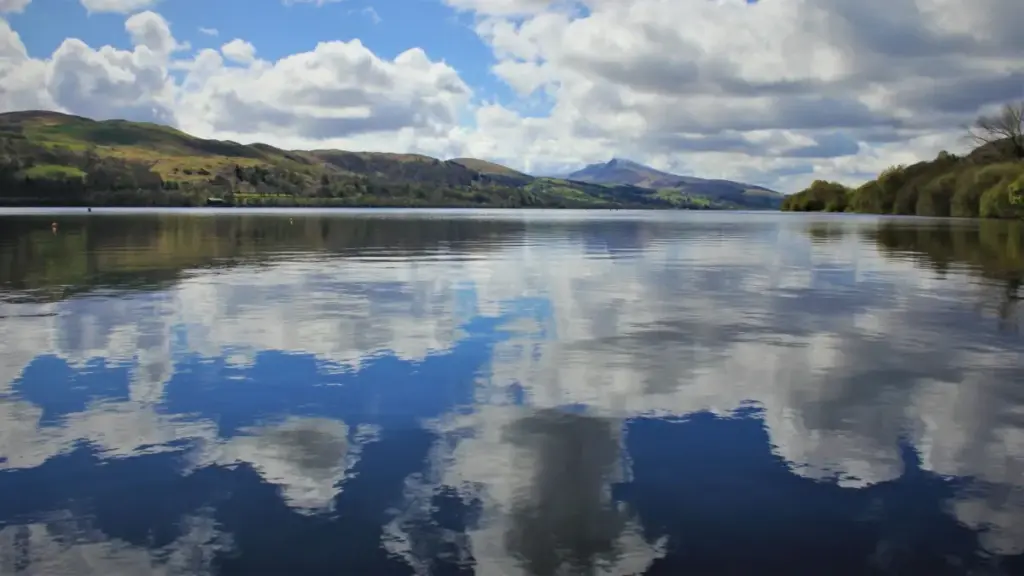
In an era defined by grand, charismatic megafauna conservation projects—ranging from the reintroduction of Eurasian beavers to satellite-tracked white-tailed eagles—the plight of one of Britain’s most inconspicuous and peculiar creatures risks slipping through the cracks. Measuring no larger than a fingertip, the glutinous snail (Myxas glutinosa) has quietly vanished from almost every corner of the British Isles. Today, its survival in the wild hangs by a single, fragile thread: Llyn Tegid, Wales’s largest natural lake, cradled within the rugged landscape of Eryri (Snowdonia) National Park.
Once comfortably widespread across English and Welsh freshwater ecosystems, Myxas glutinosa has been systematically driven to the brink of extinction by a relentless tide of habitat degradation, agricultural pollution, and shifting climate patterns. Yet, a remarkable coalition of dedicated conservationists, regional wildlife parks, and one extraordinary family operating out of a suburban back garden in Ceredigion are staging a desperate rescue mission.
Described by passionate advocates as culturally and ecologically as precious as an ancient Egyptian artifact, the glutinous snail is now the focus of a coordinated national ark-breeding program. Backed by a £60 million UK government-funded biodiversity strategy and spearheaded by the British and Irish Association of Zoos and Aquariums (BIAZA), this multi-institutional effort aims to pull the mollusk back from the precipice. By establishing secure, captive populations across prominent British zoological institutions—including Dudley Zoo, Chester Zoo, Longleat, Wingham Wildlife Park, and Askham Bryan Wildlife Park—scientists hope to decode the complex ecological and genetic needs of the species, paving the way for eventual reintroductions into safe, restored wild habitats.

Detailed Chronology: From Garden Greenhouse to National Ark
The modern resurgence of interest in saving Myxas glutinosa is a masterclass in grassroots conservation. While institutional backing has arrived only recently, the frontline defense of the species has been sustained for over a decade through the relentless dedication of Ian Hughes and his family.
The Genesis of a Lifelong Mission (2014)
Under strict licensing from Natural Resources Wales, Ian Hughes began his hands-on conservation journey in 2014. Venturing out into the icy expanse of Llyn Tegid, Hughes began collecting, observing, and studying the dwindling wild populations of the glutinous snail. Recognizing that the species was highly vulnerable to the volatile conditions of its singular remaining habitat, Hughes looked beyond field monitoring. He took a bold step: constructing custom, controlled aquatic environments within a greenhouse at his home in Llanarth, Ceredigion.
The initial phase was fraught with anxiety. Maintaining a critically endangered micro-organism outside of its native, highly specific aquatic ecosystem is notoriously difficult. As Hughes later reflected, every morning began with the haunting question: "Will they survive an hour, will they survive a day?"

The Breakthrough Discovery
Four months into the captive breeding experiment, Hughes made a monumental breakthrough that eluded professional malacologists for decades: he discovered snail eggs clinging to the surfaces of his homemade tanks.
"Nobody had knowingly seen their eggs before we made that breakthrough," Hughes recalls. Operating largely on intuition—or what he describes as "a wing and a prayer"—the success of identifying, incubating, and hatching the translucent egg masses marked a watershed moment. It transformed his back garden into a vital sanctuary, eventually housing roughly 2,000 individual snails distributed across various homemade tanks.
Expanding the Circle (2024–Present)
Understanding the catastrophic risk of keeping an entire species’ global UK population tied to a single wild location and one domestic garden, conservationists sought to scale up the operation. Enter the British and Irish Association of Zoos and Aquariums (BIAZA).

In a recent logistical feat, representatives from major wildlife facilities traveled to Ceredigion to extract founding populations. Samantha Eden, assistant curator at Wingham Wildlife Park in Kent, drove six hours to collect 24 glutinous snails to seed a newly constructed three-pond breeding facility. Similar transfers have linked the Hughes family’s greenhouse to the sprawling enclosures of Longleat in Wiltshire, Askham Bryan Wildlife Park in York, and both Dudley and Chester zoos. This network forms a robust, decentralized "ark population" designed to insulate the species against localized extinction events.
Supporting Context & Metrics: Anatomy, Ecology, and the Crisis of Decline
To truly understand the urgency surrounding Myxas glutinosa, one must examine the biology of the animal itself and the compounding environmental pressures that dismantled its historic range.
Biological Profile of Myxas glutinosa
The glutinous snail earns its common moniker from a defining physical trait: a thick, translucent layer of living tissue known as the mantle that wraps entirely around its fragile, golden-flecked brown shell from beneath. Unlike the hard, chalky shells of common garden snails, the shell of Myxas glutinosa is exceptionally thin and delicate.

Adding to its distinct appearance, the snail features disproportionately large, expressive antennae that Hughes affectionately compares to "big floppy ears." Growing no longer than a human fingertip, the snail grazes primarily on microscopic algae. Within a freshwater ecosystem, these invertebrates serve a dual purpose: they are industrious grazers that help maintain algal balance, and they act as sensitive biological indicators of pristine water quality. Where Myxas glutinosa thrives, the water is generally clean, well-oxygenated, and ecologically balanced.
Drivers of Extinction
The historic collapse of the glutinous snail across England and the broader UK is symptomatic of widespread freshwater degradation. Key drivers include:
- Agricultural Runoff & Eutrophication: Nitrate and phosphate fertilizers leaching into rivers and lakes trigger algal blooms that choke aquatic life and alter oxygen levels.
- Industrial and Urban Pollution: Heavy metals, chemical residues, and microplastics accumulate in slow-moving water bodies, proving fatal to sensitive gastropods.
- Habitat Fragmentation and Loss: Dredging, canalization, and riverbank development destroy the macrophyte-rich (weed-dense) shallows that the snails rely on for shelter and feeding.
- Climate Change: Rising water temperatures in shallow lakes accelerate metabolic stress, reduce dissolved oxygen, and disrupt the delicate seasonal cues required for reproduction.
Recognizing these vulnerabilities, the freshwater conservation landscape has shifted toward holistic catchment management. Organizations like the Freshwater Habitats Trust are now tasked with scouring UK waterways to identify, remediate, and prepare recipient sites where water quality and ecological security meet the stringent demands of Myxas glutinosa.

Official Statements and Institutional Perspectives
The preservation initiative has garnered enthusiastic backing from environmental regulators, regional park authorities, and zoo associations, highlighting a unified front in British conservation.
-
Nicky Needham, Head of Species Management and Conservation at BIAZA:
Emphasizing the scientific rigor underpinning the multi-zoo partnership, Needham noted: "We’re doing a lot of research on the snails’ ecology, their husbandry, and their genetics. If we can build up a really strong picture then we’re in a good position to reintroduce some of them [to the wild]. With fingers and toes crossed I’d like to achieve that within three years’ time." -
Simon Jones, Assistant Warden at Eryri (Snowdonia) National Park:
Reflecting on Llyn Tegid’s status as the final domestic bastion for the species, Jones stated: "I think it’s an amazing project and we’ll support it as much as we can. We’re really proud to be home to this unique species. But climate change means these species are at an increased threat, and with the zoos’ help, there’s more of a chance of keeping the population alive."
-
Ian Hughes, Conservationist and Pioneer:
Articulating the moral imperative driving his family’s decade-long labor of love, Hughes summarized: "Having all your eggs in one basket is always a dangerous move, so having more experts looking after it is really the right way to go. For me, they’re an absolute treasure—like an Egyptian artifact, as valuable as that—and preserving them is a duty to our children and grandchildren."
Future Outlook: The Three-Year Roadmap to Reintroduction
The transition of Myxas glutinosa from back-garden conservation to a nationally coordinated recovery strategy signals a turning point for British invertebrate protection. As part of a broader £60 million UK government-backed investment in threatened flora and fauna, the next three years will be critical.
[Phase 1: Captive Breeding] ---> [Phase 2: Genetic & Ecological Research] ---> [Phase 3: Site Remediation] ---> [Phase 4: Wild Reintroduction]
  (Hughes Greenhouse & Zoos)        (BIAZA / Academic Institutions)           (Freshwater Habitats Trust)        (Eryri / Restored Waters)
The Roadmap Ahead:
- Husbandry Standardization: Participating zoos (Dudley, Chester, Longleat, Wingham, and Askham Bryan) will pool data on water chemistry, feeding regimens, and temperature tolerances to establish best-practice breeding guidelines.
- Genetic Mapping: Conservation geneticists will analyze the diversity within the captive populations to prevent inbreeding depression and ensure that future generations retain the resilience required for wild survival.
- Habitat Restoration: The Freshwater Habitats Trust will continue surveying historical ranges and potential new sites, working with landowners and local authorities to ensure that reintroduction zones are legally protected and free from legacy pollutants.
- Soft Releases: Within a projected window of three years, juvenile snails bred in captivity will be systematically translocated to secure, monitored field sites—bringing the species full circle from near-oblivion back into the living waters of the British landscape.
Through the fusion of rigorous institutional science, governmental funding, and the tireless, hands-on devotion of citizens like the Hughes family, the tiny, gooey glutinous snail may yet secure its rightful place in the future of Britain’s natural heritage.



