

Executive Overview
Across the dry forests and undulating plateaus of Southern and Central Africa, a quiet ecological and economic crisis is unfolding. The miombo woodlands—a vast, resource-rich dry forest biome spanning Angola, Burundi, the Democratic Republic of Congo, Malawi, Mozambique, Tanzania, Zambia, and Zimbabwe—are disappearing at an alarming rate. Between 2000 and 2023, more than 500,000 square kilometers (193,000 square miles) of this vital woodland cover were lost, representing nearly 22% of the region’s total dry forest ecosystem.
Driving this destruction is an escalating demand for commercial charcoal and brick-making fuel. Yet, as the canopies fall, a silent tragedy takes root: the loss of irreplaceable indigenous fruit-bearing trees that sustain millions of rural livelihoods, provide essential rural nutrition, and hold unique genetic blueprints adapted to harsh African climates.
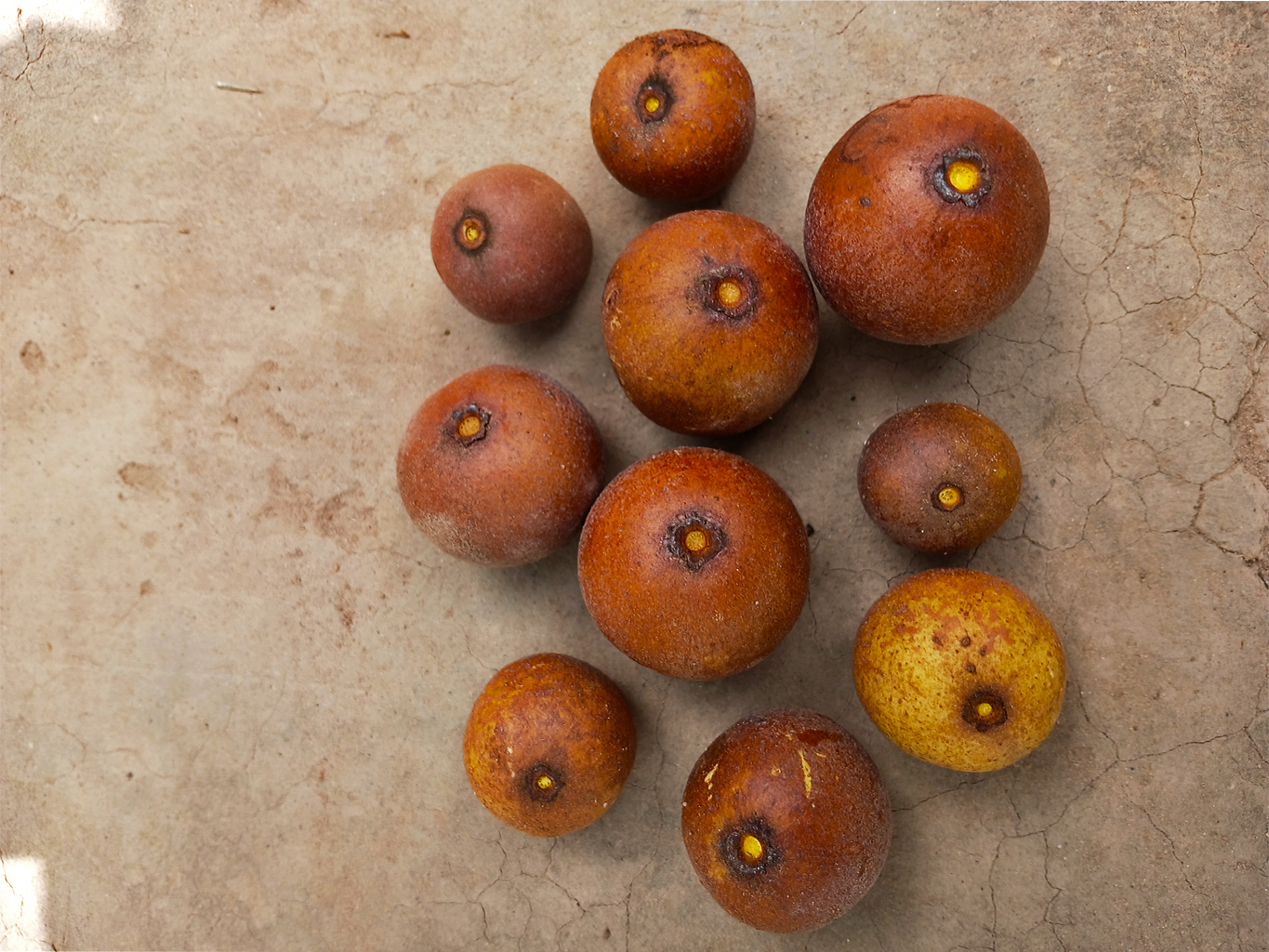
Among the most heavily impacted is the wild loquat (Uapaca kirkiana), locally known as muzhanje or mashuku. Bearing sweet, yellow, apricot-sized berries, these trees are a seasonal financial lifeline for countless rural women who collect and sell the fruit along dusty regional roadways. However, being deeply cherished by local populations has offered these trees no protection from the chainsaw.
In response to this rapid environmental degradation, a coalition of plant geneticists, agronomists, and forestry researchers from the Landscape Alliance are racing against time. By establishing field gene banks and utilizing advanced horticultural techniques like grafting and air layering, scientists are cloning exceptional wild fruit trees. These cloned reservoirs not only safeguard the genetic diversity of disappearing native species against extinction, but they also offer a practical lifeline for smallholder farmers looking to domesticate wild species and bypass the frustratingly long maturation periods of trees grown from seed.
Detailed Chronology: The Domboshava Incident and the Battle for the Gene Banks
The vulnerability of ex-situ conservation efforts was thrown into sharp relief in 2024, just outside Zimbabwe’s capital of Harare. Plant geneticist Alice Muchugi, leader for tree diversity and productivity at the Landscape Alliance, vividly recalls an encounter on the side of a dusty road with a group of furious local fruit sellers.

The women poured out a tale of devastation: a crew of men armed with chainsaws had targeted and felled some of the district’s most prolific wild loquat trees. In a single night, the women were robbed of a steady, reliable source of income that sustained their families year after year. The motivation for the felling had nothing to do with the fruit; the loggers wanted the dense wood to fuel commercial brick-making kilns.
Muchugi immediately recognized the trees the women described. They were not ordinary forest specimens. They were elite wild loquats—cloned more than two decades prior from superior mother trees across 25 distinct geographical locations spanning four regional countries. These genetic treasures were carefully cultivated at the Landscape Alliance’s field gene bank in Domboshava, located roughly 30 kilometers (19 miles) northeast of Harare.
Staff at the gene bank had systematically collected comprehensive biological data on the trees, eventually granting local women permission to enter and harvest the fruit for commercial sale. But the loggers, operating under the cover of darkness, breached the gene bank’s perimeter and destroyed a portion of this living archive.
"One night you can wake up and find everything is gone," Muchugi reflects, capturing the precarious daily reality of maintaining living repositories in landscapes pressurized by poverty and energy scarcity.
Fortunately, absolute catastrophe was averted. Because the Landscape Alliance maintains redundant safeguarding networks, duplicates of most of the trees destroyed in Zimbabwe were safely preserved in sister gene banks located in Malawi and Zambia. Nevertheless, the Domboshava incident serves as an urgent wake-up call, underscoring the pressing need for sustainable long-term funding to secure field gene banks, monitor wild populations, and protect ongoing selection programs.
Supporting Context & Metrics: The Crisis in the Miombo Woodlands
The destruction witnessed in Domboshava is just a micro-indicator of a macro-scale environmental collapse. The miombo biome, which defines the ecological backbone of much of Southern and Central Africa, is enduring severe anthropogenic pressures.
According to a landmark remote-sensing study covering the years 2000 to 2023, the region shed over half a million square kilometers of woodland. Among the hardest-hit territories are Zimbabwe and Malawi, which suffered losses of approximately 47,000 and 17,700 square kilometers (18,100 and 6,800 square miles), respectively.
Within these diverse woodlands thrive at least 75 distinct tree species that yield edible fruit. Yet, these botanical resources remain largely neglected by mainstream conservation policies. Isaac Nyoka, the Landscape Alliance’s Southern Africa leader based in Malawi, points out the deep disconnect between local resource users:
"It’s not that wood harvesters don’t eat the fruit, but because their business is in charcoal, whenever they see a tree, they see charcoal. So, it’s different interests that do not seem to converge."
This systemic disconnect is mirrored in northern Malawi, where Brian Nduw, a researcher at the African Centre of Excellence in Neglected and Underutilized Biodiversity at Mzuzu University, has documented similar patterns of destruction. A recent field study led by Nduw in the Perekezi and Kaning’ina forest reserves revealed that wild loquat trees are prime targets for illegal wood harvesters, particularly in Kaning’ina due to its proximity to the urban center of Mzuzu.

Compounding the pressure from commercial timber and charcoal extraction, older trees left standing struggle desperately to regenerate. Nduw’s research also highlighted an unexpected local pressure: various church sects regularly conduct prayer services beneath the canopy inside the Kaning’ina reserve. These frequent gatherings strip the forest floor bare, creating compacted, sterile patches of soil where fallen wild loquat seeds and delicate seedlings cannot take root.
Official Statements & Scientific Interventions: Cloning a Food Future
Active human intervention is no longer optional; it is a prerequisite for survival. Scientists argue that protecting remaining wild stands must be paired with aggressive ex-situ conservation strategies to ensure foundational species like the wild loquat do not vanish entirely.
Beyond the wild loquat, a suite of iconic miombo species remains critically under-conserved relative to their immense socioeconomic and nutritional value. These include:
- Marula (Sclerocarya birrea)
- Mobola plums (Parinari curatellifolia, widely known as hissing trees)
- Baobabs (Adansonia digitata)
- Corky monkey orange (Strychnos cocculoides)
"These all need to be domesticated," emphasizes Nduw, pointing toward a paradigm shift where indigenous food trees are integrated directly into agricultural landscapes rather than left exclusively to the mercy of shrinking natural forests.
Overcoming the 17-Year Maturation Hurdle
For years, researchers have recognized that cultivated stands of indigenous fruit trees could serve as vital ecological and genetic reservoirs. However, a major biological hurdle has historically hindered community adoption: while wild loquats germinate readily from seed, they can take up to 17 agonizingly long years to bear their first harvest. For rural farming communities facing immediate food and financial insecurity, waiting nearly two decades for a return on investment is simply unviable.

To shatter this barrier, Landscape Alliance researchers at field gene banks in Domboshava (Zimbabwe), Makoka (Malawi), and counterparts in Zambia and Tanzania have pioneered cloning techniques since 2003. By bypassing the juvenile seed phase through grafting and air layering, scientists have slashed the time required for cloned trees to produce a harvest down to just four to five years.
- Grafting: Researchers cut branches or shoots (scions) from superior, high-yielding wild mother trees and expertly fuse them onto hardy rootstocks of the same species grown from seed.
- Air layering: Technicians stimulate root growth directly on a living branch by slicing away a ring of bark, packing the exposed groove with a moist growing medium (such as a blend of soil and sawdust), and wrapping it tightly in plastic to retain moisture. Once the branch is tricked into establishing its own robust root system, it is cleanly severed from the mother tree and planted directly into the earth as an exact genetic replica.
The impact of this research is rapidly reaching the ground. In December, approximately 200 smallholder farmers across three agricultural districts in southern, central, and western Malawi are slated to receive roughly 800 superior scions—averaging four per farmer—to graft onto rootstocks they have successfully cultivated themselves.
Future Outlook: Orchards of Indigenous Abundance
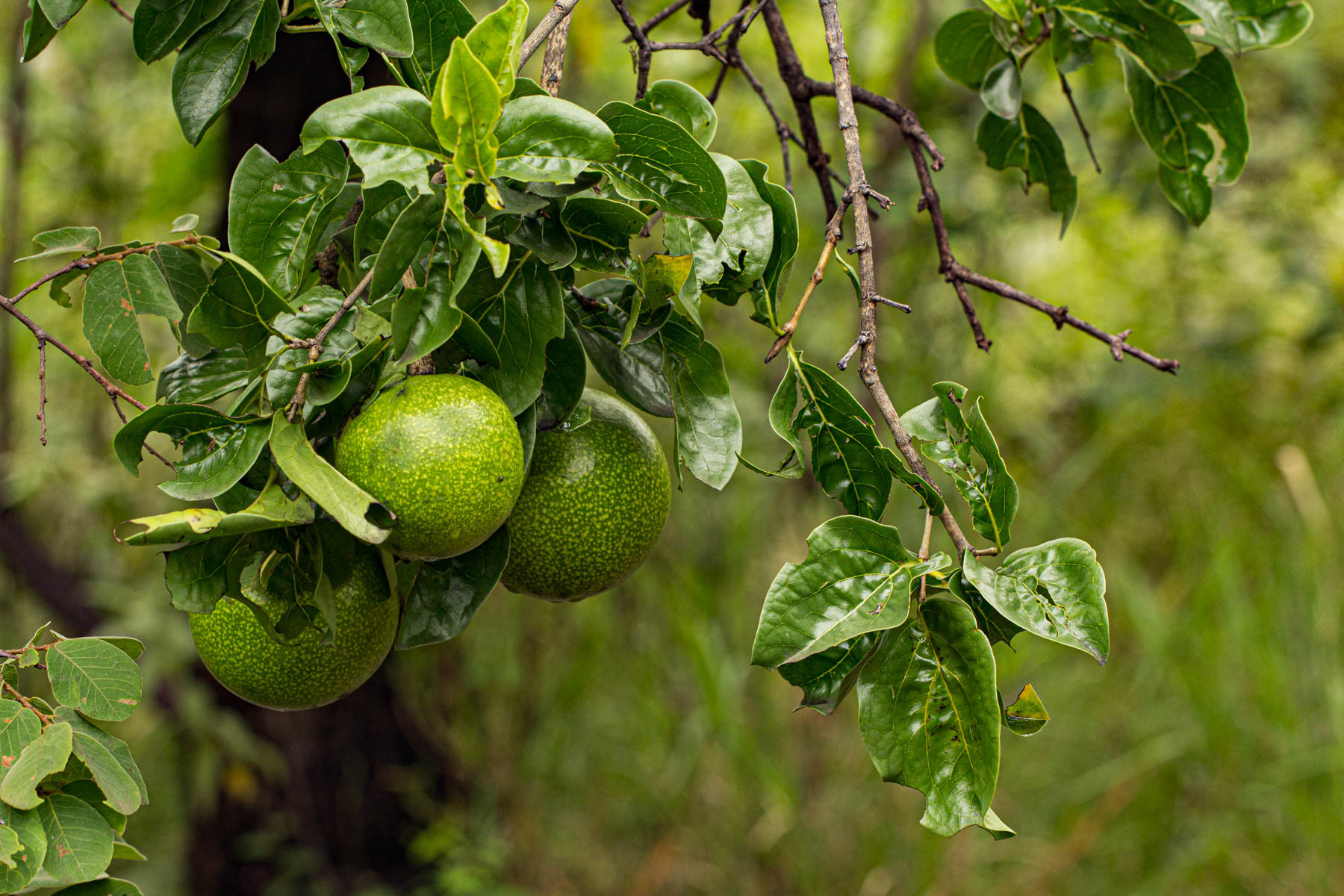
The momentum of agricultural domestication extends beyond the wild loquat. Researchers are making significant strides in cloning other prized miombo treasures, such as the corky monkey orange (Strychnos cocculoides). Named for its deeply ridged, soft cork-like bark and bearing sweet pulp encased inside spherical, hard green shells, it is ranked by experts as the second most important wild fruit tree in Southern Africa.
Glimpses of what a fully realized indigenous agroforestry future looks like can already be seen across the border. At a research station in Chipata, Zambia, researchers have successfully established a thriving, four-hectare (10-acre) demonstration orchard dedicated entirely to cultivated indigenous fruit trees. Described by Isaac Nyoka as "beautiful," the site stands as a living blueprint for what rural communities throughout Southern Africa could achieve on their own lands.
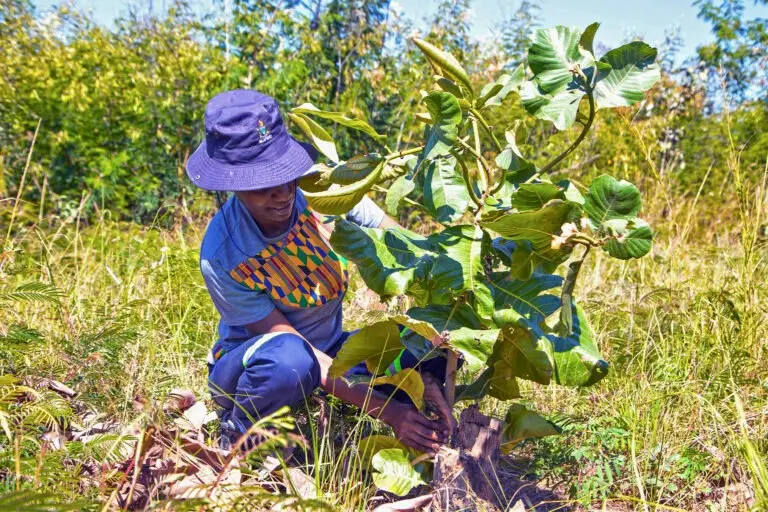
Despite facing severe external pressures—ranging from illegal charcoal felling and destructive land-use practices to natural challenges like frost and uncontrolled bushfires—roughly 30% of the original wild loquat trees at the Domboshava gene bank have survived. Their resilience mirrors that of the wild loquat stumps documented by agronomist Christine Tapiwa in Zimbabwe, which readily coppice and regenerate fresh shoots even after being brutally severed by chainsaws.
Ultimately, safeguarding these indigenous species is not merely an exercise in botanical preservation. By empowering farmers with fast-fruiting, genetically superior clones, conservationists are building a bridge between traditional dietary heritage and modern climate-smart agriculture. In doing so, they are transforming neglected wild trees into cultivated pillars of rural resilience, nutritional security, and economic independence across Southern Africa.



