

Executive Overview
The automotive market is undergoing a quiet yet profound structural realignment. According to the latest comprehensive estimates released by Kelley Blue Book (KBB), the pricing chasm between electric vehicles (EVs) and traditional internal combustion engine (ICE) vehicles narrowed significantly in February. As EV transaction prices edged downward and traditional gas-powered cars crept upward, the average price disparity between the two technologies compressed to approximately $6,500—representing one of the tightest margins on record in the modern automotive era.
Yet, this convergence in pricing tells only part of the story. Beneath the surface of improving affordability lies a turbulent demand environment. To sustain momentum and clear dealership lots, automakers are leaning heavily on aggressive financial incentives, with EV-specific promotional packages climbing to more than double the average rate seen across the broader automotive market.
Meanwhile, the industry’s bellwether and dominant market leader, Tesla, marched to the beat of a different drum. Bucking the broader downward trend in EV pricing, Tesla actually saw its average transaction prices rise year-over-year. However, this pricing strategy came at a distinct cost to volume: the company experienced a notable contraction in sales, hitting its lowest monthly figures since late 2021. As the broader EV sector navigates a complex cocktail of shifting consumer sentiment, aggressive discounting, and fluctuating inventory levels, February’s data serves as a critical barometer for the state of the electric transition heading into the spring selling season.
Detailed Chronology: The Evolution of February’s Automotive Market
To understand the current state of the automotive marketplace, it is essential to trace the trajectory of pricing and sales dynamics that culminated in the February market reports.
The Lead-Up: January’s Precursors
The foundational shifts observed in February did not occur in a vacuum. Throughout January, automakers and dealerships were already grappling with the tail end of a slowing sales cycle following the holiday push. In January, aggressive pricing maneuvers—led in many instances by manufacturers attempting to reset dealership floors—pushed overall EV transaction prices lower. However, as subsequent market intelligence revealed, lower sticker prices alone were not immediately sufficient to stimulate a corresponding surge in consumer demand, leaving inventories elevated and setting the stage for the dramatic incentive escalation witnessed a month later.
February’s Pricing Convergence
As February unfolded, KBB’s tracking data illuminated a divergent path for fuel types. While the average transaction price (ATP) for a brand-new electric vehicle fell to $55,300—marking a 1.4% decline compared to the same period a year prior, and a 0.6% dip from January levels—gas-powered vehicles experienced the opposite pressure. Driven by steady consumer demand and incremental production cost adjustments, traditional ICE vehicle prices ticked upward.
This dual movement successfully squeezed the pricing differential. With the gap shrinking to roughly $6,500, the psychological and financial barrier to entry for prospective EV buyers dropped to historic lows. Industry analysts have long pointed to a sub-$5,000 to $6,500 premium as a critical psychological tipping point where total cost of ownership (TCO) calculations—factoring in cheaper electricity versus gasoline, along with reduced maintenance requirements—rapidly tilt in favor of battery-electric alternatives.
The Incentive Spike
Recognizing this narrowing gap as a prime opportunity to capture market share, manufacturers dialed up promotional efforts during the short month of February. The average incentive package attached to an EV purchase surged significantly, moving from 12.4% of the vehicle’s total transaction price up to 14.2%.
To put this into perspective, these subsidies and discount packages are more than double the average incentive levels deployed across the broader automotive market. Dealers and legacy automakers alike found themselves forced to deploy heavy subvented financing, cash-back offers, and lease loopholes (such as utilizing the commercial EV tax credit pass-through) to keep showroom floors clear.
Tesla’s Counter-Cyclical Strategy
While the broader market engaged in a race to offer deeper discounts, Tesla chose a distinctly different route. As the undisputed volume leader in the American battery-electric space, Tesla allowed its average transaction prices to climb to $53,821 in February, representing a 3-year-over-year increase of roughly 3%.
However, this elevation in average pricing was accompanied by a sharp contraction in volume. KBB estimates indicate that Tesla shifted approximately 38,500 vehicles domestically in February, marking an 8.9% decline compared to the previous year. More critically, this represented the lowest monthly domestic sales figure for the Austin-headquartered automaker since the final quarter of 2021. Despite these declines, Tesla’s brand equity and product lineup still proved resilient enough to outperform the wider EV segment, which suffered a steeper year-over-year volume drop estimated at roughly 26% for the month.
Supporting Context & Market Metrics
Analyzing raw transaction prices and sales volumes provides a direct window into the macroeconomic and microeconomic forces currently steering the automotive sector.
The Economics of Transaction Prices (ATP)
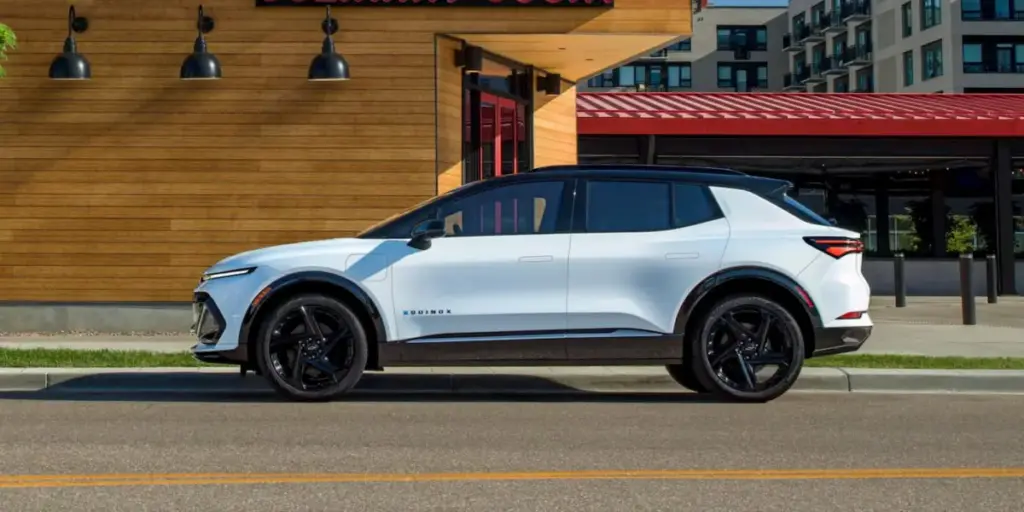
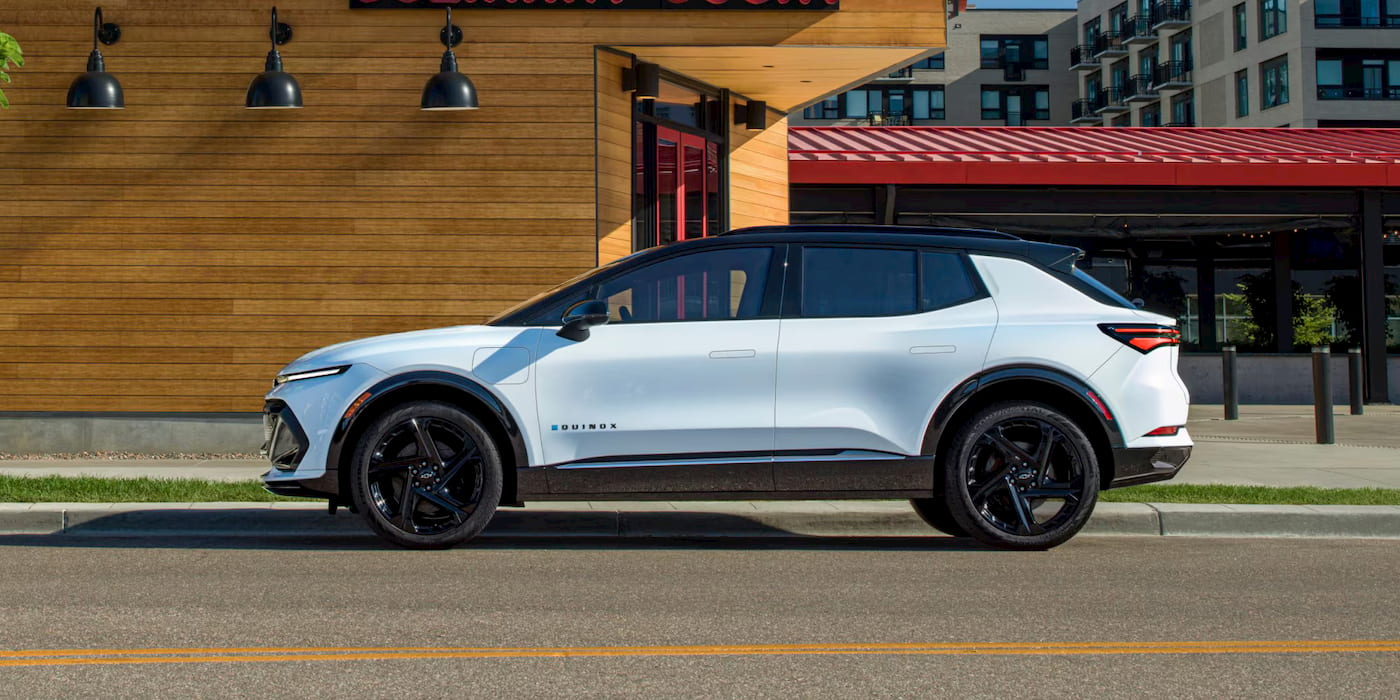
The benchmark figure of $55,300 for an average electric vehicle reflects a maturing market that is slowly moving away from exclusive, high-end luxury flagships toward more accessible, mass-market crossovers and compact SUVs. Vehicles like the Chevrolet Equinox EV, Hyundai Ioniq 5, and Ford Mustang Mach-E have broadened the funnel, offering consumers viable alternatives that do not carry the six-figure price tags associated with early-generation luxury EVs.
Conversely, the creep in ICE vehicle prices underscores lingering supply chain efficiencies, inflationary pressures on raw components, and a consumer base that remains heavily reliant on traditional options due to infrastructure hesitancy or lifestyle requirements.

| Metric Category | February Figure | Year-Over-Year Change | Month-Over-Month Change |
|---|---|---|---|
| Average EV Transaction Price (ATP) | $55,300 | -1.4% | -0.6% (from January) |
| EV Price Premium over ICE | ~$6,500 | Narrowed significantly | Narrowed from January |
| Average EV Incentive Level | 14.2% of ATP | Up from 12.4% | Significant expansion |
| Tesla Average Transaction Price | $53,821 | +3.0% | Upward trajectory |
| Estimated Tesla Monthly Sales (US) | ~38,500 units | -8.9% | Lowest since late 2021 |
| Broader EV Segment Sales Decline | Estimated -26% | Substantial contraction | Continued cooling trend |
The Role of Incentives and Subsidies
The heavy reliance on a 14.2% incentive rate highlights a delicate ecosystem. Automakers are caught between two competing imperatives:
- Volume Preservation: Factories built with multi-billion-dollar investments must maintain high utilization rates to achieve profitability, requiring consistent sales volume.
- Margin Protection: Deep discounting eats directly into per-vehicle gross margins, challenging automakers’ paths to sustained profitability in their EV divisions.
The fact that EV incentives are running at more than double the rate of the general auto market demonstrates that organic consumer pull is not yet strong enough at current list prices to absorb total manufacturing capacity without artificial stimulation.
Official Statements and Industry Perspectives
Market observers, financial institutions, and automotive analysts have offered varied interpretations of the February data, reflecting a mixture of caution and long-term optimism.
Industry Analysts on the Price Convergence
Leading market researchers at Cox Automotive and Kelley Blue Book have frequently emphasized that price parity remains the holy grail of EV adoption. Speaking on the implications of the February data, senior analysts noted that while the narrowing gap to $6,500 is a positive indicator for affordability, the broader sales contraction across the segment indicates that price is only one variable in the consumer decision-making matrix.
"Consumers are performing sophisticated mental math," noted one industry strategist familiar with the KBB report. "Even when you lower the sticker price and increase incentives, you run into persistent friction points: public charging reliability, range anxiety during cold winter months, and fluctuating residual values. Price reduction is a necessary catalyst, but it is not a silver bullet."
Perspectives on Tesla’s Pricing Strategy
Tesla’s decision to let prices rise while experiencing a volume pullback has sparked intense debate among Wall Street analysts. Some view the move as a calculated sacrifice of volume in exchange for margin preservation, allowing the company to weather a cyclical slow period without engaging in a destructive price war that could devalue its fleet. Others interpret the drop in monthly sales—hitting a multi-year low—as a sign of intensifying competition from legacy automakers and foreign entrants who are finally flooding the market with compelling, competitively priced alternatives.
Future Outlook: Navigating the Road Ahead
As the automotive industry transitions from the cold winter months into the historically robust spring and summer selling seasons, several critical trends will dictate the trajectory of the electric vehicle market.

1. The Pursuit of True Price Parity
The compression of the price gap down to $6,500 is expected to continue throughout the year. As battery raw material costs—particularly lithium, nickel, and cobalt—trend downward on global commodity markets, and as next-generation platform architectures come online, manufacturing costs will decline. Automakers that can profitably produce sub-$35,000 EVs will likely capture outsized market share, forcing competitors to match their pricing or risk irrelevance.
2. Evolving Incentive Strategies
With federal tax credit interpretations continuing to evolve and regulatory compliance targets shifting, automakers will likely refine their incentive playbooks. Rather than broad, across-the-board price cuts—which can alienate existing owners and depress residual values—manufacturers are expected to pivot toward targeted promotional leases, low-APR financing offers, and bundled home-charging infrastructure packages.
3. Infrastructure as the Next Battleground
As the financial barrier to entry drops, the remaining headwinds will increasingly shift from sticker shock to operational friction. The ongoing expansion of reliable fast-charging networks, improvements in battery thermal management for cold-weather performance, and consumer education regarding total cost of ownership will be paramount.
Ultimately, February’s data paints a picture of a transition phase: one where affordability is undeniably improving, yet the market remains sensitive, volatile, and deeply reliant on manufacturer support to bridge the final gap toward mass adoption.



