

Executive Overview
As artificial intelligence reshapes global economies, industries, and governance structures, its skyrocketing energy consumption has emerged as a central challenge for international climate negotiations. Ahead of the upcoming UN Climate Change Conference (COP31), the incoming Turkish presidency has announced a major diplomatic initiative aimed at curbing the environmental cost of advanced computing while harnessing its potential to combat ecological breakdown.
The presidency, led by Minister of Environment, Urbanization and Climate Change Murat Kurum, has unveiled the Antalya Pledge on AI. Positioned as a high-level "political commitment," the pledge aims to establish global governance standards for how artificial intelligence infrastructure is designed, procured, powered, deployed, measured, and managed.
       ANTALYA PLEDGE ON AI: SIX CORE PILLARS
┌─────────────────────────────────────────────────────────┐
│  1. DESIGN      ── Eco-designed algorithms & hardware   │
│  2. PROCUREMENT ── Sustainable supply chain standards   │
│  3. POWERING    ── 100% clean energy integration        │
│  4. DEPLOYMENT  ── Climate-focused practical tools      │
│  5. MEASUREMENT ── Transparent ESG & carbon metrics     │
│  6. MANAGEMENT  ── Lifecycle grid & resource governance │
└─────────────────────────────────────────────────────────┘
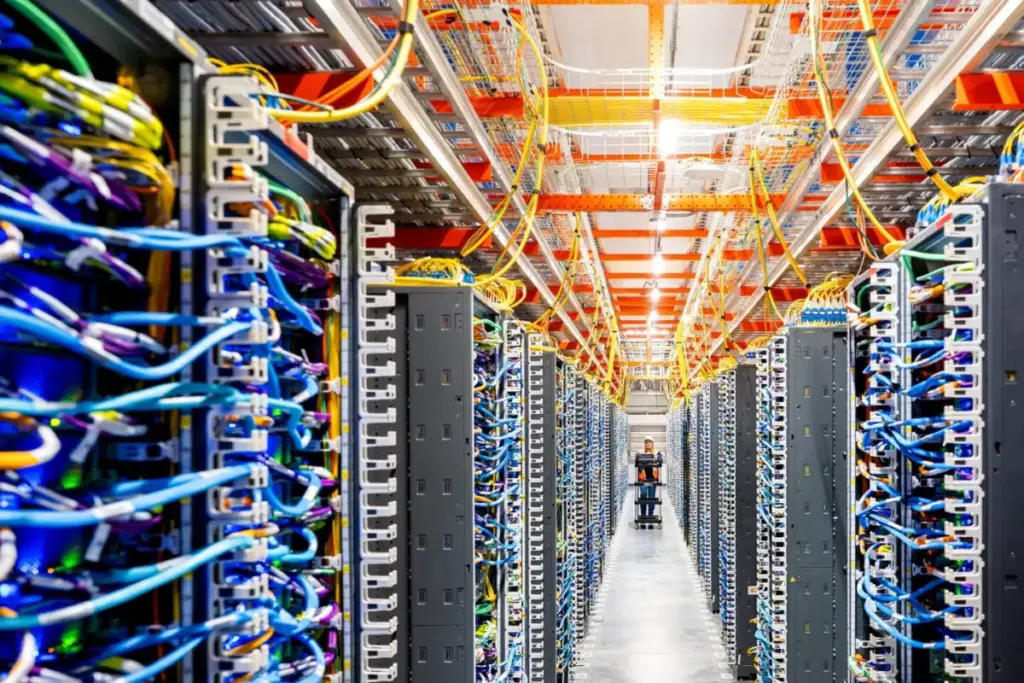
The initiative comes at a critical juncture. The rapid proliferation of Large Language Models (LLMs) and compute-heavy deep learning architecture has triggered unprecedented demand for data center capacity worldwide. This expansion threatens to overwhelm local electricity grids and derail the net-zero pathways of both sovereign nations and major technology companies.
By pushing for open disclosure of energy metrics and mandatory clean-energy procurement for tech conglomerates, the Antalya Pledge represents the first concerted attempt within the United Nations Framework Convention on Climate Change (UNFCCC) framework to bring the digital tech sector’s carbon footprint under direct diplomatic scrutiny.
Detailed Chronology: The Escalation of AI’s Carbon Footprint
  2022                  2023                  2024                  COP31
───┬─────────────────────┬─────────────────────┬─────────────────────┬───►
   │                     │                     │                     │
   ▼                     ▼                     ▼                     ▼
Generative AI         Corporate Net-Zero     IEA & UN Warnings     Antalya Pledge
Boom Begins           Target Conflicts       on Compute Load       Launched
(ChatGPT Launch)      (Emissions Surge)      (Grid Bottlenecks)    (UN Framework)
The Generative AI Boom (2022–Present)
The public launch of generative AI applications in late 2022 catalyzed a global arms race in artificial intelligence deployment. Unlike conventional cloud computing—which primarily relies on steady, transactional processing—training and running generative AI models requires specialized high-density graphics processing units (GPUs). These systems draw substantially higher power per rack than legacy server architectures.
Over the past two years, cloud service providers and tech majors have accelerated data center construction worldwide. This rapid buildout has concentrated intense energy demands within localized utility jurisdictions, triggering power supply concerns in regions ranging from Northern Virginia and Ireland to Singapore and Frankfurt.
The Corporate Net-Zero Paradox (2023–2024)
Throughout 2023 and 2024, the climate costs of this computational expansion became increasingly apparent in corporate sustainability reports. Several major technology firms—many of which had previously committed to achieving carbon neutrality or negative carbon footprints by 2030—reported substantial increases in their Scope 2 (indirect electricity emissions) and Scope 3 (value chain emissions) output.
The primary driver behind these surges was the massive energy footprint of AI infrastructure, alongside the carbon-intensive manufacturing processes required for advanced silicon chips and data center hardware.
Diplomatic Convergence at COP31
Recognizing that unconstrained compute demand threatens broader international decarbonization targets, Türkiye’s incoming COP31 presidency began consulting with international energy experts, climate negotiators, and technology executives in mid-2024.
This process culminated in the official announcement from Ankara and Istanbul on Monday, formally introducing the Antalya Pledge on AI into the official COP31 summit agenda. The pledge establishes a diplomatic framework designed to bridge the gap between digital policy and climate governance.
Supporting Context & Metrics: Quantifying the Computational Burden
Electricity Demand and Grid Infrastructure
Data center electricity consumption is accelerating rapidly. According to data from the International Energy Agency (IEA), global electricity consumption from data centers, cryptocurrencies, and artificial intelligence could double from 2022 levels to exceed 1,000 Terawatt-hours (TWh) by 2026—an amount roughly equivalent to the entire electricity demand of Japan.
GLOBAL DATA CENTER & AI ELECTRICITY CONSUMPTION (IEA PROJECTIONS)
-----------------------------------------------------------------
2022 Base Consumption:    ~460 TWh
2026 Projected Lower Bound: ~620 TWh
2026 Projected Upper Bound: ~1,050 TWh  [▲ >100% Increase]
Equivalent Comparison:     Total Annual Power Consumption of Japan (~950 TWh)
Training a single state-of-the-art transformer model can consume hundreds of megawatt-hours of electricity, producing a carbon footprint equivalent to multiple transatlantic flights. Furthermore, as millions of daily user queries shift from standard web searches to AI-generated responses, operational inference processing requires significantly more power per interaction, creating a continuous baseload demand on electrical grids.
| Compute Application | Estimated Power Demand per Unit / Interaction | Carbon/Resource Footprint Context |
|---|---|---|
| Traditional Google Search | ~0.0003 kWh | Minimal localized footprint |
| Generative AI Query (LLM) | ~0.0029 kWh to 0.01 kWh | 10x – 30x higher energy intensity than standard search |
| Model Training (e.g., 175B+ Parameters) | Multi-Gigawatt-Hour Scale | Equivalent to the lifetime emissions of multiple passenger vehicles |
| Data Center Rack (High-Density GPU) | 40 kW – 100+ kW per rack | Traditional server racks average 5 kW – 10 kW |
Water Footprint and Scope 3 Emissions
In addition to electricity consumption, high-density AI data centers require substantial cooling infrastructure. Evaporative cooling systems consume millions of gallons of potable water daily, often in water-stressed regions.
Simultaneously, the short lifecycle of specialized accelerator chips—frequently replaced every three to five years due to rapid hardware advancements—generates significant electronic waste and embedded carbon emissions during raw material extraction and manufacturing.
    Data Center Resource Consumption Breakdown
    ┌─────────────────────────────────────────┐
    │                                         │
    │  [⚡] Electricity: ~1,000 TWh (by 2026) │
    │                                         │
    │  [💧] Water Cooling: Millions gal/day    │
    │                                         │
    │  [♻️] Hardware Obsolescence: 3-5 yrs    │
    │                                         │
    └─────────────────────────────────────────┘
The Operational Paradox: AI as a Climate Mitigation Tool
Despite its growing footprint, artificial intelligence remains a vital technology for climate adaptation and mitigation strategies. The technology is increasingly used to:
- Optimize renewable energy integration by predicting intermittent solar and wind production;
- Enhance smart grid efficiency and lower transmission losses;
- Accelerate materials science discoveries for next-generation batteries and carbon-capture substrates;
- Provide hyper-localized climate modeling and early-warning systems for extreme weather events in vulnerable regions.
The Antalya Pledge seeks to address this paradox by establishing governance frameworks that minimize AI’s operational carbon footprint while directing its analytical capabilities toward climate solutions.
Official Statements and Multilateral Reactions
Launching the initiative, COP31 President Murat Kurum emphasized that sovereign governments must play an active role in regulating the environmental impact of computing technology.
"We must openly discuss AI’s growing energy consumption and it is time for governments to start setting the terms," said Murat Kurum, COP31 President, in an official statement. "We expect companies to be transparent about their energy use and to power their operations with clean energy."
                    STATEMENT SUMMARY: COP31 PRESIDENCY
┌─────────────────────────────────────────────────────────────────────────┐
│                                                                         │
│  "We must openly discuss AI's growing energy consumption and it is     │
│   time for governments to start setting the terms. We expect            │
│   companies to be transparent about their energy use and to power      │
│   their operations with clean energy."                                  │
│                                                                         │
│   — Murat Kurum, COP31 President                                        │
│                                                                         │
└─────────────────────────────────────────────────────────────────────────┘
The announcement has prompted reactions across diplomatic, corporate, and civil society sectors:
- Climate Policy Analysts and Advocates: Environmental non-governmental organizations (NGOs) have welcomed the initiative, highlighting that voluntary corporate sustainability goals are no longer sufficient amid rapid AI growth. Analysts stress that without mandatory, standardized reporting metrics, public claims regarding clean-energy power usage effectiveness (PUE) cannot be verified.
- Technology Sector Executives: Major Hyperscalers (cloud providers) have expressed broad support for clean energy integration, though some industry representatives privately caution that stringent regional restrictions could disrupt technological development or shift data center operations to jurisdictions with less demanding environmental regulations.
- Global South Representatives: Delegates from developing nations emphasize energy equity, arguing that power grids in developing regions should not be overwhelmed by international AI data centers at the expense of local rural electrification and basic economic development.
Future Outlook: Policy Enforcement, Grid Integration, and the Path to COP31
As negotiations ahead of COP31 progress, the Antalya Pledge on AI faces several operational and political challenges:
CHALLENGES ON THE PATH TO COP31
├── 1. Defining Metric Standards (Standardizing PUE & Scope 3 frameworks)
├── 2. Grid Capacity Conflicts (Balancing data centers with local residential loads)
└── 3. Diplomatic Friction (Preventing carbon leakage to light-regulation regions)
Regulatory Mandates vs. Voluntary Pledges
A central point of debate at COP31 will be whether the Antalya Pledge remains a non-binding political commitment or leads to formal reporting requirements within the UNFCCC’s Enhanced Transparency Framework (ETF). Developing clear standards for reporting AI-specific workload emissions, hardware supply chain impacts, and localized water usage will be critical to the initiative’s success.
Infrastructure Innovation and Clean Energy Procurement
To meet the expectations set by the Antalya Pledge, technology companies will need to re-evaluate their energy procurement strategies. Key developments are likely to include:
- Direct Nuclear and Geothermal PPAs: Tech firms are increasingly entering into direct Power Purchase Agreements (PPAs) with nuclear power plants and advanced geothermal operators to secure continuous, zero-carbon baseload electricity.
- Next-Generation Efficiency and Compute Architectures: Hardware developers are prioritizing energy efficiency, developing specialized chips capable of processing inference workloads at lower power thresholds.
- Flexible Compute Scheduling: Operators are exploring software systems that dynamically shift non-time-sensitive model training tasks to regions and time windows with surplus renewable electricity generation.
          FUTURE CLEAN COMPUTING LANDSCAPE
┌──────────────────────────────────────────────────┐
│  • Off-Grid SMRs (Small Modular Reactors)        │
│  • Dynamic Load Shifting to Peak Solar/Wind Hours│
│  • Liquid Immersion Cooling Systems              │
│  • Next-Gen Low-Wattage Silicon Architecture     │
└──────────────────────────────────────────────────┘
Geopolitical Dimensions and Energy Justice
The implementation of the Antalya Pledge will also intersect with broader geopolitical dynamics. As nations compete for leadership in artificial intelligence, energy access has become a strategic bottleneck. If developed economies implement strict grid-connection rules for data centers, tech infrastructure investments may shift toward nations with weaker environmental oversight or fossil-fuel-heavy grids.
The Antalya Pledge aims to establish a shared international baseline to prevent environmental standard arbitrage. By embedding sustainable AI management into the UN climate process, the incoming COP31 presidency seeks to ensure that the digital economy supports—rather than undermines—global decarbonization objectives.



