By Global Environmental Desk
Published: August 2026
Executive Overview
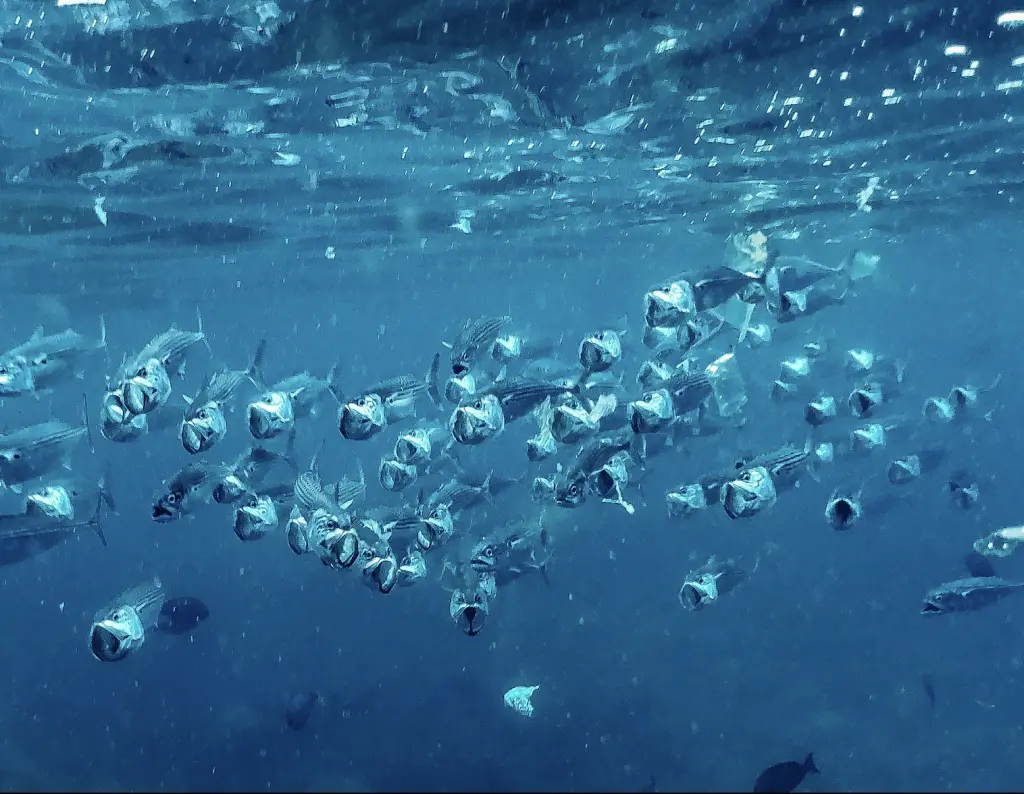
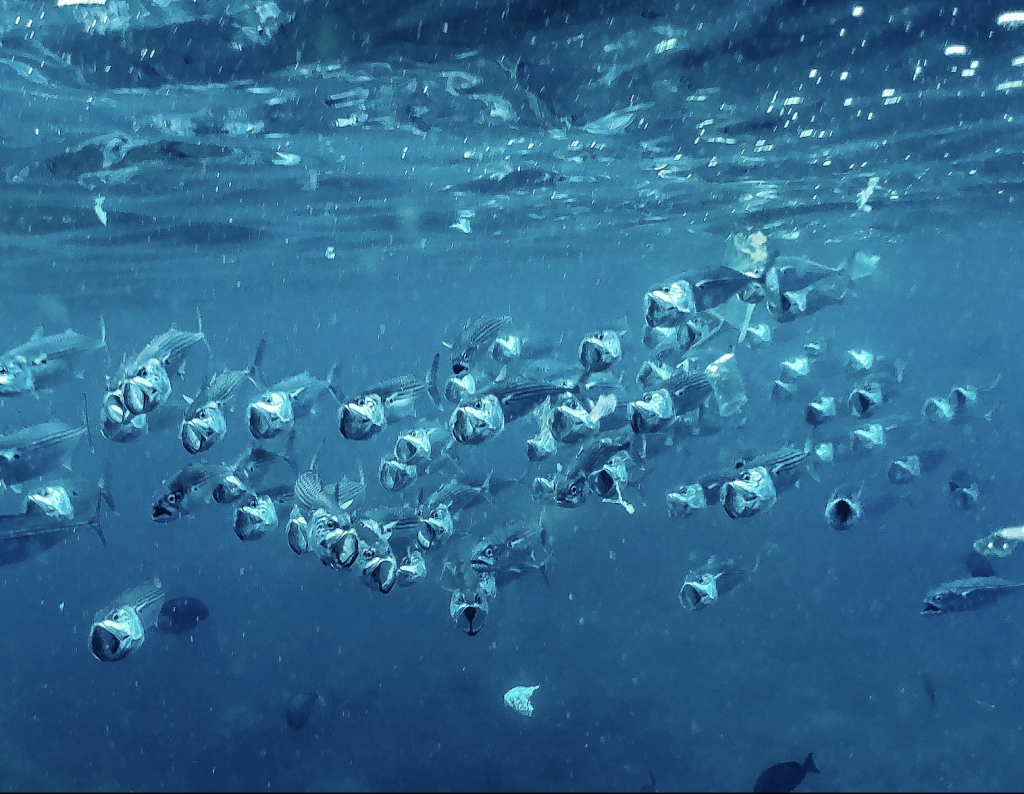
The North Atlantic, historically one of the most bountiful marine ecosystems on the planet, is currently playing host to a high-stakes geopolitical confrontation. At the center of this maritime scramble is Scomber scombrus—the Atlantic mackerel. Prized for its rich, oily meat and high nutritional value, this pelagic species has long been a staple of commercial fishing industries across Europe and the North Atlantic basin. However, behind the commercial availability of canned and fresh mackerel on supermarket shelves lies an alarming reality: the population is in a severe, decade-long tailspin.
According to marine conservation experts, the Atlantic mackerel population has plummeted by an astonishing 10 million metric tons over the past ten years. This dramatic reduction is not the result of natural ecological shifts or mysterious climate phenomena alone; it is driven primarily by relentless, aggressive overfishing. Even more alarming is the political paralysis governing the fishery. Norway, Denmark, Iceland, the United Kingdom, the European Union, and the Russian Federation are locked in an unyielding diplomatic and economic tug-of-war, vying for a larger share of a rapidly shrinking resource.
Despite repeated, urgent warnings from international fisheries scientists that current catch rates far exceed sustainable limits, coastal states continue to set unilateral quotas that prioritize short-term economic gains over long-term ecological survival. As the "mackerel wars" heat up, marine biologists warn that the fishery is hurtling toward a catastrophic collapse—one that could permanently alter North Atlantic marine food webs and devastate coastal economies dependent on the trade.
Detailed Chronology: How the Mackerel Wars Evolved
To understand how one of the world’s most profitable fisheries arrived at the brink of ruin, it is necessary to examine the historical timeline of management failure, geopolitical friction, and shifting migratory patterns.
The Era of Relative Stability (Pre-2007)
For decades, the management of Atlantic mackerel was governed by relatively stable, albeit imperfect, bilateral agreements primarily between Norway and the European Union (alongside coastal states like the Faroe Islands). Catch limits were largely respected, and while scientific assessments occasionally highlighted data gaps, the stock remained within safe biological limits. Mackerel predominantly spent their summers feeding in the nutrient-rich waters around Iceland and the Faroe Islands, and wintered or spawned further south in EU and Norwegian waters.
The Shift in Migration and the First Fractures (2007–2010)
Around 2007, warming ocean temperatures driven by climate change triggered a profound behavioral shift in Atlantic mackerel. Seeking colder waters and richer feeding grounds, massive schools of mackerel expanded their migration routes far north and west, pushing deep into Icelandic and Faroese waters.
Seizing upon the presence of these lucrative fish within their exclusive economic zones (EEZs), Iceland and the Faroe Islands demanded significantly larger shares of the total allowable catch (TAC). When the EU and Norway refused to cede a larger portion of their historical quotas, Iceland and the Faroe Islands walked away from the negotiating table. In 2010, Iceland unilaterally set a massive catch quota for mackerel—a move that marked the official opening salvo of the modern "mackerel wars."
The Post-2010 Quota Free-for-All
With the breakdown of cooperative management, the coastal states entered a chaotic free-for-all. Rather than adhering to the scientific advice provided by the International Council for the Exploration of the Sea (ICES), individual nations began setting their own unilateral catch limits.
For years, the sum of these unilateral quotas consistently exceeded ICES scientific recommendations by anywhere from 30% to over 60%. Fishing fleets equipped with advanced sonar, massive purse seine nets, and factory trawlers descended upon the schools. Even as scientists documented a clear downward trend in the spawning stock biomass (SSB), politicians in Oslo, Reykjavik, Tórshavn, London, and Brussels yielded to domestic fishing lobbies, refusing to accept mandatory quota reductions.
Post-Brexit Complications (2021–Present)
The departure of the United Kingdom from the European Union further fractured an already fragile management framework. Overnight, UK waters—which account for a substantial portion of mackerel feeding and spawning grounds—became an independent coastal state jurisdiction.
Rather than streamlining management, post-Brexit negotiations added another fiercely competitive player to the mix. The UK immediately sought a larger independent quota, compounding the over-allocation problem. Despite signing various memoranda of understanding, the coastal states have repeatedly failed to reach a comprehensive, scientifically aligned quota-sharing agreement. As Jonny Hughes, Fisheries Policy Lead at the Blue Marine Foundation, notes, the nations are now aggressively fighting over the dwindling scraps of a fishery they collectively engineered into ruin.
Supporting Context & Metrics: The Science of Collapse
The gravity of the Atlantic mackerel crisis is best understood through hard data and ecological metrics. Fisheries science relies on rigorous stock assessments to determine the health of marine populations, and every available indicator for Atlantic mackerel points downward.
The 10-Million-Ton Deficit
The headline figure—a reduction of more than 10 million tons in the mackerel population over the past decade—reflects a massive contraction in total biomass. To put this into perspective, 10 million tons exceeds the total annual catch of many of the world’s largest marine fisheries combined. This loss represents not just fewer fish in the water, but a systemic degradation of the stock’s reproductive capacity.
Over-Allocation vs. Scientific Advice
Year after year, ICES issues strict scientific advice on what constitutes a sustainable catch level (Maximum Sustainable Yield, or MSY). However, a phenomenon known as "political over-allocation" has plagued the fishery.
- The Quota Gap: In multiple years throughout the 2010s and 2020s, the combined quotas set by Norway, the UK, the EU, Iceland, the Faroe Islands, and Russia exceeded ICES advice by hundreds of thousands of tons.
- The "Cumulative Effect": When nations continuously exceed scientific advice by 40% to 50%, the compounding effect devastates year-classes (the number of young fish surviving to adulthood). If adult fish are caught before they have had adequate opportunities to spawn multiple times, recruitment rates plummet, leading directly to the population crash observed today.
The Role of Pelagic Trawlers
Modern industrial fishing technology plays a critical role in this decline. Pelagic supertrawlers—vessels often exceeding 100 meters in length—can catch, process, and freeze hundreds of tons of fish per day. Operating with acoustic tracking systems that can pinpoint entire schools of migrating mackerel, these vessels leave little room for escape. The efficiency of modern fleets ensures that even as the stock dwindles, catch rates can remain high until the population hits an abrupt, non-linear tipping point of collapse.
Official Statements and Stakeholder Perspectives
The debate surrounding the Atlantic mackerel fishery exposes deep divisions between environmental NGOs, independent scientists, and the political actors overseeing the management frameworks.
The Conservation Perspective: Blue Marine Foundation
Jonny Hughes, Fisheries Policy Lead at the Blue Marine Foundation, has been among the most vocal critics of the current management regime. In recent interviews, Hughes cut straight to the heart of the geopolitical deadlock:
"The mackerel population has been in a major decline for 10 years, dropping by more than 10 million tons due to aggressive overfishing. Norway, Denmark, Iceland, the UK, the EU and Russia are fighting over what’s left, despite warnings from scientists that the current catch rates will lead to the complete collapse of the fishery."
Hughes’ assessment emphasizes that the crisis is entirely anthropogenic and politically driven. The nations involved are not ignorant of the science; rather, they are trapped in a tragedy of the commons, where each nation calculates that if it does not catch the fish, another rival nation will.
The Scientific Consensus (ICES)
The International Council for the Exploration of the Sea has repeatedly downgraded the status of the North East Atlantic mackerel stock. In its recurring technical evaluations, ICES has underscored that the current harvest control rule is failing because the coastal states refuse to cap cumulative removals at scientifically recommended thresholds. Marine biologists warn that continuing business-as-usual practices risks stripping the ocean of a vital pelagic species that serves as both a vital commercial resource and a foundational prey species for larger marine life.
The Political Impasse
Representatives from coastal state ministries often defend their positions by citing historical fishing rights, coastal community dependencies, and economic sovereignty. From the perspective of Reykjavik or Tórshavn, distant-water fishing nations like the EU or Norway have historically monopolized the stock.
Conversely, Brussels and London argue that unilateral quota-setting by island nations undermines cooperative management. This endless cycle of finger-pointing has paralyzed effective policymaking, rendering multilateral bodies like the North-East Atlantic Fisheries Commission (NEAFC) largely toothless in enforcing binding, science-based conservation measures.
Future Outlook: Can the Mackerel Fishery Be Saved?
As the "mackerel wars" enter a critical phase, the future of the fishery hangs in the balance. Without immediate, radical intervention, the North Atlantic could witness the commercial extinction of one of its most economically important species.
1. The Need for Immediate Quota Reductions
The most urgent requirement is a drastic, synchronized reduction in total allowable catches across all participating nations. Coastal states must align their national quotas with strict ICES scientific advice, even if it requires painful short-term economic sacrifices for fishing fleets and processing plants. Allowing the spawning stock biomass time to recover is non-negotiable if the population is to rebuild from its current depleted state.
2. Overhauling International Management Frameworks
The existing governance model—marked by voluntary agreements, political wrangling, and unilateral opt-outs—is fundamentally broken. A new, legally binding international treaty must be forged between the UK, EU, Norway, Iceland, the Faroe Islands, and Russia. This treaty must include robust enforcement mechanisms, transparent catch-reporting protocols, and independent auditing to ensure compliance.
3. Market Pressures and Consumer Awareness
In the absence of political willpower, market mechanisms can play a powerful role. Retailers, supermarkets, and seafood certification bodies (such as the Marine Stewardship Council, which has previously suspended certification for certain North East Atlantic mackerel fisheries) must hold supply chains accountable. Consumers increasingly demand sustainable seafood; boycotting uncertified or overfished mackerel products can send a clear economic signal to the fishing industry that destructive practices will no longer be tolerated by the public.
Conclusion
The tragedy of the Atlantic mackerel is a glaring symptom of a broader global crisis in high-seas governance. When short-term geopolitical posturing supersedes ecological stewardship, entire marine ecosystems pay the price. Unless Norway, Denmark, Iceland, the UK, the EU, and Russia step back from the brink and embrace cooperative, science-based management, the majestic schools of Atlantic mackerel that have traversed northern waters for millennia may soon become a relic of history.