Executive Overview
As the global community confronts the compounding crises of climate change, marine biodiversity loss, and systemic ocean acidification, a profound shift in conservation leadership is underway. A landmark feature recently published on CNN’s Call to Earth initiative brings together two towering figures from different eras of environmental advocacy: legendary oceanographer Dr. Sylvia Earle and Titouan Bernicot, the visionary founder of Coral Gardeners. This intergenerational alliance bridges decades of scientific exploration with modern, tech-driven activism, offering a unified blueprint for planetary survival.
At the heart of this collaboration is a sobering reality: the global ocean—which covers over 70 percent of the Earth’s surface, generates more than half of the oxygen we breathe, and absorbs a significant portion of anthropogenic carbon emissions—is facing unprecedented threats. Coral reefs, often described as the rainforests of the sea, are dying at alarming rates due to marine heatwaves. Pelagic fisheries are collapsing under the weight of industrial overfishing, and vast stretches of the open ocean are turning into hypoxic "dead zones."
In response to this existential crisis, Dr. Earle and Bernicot have articulated five foundational strategies designed to turn the tide for marine ecosystems. Far from being a naive utopian vision, their approach combines the wisdom of deep-sea exploration with the agility of grassroots digital mobilization. Their message is unequivocal: safeguarding the ocean is not merely an act of environmental altruism; it is an absolute prerequisite for human survival. This report provides a comprehensive examination of their collaborative framework, analyzing the chronological convergence of their careers, the empirical metrics defining the current marine crisis, the policy implications of their proposed solutions, and the future outlook for global ocean governance.
Detailed Chronology: The Convergence of Two Eras in Ocean Advocacy
To understand the weight of the Earle-Bernicot partnership, one must examine the distinct historical contexts that shaped their respective journeys into marine conservation. Their alliance represents a vital synthesis of foundational marine science and twenty-first-century digital conservation.
The Pioneering Decades: Dr. Sylvia Earle’s Legacy (1950s–1990s)
Dr. Sylvia Earle’s career spans more than seven decades of relentless ocean exploration, earning her the moniker "Her Deepness" from The New Yorker. Beginning her scientific work in an era when women were routinely barred from oceanographic research vessels and diving equipment was primitive, Earle broke numerous glass ceilings.
- 1970: Earle led the groundbreaking Tektite II project, serving as the captain of an all-female team of aquanauts who lived for two weeks in an underwater habitat 50 feet below the surface of the Virgin Islands. This mission proved that women could safely and effectively execute long-term saturation diving missions.
- 1979: She achieved a historic, untethered atmospheric diving record, walking on the seafloor at a depth of 1,250 feet off the coast of Oahu, Hawaii, in a JIM suit.
- 1990–1992: Earle served as the Chief Scientist of the National Oceanic and Atmospheric Administration (NOAA), the first woman to hold the prestigious post. During her tenure, she bore witness to the early stages of global coral bleaching events and the devastating impacts of the 1989 Exxon Valdez oil spill.
- 2009: Following her participation in the prestigious TED Conference, where she won the TED Prize, Earle founded Mission Blue. The initiative was created to ignite public support for a global network of marine protected areas—dubbed "Hope Spots"—large enough to restore the ocean’s health.
The Modern Vanguard: Titouan Bernicot and the Rise of Coral Gardeners (2010s–Present)
While Dr. Earle was mapping the decline of marine ecosystems on a global scale, a new generation of activists was coming of age in the coastal communities most immediately threatened by ecological collapse. Titouan Bernicot’s journey began not in an academic laboratory, but in the turquoise lagoons of Mo‘orea in French Polynesia.
- Growing up in Polynesia: Born and raised in an environment deeply intertwined with the ocean, Bernicot witnessed firsthand the catastrophic degradation of his local coral reefs. As a young free-diver and surfer, he watched vibrant underwater ecosystems turn into bleached, lifeless skeletons as ocean temperatures soared.
- 2017: At just 16 years of age, Bernicot founded Coral Gardeners with a simple, audacious goal: to transform local surfers, divers, and community members into frontline coral restorers. What began as a grassroots youth initiative in the South Pacific rapidly evolved into a globally recognized organization.
- Technological Integration: Under Bernicot’s leadership, Coral Gardeners abandoned slow, traditional manual restoration methods in favor of high-tech nurseries, selective breeding for thermal-resistant coral strains, and real-time digital monitoring systems.
- Global Scaling: By the early 2020s, the organization had expanded beyond French Polynesia, establishing operations in Fiji and expanding its reach to international audiences through digital campaigns that mobilized millions of online supporters worldwide.
The Intersection: CNN’s Call to Earth Initiative
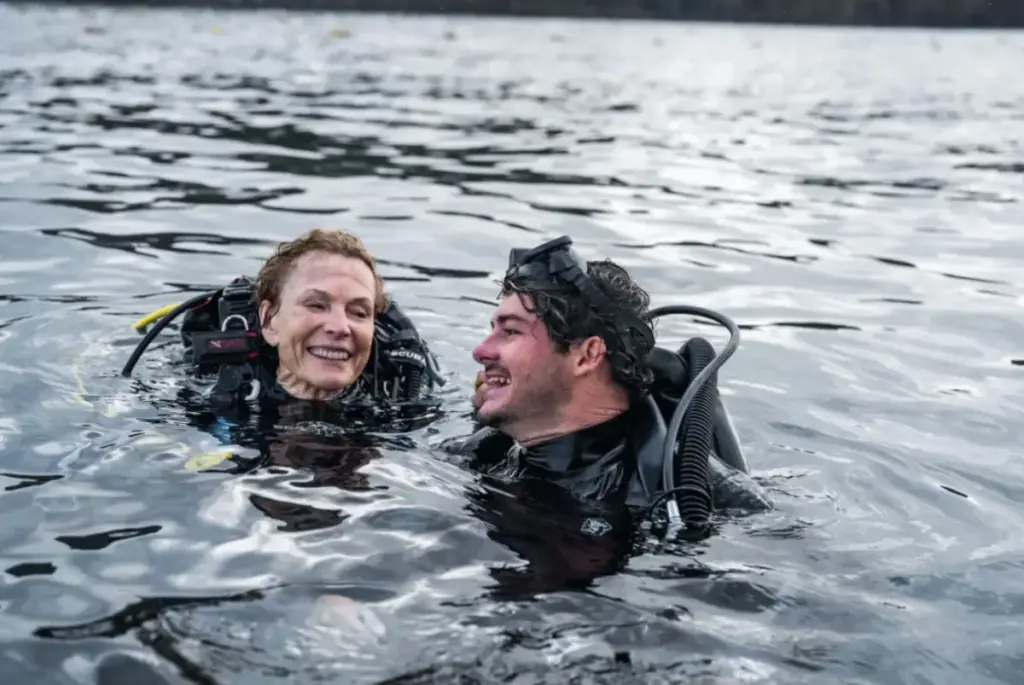
The partnership between Earle and Bernicot crystallized during a joint feature for CNN’s Call to Earth—a multi-platform editorial series dedicated to highlighting conservation heroes and inspiring action to protect the planet. Bringing the 88-year-old pioneer together with the young activist created a powerful visual and philosophical narrative. Their dialogue transcended generational divides, demonstrating that while the tools of conservation have evolved from submersibles and paper charts to AI-driven nurseries and social media campaigns, the core mission remains identical: preserving the blue heart of our planet.
Supporting Context & Metrics: The State of the Global Ocean
To fully appreciate the urgency of the five solutions proposed by Earle and Bernicot, it is necessary to examine the empirical data regarding the current health of the marine environment. The metrics compiled by international scientific bodies paint a grim picture of systemic decline, but they also highlight specific areas where targeted intervention can yield dramatic recoveries.
1. The Coral Crisis and Marine Heatwaves
Coral reefs cover less than 0.1 percent of the ocean floor, yet they support an estimated 25 percent of all marine life and provide ecosystem services—including coastal protection, fisheries support, and tourism revenue—valued at trillions of dollars annually.
- Global Bleaching Events: According to the National Oceanic and Atmospheric Administration (NOAA) and the International Coral Reef Initiative (ICRI), the Earth has experienced multiple global mass coral bleaching events (in 1998, 2010, 2014–2017, and an unprecedented ongoing global bleaching event spanning 2023–2024).
- Mortality Rates: Scientists warn that if global temperature increases exceed 1.5°C above pre-industrial levels, up to 90 percent of all tropical coral reefs could be lost by 2050. Even under a 1.2°C warming scenario, the vast majority of warm-water corals face severe, recurrent mortality.
2. Overfishing and Marine Biodiversity Loss
Industrial fishing fleets operate across vast swaths of the high seas, often heavily subsidized by governments and utilizing destructive practices such as bottom trawling, which devastates benthic habitats.
- Depleted Stocks: The Food and Agriculture Organization (FAO) of the United Nations reports that more than 35 percent of global fish stocks are currently overfished, biologically unsustainable levels.
- Bycatch: Unintentional catch—including endangered sea turtles, marine mammals, and sharks—kills hundreds of thousands of marine animals annually, disrupting complex trophic webs.
3. Ocean Acidification and Carbon Sequestration
The ocean acts as the Earth’s primary carbon sink, having absorbed approximately 25 to 30 percent of all anthropogenic carbon dioxide emissions and over 90 percent of the excess heat generated by global climate change.
- Chemical Alteration: This massive absorption has lowered the average pH of surface ocean waters by about 0.1 units since the Industrial Revolution—a 30 percent increase in acidity. This process dissolves calcium carbonate structures, making it exceedingly difficult for corals, clams, oysters, and certain plankton species to build and maintain their shells.
The Five Solutions for a Healthier Ocean
Synthesizing their decades of combined experience, Dr. Sylvia Earle and Titouan Bernicot outlined five actionable, interconnected strategies to halt marine degradation and foster ecological recovery.
+-------------------------------------------------------------------------+
|                  THE EARLE-BERNICOT CONSERVATION FRAMEWORK              |
+-----------------------------------+-------------------------------------+
| 1. Supporting Local Leaders       | Empowering indigenous and coastal   |
|                                   | communities as primary stewards.    |
+-----------------------------------+-------------------------------------+
| 2. Expanding Public Participation | Democratizing conservation through  |
|                                   | citizen science and digital access. |
+-----------------------------------+-------------------------------------+
| 3. Harnessing Technology          | Deploying AI, genomics, and         |
|                                   | automated coral nurseries.          |
+-----------------------------------+-------------------------------------+
| 4. Protecting Whole Ecosystems    | Moving beyond single-species models |
|                                   | to defend entire interconnected     |
|                                   | habitats (Hope Spots).              |
+-----------------------------------+-------------------------------------+
| 5. Recognizing Human Survival     | Reframing ocean protection as an    |
|   Ties to the Ocean               | essential strategy for our own      |
|                                   | continued existence.                |
+-----------------------------------+-------------------------------------+
1. Empowering and Supporting Local Leaders
Top-down conservation policies devised in distant capitals frequently fail because they lack local buy-in and ignore traditional ecological knowledge. Earle and Bernicot emphasize that the most effective guardians of marine ecosystems are the people who live along the coasts.
- Indigenous Stewardship: Indigenous communities have managed marine resources sustainably for millennia. Supporting local leaders means providing them with legal land and water tenure, financial resources, and enforcement capabilities to protect their traditional waters from illegal industrial encroachment.
- Community-Based Management: By vesting authority in local communities, conservation projects gain cultural resonance and long-term viability, ensuring that economic development and environmental protection go hand in hand.
2. Expanding Opportunities for Public Participation
Conservation cannot remain the exclusive domain of academic scientists and policy elites. To save the ocean, society must cultivate a mass movement of active participants.
- Citizen Science: Programs that train recreational scuba divers, snorkelers, and beachgoers to monitor water quality, track invasive species, and report bleaching events provide invaluable data to researchers while fostering a deep personal connection to the sea.
- Democratizing Advocacy: Through digital platforms, organizations like Coral Gardeners have proven that individuals thousands of miles from the nearest coral reef can adopt corals, track their growth, and participate meaningfully in global conservation campaigns.
3. Harnessing Cutting-Edge Technology
While traditional conservation relied on patience and manual labor, the sheer scale and speed of modern environmental crises require technological innovation.
- Super-Corals and Genomics: Scientists and technicians are utilizing selective breeding and genetic sequencing to identify and propagate "super-corals"—strains that exhibit higher resistance to marine heatwaves and ocean acidification.
- AI and Automated Monitoring: Coral Gardeners and similar organizations deploy underwater cameras, artificial intelligence algorithms, and acoustic sensors to monitor reef health in real time, tracking growth rates, pest infestations (such as crown-of-thorns starfish), and recovery metrics without constant manual intervention.
4. Protecting Whole Ecosystems ("Hope Spots")
For decades, marine conservation focused on protecting isolated species or small, fragmented patches of habitat. Dr. Sylvia Earle’s foundational concept of "Hope Spots"—large, ecologically significant areas of the ocean championed by Mission Blue—advocates for a holistic approach.
- Ecosystem-Level Protection: Protecting whole ecosystems means safeguarding the complex web of interactions between apex predators, herbivores, reef structures, and pelagic currents.
- Global Targets: The international community has increasingly rallied around the "30×30" goal—protecting 30 percent of the world’s land and ocean by 2030. Designating and effectively managing these areas as fully or highly protected marine reserves is critical for rebuilding depleted fish stocks and restoring ecological resilience.
5. Recognizing That Protecting the Ocean Means Protecting Ourselves
The most profound takeaway from the Earle-Bernicot collaboration is a philosophical and practical reframing of conservation. For too long, environmental protection has been viewed as a charitable hobby or a luxury secondary to economic development.
- The Life-Support System: The ocean is not merely a scenic backdrop or a resource to be harvested; it is Earth’s primary life-support system. It regulates global weather patterns, sequesters carbon, and provides sustenance for billions of people.
- The Ultimate Self-Interest: As Dr. Earle frequently notes, "With every drop of water you drink, every breath you take, you’re connected to the sea." Damaging the ocean is, by definition, an act of self-harm. Recognizing this fundamental truth is the ultimate key to systemic change.
Official Statements and Expert Analysis
The insights shared by Dr. Earle and Titouan Bernicot during their CNN feature have reverberated across the international marine science and conservation communities, drawing commentary from leading environmental policymakers and researchers.
"We are at a unique juncture in human history. We have more knowledge, more technology, and more awareness than at any time in the past—yet we are losing the natural systems that keep us alive faster than ever before. The ocean is telling us a story, and if we do not listen, the consequences will be absolute."
— Dr. Sylvia Earle, Founder of Mission Blue and Legendary Oceanographer
Dr. Earle’s emphasis on systemic urgency is echoed by marine biologists who study the cascading effects of climate change. Dr. Jennifer Smith, a marine ecologist at the Scripps Institution of Oceanography, noted that the integration of youth-led activism with legacy science is precisely what the field has been missing.
"Traditional academic institutions have historically been slow to adapt to the blistering pace of climate change. When young innovators like Titouan bring agile, tech-driven approaches to the table, backed by the scientific gravitas of figures like Sylvia, we create a formidable engine for change. It bridges the gap between despair and tangible action."
— Titouan Bernicot, Founder of Coral Gardeners
Bernicot’s focus on community engagement has also garnered praise from international bodies focused on sustainable blue economies. Representatives from the United Nations Environment Programme (UNEP) have pointed to the Coral Gardeners model as a prime example of how decentralized, tech-enabled grassroots initiatives can complement intergovernmental frameworks such as the UN Decade of Ocean Science for Sustainable Development (2021–2030).
Future Outlook: The Road to 2030 and Beyond
As the global community looks toward the critical milestone of 2030—the target year for the Kunming-Montreal Global Biodiversity Framework’s 30×30 initiative—the imperative for concerted, intergenerational action has never been clearer.
The Policy Horizon
Translating the five-point framework of Earle and Bernicot into binding international policy will require unprecedented cooperation among nation-states, corporate entities, and civil society. Key areas for future policy development include:
- Ratification of the High Seas Treaty: Ensuring the swift implementation of the UN Biodiversity Beyond National Jurisdiction (BBNJ) Treaty to establish marine protected areas in international waters.
- Fossil Fuel Phase-Out: Acknowledging that marine conservation is fundamentally intertwined with climate mitigation; local reef restoration cannot succeed in an ocean subjected to unchecked warming and acidification.
- Reform of Harmful Subsidies: Redirecting billions of dollars in government subsidies currently flowing to industrial overfishing fleets toward sustainable aquaculture, community-led fisheries management, and marine restoration projects.
The Role of Corporate Responsibility and Innovation
The private sector must also evolve. Corporations operating in maritime transport, tourism, coastal development, and finance are increasingly recognizing that long-term profitability depends on stable, healthy ecosystems. Partnerships between tech startups, marine research institutions, and corporate ESG (Environmental, Social, and Governance) initiatives will likely drive the next wave of funding for scalable ocean restoration technologies.
Conclusion: A Call to Action
The dialogue between Dr. Sylvia Earle and Titouan Bernicot captured by CNN’s Call to Earth serves as both a sobering diagnosis of our planet’s current condition and an inspiring roadmap for recovery. It reminds us that while the challenges facing the global ocean are monumental, human ingenuity, resilience, and solidarity are equally potent forces.
The tide can still be turned. But doing so requires abandoning the false dichotomy between human prosperity and environmental protection. As these two generational leaders demonstrate, saving the ocean is not a task for someone else, somewhere else, at some future date—it is the defining imperative of our time, demanding the active participation of every citizen of planet Earth.
For an in-depth exploration of these solutions and to watch the full feature, visit the official CNN Call to Earth special coverage.