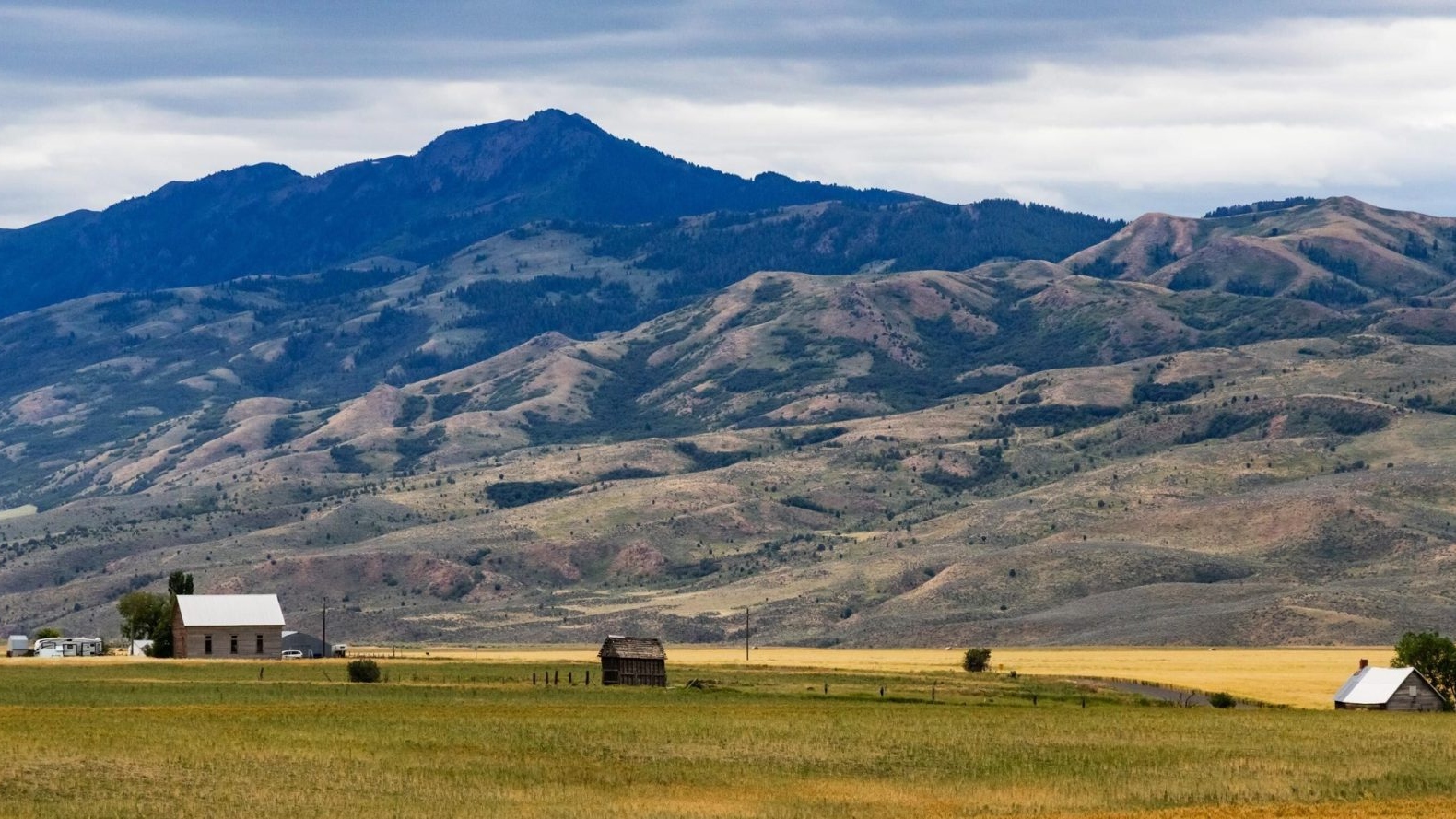
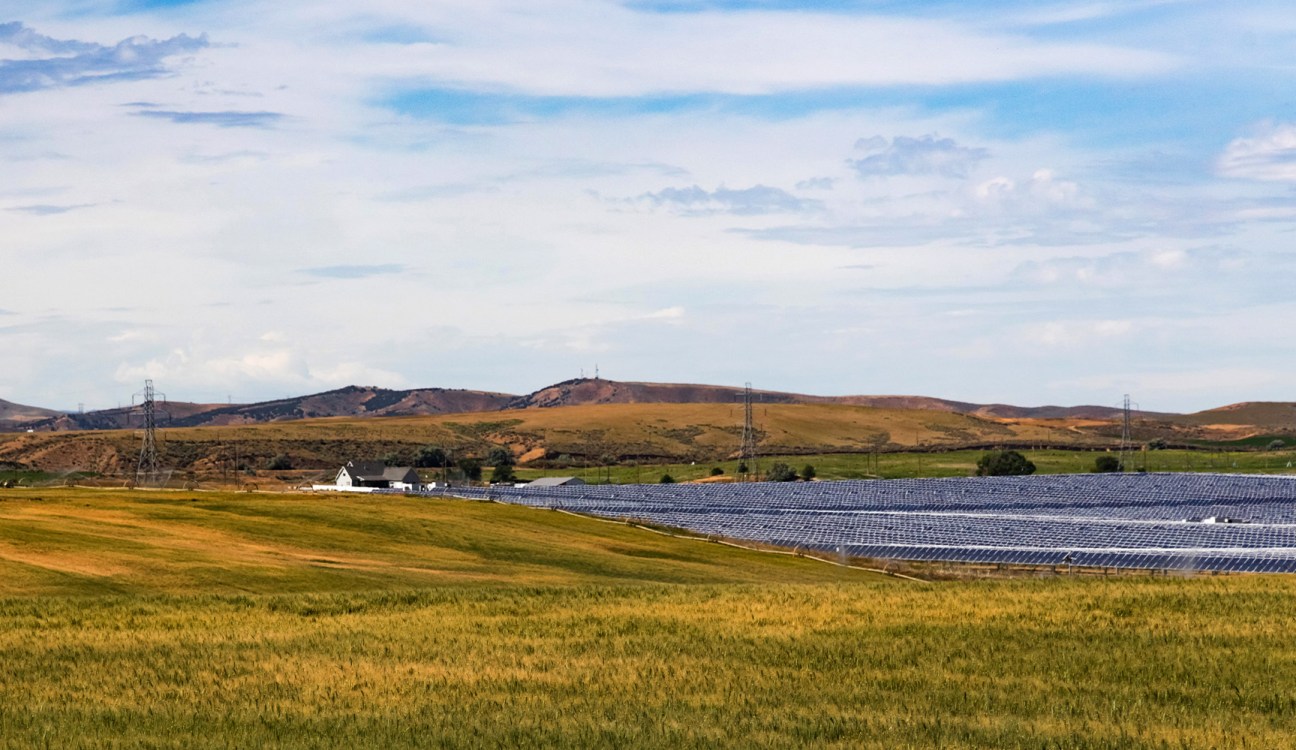
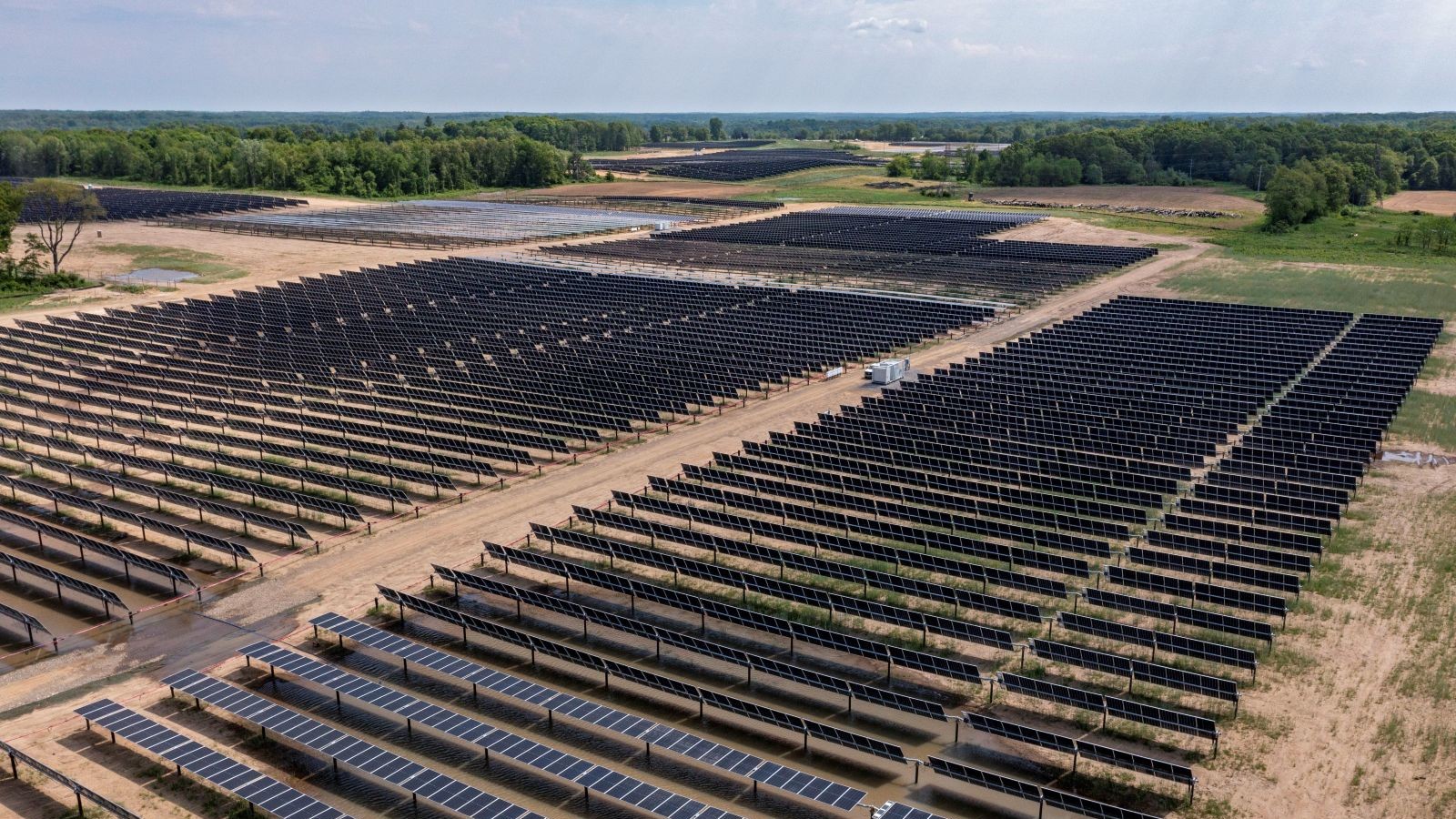
Nestled in a sprawling valley a few hours north of Salt Lake City, Idaho’s Bannock County has become an unlikely battleground in America’s sweeping energy transition. In March 2024, the three-person county commission narrowly passed an ordinance banning utility-scale solar and wind developments, bowing to fierce local pushback and deep-seated anxieties over rural preservation.
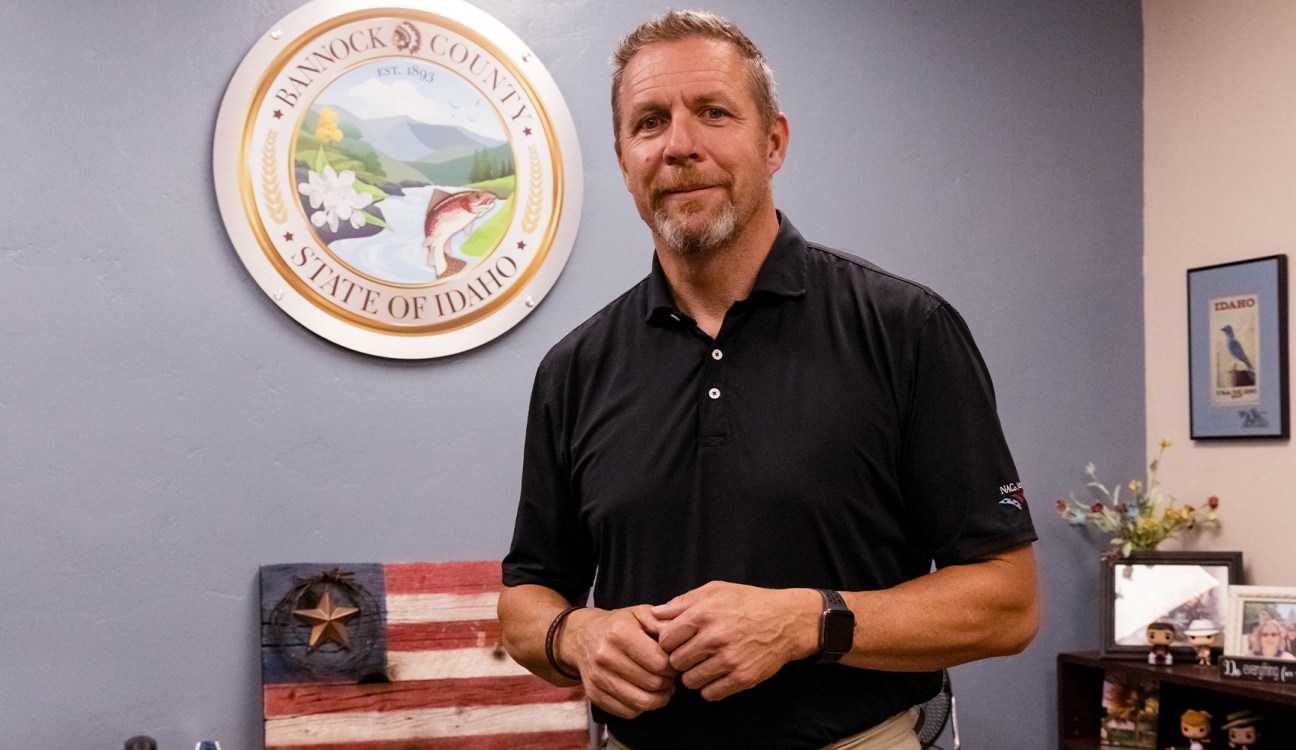
Today, that defensive posture is cracking. Jeff Hough—who cast the lone dissenting vote in 2024 and has since ascended to commission chair—is spearheading an effort to overturn the ban. Later this fall, the commission will consider a revised land-use ordinance that would welcome back solar and wind, alongside advanced nuclear energy.
Bannock County’s internal tug-of-war mirrors a broader national trend. According to data from the Sabin Center for Climate Change Law at Columbia University and USA Today, nearly one in four U.S. counties implemented bans, moratoriums, or structural impediments to clean energy by 2025—up significantly from 15 percent in 2023. More than 60 percent of these restrictions are concentrated in rural America.
Yet, as climate change intensifies historical droughts, family farms struggle to stay afloat, and local populations stagnation leaves rural services dwindling, communities like Bannock County are forced to re-evaluate the true cost of saying no to clean energy. With Idaho Power projecting a staggering 1 gigawatt—or 26 percent—jump in electricity demand by 2030, the question facing Bannock County is no longer just local aesthetics; it is a fundamental test of economic survival, property rights, and regional grid reliability.
Detailed Chronology: From First Sparks to a Divided County
The seeds of the Bannock County controversy were sown in the fall of 2023, setting off a rapid chain of events that polarized a quiet agricultural region.
Fall 2023: Fresh from an Idaho Association of Counties conference in Boise—where the massive, 1-gigawatt Lava Ridge Wind Project dominated discussions about local pushback—County Commissioner Jeff Hough realized Bannock County lacked any comprehensive regulatory framework for energy development. Realizing developers like Hecate Energy and Balanced Rock Power were already quietly approaching local landowners, Hough spearheaded a unanimous six-month emergency moratorium on large-scale energy projects on October 12, 2023. The pause was intended to give the county time to draft responsible regulations.
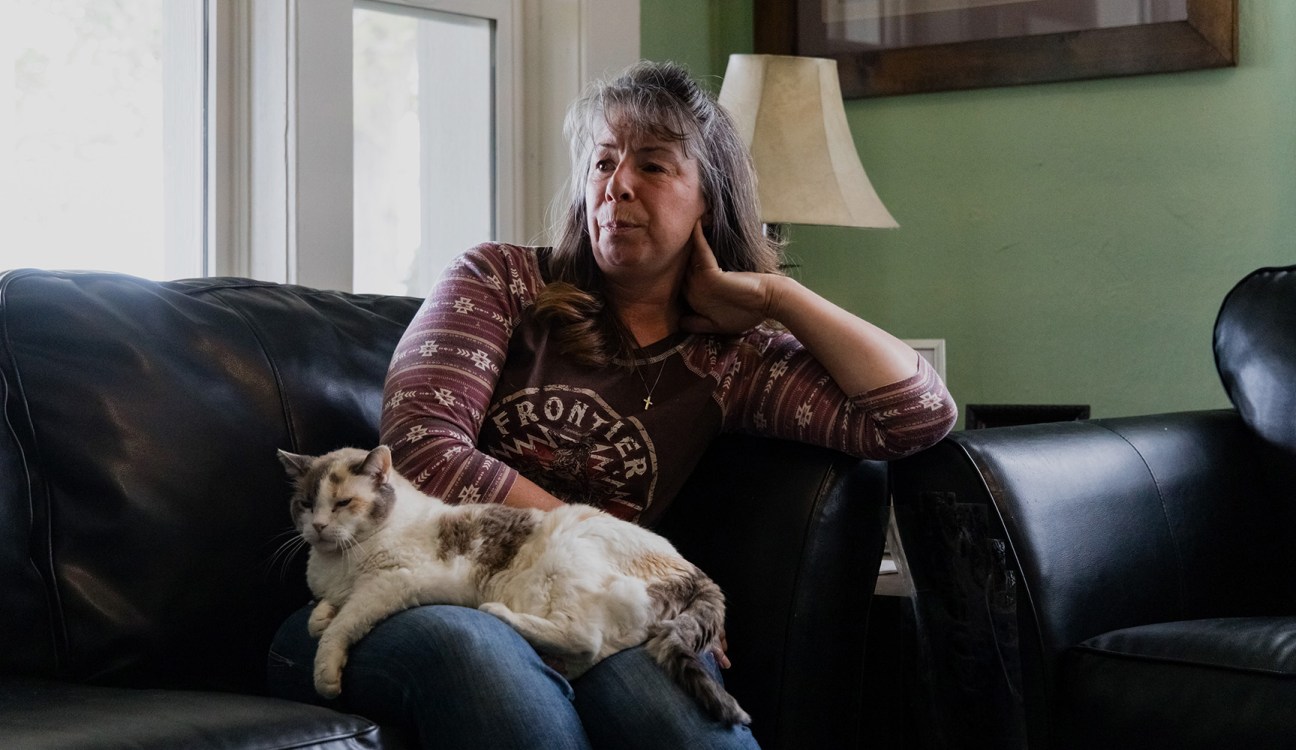
Late 2023 – Early 2024: The temporary moratorium galvanized organized opposition. Longtime residents like Rebecca Falcon and Dez Hauser, approached by developers for the 300-megawatt Harmon Solar Project, mobilized community resistance. Simultaneously, grain farmers and landowners like Dale Lish and Lytton Bastian saw solar leases as an economic lifeline amid tightening groundwater constraints and falling crop yields.
February 2024: Public interest overwhelmed the county courthouse, forcing a public hearing to relocate to a packed high-school auditorium in south Bannock County. Speaker after speaker voiced opposition, setting the stage for a contentious political split.
March 2024: The county commission voted 2–1 to pass an outright ban on utility-scale solar and wind development. Hough stood alone as the dissenting voice, invoking the Declaration of Independence and arguing that sweeping property restrictions violated foundational American ideals.
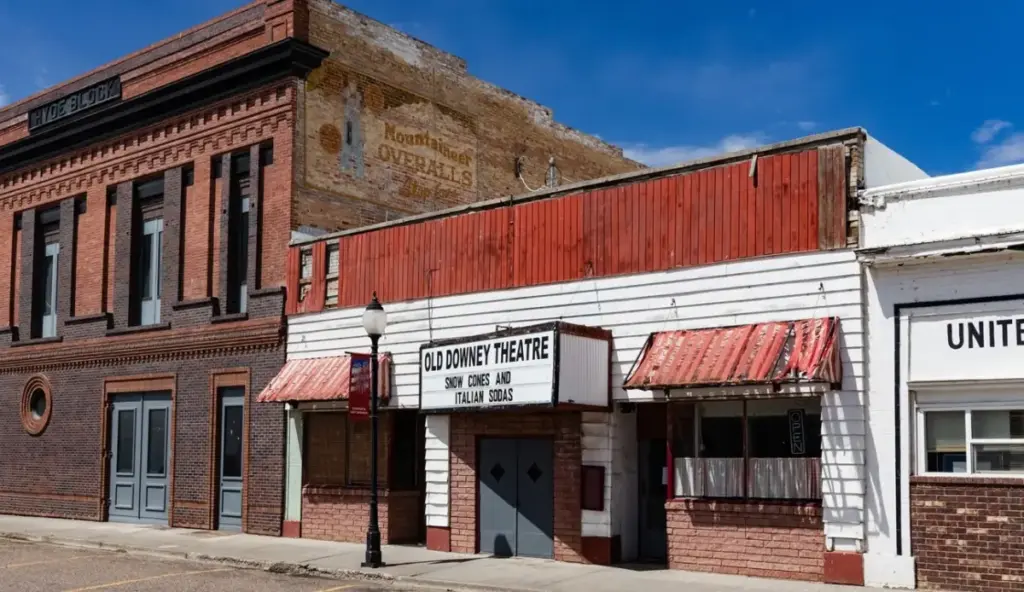
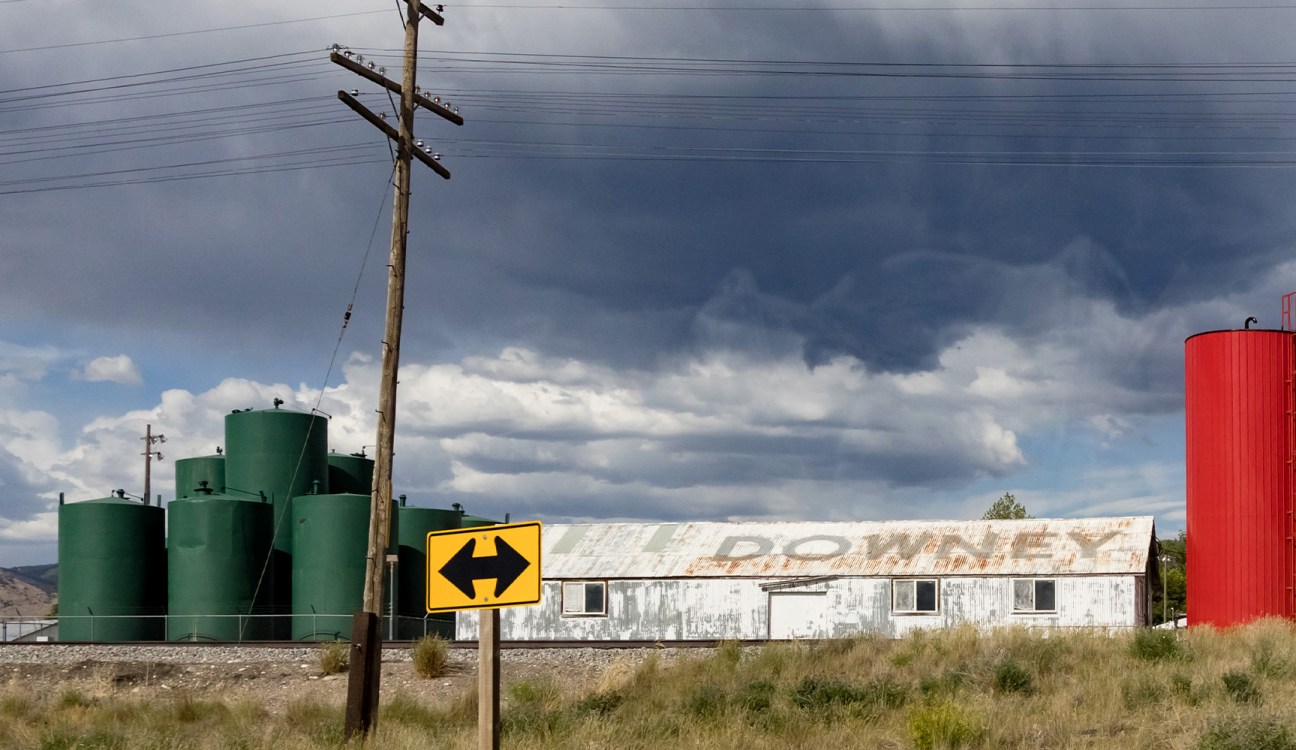
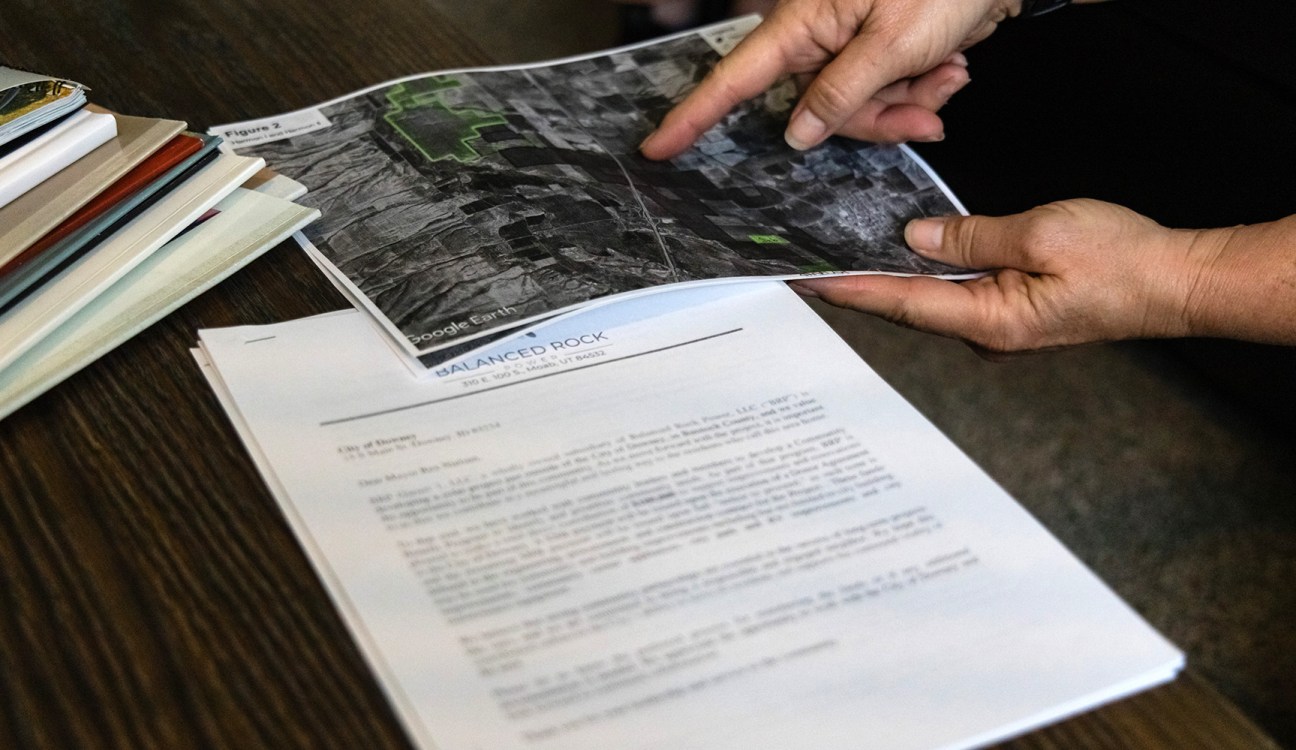
May 2024 – 2025: The political fallout rippled through local elections. While anti-solar sentiments swept precincts in south Bannock County—such as Downey, where a primary challenger nearly unseated Hough—broader countywide support secured Hough’s retention as commission chair. Meanwhile, major developers like Hecate Energy pulled out of the county entirely, and Balanced Rock placed its private land projects on hold while maintaining federal applications.
Fall 2026: Positioned at a regulatory crossroads, Hough and the commission are scheduled to vote on a groundbreaking new land-use ordinance. The draft language lifts the blanket ban, introduces strict decommissioning bonds, requires fire-safety provisions, and explicitly opens the door for solar, wind, and advanced nuclear integration.
Supporting Context & Metrics: The Pressures of a Changing Rural Landscape
To understand why Bannock County is revisiting its hardline stance, one must look closely at the socioeconomic and environmental pressures squeezing rural Idaho.
The Climate and Agricultural Squeeze
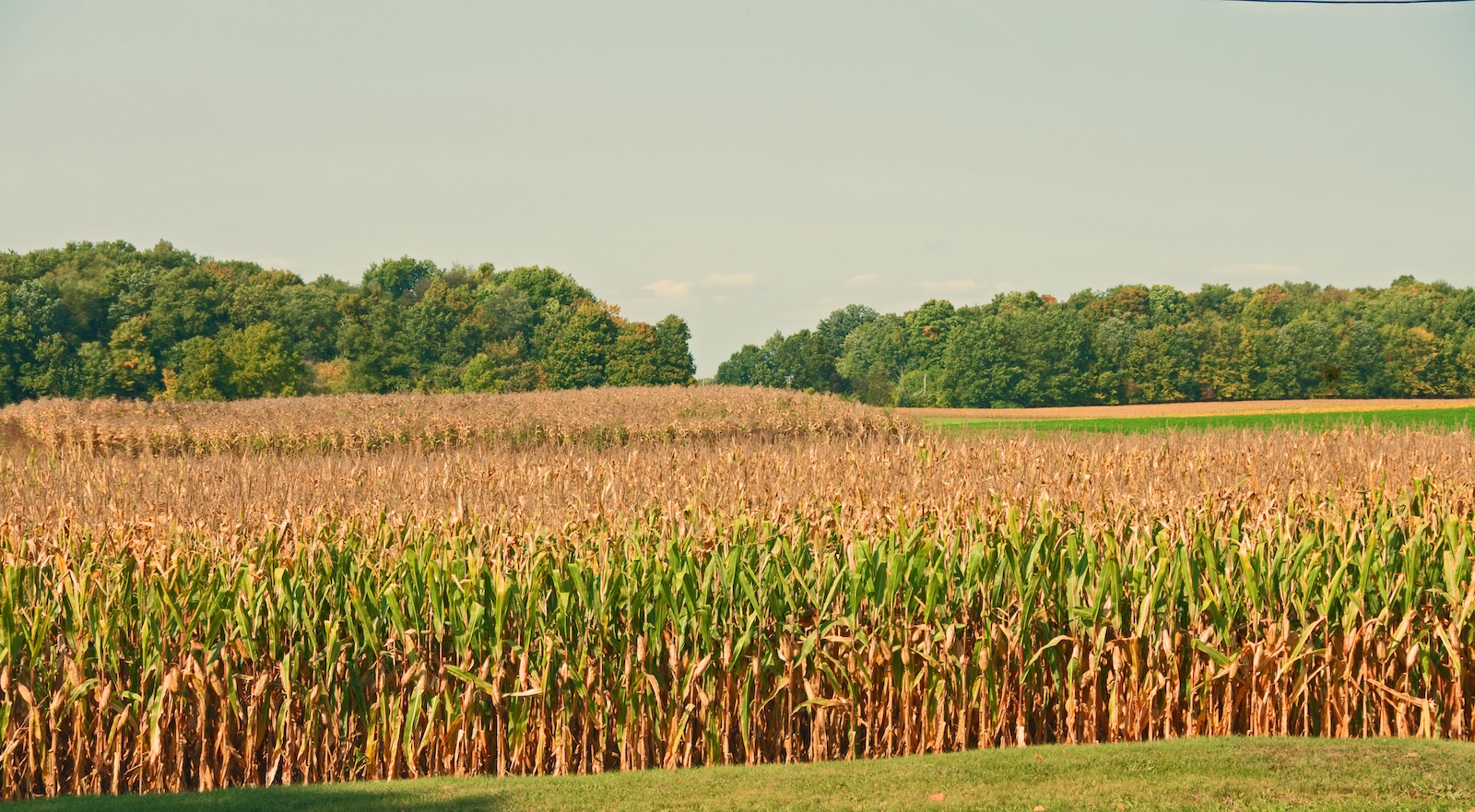
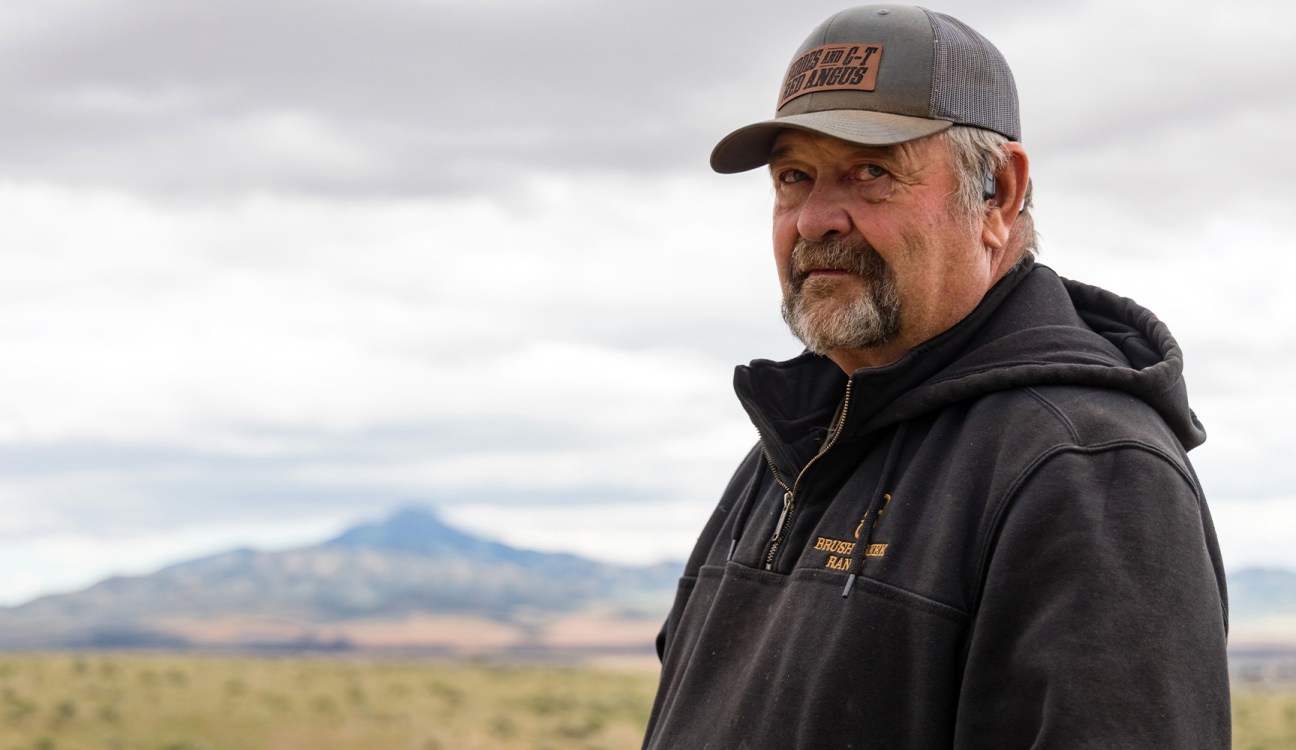
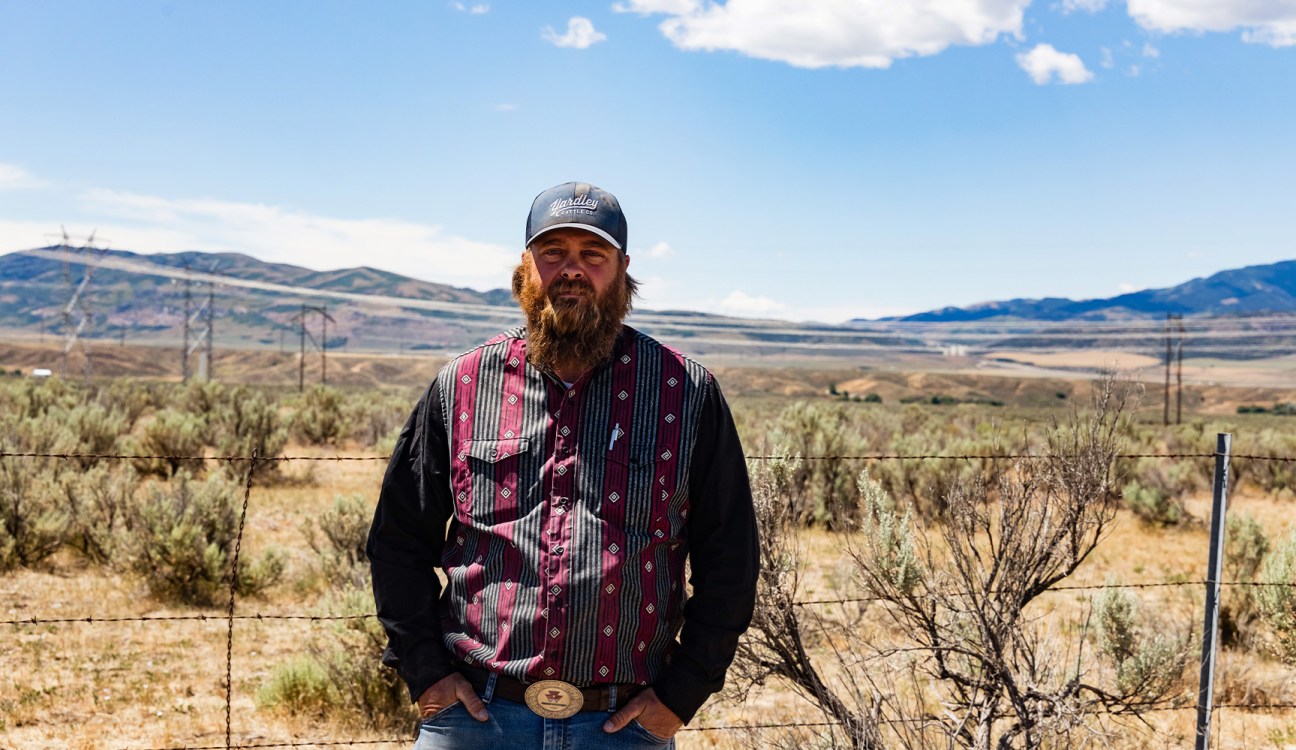
Generational farming families in south Bannock County are facing an existential crisis. Steve Criddle, a third-generation farmer whose family roots in Downey date back to 1876, notes that climate change has drastically reduced winter snowfall and regional moisture. More than 87 percent of the county has faced extreme drought conditions.
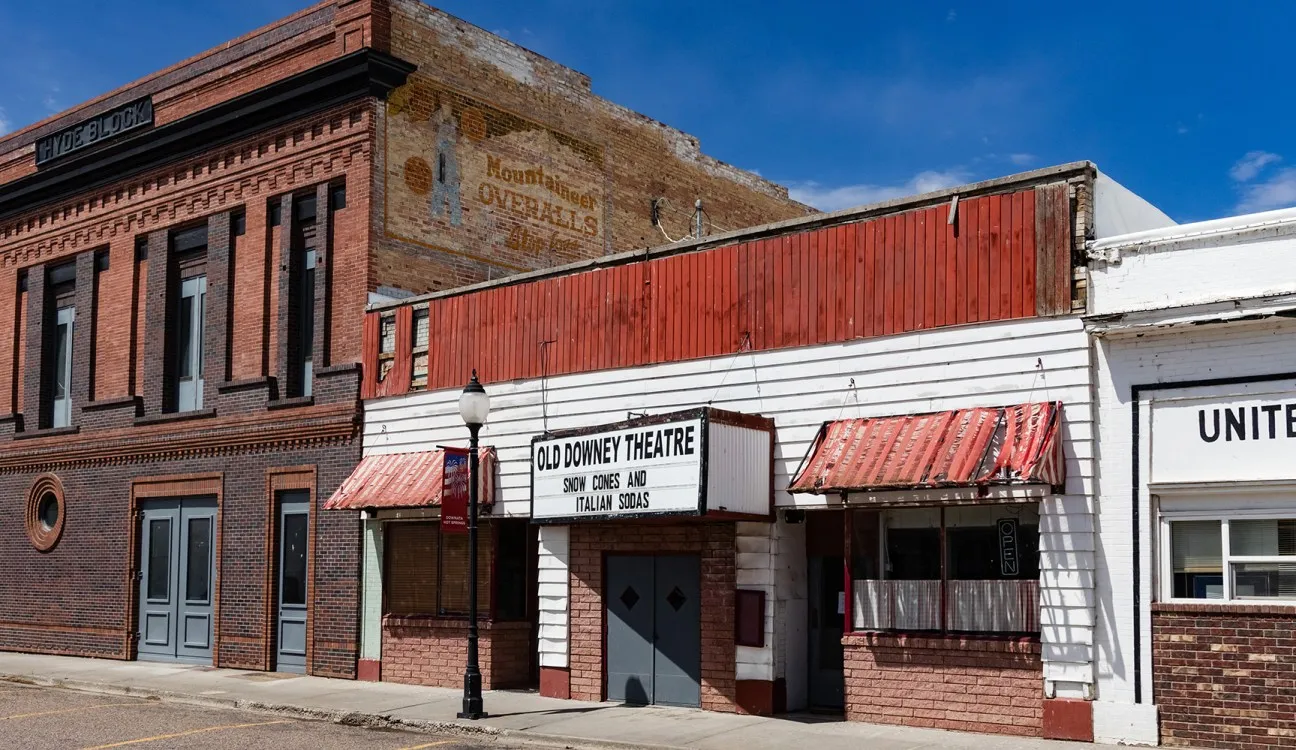
Without sufficient groundwater or reliable rainfall, dryland grain farming is no longer financially viable. Criddle’s alfalfa fields, which historically yielded hundreds of bales of hay, have plummeted to a fraction of that output, forcing him to buy costly feed for his cattle. Small-scale farming is faltering, and as families sell off land or move away, Downey has watched its essential services vanish—including its rural hospital, bank, pharmacy, movie theater, and grocery store.
The Economic Promise of Clean Energy
Proponents of lifting the ban argue that utility-scale energy projects offer a desperately needed economic cushion. Neighboring counties offer compelling proof: in 2024, clean energy projects in Power and Bingham counties generated $909,000 and $639,000 in local tax revenue, respectively.
For individual landowners, the financial contrast is stark. Dale Lish, who signed a temporary lease with Hecate before the ban cratered the contract, noted that solar lease projections offered per-acre incomes four to five times higher than wheat farming alone. Lytton Bastian, who leased 840 acres of his least productive ground to Balanced Rock, argues that utilizing marginal land for energy generation provides the financial security necessary to keep multigenerational farms intact.
Strategic Infrastructure Advantages
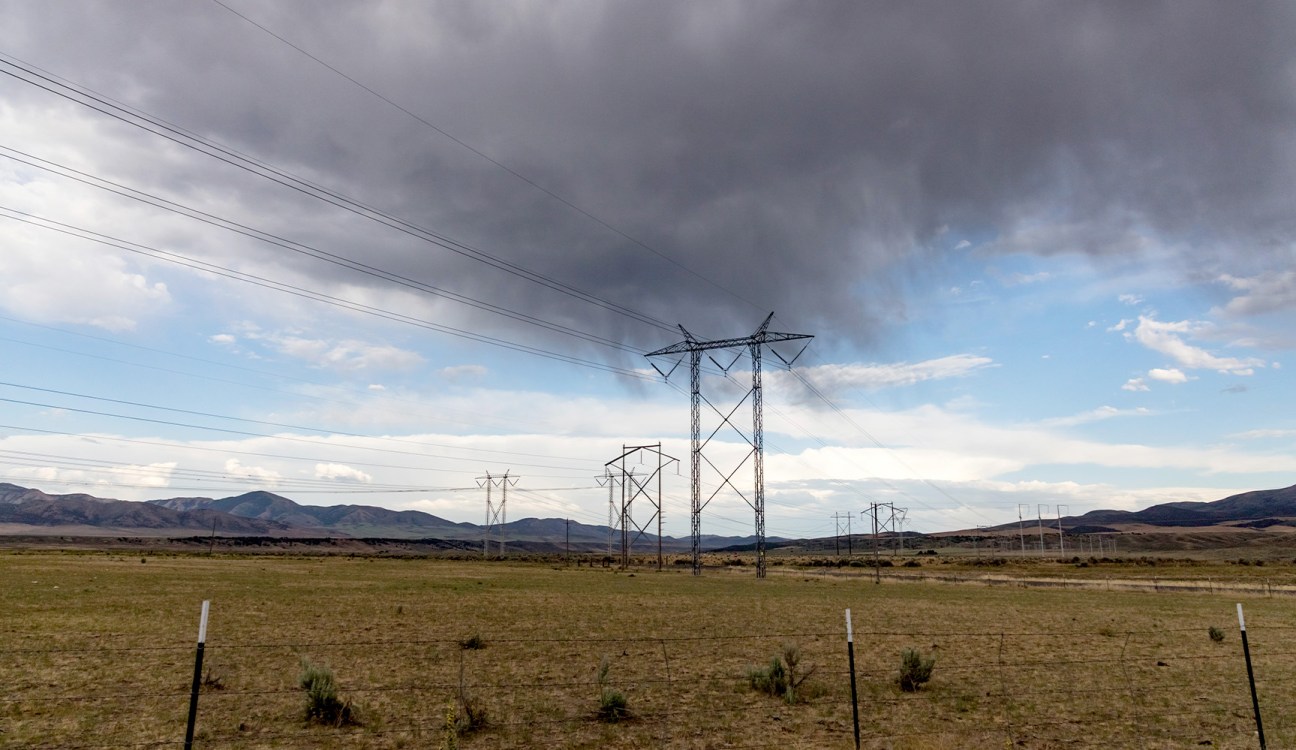
Geographically, Bannock County is uniquely positioned to host power production. It sits near the Populus substation—a critical electrical nexus moving power across Idaho, Utah, Wyoming, and the Pacific Northwest. Furthermore, PacifiCorp’s multi-billion-dollar Energy Gateway project is routing new high-voltage transmission lines directly through the valley. Building generation facilities adjacent to existing substations significantly lowers transmission costs, yielding financial efficiencies that can ultimately benefit regional utility customers.
Official Statements & Stakeholder Perspectives
The debate in Bannock County exposes deep ideological fault lines regarding land stewardship, corporate responsibility, and individual freedom.
"We cannot deny the entire county the opportunity to exercise their property rights. That goes against the principles this country was founded on."
— Jeff Hough, Bannock County Commission Chair
Hough’s libertarian-leaning defense of property rights has put him at odds with many of his rural constituents, but he maintains that rural America must embrace economic evolution to survive.
Opponents, however, view industrial-scale energy development as an incompatible intrusion on their rural heritage.
"The public has a right to know this will change this valley for 50 years. We will have left that mess to our children and grandchildren, because who’s going to guarantee who owns it in 50 years to decommission it and clean it up?"
— Rebecca Falcon, Downey Resident and Anti-Solar Organizer
Falcon and fellow residents like Dez Hauser have raised persistent concerns regarding landscape degradation, agricultural land loss, and emergency response capabilities. In late 2025, volunteer fire departments in Downey and Lava Hot Springs formally warned commissioners that they lacked the specialized equipment and training required to combat high-voltage battery storage fires.
Developers have actively worked to address these concerns. Katarina Bagri, senior development manager at Balanced Rock Power, emphasized that the newly drafted ordinance incorporates rigorous guardrails:
"The draft ordinance stipulates that in order to get projects permitted, developers must pay into a bond and submit a plan for the removal of all energy infrastructure at the end of the project’s lifetime, restoring sites back to as close to preconstruction condition as possible."
Meanwhile, regional utility advocates stress the urgency of expanding the grid. Aaron Menenberg, Idaho policy manager for Renewable Northwest, underscored the broader macroeconomic reality:
"The need to build stuff now is critical to Idaho’s economic future. We can’t afford to say no to anything."
Future Outlook: The Nuclear Compromise and the Path Forward
Even as Bannock County prepares to vote on lifting its renewable energy ban, a fascinating consensus has emerged around an alternative power source: advanced nuclear energy.
In public surveys conducted by the county, over 90 percent of respondents expressed favorable views toward nuclear energy, buoyed by the proximity of the Idaho National Laboratory (INL)—the nation’s leading center for advanced nuclear research—and Bill Gates-backed TerraPower’s construction of a sodium fast reactor just across the border in Kemmerer, Wyoming. For many residents who fiercely oppose solar panels covering thousands of acres of open valley, the prospect of a compact, semi-truck-sized nuclear microreactor situated on a fraction of that footprint is deeply appealing.
However, energy experts urge caution regarding the immediate viability of Small Modular Reactors (SMRs). With only two next-generation nuclear projects possessing construction permits and virtually no commercial operational history in the United States outside of experimental facilities, widespread SMR deployment remains years—if not a decade—away.
Recognizing this timeline, Commissioner Hough maintains a pragmatic view:
"Everybody’s claiming nuclear is the future, which it is, but nuclear is 10 years away, maybe, so you’ve got to have something to help get you there."
As the Bannock County Commission prepares for its crucial vote this fall, the eyes of rural America are fixed on southern Idaho. Whether the county successfully bridges the divide between agricultural preservation and clean energy expansion will serve as a bellwether for rural communities nationwide grappling with how to power the future without sacrificing their past.