

Executive Overview
The summer of 2026 will be remembered not merely as uncomfortably hot, but as a chilling historical watershed. Across the globe, nations registered their highest average temperatures and humidity levels in recorded history. Western Europe, in particular, became the epicenter of a climatic siege, enduring five grueling, back-to-back heat waves that fundamentally altered landscapes, strained municipal infrastructure to its breaking point, and overwhelmed emergency medical services.
Yet, according to the World Health Organization (WHO), this unprecedented season of thermal extremes was merely a "dress rehearsal."
Driven by the convergence of human-caused greenhouse gas emissions and a rapidly strengthening El Niño cycle—projected to be the most powerful in a millennium—Earth is hurtling past critical planetary boundaries. A landmark United Nations report released in late 2025 and updated through 2026 confirms that humanity is all but certain to overshoot the Paris Agreement’s ambitious 1.5-degree Celsius (2.7-degree Fahrenheit) warming threshold within the next few years.
As global temperatures edge toward an estimated current warming level of 1.4 degrees Celsius above preindustrial baselines, scientists, public health officials, and disaster management experts are sounding the alarm. Societies worldwide are failing to adapt at the pace required to match the velocity of climate change. With 2027 tracking to become the hottest year on record, the question facing global leaders is no longer whether we can prevent climate change, but whether human civilization can survive the rapid acceleration of its consequences.
Detailed Chronology: A Summer of Fire, Drought, and Despair
The timeline of the 2026 European summer offers a terrifying glimpse into a destabilized climate future. The crisis unfolded in rapid, compounding phases, leaving governments scrambling to respond to cascading ecological and societal failures.
The Onset of the Heat Waves (Late Spring to Early Summer)
Unusual warmth gripped the European continent well ahead of the traditional meteorological summer window, signaling that historical weather patterns had broken down entirely. By late June, the first severe heat wave had descended upon Western Europe. Unlike typical seasonal warmth, these early spikes featured unprecedented humidity and suffocating nighttime temperatures that denied human bodies any natural thermal respite.
Parched Earth and Expanding Wildfires
As the onslaught continued through July, successive heat waves baked the continent. The extreme thermal stress sucked vital moisture directly out of the soil, triggering severe, widespread agricultural droughts. Lush agricultural landscapes and dense forests were rapidly transformed into tinderboxes. The European Forest Fire Information System reported extraordinary wildfire activity, as parched vegetation fueled ferocious blazes that forced mass evacuations across multiple regions in Southern and Central Europe.
Shrunken Waterways and Infrastructure Stress
Simultaneously, major European river systems—including the Rhine, Danube, and Po—shrank drastically. Water levels fell so low that commercial shipping lanes were severely restricted, and ecosystems collapsed as fish populations ran out of oxygenated water. Municipalities faced drinking water shortages, and energy production plummeted as nuclear and thermal power plants lacked sufficient cooling water.
The August Mortality Crisis
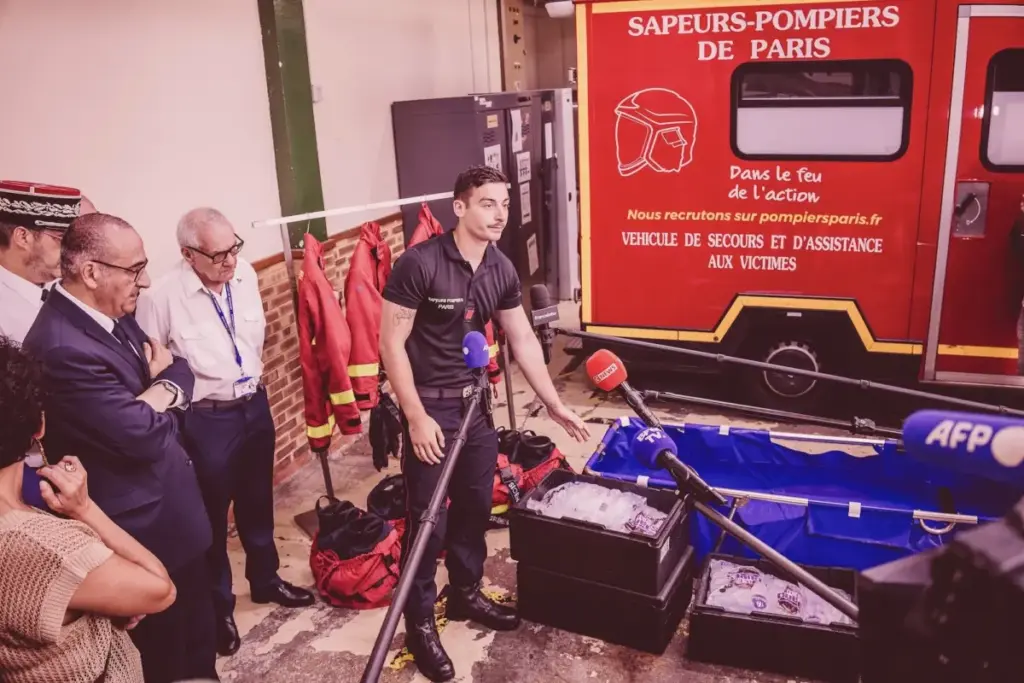
By August, the cumulative impact of four consecutive heat waves resulted in a catastrophic public health crisis. Emergency rooms were flooded with patients suffering from heat stroke, dehydration, and acute cardiovascular failure. Ambulances queued outside hospitals in major urban centers like Paris, Madrid, and Rome.
Preliminary mortality assessments revealed at least 35,000 excess deaths directly tied to the first four heat waves alone, affecting roughly half of the European continent. This grim statistic underscored a sobering reality: even advanced, wealthy nations were utterly unprepared for the scale and duration of the thermal assault.
Supporting Context & Metrics: The Physics of an Overheated Planet
To understand why the summer of 2026 was so catastrophic, one must examine the convergence of two major climatic drivers: El Niño and relentless anthropogenic global warming.
The Millennium El Niño
El Niño is a natural climate pattern characterized by the warming of surface waters in the central and eastern tropical Pacific Ocean, injecting massive amounts of heat into the global atmosphere every two to seven years. The cycle entering its peak phase in 2026-2027 is not ordinary; climate scientists at the United Nations have classified it as a "super El Niño," tracking to be the strongest in over a thousand years. When this massive natural heat engine combines with the baseline warming of the planet, global temperatures are supercharged.
The Greenhouse Gas Burden
Underpinning this cyclical spike is the relentless accumulation of heat-trapping greenhouse gases in Earth’s atmosphere. Despite decades of international climate negotiations and the 2015 Paris Agreement—where nearly every nation voluntarily committed to limiting global warming to well below 2 degrees Celsius, with an ideal target of 1.5 degrees C—global emissions have continued to hover near historic highs.
The latest U.N. environment reports indicate that humanity has burned through the carbon budget required to keep long-term warming stabilized at 1.5 degrees C. The updated best-case mitigation scenarios now project that global temperatures will peak at approximately 1.8 degrees C before intensive carbon removal and decarbonization efforts can theoretically bring averages back down.
The Lowered Threshold of Human Tolerance
Compounding these statistical metrics is a terrifying biological truth: the human body has strict physiological limits. Recent scientific research indicates that the threshold at which heat becomes directly hazardous to human health is significantly lower than previously understood.
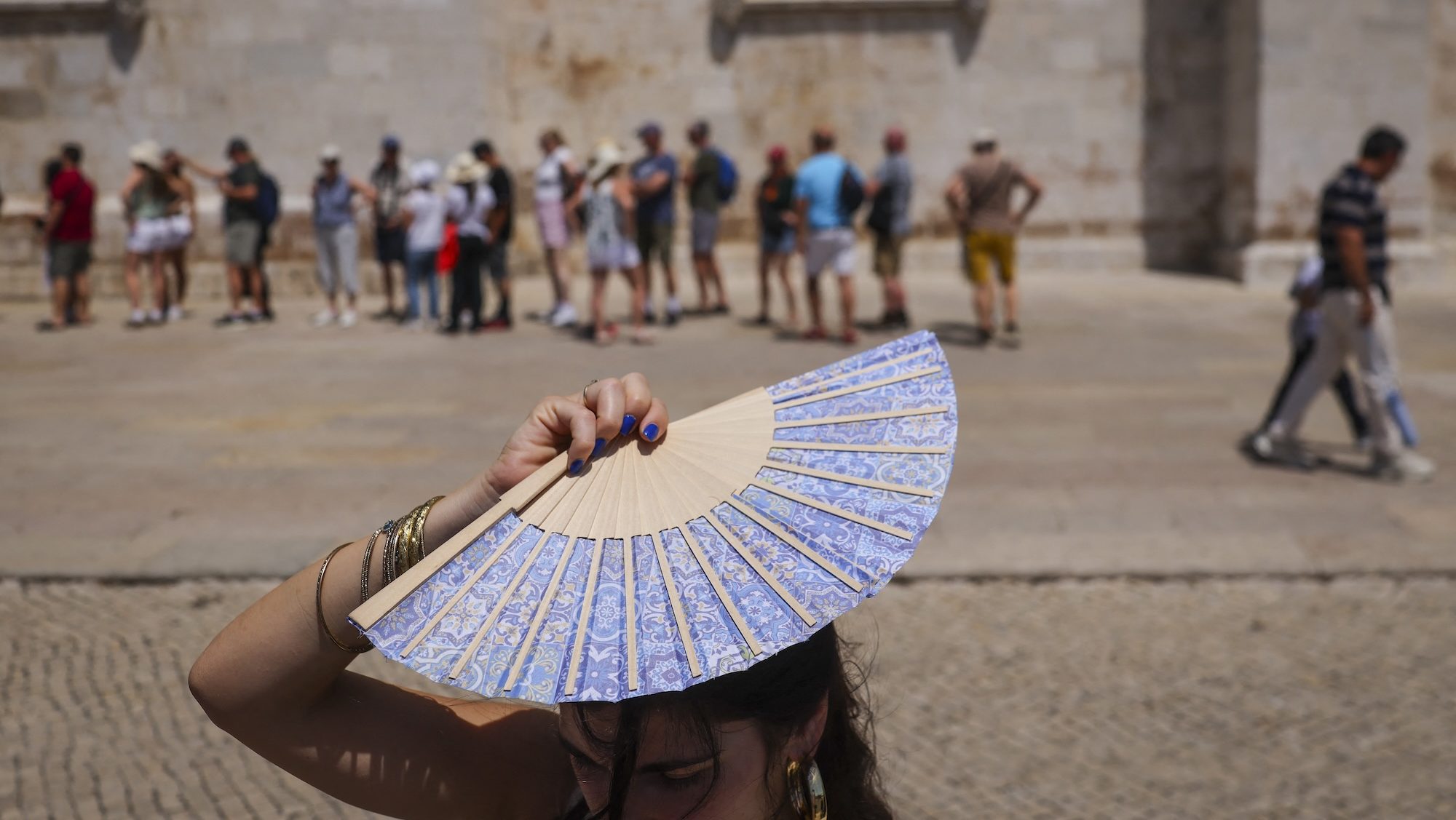
When high temperatures combine with high humidity—measured via wet-bulb temperature metrics—the human body loses its ability to cool itself through perspiration. Danger zones can trigger thermal stress and organ failure at temperatures as low as 26 degrees Celsius (79 degrees Fahrenheit). At 1.4 degrees C of current global warming, vital organs such as the heart, lungs, and kidneys are routinely subjected to lethal amounts of stress during extended heat events.
Official Statements and Expert Insights
The psychological and political shockwaves of the 2026 summer have prompted candid evaluations from the global scientific community. The myth that moderate levels of climate change would remain manageable or "safe" has been thoroughly dismantled.
-
On the Illusion of Safety:
Kristie Ebi, a lead author of the recent U.N. climate reports and a professor of global health at the University of Washington, reflected on the original ambitions of the Paris Agreement:"When 1.5 was decided, there was an assumption that 1.5 degrees C above preindustrial temperatures would be relatively safe. And I would say, today, that Europe does not think 1.4 degrees is relatively safe. For most of the U.S., it does not feel like 1.4 is relatively safe."
-
On the Limits of Adaptation:
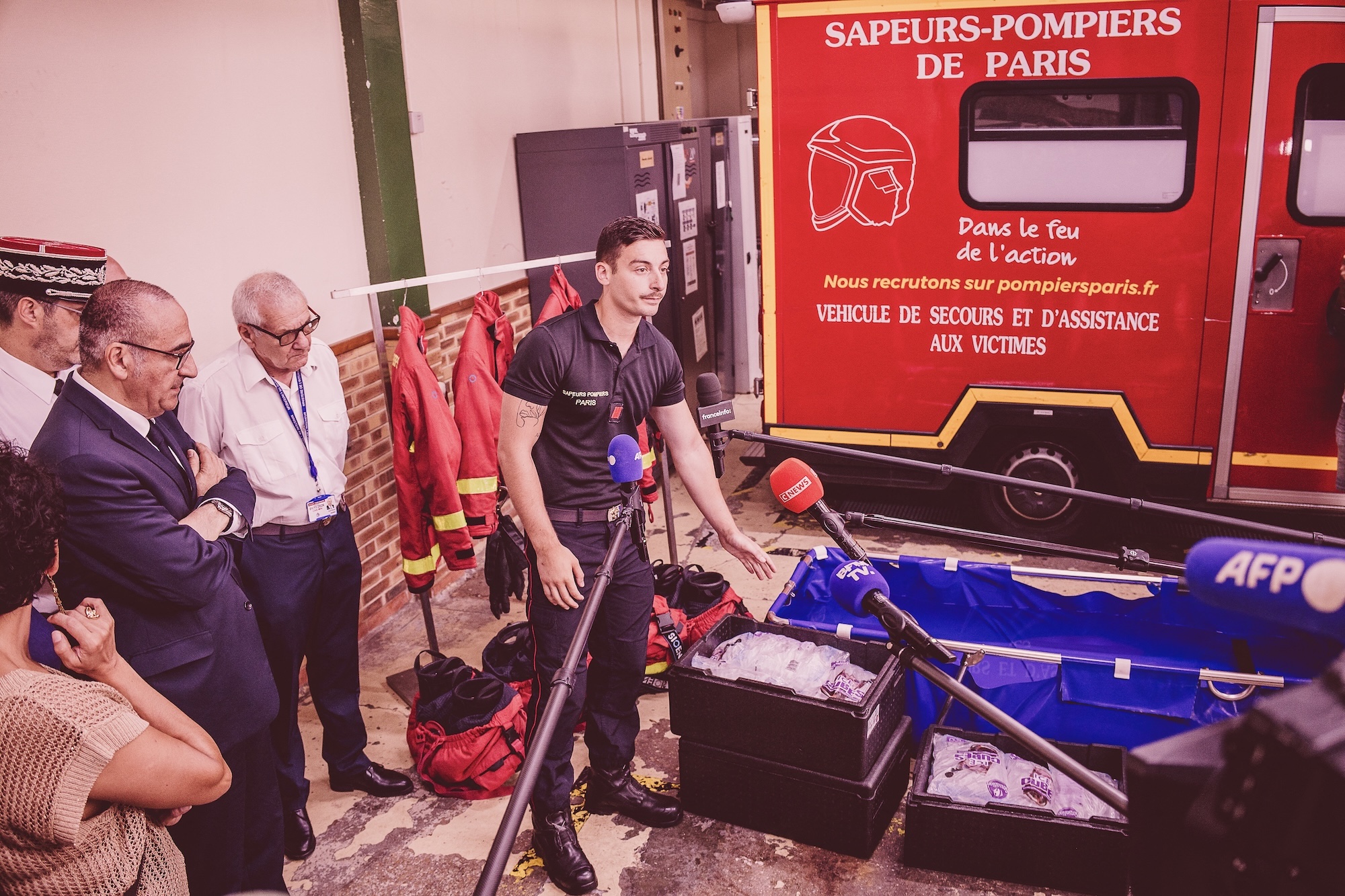
While nations like France made remarkable strides following the devastating 2003 European heat wave—which claimed 70,000 lives—by mandating air conditioning in nursing homes, establishing urban green spaces, and organizing health worker check-ins for the elderly, experts warn that these measures have a hard ceiling. Christopher Callahan, a climate scientist at Indiana University who studies heat, health, and economics, noted:"A given heat wave is now actually much less deadly in France than it was before. Still, the world is already at 1.4 degrees C of warming and counting… the heat waves will become so intense that they will sort of outstrip that adaptation progress."
Callahan’s research indicates that current rates of societal adaptation would only prevent about 1 in 10 deaths projected under extreme future warming scenarios. Public health frameworks simply cannot scale fast enough to handle out-of-season, record-shattering thermal domes.
-
On the Need for Extreme Stress-Testing:
Ebi argues that global governance must fundamentally shift how it conceptualizes disaster preparedness. Rather than reacting to historical baselines, institutions must adopt the methodologies used by financial and military entities:"There really is nowhere that is terribly well adapted to these very extreme events. It’s important to stress-test possible disaster scenarios, just as banks and militaries conjure worst-case scenarios to see how they’d play out and better prepare for them. Otherwise, communities will be forced to discover the devastating effects of extreme heat in real time."
Future Outlook: Navigating the Overshoot Era
The realization that humanity will overshoot the 1.5-degree Celsius threshold forces a profound reckoning across every sector of modern society.
The Irreversible Legacy of Overshoot
U.N. assessments are blunt: there are no benign ecological outcomes above 1.5 degrees Celsius of warming. Even if aggressive global policies manage to peak temperatures at 1.8 C and eventually draw them down over the coming centuries through massive technological carbon capture, the Earth system will not reset to pre-crisis conditions.
Many natural systems feature irreversible tipping points. Marine heat waves at current and projected magnitudes mean that once-vibrant coral reef systems may be permanently eradicated. Massive ice sheets and mountain glaciers that have melted into the oceans cannot be magically refrozen on human timescales, locking in centuries of sea-level rise that threaten coastal megacities worldwide.
Infrastructure Vulnerability
Urban planning must undergo a total paradigm shift. The fragility of modern infrastructure was starkly illustrated during the June 2021 Pacific Northwest "heat dome," when temperatures in Portland, Oregon, hit 116 degrees Fahrenheit (46.7 degrees Celsius). Under those unprecedented conditions, asphalt roads buckled, steel bridges warped, power cables melted, and the overhead copper wires of light-rail transit systems expanded and sagged.
Without proactive, massive capital investments in heat-resistant materials, passive cooling architecture, decentralized micro-grids, and climate-resilient public health networks, urban centers will face recurring systemic collapses.
The Path Forward
The lesson of the 2026 "dress rehearsal" is clear: incrementalism is a lethal policy. As Kristie Ebi, Christopher Callahan, and countless international experts emphasize, societies must prepare for worst-case futures that sound apocalyptic today, but are mathematically probable tomorrow.
Mitigating emissions remains the only path to preventing total planetary destabilization, but simultaneous, radical adaptation is now a matter of immediate survival. As the world braces for 2027—projected to shatter all existing thermal records—humanity stands at a definitive crossroads between managed resilience and catastrophic systemic failure.



