


For decades, the prevailing wisdom in fitness and sports medicine has been simple, democratic, and straightforward: just move. Whether you run at dawn, lift weights during your lunch break, or hit the treadmill before bed, the consensus was that the physiological benefits of physical activity remained largely uniform. However, an emerging frontier in chronobiology—the study of internal biological clocks—is rapidly dismantling this one-size-fits-all paradigm.
A landmark study from the University of Northern Colorado Cancer Rehabilitation Institute (UNCCRI) has added a compelling piece to this puzzle. The research reveals that the timing of your workout does not merely dictate how many calories you burn or how much muscle you build; rather, it serves as a powerful lever for regulating your autonomic nervous system, optimizing sleep architecture, and mitigating depressive symptoms. By shifting physical exertion to the early hours of the morning, individuals may unlock profound neurological benefits that remain elusive during evening sessions.
Executive Overview
As modern life increasingly disrupts our natural evolutionary rhythms through artificial blue light, irregular work schedules, and chronic stress, scientists are searching for accessible, non-pharmacological interventions to restore systemic balance. The autonomic nervous system (ANS)—which governs involuntary bodily functions such as heart rate, digestion, and the stress response—is highly sensitive to behavioral cues.
The UNCCRI clinical trial sought to evaluate how the timing of a structured exercise regimen influences physical recovery, psychological well-being, and autonomic function. Following 44 cancer patients undergoing active treatment through a rigorous 12-week supervised exercise program, the researchers uncovered a stark divergence:
- Physical Equivalency: Both morning (7:00 a.m. to 9:00 a.m.) and afternoon/evening (4:00 p.m. to 6:00 p.m.) exercise cohorts achieved identical, significant gains in muscular strength, cardiovascular endurance, and functional capacity.
- Neurological Divergence: The morning workout group experienced marked improvements in depressive symptoms, subjective sleep quality, and—most notably—heart rate variability (HRV), a gold-standard biometric for nervous system resilience.
- Evening Deceleration: Conversely, those who exercised in the late afternoon and evening exhibited a measurable decrease in overnight HRV, indicating that late-day exertion may delay the body’s transition into a restorative parasympathetic state.
These findings suggest that while any exercise is beneficial for musculoskeletal health, morning exercise possesses a unique clinical edge for mental health and neurological recovery.
Detailed Chronology of the Clinical Trial
To understand the weight of these findings, it is necessary to examine the meticulous design and execution of the UNCCRI study.
[Baseline Assessments] ──> [12-Week Supervised Exercise Program] ──> [Post-Trial Assessments]
   (Physical/Psych)           (Morning vs. Evening Cohorts)             (HRV, Sleep, Mood)
Phase 1: Participant Selection and Baseline Profiling
The researchers recruited 44 individuals diagnosed with cancer who were actively undergoing oncological therapies (such as chemotherapy, radiation, or immunotherapy). This specific demographic was selected not only to evaluate cancer rehabilitation but also because cancer treatments notoriously compromise sleep quality, elevate depressive symptoms, and induce severe autonomic dysfunction. Utilizing this population provided a highly sensitive model for testing the restorative properties of exercise timing.
Before the physical interventions began, all 44 participants underwent comprehensive baseline testing. This included:
- Physical Biomarkers: Cardiopulmonary exercise testing (VO2 peak), muscular strength assessments (one-rep max approximations), and functional mobility assays.
- Psychological Profiling: Standardized clinical questionnaires to measure anxiety, depressive symptoms, and fatigue.
- Autonomic Baseline: Electrocardiogram (ECG) measurements to establish baseline heart rate variability (HRV).
Phase 2: The 12-Week Intervention
Participants were split into two distinct cohorts based on their preferred training windows:
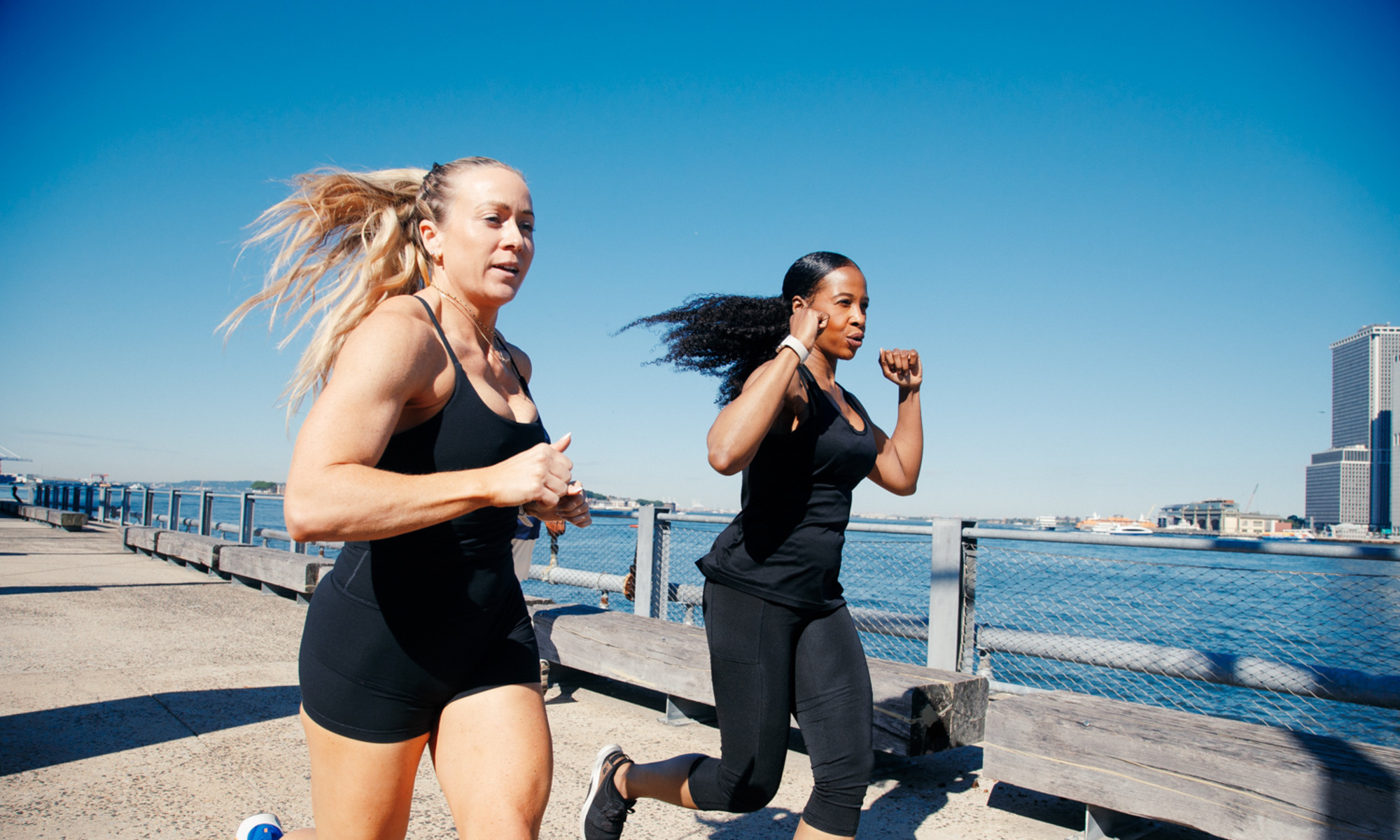
- The Matutinal (Morning) Cohort: Trained strictly between the hours of 7:00 a.m. and 9:00 a.m.
- The Vespertine (Evening) Cohort: Trained strictly between the hours of 4:00 p.m. and 6:00 p.m.
For 12 weeks, both groups completed identical, supervised, multi-modal exercise sessions twice per week. The workouts consisted of a combination of moderate-intensity cardiovascular training and progressive resistance exercise, tailored to each participant’s physical capabilities.
Phase 3: Sleep and Autonomic Monitoring
To capture real-time, real-world physiological data, a sub-cohort of 24 participants was outfitted with sophisticated, continuous biometric trackers worn overnight. This allowed researchers to bypass the limitations of self-reported sleep diaries, gathering objective metrics on:
- Total sleep time (TST)
- Sleep architecture (deep sleep vs. REM sleep cycles)
- Overnight HRV trends and resting heart rate (RHR) suppression curves
Supporting Context & Metrics: The Science of HRV and Circadian Rhythms
To appreciate why workout timing exerts such a powerful influence over the nervous system, one must look at the intersection of two physiological systems: the autonomic nervous system and the circadian clock.
Heart Rate Variability (HRV) as a Proxy for Survival and Recovery
The heart does not beat with metronomic regularity; the interval between consecutive heartbeats (measured in milliseconds) fluctuates constantly. This variation is known as Heart Rate Variability.
High HRV (Adaptive, Resilient)   : ───[Beat]───────[Beat]─────[Beat]─────────[Beat]───
Low HRV (Stressed, Overworked)   : ───[Beat]─────[Beat]─────[Beat]─────[Beat]───
HRV is regulated by the two opposing branches of the ANS:
- The Sympathetic Nervous System (SNS): The "fight-or-flight" driver. It accelerates heart rate, increases blood pressure, and lowers HRV during times of stress or physical exertion.
- The Parasympathetic Nervous System (PNS): The "rest-and-digest" or "feed-and-breed" driver. It slows the heart rate via the vagus nerve, promoting recovery, cellular repair, and high HRV.
A high overnight HRV indicates that the body has successfully transitioned into parasympathetic dominance, allowing for deep physiological repair. A low overnight HRV suggests that the sympathetic nervous system remains overactive, leaving the body in a state of chronic, low-grade stress.
| Biometric Parameter | Morning Cohort (7:00 AM – 9:00 AM) | Evening Cohort (4:00 PM – 6:00 PM) |
|---|---|---|
| Physical Strength Gains | Significant Improvement | Significant Improvement |
| Depressive Symptom Scores | Marked Decrease (Clinically Meaningful) | Mild to Moderate Decrease |
| Subjective Sleep Quality | Substantial Elevation | Minimal to No Change |
| Overnight HRV Trend | Increased (Improved Autonomic Tone) | Decreased (Delayed Sympathetic Recovery) |
The Circadian Alignment Hypothesis
The human body operates on a master molecular clock located in the brain’s hypothalamus, specifically the suprachiasmatic nucleus (SCN). This master clock synchronizes peripheral clocks residing in virtually every tissue of the body, including skeletal muscle, liver, and cardiovascular tissues.
When we exercise, we cause a massive spike in core body temperature, cortisol (the primary stress hormone), and sympathetic nervous system activity.
- In the Morning: This spike aligns perfectly with our natural biological programming. Upon waking, the body naturally releases a surge of cortisol (the cortisol awakening response) and raises body temperature to prepare us for the demands of the day. Morning exercise reinforces this natural "wake up" signal, helping to anchor the circadian rhythm.
- In the Evening: Late-afternoon and evening exercise forces a physiological spike when the body is genetically programmed to begin winding down. The rise in core body temperature and the delay in melatonin (the sleep hormone) secretion can postpone the transition into deep, restorative parasympathetic sleep, explaining the drop in overnight HRV observed in the evening cohort.
Scientific Perspectives & Expert Analysis
The medical community has reacted to the UNCCRI study with cautious optimism, noting that it provides crucial empirical backing to theories that have circulated within sports science circles for years.

Dr. Eleanor Vance, a clinical neurophysiologist specializing in sleep disorders, emphasizes the importance of these findings for mental health:
"We have long known that exercise is an effective intervention for depression, often rivaling pharmacotherapy in mild to moderate cases. However, what this study illustrates is that we can optimize the therapeutic index of exercise simply by adjusting the clock. By exercising in the morning, patients are leveraging their natural endocrine cycles, leading to a much more rapid reduction in depressive markers and a more profound stabilization of sleep architecture."
On the physiological front, sports medicine specialists point out that the decrease in HRV among evening exercisers should serve as a warning for overtraining and poor recovery.
"When you exercise late in the day, your heart rate remains elevated for hours afterward, and your body temperature takes longer to drop to the levels required for deep sleep," explains Dr. Marcus Thorne, a human performance researcher. "Even if you fall asleep easily, your brain and nervous system may not be recovering. The decreased overnight HRV in the evening group shows that these individuals are spending less time in deep, parasympathetic recovery. Over time, this can lead to systemic fatigue, diminished immune function, and higher injury rates."
Future Outlook: Personalized Chrono-Medicine
As the fields of personalized medicine and bio-tracking continue to merge, the clinical applications of exercise chronobiology are poised to expand exponentially. We are moving away from generic public health recommendations and toward highly individualized, biometric-driven prescriptions.
[Personalized Biomarkers (HRV, Sleep, Cortisol)]
                     │
                     ▼
       [AI-Driven Chrono-Prescription]
                     │
       ┌─────────────┴─────────────┐
       ▼                           ▼
[Morning: Neurological/Mood]   [Evening: Pure Musculoskeletal]
1. The Rise of Chrono-Prescriptions
In the near future, primary care physicians, oncologists, and psychiatrists may prescribe exercise with specific timestamps. For example:
- A patient presenting with clinical anxiety, insomnia, or treatment-related depression will be prescribed morning zone-2 cardio to optimize vagal tone and circadian alignment.
- An athlete focusing purely on peak power output and muscular hypertrophy may still be directed to late afternoon strength training, when body temperature naturally peaks, optimizing muscle contractility and joint lubrication, while being monitored closely via wearables to prevent overnight HRV degradation.
2. Wearable Integration and Dynamic Scheduling
As consumer wearables (such as smart rings, sports watches, and continuous glucose monitors) become more sophisticated, machine learning algorithms will be able to analyze an individual’s daily HRV, sleep stages, and circadian phase. If a user’s overnight HRV begins to decline, the device’s companion app might recommend shifting their evening workout to a brief morning session, or adjusting the intensity of late-day workouts to protect the nervous system.
3. Broadening the Research Demographic
While the UNCCRI study focused on cancer patients—a group highly susceptible to fatigue and autonomic stress—future large-scale clinical trials will likely target other populations. Researchers are already planning studies to investigate whether healthy adults, shift workers, and elite athletes experience the same stark divergence in autonomic recovery based on workout timing.
Practical Takeaways for the Everyday Individual
For those looking to apply this science to their daily lives, the message is clear but nuanced:
- Auditing Your Recovery: If you currently exercise in the evening and struggle with sleep quality, daytime fatigue, or sluggish recovery, try moving your workouts to the morning for a two-week trial period. Monitor your mood, sleep, and—if you use a wearable tracker—your overnight HRV.
- The 20-Minute Micro-Shift: If your schedule does not permit a full morning workout, do not abandon morning movement entirely. Shifting even a portion of your routine—such as a 20-minute brisk walk or a light mobility flow in morning sunlight—can help entrain your circadian rhythm.
- Consistency Trumps Perfection: If evening is the only time you can consistently exercise, do not stop. The physical benefits of exercise—such as cardiovascular health, insulin sensitivity, and muscle preservation—are highly valuable and were achieved by both groups in the study. To mitigate the evening HRV drop, try to complete your workout at least three to four hours before bedtime, and use cool showers, breathwork, or meditation to help jumpstart your parasympathetic nervous system before sleep.



