


In an era defined by hyper-optimized lifestyles—where we track our heart-rate variability overnight, biohack our morning nutrition with adaptogenic mushrooms, and carefully orchestrate intermittent fasting windows—we have mastered what we put into our bodies and how we move them. Yet, a crucial piece of the wellness puzzle often remains ignored: the clock.
According to clinical psychologists, chronobiologists, and human performance experts, when you execute a wellness practice is nearly as impactful as the practice itself. Moving beyond simple scheduling convenience, exercise timing is deeply rooted in human neurobiology, circadian rhythms, and hormonal fluctuations.
As part of an ongoing exploration into the optimal timing of daily wellness rituals—following our deep dive into morning meditation—we turn our focus to physical movement. From the restorative flow of yoga to the metabolic stress of high-intensity interval training (HIIT) and heavy resistance training, the biological returns on your sweat equity fluctuate throughout the day.
Navigating this terrain requires more than a rigid schedule; it demands an understanding of your body’s internal clock.
Executive Overview: Why Timing Dictates Performance
"Timing your wellness practices isn’t just a scheduling preference," explains Valentina Lipskaia, clinical psychologist and founder of Dzeny. "It has real neurological and psychological grounding, and getting it right can meaningfully amplify results."
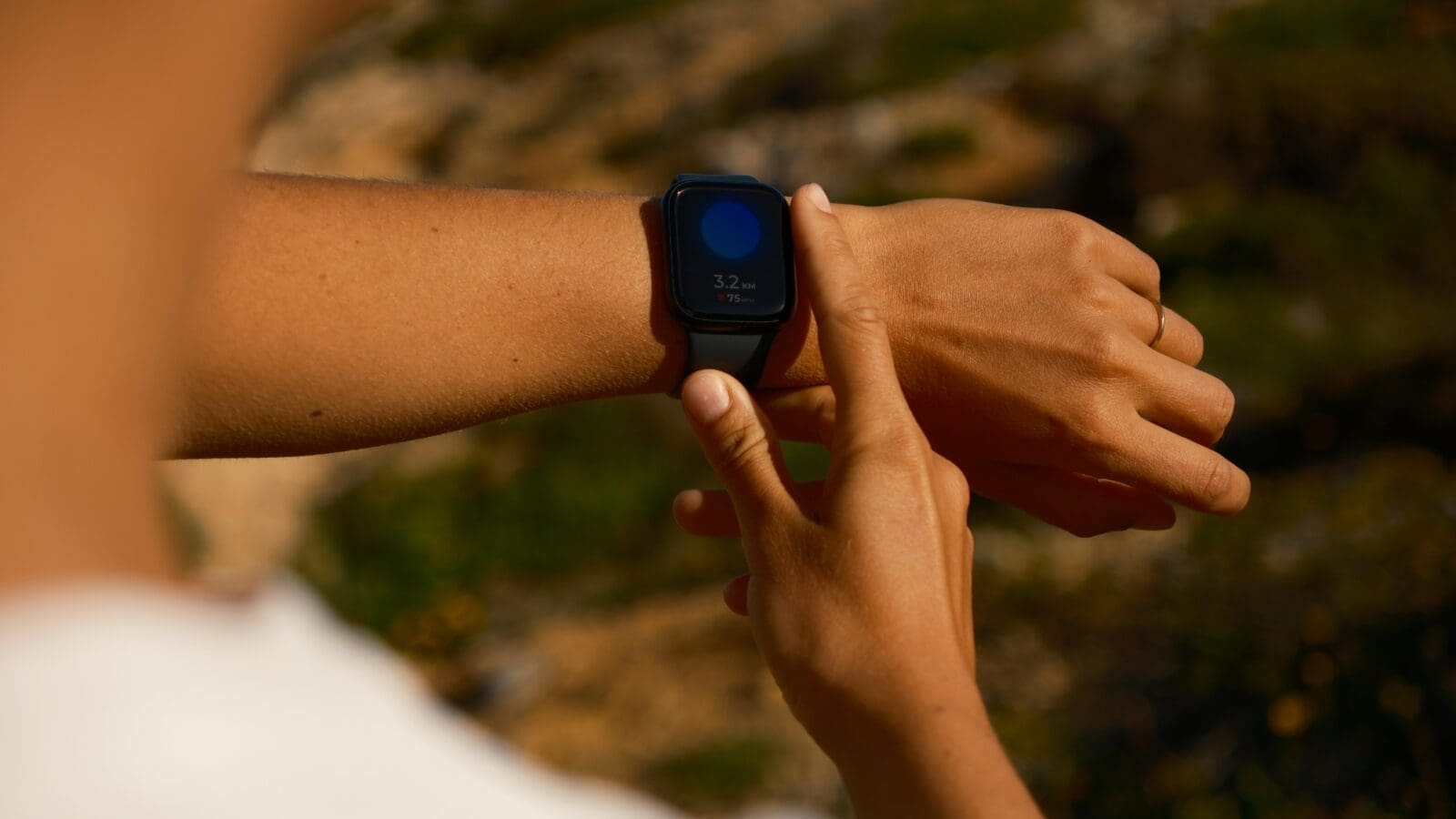
From a macro-physiological standpoint, research consistently points to the late afternoon—roughly between 3:00 PM and 6:00 PM—as the prime window for peak muscle strength, joint flexibility, and cardiovascular efficiency. Core body temperature peaks during these hours, enzymatic activity is high, and neuromuscular coordination is finely tuned.
However, chronobiology is rarely one-size-fits-all. Dr. Chad Larson, a naturopathic and chiropractic physician and founder of The Adapt Lab, emphasizes that individual biology frequently supersedes general rules.
"Biological sex, menstrual cycle status, pregnancy, post-menopausal status, and caloric availability impact your ability to fast, recover, and engage in exercise," Dr. Larson explains. He notes that these variables often exhibit wider variance from person to person than they do across broad gender lines.
Understanding how to align your workouts with your internal clock requires parsing the distinct demands of different physical disciplines—and balancing them against the realities of human psychology.
Detailed Chronology: The Optimal Schedule for Movement
Different forms of physical activity impose unique demands on the central nervous system, metabolic pathways, and musculoskeletal architecture. Crafting an effective daily movement routine means matching your activity to the appropriate biological window.

When to Practice Yoga and Mobility Work
Yoga yields a wealth of well-documented benefits, including improved balance, reduced arthritis symptoms, lower systemic stress, and enhanced cardiovascular health. Despite these widespread advantages, participation remains heavily skewed. Data from the Centers for Disease Control and Prevention (CDC) reveals that more than 23% of U.S. women practice yoga regularly, compared to just 10.3% of men.
Jenna Armitage, owner of London’s GoodGood Studio, points out that mobility, stretching, and yoga are precisely the practices men are most likely to avoid—often to their long-term detriment.
"Research has connected lower testosterone in older men with poorer mobility, likely tied to weakened muscle and connective tissue," Armitage notes. "That doesn’t mean stretching is some magic injury shield, but the range-of-motion and quality-of-movement benefits are real, and men tend to neglect them completely."
Mark Gillilan, a former biologist and founder of Kyoto Botanicals, argues that the most impactful biological windows for yoga and meditation occur during daily transition zones—specifically, the boundary between the workday and home life. Practicing yoga here creates a crucial neurological buffer, preventing work-induced cortisol from migrating into the domestic sphere.
Yet, the ideal hour for yoga also depends heavily on the style of practice:

- Morning Practice (Activation & Flow): Gentle, movement-focused morning yoga or dynamic vinyasa flows can wake up the nervous system and set a calm, grounded tone for the day. Dr. Larson notes that active forms like vinyasa or ashtanga are best suited for earlier hours, prior to cognitive fatigue setting in.
- Late Morning / Early Afternoon (Flexibility & Deep Stretching): For intense flexibility work, late morning or early afternoon excels physiologically. Core body temperature is rising, muscles are more pliable, and the risk of acute soft-tissue injury decreases.
- Evening Practice (Restoration & Parasympathetic Shift): Restorative or Yin yoga is tailor-made for the evening. By triggering the parasympathetic nervous system, it helps release chronic muscular tension accumulated throughout the day, priming the body for deep, restorative sleep.
When to Execute Strength Training and HIIT
Unlike the restorative nature of yoga, high-intensity interval training (HIIT) and heavy resistance training demand immense neural drive, glycogen reserves, and muscular output. These modalities drive profound brain health, musculoskeletal integrity, and metabolic resilience.
Here, the clinical calculus shifts. Armitage stresses that women, in particular, must prioritize loaded resistance training to stave off age-related bone density loss.
"If you’re a woman and you’re only doing cardio, you’re leaving a huge protective tool on the table," Armitage warns. "Research shows very low-intensity activity like walking alone doesn’t move the needle on bone density the way loaded resistance training does."
When executing these intense protocols, two major variables dictate success: fuel timing and sleep architecture.
The Pre- vs. Post-Workout Nutrition Debate
Because HIIT and heavy lifting rely heavily on glycolytic energy pathways, fueling strategy matters.

Ben Walker, a personal trainer and founder of Anywhere Fitness, recommends consuming natural carbohydrates—such as a banana or a serving of oatmeal—one to two hours before a high-intensity session.
"Before performing high-intensity intervals, it’s important to provide the body with the fuel it is going to use," Walker explains. "When the hard work is done, the body will completely perform within the anaerobic zone, where no oxygen is used, and all the energy must come from glucose."
Conversely, longevity and human performance expert Ben Greenfield offers a nuanced counter-perspective. While carbohydrate-rich meals prior to training are ideal for athletes engaging in "two-a-day" workouts, the average person training once daily may not need pre-workout carbs.
"Research has shown that unless you’re a two-a-day exerciser, you’ll naturally have carbohydrates in the muscles and liver restored after 24 hours of eating normally anyway," Greenfield notes.
Registered Dietitian Nutritionist (RDN) Kezia Joy advocates prioritizing post-exercise nutrition. She recommends consuming easily digestible carbohydrates paired with high-quality protein—such as Greek yogurt and fresh fruit—immediately following a workout to accelerate muscle repair and replenish depleted glycogen stores.

The Sleep-Exercise Intersection
Because late afternoon body temperature and cardiovascular efficiency peak simultaneously, working out between 3:00 PM and 6:00 PM minimizes injury risk. However, pushing high-intensity exercise too close to bedtime can disrupt sleep architecture.
Intense exercise that spikes the heart rate near the lactic acid threshold raises core body temperature and elevates the post-exercise metabolic rate.
"Both of those can disrupt sleep architecture," Greenfield warns. "You’d technically want to finish them up about three hours prior to bedtime."
Armitage echoes this caution, citing studies showing that high-intensity workouts ending just one hour before lights out leave the heart rate elevated and delay sleep onset by an average of 14 minutes. "Your body is genuinely still in fight-or-flight mode if you train too close to sleep," she notes.
The golden rule: if an evening heavy lifting session leaves you energized yet capable of falling asleep easily, your biology may tolerate late-night training better than the clinical average. Listen to your individual response.

Supporting Context & Metrics: Synchronicity and Habit Formation
If your routine incorporates both high-intensity resistance training and flexibility practices, sequencing them correctly yields synergistic benefits.
Ben Walker recommends scheduling strength training or HIIT sessions earlier in the day, reserving yoga for the evening. Resistance training deliberately micro-tears muscle fibers to stimulate hypertrophy and strength gains. Evening yoga enhances micro-circulation, driving oxygenated blood into those recovering tissues while restoring joint range of motion.
The Psychology of Procrastination
While physiology dictates how your body responds to exercise at various hours, psychology dictates whether you will actually do it.
"From a psychological standpoint, when we’re talking about high-intensity exercise, there’s a certain amount of decision-making fatigue and willpower that wanes towards the end of the day," Greenfield observes. "It’s easiest for most people to ‘eat the frog,’ so to speak, and get the intense activity done earlier in the day."
Lipskaia reinforces this sentiment, emphasizing that habit formation relies on reducing cognitive friction.

"Sustainable wellness routines work because they reduce decision fatigue and create predictable anchors in the day—not because they’re perfectly timed," she explains.
Future Outlook: Personalization over Dogma
As the wellness industry evolves past generic recommendations, the future of fitness optimization points firmly toward hyper-personalization. Emerging wearable technologies tracking continuous glucose, heart-rate variability, and core body temperature will soon allow individuals to pinpoint their exact physiological windows of peak performance in real time.
For now, the overarching takeaway is clear: while science highlights the late afternoon as the physiological sweet spot for strength and cardiovascular output, and the early morning or evening for restorative movement, the ultimate determinant of success is consistency. Choose the hour that honors your biology, protects your sleep, and—above all—fits seamlessly into your daily life.



