

Executive Overview
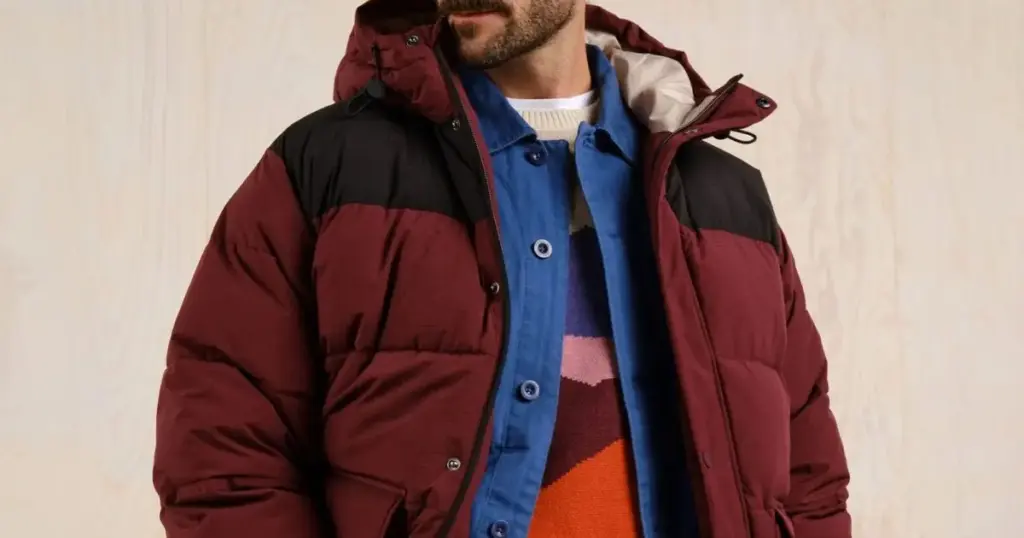
As winter approaches and temperatures plummet, the quintessential puffer jacket emerges as an undisputed staple of seasonal wardrobes. Prized equally for high-alpine outdoor pursuits and metropolitan street style, the puffer is a powerhouse of insulation. However, behind its cozy, quilted exterior lies a complex environmental footprint. Conventional fast-fashion puffers are typically manufactured from fossil-fuel-derived polyvinyl chloride (PVC), filled with virgin synthetic polyester, or insulated with duck and goose down feathers often harvested through ethically dubious practices.
In response to growing consumer consciousness, the fashion landscape is undergoing a quiet revolution. A new wave of sustainable outerwear brands is reimagining what a winter coat can be. By replacing virgin synthetics with recycled polyethylene terephthalate (rPET), substituting cruel animal down with plant-based or recycled alternatives, and championing circular business models, these conscious labels are redefining cold-weather luxury.
This comprehensive report examines the anatomy of a sustainable puffer jacket, analyzes the trade-offs inherent in recycled materials, explores actionable care practices to mitigate microplastic shedding, and highlights five pioneering brands currently setting the standard for ethical and environmental excellence in outerwear.
Detailed Chronology: The Evolution of Outerwear Insulation
To understand where the sustainable puffer market stands today, it is helpful to retrace how the garment evolved from a niche mountaineering tool into a ubiquitous fashion item, and how the sustainability movement caught up to it.
- The Mid-20th Century (The Functional Origin): The precursor to the modern puffer was born out of survival necessity. In the 1930s, outdoor enthusiasts like Eddie Bauer developed quilted down jackets to survive treacherous winter conditions in the Pacific Northwest. Down feathers—trapping body heat in millions of tiny air pockets—became the gold standard for warmth-to-weight ratio.
- The Late 20th Century (Mass Marketization): As synthetic chemistry advanced, chemical companies introduced virgin polyester fillings and plastic-based shell fabrics. These materials made puffers cheaper to produce, shifting them from specialized mountaineering gear to accessible everyday apparel. However, this shift heavily tied the industry to petrochemical extraction.
- The 2010s (The Ethical Awakening): Investigative reporting and animal welfare organizations exposed widespread cruelty in the down supply industry, highlighting practices like live-plucking and force-feeding. Concurrently, public awareness regarding plastic pollution in oceans galvanized a push against single-use plastics and virgin synthetics, prompting early eco-conscious brands to experiment with recycled polyester.
- The Present Era (Material Innovation & Circularity): Today, the sustainable puffer market has moved beyond simple novelty. Brands are utilizing advanced mechanical and chemical recycling processes to transform post-consumer plastic bottles and discarded textiles into high-performance outerwear. Furthermore, innovative plant-based down alternatives—ranging from organic cotton blends to wildflowers and agricultural waste derivatives—are challenging the supremacy of both traditional down and petroleum-based synthetics.
Supporting Context & Metrics: The Anatomy of Responsible Puffers
What differentiates a conventional puffer from a responsibly manufactured alternative? The answer lies in two primary components: the exterior shell and the internal insulation.
+-----------------------------------------------------------------+
                    THE SUSTAINABLE PUFFER ANATOMY
+-----------------------------------------------------------------+
 |                                                                |
 |  [ EXTERIOR SHELL ]                                            |
 |   - Recycled PET Plastic (rPET)                                |
 |   - Salvaged Industrial Materials (e.g., Seatbelts)            |
 |   - Organic Cotton Blends                                      |
 |                                                                |
 |  [ INTERNAL INSULATION ]                                       |
 |   - Plant-Based Down Alternatives (Cotton, Wildflowers)        |
 |   - Recycled Synthetic Fillings                                |
 |   - Ethically Certified Down (Traceable, RDS-Certified)        |
 |                                                                |
 +-----------------------------------------------------------------+
The Shell: Navigating the Realities of Recycled Synthetics
Recycled PET plastic is frequently hailed as a sustainability savior, but industry experts urge a nuanced perspective. While rPET is far from a silver bullet, it serves a critical waste-management function: diverting post-consumer plastic bottles from overflowing landfills and keeping non-biodegradable polymers in active circulation.
However, synthetic outerwear comes with a well-documented caveat: microplastic shedding. Whenever synthetic garments—including recycled ones—are agitated in a washing machine, microscopic plastic fibers break free, eventually finding their way into municipal water systems, rivers, and oceans.
Fortunately, outerwear occupies a unique space in our wardrobes. Unlike undergarments, athletic wear, or everyday t-shirts, heavy winter coats are laundered infrequently—often only once or twice a season, if at all. This drastically reduces the frequency of microplastic shedding during the garment’s lifecycle.
The Dilemma of Choice: Personal Values and Aftercare
Ethical fashion advocates emphasize that consumers must act as the ultimate arbiters of their purchasing decisions. Deciding whether to invest in recycled synthetics or avoid them entirely depends on individual environmental priorities.
For those who choose to purchase recycled polyester or PET garments, responsible stewardship does not end at the checkout counter. To minimize environmental impact, consumers should:
- Prioritize Brands with Circular Programs: Look for labels that offer repair warranties and end-of-life recycling initiatives.
- Launder Mindfully: Wash jackets sparingly, spot-clean when possible, and utilize specialized laundry bags (such as Guppyfriend bags) or external filter systems designed to capture microfibers before they enter wastewater streams.
Spotlight on Ethical Outerwear Pioneers
To help consumers navigate the crowded marketplace, editorial rating systems assess brands based on their holistic impact on people, the planet, and animals. Below are five standout brands leading the charge in sustainable outerwear and apparel.
1. NIKIN: Wearing Your Morals
For consumers who want their wardrobe to reflect their environmental activism, Swiss brand NIKIN offers a compelling proposition. Beyond offering a versatile size range (XS to 2XL) of clean, minimalist apparel, NIKIN operates on an impact-driven business model: a tree is planted for every single product purchased. This transparency allows buyers to visibly demonstrate their commitment to global reforestation efforts while outfitting themselves for the cold.
2. SeamsFriendly: Customization Meets Inclusivity
Ill-fitting clothing often leads to early disposal, making proper sizing an overlooked pillar of sustainability. SeamsFriendly addresses this by crafting customizable clothing for women, men, and kids across an expansive array of body types, sizes, and heights.
- Womenswear: Bust sizes ranging from 26 inches to 70 inches; waist sizes from 19 inches to 63 inches, with dedicated petite, regular, and tall options.
- Menswear: Chest sizes starting at 34 inches and extending past 76 inches, complete with free custom sizing.
- Kids Range: Bust sizes 18–28 inches and waist sizes 19–26 inches.
By ensuring a tailored fit straight out of the box, SeamsFriendly minimizes the likelihood of returns and wardrobe abandonment.
3. tentree: Earth-First Manufacturing
Canadian brand tentree has built its entire brand identity around ecosystem regeneration. True to its name, the company plants ten trees for every item purchased—a milestone that has already surpassed 65 million trees planted worldwide. Beyond reforestation, tentree approaches design through an "Earth-first" lens. This means garments (typically sized XS to XL) are produced in safe, fair working conditions and constructed using lower-impact, organic, and recycled materials.
4. BEDI: Industrial Upcycling and Minimalist Design
For those seeking heavy-duty winter warmth with an urban aesthetic, Canadian studio BEDI specializes in minimalist winter coats and accessories constructed from unexpected materials. By utilizing salvaged industrial components—such as reclaimed seatbelts—alongside recycled nylon, BEDI diverts heavy-duty waste from industrial streams and transforms it into durable, high-fashion outerwear. The collection is available in sizes XS to XL.
5. Wuxly Movement: High-Performance, Animal-Free Outerwear
Rooted in Canada’s rich heritage of cold-weather manufacturing, Wuxly Movement set out to prove that elite winter performance does not require animal exploitation. The brand combines advanced technical textiles with recycled materials to engineer high-performance outerwear that completely omits animal products like down and fur. Catering to a wide demographic with sizes ranging from 2XS to 3XL, Wuxly demonstrates that technical superiority and ethical veganism can seamlessly coexist.
Official Statements & Industry Perspectives
Industry analysts and environmental scientists agree that the future of outerwear hinges on systemic change rather than superficial greenwashing.
"Consumers are no longer satisfied with empty marketing buzzwords like ‘eco-friendly,’" notes an independent sustainable fashion researcher. "They want transparent supply chains, verifiable metrics on carbon and water usage, and end-of-life solutions. Brands that fail to offer repair programs or circular take-back initiatives will quickly find themselves out of step with the modern buyer."
Furthermore, material scientists emphasize that while plant-based and recycled innovations are vital stepping stones, the ultimate goal for the apparel industry is complete circularity—designing garments from the ground up so that every component can safely biodegrade or be infinitely recycled without losing structural integrity.
Future Outlook: What Lies Ahead for Sustainable Outerwear?
As legislative bodies in regions like the European Union begin implementing stricter regulations on green claims and textile waste management, the fashion industry faces mounting pressure to clean up its act.
Looking forward, we can expect several key developments in the sustainable puffer market:
- Mainstream Biodegradable Synthetics: Research into bio-based polymers derived from agricultural waste and non-food crops will likely yield shell fabrics that mimic the durability of petroleum-based nylon and polyester without the persistent microplastic footprint.
- Mandatory Digital Product Passports (DPPs): Consumers will soon be able to scan a QR code on a puffer jacket’s label to view its exact carbon footprint, material composition, and instructions for repair and recycling.
- Expansion of Rental and Resale Models: Recognizing that winter coats are seasonal items worn only a few months out of the year, more outerwear brands are expected to adopt rental subscriptions and certified pre-owned marketplaces to maximize garment utilization rates.
Ultimately, investing in a sustainable puffer jacket is an exercise in intentional consumption. By balancing material integrity, ethical production, and mindful aftercare, consumers can stay warm through the harshest winters while helping to safeguard the planet for seasons to come.
Editor’s Note: Feature images courtesy of Dedicated; all other imagery provided courtesy of the respective brands. Good On You publishes comprehensive ratings evaluating fashion brands on their impact on people, the planet, and animals. Explore the complete directory to search thousands of rated brands.



