By Global Energy & Climate Desk
Executive Overview
The European summer of 2026 will be remembered not merely as a season of blistering, record-shattering weather, but as a critical stress test for the continent’s modern infrastructure. Consecutive, unyielding heat waves baked the continent, driving June temperatures to historic highs and triggering a compounding, multi-sector drought that dragged major European rivers down to unprecedented lows.
This convergence of extreme heat and hydrological collapse struck at the heart of Europe’s energy systems. Traditional baseload power generators—nuclear, natural gas, and coal plants—were forced to throttle back output because the warming rivers could no longer supply adequate cooling water. Simultaneously, stagnant atmospheric conditions crippled wind generation, sending energy markets into volatile tailspins.
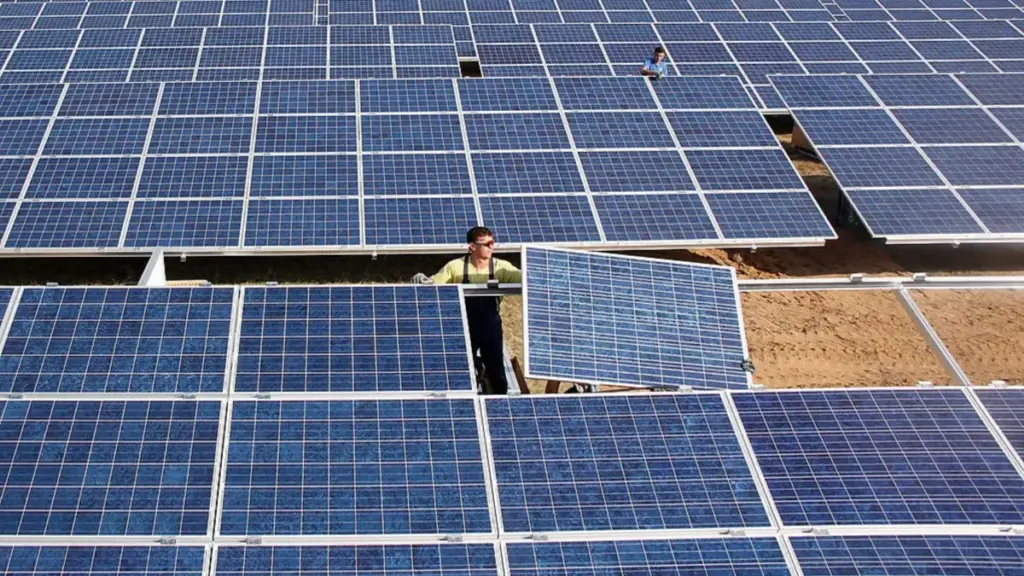
Yet, amid this vulnerability, a stark operational divide emerged. While conventional and wind energy faltered under climatic stress, solar power stepped into the breach. Surging 17% above normal summer output, photovoltaic systems paired with utility-scale battery storage proved to be the single major energy source capable of countering the crisis.
As energy demand spiked by nearly 30% in countries like Italy to power newly essential air conditioning units, the summer of 2026 laid bare a sobering reality: Europe’s traditional energy architecture is increasingly incompatible with a rapidly warming world. This comprehensive investigation explores the anatomy of the crisis, the systemic vulnerabilities exposed in European grids, and the transformative lessons that will shape the continent’s energy policies for decades to come.
Detailed Chronology: A Summer of Cascading Crises
The breakdown of Europe’s power grid during the summer of 2026 did not happen overnight; it was the result of a compounding meteorological sequence that systematically disabled every pillar of traditional power generation.
The June Heat Dome and the Initial Power Surge
The season began with an atmospheric phenomenon that scientists later calculated was roughly 200 times more likely to occur today than it would have been two decades ago, directly attributable to the accumulation of greenhouse gases in the atmosphere. By late June, a severe heat dome settled over Western Europe.
As temperatures climbed past historical thresholds, public demand for cooling skyrocketed. According to data from the energy think tank Ember, peak power demand in Italy surged by 28% compared to the preceding week. In France, power demand jumped by 14%. Because only 23% of European households traditionally possess air conditioning, the immediate reliance on portable AC units placed an intense, localized strain on low-voltage distribution networks.
The Twilight Power Gap
As the sun began to set, a predictable yet perilous operational gap materialized. Electricity and natural gas prices spiked during the evening hours, climbing to levels not witnessed since the height of the 2022/2023 winter energy crisis that followed Russia’s invasion of Ukraine.
During these peak evening windows, solar generation sharply declined, yet outdoor and indoor temperatures remained elevated. Households continued to run air conditioning units at maximum capacity to ensure habitable living conditions, forcing grid operators to scramble for expensive, scarce peaking power.
The Hydrological Collapse of July
While the heat wave defined June, July brought a punishing drought that drained the continent’s major waterways. England and Wales recorded their driest July in modern history. More critically, the Danube River in Central and Eastern Europe plunged to unprecedented low water levels, exposing submerged World War II shipwrecks, unexploded ordnance, and prehistoric artifacts in its exposed channels.
This historic dryness decimated European hydropower production, pushing output to its lowest July level in a decade. Concurrently, nuclear and thermal plants faced catastrophic cooling constraints. By mid-July, France lost 18% of its total nuclear capacity due to "environmental factors." Because French nuclear facilities rely on river water intake to cool reactors before discharging it back into waterways under strict ecological temperature caps to protect aquatic life, the already warm river water rendered cooling systems ineffective, forcing mandatory load reductions.
Supporting Context & Metrics: The Anatomy of Grid Vulnerability
To understand the systemic risk facing Europe, one must examine how the twin pillars of the continent’s legacy power system—wind and thermal generation—failed under climate stress, while the decentralized solar sector absorbed the shock.
The Wind Drought
While heat waves are often associated with baking sunshine, they are frequently accompanied by high-pressure stagnant systems characterized by low wind speeds. In the United Kingdom, this meteorological reality crippled renewable generation targets for the month. Heat-induced low wind speeds cut typical British wind farm generation in half throughout June.
Furthermore, five major gas-fired power plants in the UK reduced their output by a combined 2.5 gigawatts because the elevated ambient air and cooling water temperatures diminished the thermal efficiency of their generation cycles.
Nuclear and Thermal Bottlenecks
The structural vulnerability of thermal power stations is an under-reported facet of climate change. Coal, gas, and nuclear plants are fundamentally heat engines that require massive volumes of water to condense steam back into liquid for continuous operation.
- France’s Nuclear Dilemma: France routinely draws cooling water from rivers like the Rhône and the Garonne. When summer droughts lower river volumes and elevate baseline temperatures, plants must choose between violating environmental thermal limits—which can cause massive fish kills and ecological collapse—or throttling power output.
- The Cost of Adaptation: France’s state-owned utility has recognized this vulnerability as an existential threat, drafting a 15-year, $10 billion adaptation plan. This capital expenditure will fund advanced water-cooling towers and effluent-chilling infrastructure to keep nuclear plants compliant and operational during heat waves.
The Triumvirate of Solar and Storage
Conversely, Europe’s solar fleet experienced optimal meteorological conditions. Clear, cloudless skies drove photovoltaic efficiency higher than seasonal averages. Ember reported that European solar panels produced 17% more power during the peak heat waves than standard projections anticipated.
More importantly, the rapid scaling of battery energy storage systems (BESS) transformed solar from an intermittent daytime novelty into a round-the-clock grid stabilizer. Battery installations across Europe celebrated their 12th consecutive year of record growth in 2025, deploying 36 gigawatt-hours—a staggering 48% increase over the previous year’s additions. These systems absorbed excess midday generation and discharged it precisely during the perilous evening hours when air conditioning demand peaked and solar production ceased.
Official Statements and Industry Insights
Energy executives, political leaders, and analysts have universally pointed to the summer of 2026 as a pivotal turning point for European energy policy.
"The next challenge is the evening period. Temperatures often remain high after sunset and AC demand can stay elevated, even as solar production declines. This is why battery storage is becoming such an important part of the energy transition."
— Walburga Hemetsberger, CEO of SolarPower Europe
Hemetsberger’s assessment underscores the shifting paradigm of grid management. The historical engineering challenge of matching winter heating loads has been superseded by the acute, rapid-onset dynamics of summer cooling peaks.
Political resistance to air conditioning is also eroding rapidly in the face of lethal summer temperatures. Marine Tondelier, national secretary of the French Ecologist Party, made a striking admission earlier this summer:
"There are places where we just can’t do without it now."
This marks a profound ideological reversal for environmental movements that historically opposed widespread residential AC adoption due to its high electricity consumption and the use of hydrofluorocarbon refrigerants. With only 23% of European homes currently equipped with cooling systems compared to 90% in the United States—and countries like Italy and Spain sitting at roughly 50%—the continent’s cooling demand has immense room to expand.
From an analytical perspective, market experts emphasize that regulatory frameworks must evolve immediately to reward flexibility. Beatrice Petrovich, senior energy analyst covering Europe at Ember, noted:
"Extreme price spikes during heatwaves are a blaring signal for regulatory changes that increase power system flexibility. Treating this summer as a turning point for energy storage would be an opportunity to remove existing barriers."
Future Outlook: Reinventing Europe’s Energy Infrastructure
The convergence of extreme weather, rising cooling demand, and simultaneous grid strain signals that Europe cannot simply engineer its way back to the historical climate baseline. The era of predictable baseload operations powered by cool, abundant river water has passed.
The Trilemma of Modern Grids
Grid operators face a complex trilemma over the coming decade:
- Electrification and Data Growth: Grids must simultaneously absorb soaring residential cooling demand while supporting the massive electricity requirements of expanding artificial intelligence data centers.
- Thermal Adaptation: Billions of dollars must be sunk into retrofitting existing nuclear and gas infrastructure to operate in higher ambient temperatures with restricted water footprints.
- Decentralized Storage Expansion: Regulatory bottlenecks holding back utility-scale and residential battery deployment must be dismantled to ensure that renewable energy can be captured and dispatched across multi-hour evening peaks.
A Blueprint for Resilience
The silver lining of 2026 is that the technologies required to secure Europe’s energy future—solar photovoltaics and advanced battery storage—have proven their mettle under the harshest possible conditions. Their explosive growth trajectory proves that the market is already moving in the right direction.
However, passive market growth will not suffice. To survive the climate summers of the 2030s and beyond, European regulators must aggressively streamline grid interconnection queues, fast-track storage permitting, and re-engineer electricity markets to price flexibility and resilience above legacy capacity models. The extreme summer of 2026 has sounded the alarm; how Europe responds to this wake-up call will determine the stability of its economy and the safety of its citizens for generations to come.