Executive Overview
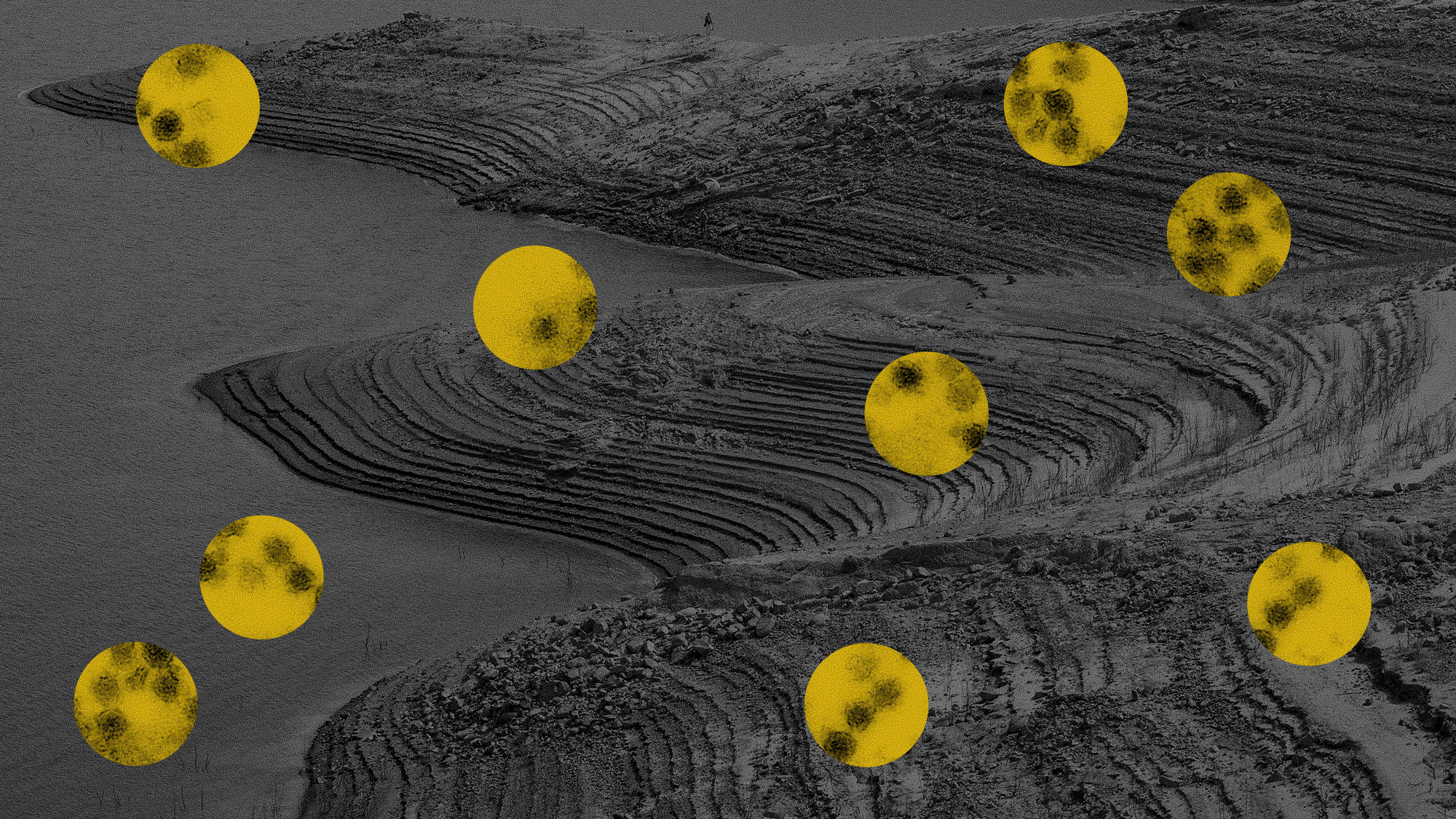
As a warming climate drains moisture from the Earth’s landscapes, leaving major rivers at historic lows and intensifying water scarcity across continents, a hidden and more insidious crisis is taking root. For decades, scientific research into the health impacts of climate change has predominantly focused on the direct effects of rising global temperatures. However, an emerging and rapidly growing field of disease ecology is shifting the spotlight to the other side of the climate coin: drought.
A landmark scientific review published in Trends in Ecology and Evolution examines nearly 100 studies spanning the animal kingdom—from humans to large mammals, fish, amphibians, and insects—to decode how water scarcity influences the transmission of deadly infections and parasites. The findings challenge long-held assumptions. While certain water-dependent pathogens, such as those responsible for malaria and schistosomiasis, decline when lakes and ponds dry up, a wide range of other life-threatening illnesses flourish.
This counterintuitive phenomenon has been dubbed the “drought-disease paradox.” Far from washing away pathogens, prolonged dry spells often concentrate animal populations, warm shrinking bodies of water, and drive intense competition for dwindling resources. As a result, diseases such as cholera, West Nile virus, dengue fever, and fungal infections like valley fever are finding new footholds in a drier world. This comprehensive investigation explores the mechanisms driving the drought-disease paradox, the historical and global impacts on human and wildlife health, and the urgent challenges facing water management in an increasingly volatile climate.
Detailed Chronology: The Evolution of a Parched Planet and Pathogen Research
To understand the current convergence of severe drought and infectious disease, one must look at both the unfolding environmental baseline and the scientific awakening that has accompanied it.
The Drying of the Earth (Recent Decades to Present)
- The 2000s–2010s: Extended multi-year droughts plague regions like the American Southwest and California, acting as catalysts for outbreaks of valley fever and West Nile virus. Concurrently, a severe drought in Somalia in 2017 triggers a massive cholera outbreak, sickening nearly 80,000 people and claiming more than a thousand lives.
- The 2020s: According to United Nations reports, the world has grown approximately 77 percent drier over the past three decades. The atmosphere, supercharged by fossil-fuel-driven warming, aggressively sucks moisture from soils and holds onto it for extended periods.
- The Summer of 2026: Extreme droughts grip the Northern Hemisphere. U.S. states engage in fierce legal and political battles over dwindling rights to the Colorado River, while major reservoirs hit unprecedented lows. In Puerto Rico, compounding infrastructure failures and extended drought leave residents stranded without water for weeks at a time. Across Europe, the Rhine and Danube rivers reach historic low-water marks, forcing nuclear power plants to shut down, devastating agricultural yields, and exposing long-lost relics from World War II. In Italy, over 60 percent of farmland faces critical drought conditions.
The Scientific Awakening
- Pond Ecosystems in California (Years Prior): Aquatic disease ecologist Tara Stewart Merrill and her collaborator Pieter Johnson, a professor at the University of Colorado Boulder, are conducting field research on parasites within local pond ecosystems. Suddenly, more than half of their study sites completely dry up.
- Shifting Research Focus: Frustrated by the disruption to their immediate fieldwork, Stewart Merrill and Johnson begin investigating broader questions about how systemic droughts alter disease transmission across global ecosystems. They recognize that while temperature has dominated climate-health literature, the water cycle’s disruptions remain a critical missing puzzle piece.
- Publication of the Landmark Review (Recent): Stewart Merrill, Johnson, and their peers synthesize nearly 100 global studies into a single, comprehensive paper published in Trends in Ecology and Evolution. The paper formalizes the "drought-disease paradox," establishing a foundational framework for modern disease ecology and proving that a drier world is frequently a sicker one.
Supporting Context & Metrics: Unpacking the Paradox
The mechanics behind the drought-disease paradox are complex, shifting dynamically depending on the specific pathogen, the host species, and environmental thresholds.
The Crowding Effect and Wildlife Transmission
Disease tracking is fundamentally rooted in the behavioral ecology of animals that carry and transmit pathogens. According to Georgia Titcomb, a wildlife disease ecologist and assistant professor at Colorado State University, historical animal migrations are inextricably linked to water access. When natural water distribution systems are radically altered by drought, animal movement patterns change dramatically.
Consider the classic ecosystem of the African savannah, where elephants, zebras, giraffes, and rhinos rely on scattered watering holes. As droughts intensify and these holes evaporate, wildlife is forced to crowd tightly around the remaining pools of water.
This hyper-concentration creates ideal conditions for disease:
- Fecal Contamination: Crowded watering areas quickly become saturated with animal dung. Parasites that utilize feces to lay eggs thrive in these dense environments.
- Heightened Exposure: The probability of healthy animals coming into direct contact with infectious parasites multiplies exponentially. Research highlighted by Titcomb reveals that following periods of low rainfall, parasite loads in these areas skyrocket, with more than 100,000 parasite eggs discovered per kilogram of dung.
Aquatic and Vector-Borne Shifts
In aquatic and semi-aquatic environments, the drying and warming of water bodies triggers distinct epidemiological shifts:
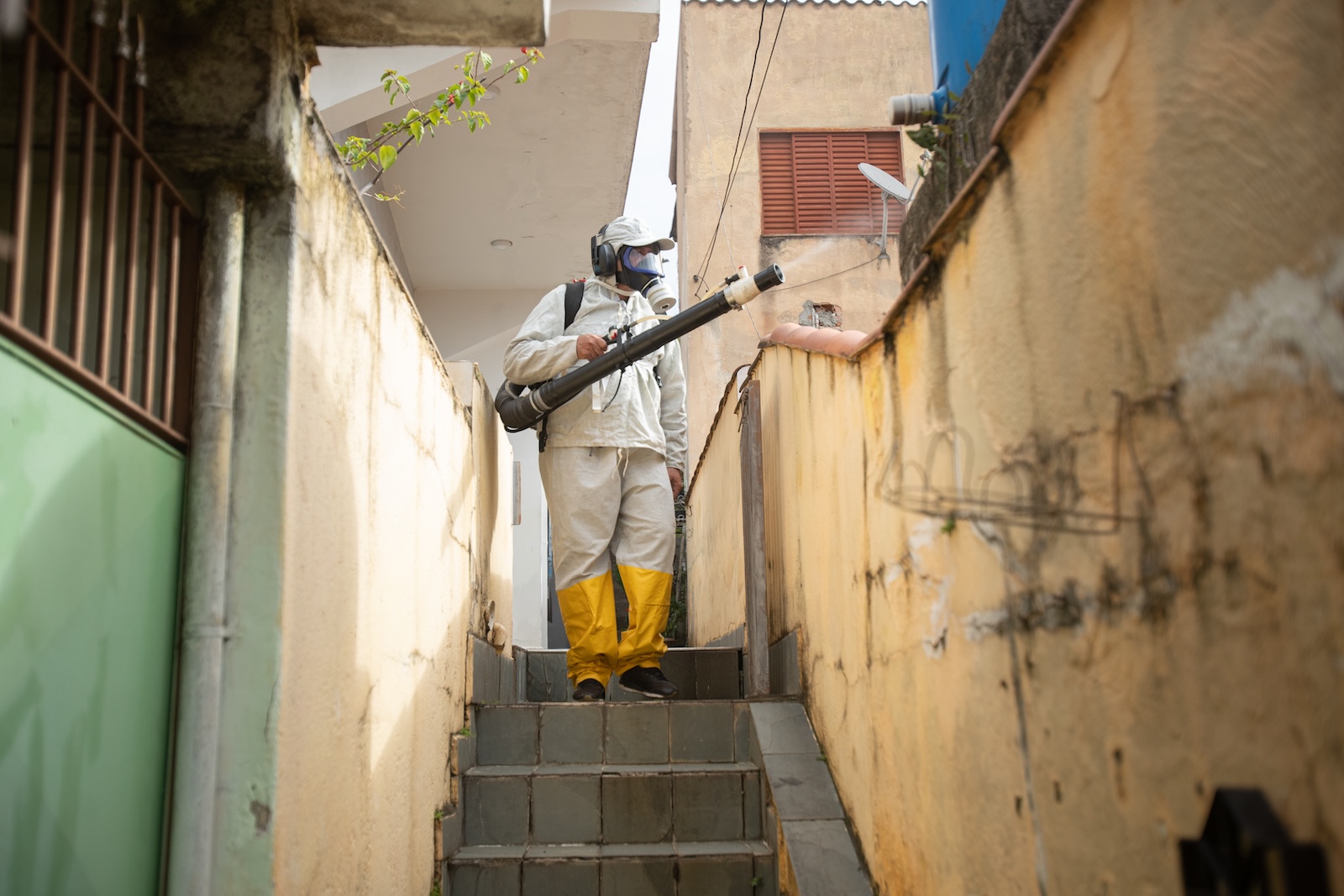
- Birds and Mosquitoes: As wetlands and ponds dry up, birds carrying the West Nile virus are forced into closer physical proximity with dwindling mosquito populations in remaining aquatic refuges. This concentration accelerates transmission rates, resulting in surges of infected mosquitoes capable of transmitting the virus to human populations.
- Thermal Amplification: Smaller, shallower bodies of water warm up much faster under heatwaves. These elevated temperatures create optimal incubation environments for dangerous molds, toxic algae blooms, and heat-tolerant bacteria.
- The Flushing Effect vs. Concentration: The severity and duration of a drought dictate its biological outcome. For instance, Vibrio vulnificus—a flesh-eating and food-poisoning bacterium thriving in warm coastal waters and infecting oysters—initially multiplies and spreads during early drought conditions as salinity and nutrient concentrations shift. However, if a drought persists indefinitely, the extreme environment can eventually eliminate the pathogen entirely.
Weather Whiplash and Dust-Borne Pathogens
As the climate system destabilizes, "weather whiplash"—the rapid transition between extreme precipitation and prolonged drought—is becoming increasingly frequent. Stanford University biologist and postdoctoral researcher Samantha Sambado notes that this volatility amplifies specific fungal outbreaks.
The classic example is the fungus responsible for valley fever, an endemic respiratory disease in the American Southwest. The fungal spores thrive and multiply underground during wet, rainy winters. When a subsequent summer drought bakes the soil, the wet earth turns into brittle, wind-borne dust. The summer winds pick up these microscopic spores and scatter them across wide geographic areas, exposing human populations to mass inhalation events.
Official Statements and Expert Perspectives
The integration of drought metrics into epidemiological models represents a major leap forward for public health preparedness, according to leading scientists in the field.
"It’s so counterintuitive. We think a water-borne disease should thrive only when there’s plenty of water, but in some cases they thrive when there’s less water."
— Tara Stewart Merrill, Aquatic Disease Ecologist, Cary Institute of Ecosystem Studies
Stewart Merrill emphasizes that until recently, academic research heavily favored temperature anomalies while overlooking the intricate dynamics of the global water cycle. By cataloging how different species respond to parched landscapes, scientists are finally equipping themselves with predictive tools.
"Throughout history, living things have been moving to get water, and so when there are massive changes to the way water is distributed on the landscape, we’re going to also expect big changes in the ways animals move to access that water. That’s going to remove some opportunities for transmission, and introduce new ones too."
— Georgia Titcomb, Wildlife Disease Ecologist, Colorado State University
Titcomb highlights that while some transmission routes are severed when habitats dry up entirely, the forced convergence of vulnerable species creates high-density vectors that can easily spill over into domestic livestock and human communities.
"It’s a classic case of, climate change will make this worse… Water touches almost every aspect of life. How do we manage this resource, knowing the future will be warmer?"
— Samantha Sambado, Biologist and Postdoctoral Researcher, Stanford University
Sambado underscores that the implications of the new research extend far beyond theoretical ecology; they directly impact how universities teach disease dynamics and how governments plan infrastructure.
Future Outlook: Managing Water and Health in a Warmer World
As humanity navigates the remainder of the 21st century, addressing the convergence of drought and infectious disease will require a fundamental re-engineering of public health and environmental management strategies.
Technological Advancements in Monitoring
Looking forward, experts anticipate that rapid improvements in satellite monitoring technology will allow scientists to track the real-time movement of surface water across the globe with unprecedented precision. By coupling hydrological satellite data with epidemiological tracking models, public health officials can establish early-warning systems, predicting where and when specific vector-borne or water-related outbreaks are likely to materialize months before they peak.
The Human Factor: Infrastructure and Manipulation
Natural climate shifts are only part of the equation. Human responses to water scarcity—such as the construction of massive dams, the diversion of rivers, and the intensive use of agricultural irrigation—actively reshape the landscape. These interventions can inadvertently create artificial breeding grounds for disease vectors or concentrate human populations near contaminated water sources.
Furthermore, increasingly erratic weather patterns make it exceedingly difficult for local communities to manage their water supplies with proactive disease prevention in mind. Municipalities in drought-prone regions will need to invest in resilient, modernized water infrastructure that prioritizes sanitation and pathogen filtration during extreme dry spells.
Ultimately, the drought-disease paradox serves as a stark reminder that water is the fundamental lifeblood of the planet, touching every dimension of ecological and human health. As the globe continues to warm, safeguarding public health will require looking beyond thermometers and confronting the profound, complex disruptions occurring within the Earth’s water cycle.