By Lisa Young
Channel Islands
Executive Overview
In an inspiring intersection of wildlife conservation, rehabilitation, and community outreach, inmates at HMP La Moye in St Brelade, Jersey, have emerged as unlikely heroes for the island’s vulnerable hedgehog population. Through a meticulously structured vocational carpentry initiative, prisoners have transformed discarded and reclaimed wooden shipping pallets into 20 durable, purpose-built feeding and nesting boxes. These handmade shelters were recently handed over to the Jersey Hedgehog Preservation Group, providing immediate, life-saving sanctuary for local spike-backed mammals while offering incarcerated individuals a profound sense of purpose, structured training, and a vital bridge back to civil society.
The partnership, born entirely by chance from a veterinary waiting room conversation, highlights the transformative potential of rehabilitative programs within the Channel Islands correctional system. Far beyond simple arts and crafts, the initiative provides inmates with hands-on experience in industrial machinery, essential health and safety protocols, and foundational woodworking techniques. For prison officials, the project underscores a core philosophy of modern penology: that equipping individuals with employable skills while actively connecting them to the positive outcomes of their labor significantly reduces the risk of reoffending.
Meanwhile, the public response has been nothing short of extraordinary. The initial batch of 20 boxes—priced affordably at £20 for feeding stations and £25 for nesting sanctuaries—sparked a wave of public support, with feeding boxes selling out almost instantaneously and raising crucial operational funds for the animal charity. As this initiative expands, it serves as a powerful testament to the ripple effects of collaborative community action, proving that rehabilitation and conservation can go hand in hand to mend both broken lives and fragile ecosystems.
Detailed Chronology: From a Veterinary Chance Encounter to Community Triumph
The Accidental Genesis
The partnership between HMP La Moye and the Jersey Hedgehog Preservation Group did not originate in a high-level administrative boardroom, nor through a bureaucratic tender process. Instead, it blossomed from a serendipitous encounter at a local veterinary clinic.
Earlier this year, a prison officer working at the St Brelade facility happened to visit the vet while tending to a vulnerable, distressed hedgehog found in need of urgent professional care. While waiting for treatment, the officer struck up a conversation with Dru Burdon, a dedicated representative of the Jersey Hedgehog Preservation Group.

As the two discussed the day-to-day challenges of wildlife rescue, the conversation organically drifted toward the physical infrastructure required to rehabilitate and release hedgehogs safely back into the wild. Housing these nocturnal mammals requires specialized structures—shelters that can withstand the unpredictable Channel Islands weather while protecting vulnerable hogs from predators during feeding and nesting cycles. Recognizing a unique opportunity, Burdon offered to supply architectural templates for both feeding stations and nesting boxes, laying the groundwork for a cross-sector collaboration that would soon yield remarkable results.
Production and Delivery at HMP La Moye
Armed with professional blueprints provided by the charity, the vocational training wing at HMP La Moye swiftly integrated the project into its daily curriculum. Under the expert guidance of vocational staff, inmates began sourcing reclaimed timber—principally discarded wooden shipping pallets destined for landfills or industrial waste streams.
Using reclaimed materials not only minimized the operational overhead of the project but also instilled principles of environmental sustainability and resourcefulness among the participants. Over the subsequent weeks, the prison workshop buzzed with activity. Inmates measured, cut, sanded, and assembled the timber into sturdy units, complete with weather-resistant roofing and carefully calibrated entryways designed to keep larger predators at bay while granting easy access to hedgehogs.
By August, the first milestone of the partnership was achieved: a consignment of 20 completed boxes—comprising a mix of specialized nesting sanctuaries and secure feeding platforms—was officially handed over to the Jersey Hedgehog Preservation Group.
Immediate Market Impact and Public Reception
The reaction from the local community exceeded all expectations. Upon receiving the handcrafted units, the Jersey Hedgehog Preservation Group cataloged and priced the inventory, offering the feeding boxes at £20 each and the nesting boxes at £25.
Within days of going on sale to charity members and the general public, the entire stock of feeding boxes was completely sold out, while the remaining nesting boxes dwindled to just a handful. The generated revenue flowed directly back into the charity, bolstering its capacity to feed, treat, and shelter injured and orphaned hedgehogs across Jersey. The swift commercial success of the initiative validated the high standard of craftsmanship achieved by the prison inmates, proving that the goods produced behind bars possessed genuine, competitive market value.

Supporting Context & Metrics: Rehabilitation, Conservation, and Sustainability
To fully appreciate the significance of the HMP La Moye hedgehog project, one must examine the broader socio-economic and environmental landscapes of Jersey, alongside the empirical data governing modern correctional rehabilitation.
The Vulnerability of Jersey’s Hedgehog Population
Hedgehogs (Erinaceus europaeus) face an array of escalating pressures across the British Isles and the Channel Islands, ranging from habitat fragmentation caused by urban development to vehicular collisions, garden netting, and pesticide use. Dedicated local charities like the Jersey Hedgehog Preservation Group form the frontline defense against declining populations.
However, rehabilitation is resource-intensive. Rescued hogs often require controlled environments to transition from medical care back to the wild. Well-constructed feeding boxes provide safe havens where food can be dispensed away from opportunistic scavengers like cats or rats, while secure nesting boxes offer vital thermal protection during colder months and the critical breeding season. By securing a reliable, no-cost supply of these high-grade wooden structures, the charity has been able to redirect vital financial donations toward veterinary medicine, specialized food, and round-the-clock nursing care.
The Economics and Efficacy of Prison Vocational Training
From a correctional standpoint, vocational training programs are widely recognized by criminologists and penal reformers as one of the most effective tools for reducing recidivism. According to numerous studies compiled by international justice watchdogs, gainful employment upon release is among the single strongest deterrents against reoffending.
The workshop environment at HMP La Moye is deliberately structured to mirror real-world industrial settings. Inmates engaged in the hedgehog box project gained transferable competencies, including:
- Precision Woodworking & Carpentry: Reading blueprints, measuring materials accurately, and utilizing hand and power tools with professional proficiency.
- Health and Safety Compliance: Adhering strictly to industrial safety protocols, hazard identification, and equipment maintenance standards.
- Resource Management: Working with reclaimed pallet timber taught participants how to optimize raw materials, reduce waste, and practice sustainable manufacturing.
For many participating inmates, these foundational experiences serve as a stepping stone toward nationally recognized vocational qualifications, opening doors to legitimate careers in the construction and manufacturing sectors upon their release.

Official Statements and Perspectives
The human element of this initiative remains central to its success. Key leaders from both the correctional facility and the animal welfare charity have spoken candidly about the profound impact of the collaboration.
Peter Gould, Vocational Manager at HMP La Moye, emphasized the psychological and rehabilitative benefits of the project during an interview:
"It is vital for prisoners to see the positive impact their vocational work has on the local community. For some, the project provides a valuable introduction to skills that could lead to recognised qualifications and careers in the construction industry."
Gould further highlighted how the initiative combats the profound isolation and lack of agency often experienced by incarcerated individuals:
"The project helps inmates develop a sense of purpose, achievement, and connection to the community, which is incredibly valuable. It teaches health and safety best practice and gives them hands-on experience using machinery and equipment they will encounter in the outside world."
Echoing these sentiments, Dru Burdon of the Jersey Hedgehog Preservation Group praised the exceptional quality of the craftsmanship and the tangible difference the boxes are making on the ground:

"If it helps with carpentry skills training, so much the better—these boxes are certainly saving hedgehogs’ lives. When the prison officer and I first spoke after meeting at the vets, we had no idea it would blossom into such a successful partnership. The response from the public and our members has been terrific. Every single feeding box sold out immediately, and the funds raised are going directly back into caring for our local wildlife."
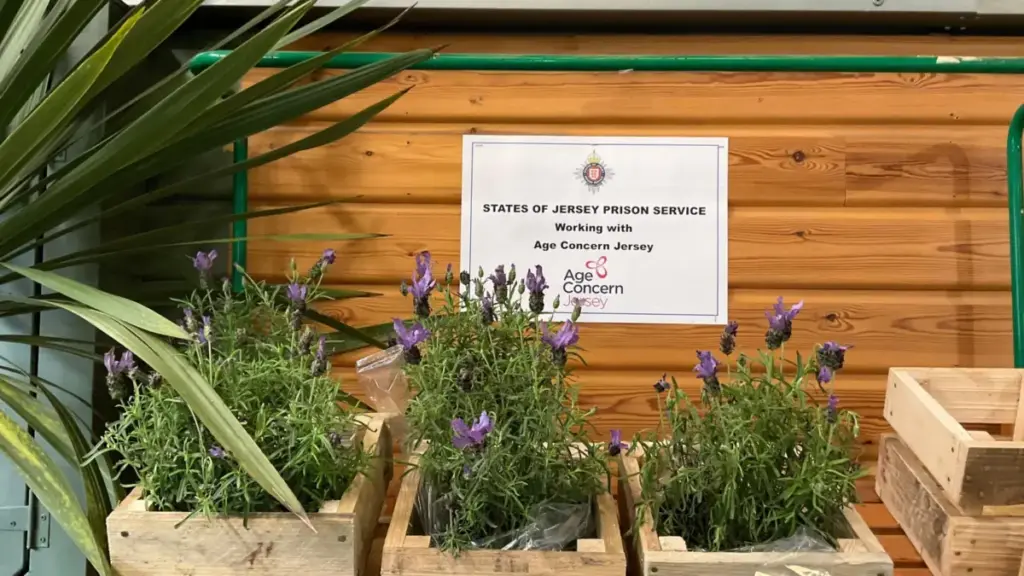
Beyond the hedgehog project, Gould noted that the prison’s vocational wing has actively engaged in other community-facing initiatives, including the construction of bespoke wooden planters and garden fixtures in support of organizations such as Age Concern Jersey. This diversified approach demonstrates a sustained institutional commitment to restorative justice.
Future Outlook: Sustaining Momentum and Expanding Horizons
The resounding success of the HMP La Moye hedgehog box initiative has established a robust blueprint for future collaborations between correctional facilities and local conservation groups. With the initial batch of 20 boxes completely sold out and demand continuing to surge among wildlife enthusiasts across Jersey, discussions are already underway to explore how production can be sustained and expanded in the months ahead.
For the Jersey Hedgehog Preservation Group, the steady influx of professionally built shelters ensures that their foster carers and release sites remain well-equipped to handle future rescue intakes. As urban expansion continues to squeeze natural habitats, having a reliable network of safe feeding and nesting stations deployed across private gardens and public green spaces will be crucial for stabilizing local hedgehog numbers.
For HMP La Moye, the project has reinforced the viability of community-integrated rehabilitation. By transforming discarded waste wood into instruments of wildlife preservation, inmates are not only repairing their own pathways toward legitimate employment and personal redemption—they are actively mending the ecological fabric of the island they will one day rejoin as free citizens.