Executive Overview
The opening weeks of August 2026 have delivered a profound juxtaposition of ancient biological revelation and intensifying contemporary environmental crisis. From the prehistoric depths of the Late Cretaceous to the chemically degraded waterways of modern-day England, recent scientific discoveries and ecological disruptions underscore a singular, urgent reality: the planet’s aquatic ecosystems are experiencing systemic stress on an unprecedented scale.
While paleontological breakthroughs have rewritten our understanding of prehistoric marine food webs—revealing that giant, 19-metre octopuses once dominated ancient oceans—modern marine scientists and conservationists are confronting a wave of contemporary collapses. In the fisheries sector, Japan’s vital Pacific sardine industry has suffered a catastrophic failure, while drifting tuna fishing gear continues to breach more than half of the world’s designated marine protected areas. Concurrently, climate pressures are accelerating. Recent data confirms a dangerous acceleration in global warming over the past decade, placing immense physiological strain on apex predators such as great white sharks, while extreme heatwaves and toxic runoff have decimated local fish populations in English waterways.
This comprehensive briefing examines the interconnected threads of modern marine science, industrial fisheries management, territorial conservation struggles, and the overarching climate emergency. As policymakers, researchers, and local communities grapple with these compounding challenges, the overarching consensus remains clear: incremental adjustments are no longer sufficient to secure the future of global aquatic and terrestrial environments.
Detailed Chronology
Early August 2026: Scientific Revelations and Funding Anxieties
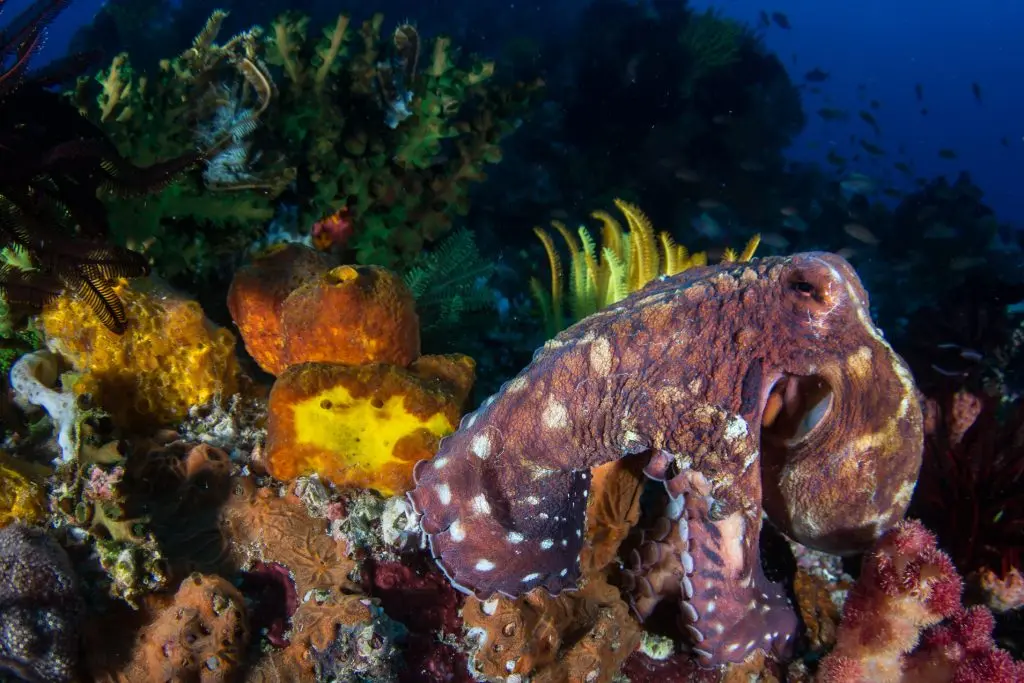
- Prehistoric Apex Predators: Paleontological research published in early August revealed compelling evidence that colossal octopuses, potentially reaching staggering lengths of up to 19 metres, occupied the absolute peak of the marine food chain during the Late Cretaceous epoch.
- Cellular Immortality Studies: Concurrently, marine biologists advanced their understanding of cellular renewal by studying a unique species of jellyfish capable of reversing its life cycle, offering fresh insights into the biological mechanisms of longevity.
- UK Scientific Standing Threatened: Domestic science policy faced intense scrutiny as researchers warned that lower public investment in research infrastructure risks diminishing Britain’s historical influence in global scientific discourse and stifling breakthrough innovations.
Industrial Fisheries and Regulatory Deficits
- Drifting Gear in Protected Zones: A landmark study released in late July and early August exposed that drifting tuna fishing apparatuses systematically infiltrate more than half of the world’s marine protected areas (MPAs), placing fragile wildlife populations at severe risk.
- Global Shark Finning Analysis: Comprehensive global assessments emphasized that the illegal and unsustainable removal of shark fins continues to exert devastating pressure on dwindling shark populations, necessitating immediate improvements in monitoring and enforcement.
- The Collapse of Japan’s Sardine Fishery: In a major blow to regional food security and commercial fishing economies, Japan’s Pacific sardine fishery collapsed entirely after expected stock returns in the eastern Hokkaido grounds failed to materialize.
- Norwegian Cleanup Operations: In response to pervasive "ghost fishing" hazards, Norway stepped up its coastal remediation initiatives to recover lost and abandoned commercial fishing gear along its rugged northern coastline.
Overseas Territories and Indigenous Conservation Challenges
- Tristan da Cunha Oil Spill: Conservation teams mobilized an emergency response operation following an environmental disaster involving an oil spill in the remote UK Overseas Territory of Tristan da Cunha, threatening local penguin colonies.
- Bermuda Fisheries Counterproposal: Bermuda’s local fishing community formally submitted an alternative management plan to the Bermuda Ocean Prosperity Programme (BOPP), highlighting tensions between top-down conservation mandates and local livelihoods.
- Falkland Islands Aquaculture Feasibility: Canadian consultants completed feasibility studies regarding the establishment of a commercial salmon aquaculture industry in the Falkland Islands, sparking localized debates over environmental impacts.
- Antarctic Polar Tourism Boom: The remote Weddell Sea experienced a surge in expedition tourism, prompting renewed calls to balance the growing appetite for polar exploration with rigorous safeguards for sensitive Antarctic ecosystems.
- Chagos Archipelago Invasive Species Impact: Research in the Chagos Archipelago demonstrated that invasive rat populations indirectly devastate coral reefs by decimating seabird colonies, thereby severing the critical nutrient transfer loop from land to sea.
Supporting Context & Metrics
The scope of contemporary ecological degradation can be measured across multiple fronts, bridging ancient evolutionary history with present-day industrial impacts:
- 19 Metres: The maximum estimated length of ancient giant octopuses that reigned as apex predators during the Late Cretaceous period.
- 50 Percent: The proportion of global marine protected areas (MPAs) currently penetrated or impacted by drifting industrial tuna fishing gear.
- 100 Percent: The alarming metric recorded in recent environmental assessments showing that every single assessed body of water in England contains measurable traces of toxic chemical pollution.
- 1st Time in 400 Years: The historic cancellation of a centuries-old Scottish seabird hunting tradition due to plunging avian populations and deepening conservation emergencies.
- Decade-High Warming Rates: Scientific documentation confirming that global temperature increases have accelerated over the past ten years, outstripping historical warming trajectories.
Official Statements and Expert Perspectives
The gravity of the current environmental juncture has drawn stark warnings from researchers, local stakeholders, and environmental commentators alike.
Commenting on the compounding pressures of rising global temperatures and industrial extraction, environmental analysts note:
"We launched a war on nature. Now we are in a climate war zone."
This sentiment is echoed by agricultural communities abroad who find themselves on the receiving end of industrialized nations’ waste management failures. Turkish farmers, grappling with the relentless accumulation of microplastics and environmental degradation resulting from imported UK plastic waste, voiced bitter frustration, stating that "nobody cares" as their productive farmland and local ecosystems are steadily compromised by foreign pollution.
In the realm of domestic governance, scientific societies have strongly criticized budgetary contractions. Researchers argue that cutting public science funding does not merely balance short-term ledgers; it actively undermines a nation’s global standing, handicapping its ability to respond to complex, transnational crises such as ocean acidification, chemical pollution, and biodiversity loss.
Future Outlook
As the international community navigates the remainder of 2026, the trajectory of marine conservation and climate resilience hinges upon decisive structural reform. The collapse of the eastern Hokkaido sardine grounds and the suffocation of fish stocks in Norwich’s River Wensum—driven by a lethal combination of extreme heat and polluted drainage—serve as a stark warning that aquatic systems are reaching critical tipping points.
Addressing these interconnected crises will require a fundamental reassessment of human interaction with the natural world. Priorities for the immediate future must include:
- Strengthening MPA Enforcement: Eliminating the intrusion of industrial drifting gear within legally protected marine sanctuaries.
- Reforming Waste Export Policies: Ensuring that developed nations take full responsibility for their plastic and chemical waste rather than offloading environmental burdens onto developing agricultural regions.
- Enhancing Freshwater Protections: Implementing stringent regulatory frameworks to purge toxic chemical inputs from domestic waterways and mitigate drought-induced oxygen depletion.
- Investing in Long-Term Science: Restoring and expanding public funding for marine research, ensuring that conservation strategies remain grounded in rigorous, empirical data.
Without these urgent interventions, the historical warning embodied by the ancient predators of the deep—and the fragility of modern marine life—will serve as a prelude to an irreversible ecological impoverishment of our oceans.