Executive Overview
For decades, volume-manufacturing titans like Honda, Toyota, General Motors, Ford, and Nissan operated under a reliable, high-volume playbook: engineer internal combustion engines (ICE) for every possible niche, satisfy disparate global market regulations, and maintain an intricate web of mechanical redundancies. Today, that playbook is an existential liability.
As the global transportation sector lurches toward complete electrification, capital and engineering talent have become strictly finite resources. Traditional automakers find themselves playing a frantic game of catch-up. The coming years will not merely test their profit margins; they will determine which legacy companies remain true product innovators and which devolve into glorified dealership networks for leaner, more agile market entrants.
The core dilemma facing legacy management is structural overextension. By continuing to funnel billions of dollars into incremental thermal efficiency improvements for conventional engines, competing in saturated traditional hybrid spaces, and manufacturing compromised parallel plug-in hybrids (PHEVs), legacy brands are rearranging deck chairs on the Titanic.
To survive the great transition, automakers must ruthlessly prune their powertrain portfolios. They must categorize vehicle types by their genuine utility as bridge technologies, leverage modular third-party innovations like range-extended electric architectures, and direct their primary capital reserves exclusively toward scalable battery-electric vehicle (BEV) ecosystems and advanced software integration. Those that fail to make these hard choices risk terminal irrelevance.
Detailed Chronology: The Evolution of the Powertrain Dead End
To understand why legacy manufacturers are stumbling today, one must examine how the automotive industry arrived at this multi-powertrain impasse over the past two decades.
- The Early 2000s to 2010s — The Era of Incremental ICE Optimization: Following the turn of the millennium, tightening emissions standards across North America, Europe, and Asia forced automakers to chase fractional gains in internal combustion efficiency. Billions were poured into multi-valve configurations, direct injection, turbocharging, and variable valve timing. While these measures kept ICE vehicles compliant, they initiated a compounding drain on R&D budgets.
- The 2010s — The Hybrid Diversification Boom: As public pressure mounted and early battery tech remained cost-prohibitive, traditional non-plug-in hybrids—spearheaded globally by Toyota—became the safe harbor for compliance and fuel economy. Simultaneously, parallel plug-in hybrids emerged as a regulatory cheat code, promising ultra-low carbon dioxide emissions on paper that rarely materialized on open roads.
- The Early 2020s — The Global EV Disruption: The rapid maturation of lithium-ion cell manufacturing, paired with pioneering market disruptions from companies like Tesla and major Chinese pure-play EV builders (such as BYD, Li Auto, and NIO), fundamentally altered consumer expectations. Software-defined vehicles, over-the-air updates, and instant torque rendered traditional mechanical refinements secondary.
- The Mid-2020s (Present Day) — The Reckoning of Overcapacity: Today, legacy automakers face a stark reality. Europe alone carries upwards of 20% excess manufacturing capacity for traditional powertrains—representing roughly 5.4 million vehicles or over 35 full assembly plants. Global markets are saturated, and companies that refuse to consolidate face severe capital starvation as they attempt to fund past legacy debts alongside future electric architectures.
Supporting Context & Metrics: A Rigorous Powertrain Audit
For a US-focused or global volume player, exactly five categories of vehicles remain part of the public discourse. A clear-eyed financial and engineering audit reveals precisely where capital should—and should not—be deployed.
1. Conventional Gas & Diesel: The Declining Cash Cow
Automakers will undoubtedly continue selling internal combustion engine cars and trucks for another decade to 15 years in various emerging and transitional markets. However, continuing to invest heavily in engineering specialized upgrades for these engines is a severe misallocation of capital.
The market is not about to reward a company for delivering a 50% better gasoline engine. Pouring billions into securing another 1–2% bump in thermal efficiency yields a negligible return that no consumer will notice or pay a premium for. The winning strategy here is minimalist: refresh styling, update infotainment screens, and let existing tooling run its course.
Worse yet, the structural overhang of global ICE capacity threatens residual values industry-wide. As Asia-Pacific and European manufacturers stare down tens of billions in potentially stranded ICE assets, optimizing a declining business model is a trap. If a breakthrough mechanical engine design genuinely emerges down the road, licensing or purchasing the technology outright is far cheaper than maintaining massive internal combustion engineering divisions.
2. Traditional (Non-Plug-In) Hybrids: The Commodity Bridge
Traditional hybrids are enjoying a commercial renaissance, particularly in the United States, as risk-averse consumers hesitate to leap directly into pure EVs. Toyota has mastered this art, demonstrating that these systems provide an effective stepping stone.
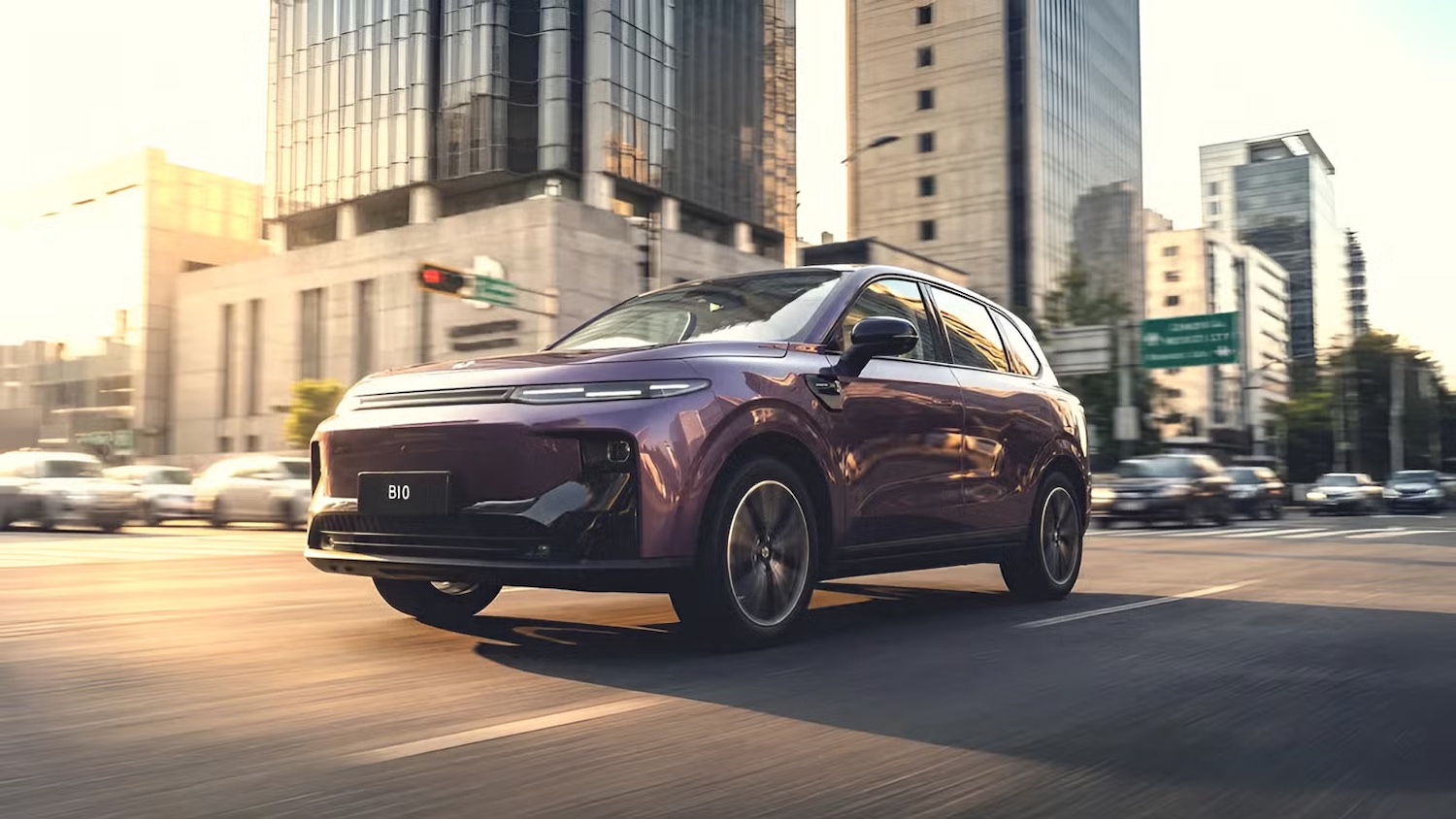
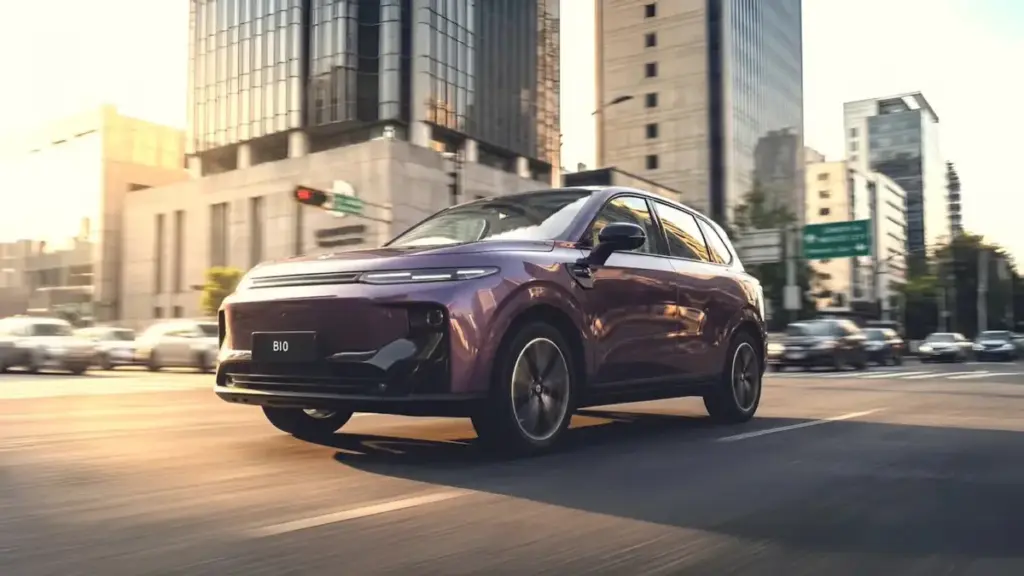
Yet, this commercial success does not justify across-the-board internal investment for every volume manufacturer. Development spending on conventional hybrids should be slashed by roughly half. A massive global flood of commoditized hybrid systems—many engineered at scale by agile Chinese manufacturers—is entering the marketplace. When automakers need hybrid hardware and software moving forward, buying off-the-shelf solutions from specialized Tier-1 suppliers will be far more economical than building redundant systems from scratch.
3. Traditional Parallel Plug-In Hybrids (PHEVs): The Compromised Compromise
Parallel PHEVs look versatile on paper: an internal combustion engine, an electric motor, and a transmission capable of driving the wheels independently or in tandem. In practice, they represent a worst-of-all-worlds engineering compromise.
These vehicles carry excessive weight due to the dual-powertrain packaging burden, resulting in compromised interior packaging and higher baseline costs. Furthermore, their pure electric range is typically restricted to 20 to 40 miles—sufficient for short urban commutes, but entirely inadequate for fundamentally altering consumer fuel habits.
Real-world usage data heavily penalizes this category. Extensive telematics and fleet studies—including prominent research out of Europe—consistently reveal that many parallel PHEV owners (particularly corporate fleet drivers reimbursed for gasoline rather than electricity) rarely plug their vehicles in. Consequently, these cars operate predominantly as heavier, more expensive, and less efficient gasoline vehicles. While existing top-sellers like the Toyota RAV4 Prime should continue to be supported for current owners, funding the development of new parallel PHEV platforms is a strategic dead end.
4. Series Hybrids / Range-Extended Electric Vehicles (EREVs): The Pragmatic Transition
In a true series hybrid or range-extended electric vehicle, the internal combustion engine is mechanically decoupled from the wheels. Instead, it serves a single, highly optimized purpose: running an onboard generator to feed electricity directly to the battery pack or traction motors. The vehicle is driven exclusively by electric propulsion.
This architecture offers transformative advantages:
- Simplified Drivetrain Integration: Eliminates complex multi-speed transmissions and mechanical linkage between the engine and axles.
- Optimized Engine Efficiency: The gas engine operates solely within its narrowest sweet spot of optimal thermal and fuel efficiency.
- Eradicated Range Anxiety: Consumers enjoy seamless, high-torque electric driving day-to-day, with the security of liquid fuel for long-haul journeys.
China has rigorously proven the viability of EREVs at scale. Brands like Li Auto built their empires on extended-range SUVs, while collaborations like Huawei and Seres’ AITO have moved hundreds of thousands of units.
Western manufacturers do not need to reinvent this wheel. Ready-made solutions already exist. For instance, Horse Powertrain—a joint venture uniting Renault, Geely, and Saudi Aramco—developed the C15 range-extender module. Roughly the size of an oversized briefcase (measuring approximately 500 × 550 × 275 mm), this compact unit integrates a 1.5-liter four-cylinder engine, generator, inverter, and cooling system. Designed to be mounted either horizontally or vertically, it can be dropped into existing battery-electric platforms with minimal structural redesign. Producing roughly 70 kW in naturally aspirated form or up to 120 kW turbocharged, and compliant with Euro 7, China 7, and SULEV20 standards, it runs seamlessly on gasoline, ethanol, methanol, or synthetic e-fuels. EREVs represent the smartest bridge technology available today.
5. Battery-Electric Vehicles (BEVs): The Inescapable Endgame
Pure battery-electric vehicles represent the ultimate destination for the global automotive industry. Every legacy volume manufacturer must decide whether it possesses the balance sheet and technical grit to compete at the bleeding edge.
For giants lagging behind, such as Toyota, entering strategic joint ventures with dominant Chinese EV platforms, battery cell suppliers, and software developers is a pragmatic path forward. Vertical integration and sheer manufacturing scale dictate success in the BEV arena far more aggressively than they ever did in legacy ICE manufacturing.

For smaller legacy players—such as Nissan, Honda, or Ford if their proprietary EV divisions fail to achieve cost parity—the risks are existential. Without the capital reserves and software depth required to produce globally competitive electric vehicles, these brands risk devolving into regional storefronts and marketing shells for superior foreign manufacturers. Software development, cell cost reduction, thermal management, and continuous over-the-air (OTA) improvements are non-negotiable core competencies.
Official Statements and Industry Perspectives
Industry analysts and institutional researchers increasingly echo the sentiment that capital diffusion is the primary threat to legacy survival.
As noted in recent market intelligence reports, the automotive sector is dividing cleanly into two camps: those aggressively streamlining operations around software-defined BEVs and targeted range extenders, and those attempting to maintain legacy breadwinners until insolvency forces their hand.
European fleet analytics published by institutions studying real-world carbon outputs have similarly underscored the regulatory vulnerabilities of maintaining parallel PHEVs. Regulators are growing wise to the "compliance paper trail" of plug-in hybrids that operate exclusively on fossil fuels in the wild, signaling that future tax credits and fleet mandates will heavily favor either true zero-emission BEVs or highly efficient, verified series-hybrid platforms.
Furthermore, supply chain alliances like the Horse Powertrain venture highlight a growing industry consensus: modular component sharing is the only way secondary and tertiary manufacturers can affordably bridge the gap to full electrification without bankrupting their core operations.
Future Outlook
The old automotive playbook—characterized by spreading scarce engineering talent and capital budgets thinly across every conceivable powertrain variant—is dead.
The automotive winners of the next decade will be defined by an uncompromising focus on two foundational pillars:
- Pure Battery-Electric Mastery: Developing or licensing ultra-efficient, highly scalable BEV platforms supported by advanced software architectures and localized battery supply chains.
- Pragmatic Bridge Architecture: Utilizing compact, drop-in series hybrid and range-extender modules (such as the C15 system) to capture transitional consumer demand without sinking billions into redundant internal combustion R&D.
Everything else—from heavy reinvestment in conventional mechanical engines to the continued funding of complex, under-utilized parallel hybrids—amounts to a fatal delay. Legacy automakers must identify where they can achieve genuine operational excellence, cut the dead weight of their legacy portfolios, and fund the future before time runs out.