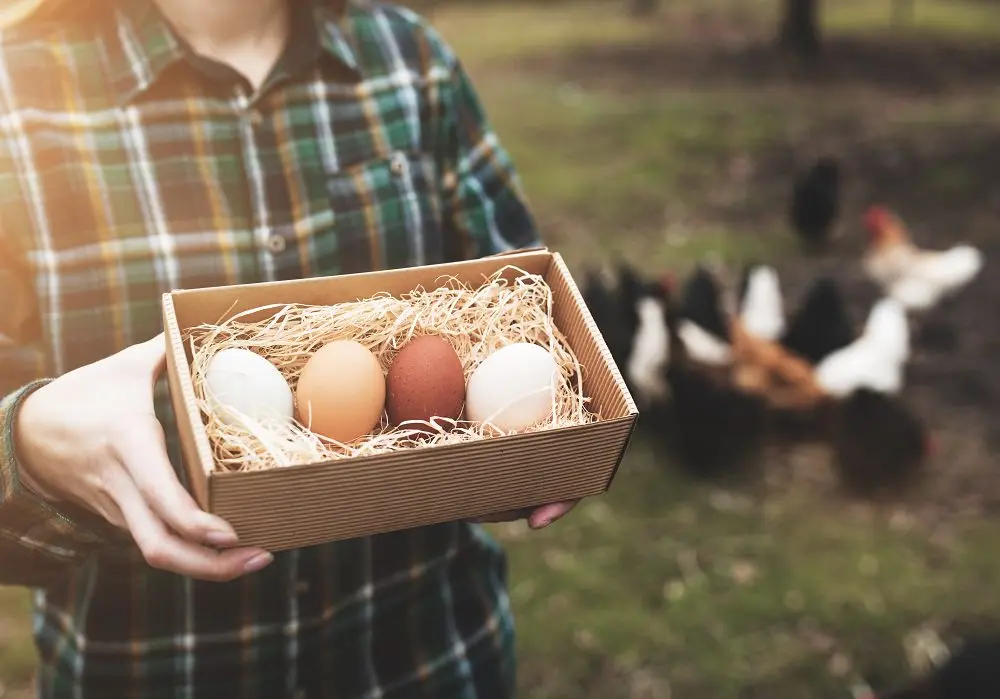
Executive Overview: The Great Backyard Chicken Experiment of 2022–2026
In March 2025, the retail price of a dozen Grade A eggs in the United States peaked at an unprecedented average of $6.22. Driven by a devastating, multi-year outbreak of Highly Pathogenic Avian Influenza (HPAI), commercial laying operations were decimated, creating severe supply-side shortages. In response, millions of American suburbanites and rural homeowners took matters into their own hands. Seeking to bypass empty supermarket shelves and astronomical grocery bills, households turned to backyard aviculture. By early 2025, an estimated 11 million U.S. households were harboring backyard flocks—nearly doubling the 5.8 million recorded in 2018.
By June 2026, however, the economic calculus had fundamentally flipped. The average price for a dozen Grade A eggs collapsed to $2.14. As commercial flocks recovered and supply chains stabilized, the financial incentive for amateur egg production vanished almost as quickly as it had arrived.
   $7.00 +--------------------------------------------------+
         |                                                  |
   $6.00 |                      * [March 2025: $6.22]       |
         |                     * *                          |
   $5.00 |                    *   *                         |
         |                   *     *                        |
   $4.00 |                  *       *                       |
         |                 *         *                      |
   $3.00 |                *           *                     |
         |               *             *                    |
   $2.00 |--------------*---------------+---* [June 2026:---|
         |                                  $2.14]          |
   $1.00 +--------------------------------------------------+
        2022           2023            2025        2026
Today, backyard chicken keepers face a sobering reality. The financial shield against inflation has dissolved, leaving owners to grapple with high recurring feed costs, restrictive municipal ordinances, and escalating biosecurity risks. The epidemiological ledger has grown alarmingly heavy: the H5N1 "Bird Flu" virus has claimed the lives of two U.S. backyard flock owners since 2024, while a persistent cluster of Salmonella outbreaks linked directly to backyard poultry has sickened more than 800 people across the nation.
This investigative report examines the rise and fall of the backyard chicken boom, the hard economics of home egg production in a deflated market, and the public health risks confronting keepers in 2026.
Detailed Chronology: From Price Spike to Market Collapse
The Pathogen-Driven Price Spike (2022–2025)
The roots of the backyard poultry boom lie in the historical biological crisis that struck the commercial poultry sector beginning in February 2022. Highly Pathogenic Avian Influenza (HPAI) tore through commercial facilities with unprecedented virulence. Over the next four years, the virus forced the culling of more than 166 million birds across both commercial and backyard flocks, including chickens, turkeys, ducks, pheasants, and geese.
The resulting supply shock triggered a dramatic rise in retail egg prices:
- 2022: Retail egg prices increased by 32.2%
- 2023: Prices stabilized temporarily, rising just 1.4%
- 2024: HPAI variants re-emerged, driving prices up another 8.5%
- 2025: The crisis peaked with a massive 21.9% annual surge, culminating in the March 2025 historic high of $6.22 per dozen.
During this period, panic-buying shifted from grocery aisles to agricultural supply stores. Hatcheries across the country reported order volumes surging by 80% or more, with many completely booking out their spring hatch inventories as early as February. Feed stores ran out of chicks weeks before their traditional spring "chick days" commenced.
  [Feb 2022] H5N1 Outbreak Begins -> 166M+ Birds Culled
         │
         ▼
  [2022-2025] Retail Egg Prices Surge (Peaking at $6.22/Dozen)
         │
         ▼
  [Early 2025] Backyard Flock Boom -> 11 Million U.S. Households Participate
         │
         ▼
  [Late 2025] HPAI Detections Slow Down -> Commercial Rebuilding Accelerates
         │
         ▼
  [June 2026] Retail Prices Collapse to $2.14/Dozen -> The Economic Ledger Flips
The 2026 Market Correction
The fever finally broke in late 2025. The U.S. Department of Agriculture (USDA) recorded a sharp drop in new HPAI detections during the first quarter of 2026 compared to the same period in 2025. This allowed commercial egg producers to rebuild their flocks. Replacement pullets (young female chickens) became widely available, covering both routine flock turnover and unpredictable localized losses.
By May 2026, retail egg prices had fallen 35.2% compared to the previous year. The USDA’s Economic Research Service (ERS) now projects an overall 30.4% decline in retail egg prices for the full 2026 calendar year. More strikingly, the prices paid directly to farmers (farm-gate prices) are forecast to plunge by 82.9%.
As egg prices normalized throughout 2026, first-time backyard buyers thinned out. Chick sales have shifted back to experienced, long-term keepers replenishing existing flocks. The speculative bet that backyard chickens could serve as a reliable financial hedge against grocery store inflation has officially been lost.
Supporting Context & Metrics: The Hard Math of Backyard Aviculture
To understand the gap between the perceived and actual value of keeping chickens, one must examine both biological limits and capital requirements.
The Biology of Egg and Meat Yields
The USDA projects that 21.5 dozen table eggs were available per capita in the United States in 2025, rising to 22.9 dozen in 2026. This translates to roughly 260 to 275 eggs per year for the average American.
While commercial laying hens averaged an impressive 300 eggs per bird in 2025 due to optimized lighting, temperature, and nutrition, backyard flocks cannot match this output. According to the University of Minnesota Extension:
- Hens begin laying around six months of age.
- Peak production occurs during the first two laying years, yielding roughly 180 to 250 eggs per hen annually.
- Production tapers off significantly after year two, though hens can live for five to ten years.
- Production drops off sharply during winter months unless keepers install supplemental lighting in their coops.
For households considering meat production (broilers) rather than eggs, the scale is even more challenging. The U.S. produced 102.7 pounds of broiler meat per capita in 2025, and is forecast to produce 102.8 pounds in 2026. Because a bird’s dressed weight is only 70% to 75% of its live weight, replacing one person’s annual chicken consumption requires raising and processing roughly 30 broiler birds per year. Crucially, meat breeds are biologically distinct from laying breeds; they are processed before they reach one year of age, and the meat of a retired, older laying hen is far too tough for standard roasting, suitable only for slow-cooked soup stocks.
The 2026 Financial Balance Sheet
For a standard suburban household, running a six-hen flock is rarely a profitable enterprise. When compared to conventional caged eggs, which averaged an advertised retail price of $1.02 per dozen in mid-July 2026, home production operates at a net loss. The math changes slightly when compared against United Egg Producers (UEP)-certified cage-free eggs ($2.65 per dozen) or organic varieties, but the payback period remains exceptionally long.
| Metric / Cost Category | Low-End Estimate | High-End Estimate |
|---|---|---|
| Annual Output (6 Hens) | 90 dozen eggs | 125 dozen eggs |
| Value at June 2026 Retail ($2.14/doz) | $190.00 | $270.00 |
| Value at Cage-Free Price ($2.65/doz) | $240.00 | $330.00 |
| Value at March 2025 Peak (~$6.22/doz) | $560.00 | $780.00 |
| Annual Operating Costs (Feed, Bedding, Supplies) | $250.00 | $600.00 |
| Initial Startup Costs (Coop, Run, Fencing, Birds) | $500.00 | $2,000.00 |
Data Source: U.S. Bureau of Labor Statistics, USDA Agricultural Marketing Service, and University Extension cost-of-production guides.
Under 2026 market conditions, a six-hen flock’s annual egg output barely covers its feed and bedding costs, leaving the initial capital investment for the coop and run entirely unrecovered.
Furthermore, spreadsheets frequently omit hidden costs:
- Predator-Proofing: Retrofitting coops with heavy-duty hardware cloth after raccoon or hawk attacks.
- Veterinary Care: Specialized avian veterinarians are rare and expensive; most hobbyists do not budget for sick birds.
- Travel Logistics: Hiring pet sitters or neighbors to tend to the flock during vacations.
- Retirement Costs: Feeding and housing older, non-productive hens that are kept as pets.
The Environmental Lifecycle Myth
A common justification for backyard flocks is environmental sustainability. Earlier public estimates suggested that home-raised eggs carry only one-third the carbon footprint of commercial eggs. However, life-cycle assessments (LCAs) do not support this claim.
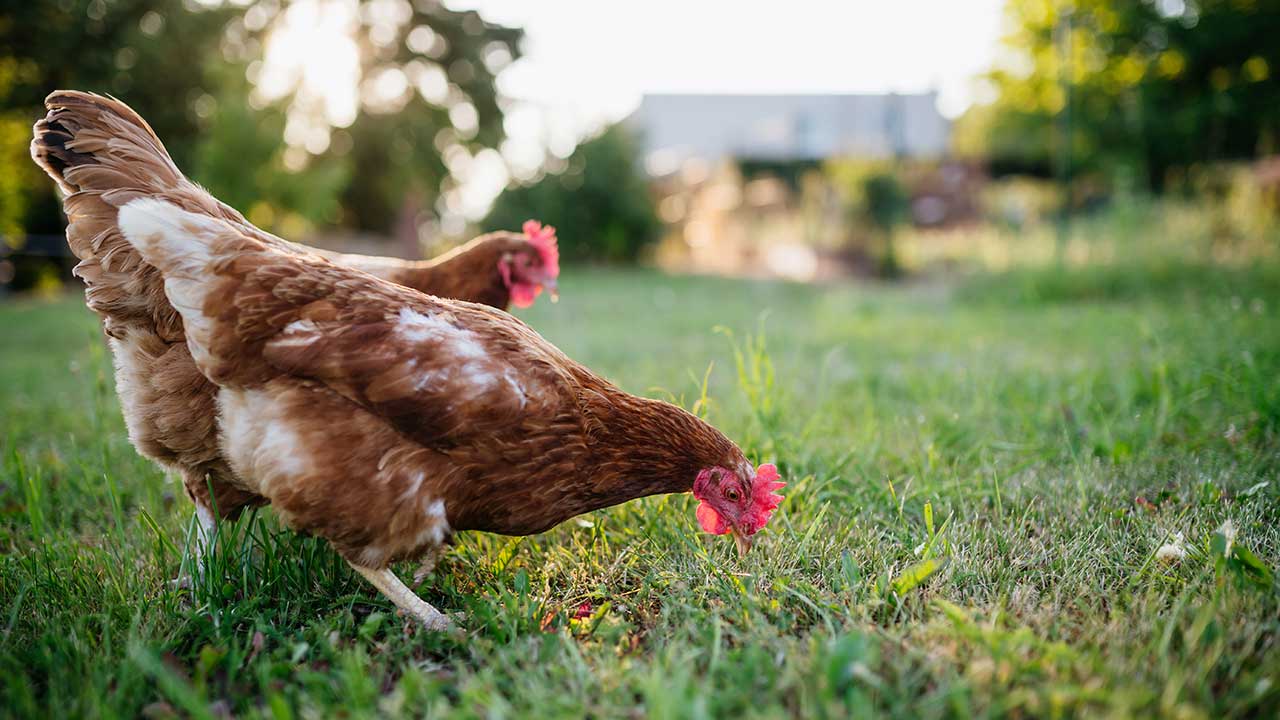
Feed production accounts for the vast majority of greenhouse gas emissions in egg production. Because backyard keepers rely on the same commercially formulated feed grains as industrial producers—but purchase them in small, un-optimized quantities without industrial scale efficiencies—their feed-to-egg conversion ratio is significantly less efficient. Backyard hens burn more energy regulating their body temperature in outdoor coops and lay fewer eggs per pound of feed consumed, resulting in a higher carbon footprint per egg than highly optimized commercial operations.
According to global food system meta-analyses, eggs generate approximately 4.7 kilograms of CO2-equivalent per kilogram of product, while poultry meat generates 9.9 kilograms. While poultry products remain far lower in impact than beef (60 to 99 kg CO2-eq), backyard production does not lower these numbers.
The genuine environmental benefits of a backyard flock are localized rather than global:
- Waste Diversion: Hens consume kitchen scraps, diverting organic waste from landfills where it would otherwise produce methane.
- Soil Enrichment: Chicken manure is high in nitrogen, phosphorus, and potassium, serving as an excellent organic fertilizer when composted.
- Pest Control: Free-ranging chickens naturally suppress yard pests, including ticks, grubs, and beetles, reducing the need for chemical pesticides.
Official Statements & Public Health Realities
The rapid expansion of backyard flocks into residential neighborhoods has brought significant public health challenges. Federal and state health agencies are currently managing dual epidemiological threats: zoonotic influenza transmission and systemic bacterial contamination.
                              ┌──────────────────────┐
                              │  Wild Migratory      │
                              │  Waterfowl (Vectors) │
                              └──────────┬───────────┘
                                         │
                                         │ (Droppings/Water)
                                         ▼
                              ┌──────────────────────┐
                              │   Backyard Poultry   │
                              │   Flocks (H5N1)      │
                              └──────────┬───────────┘
                                         │
                                         │ (Direct Handling)
                                         ▼
                              ┌──────────────────────┐
                              │  Human Infections    │
                              │  (71 Cases, 2 Fatal) │
                              └──────────────────────┘
Zoonotic Influenza: The H5N1 Threat
Wild migratory waterfowl remain the primary vectors for H5N1, shedding the virus in their droppings and contaminating local ponds, puddles, and feed dishes. Humans can easily transport the virus on boots, clothing, and equipment.
The Centers for Disease Control and Prevention (CDC) reports that since March 2024, 71 human cases of Influenza A(H5) have been confirmed in the United States. While the vast majority occurred among commercial dairy and poultry workers, three cases involved backyard flock owners. Tragically, two of those three cases were fatal:
- A backyard flock owner in Louisiana passed away in early 2025.
- A second owner in Washington State died in November 2025.
While the CDC maintains that the risk of H5N1 to the general public remains low, the risk is substantially higher for individuals who handle sick or dead domestic birds without proper Personal Protective Equipment (PPE).
The Biosecurity Knowledge Gap
In May 2026, the CDC published a study in its Morbidity and Mortality Weekly Report (MMWR), surveying 638 backyard flock owners across 48 states. While 94% of respondents were aware of avian influenza, the survey revealed critical gaps in daily biosecurity practices:
- 37% of keepers reported washing their hands with soap and water after handling poultry or coop equipment.
- 35% maintained dedicated footwear for coop entry to prevent tracking pathogens into their homes.
- 12% cleaned their coops on a weekly basis.
- 41% allowed their chickens to free-range in areas accessed by wild birds, directly exposing them to potential H5N1 vectors.
Health officials emphasize that knowledge and protective behavior must align. To assist keepers, the USDA’s "Defend the Flock" program has condensed essential backyard biosecurity into four mandatory habits:
- Keep Your Distance: Restrict access to your property and keep birds contained to prevent contact with wild waterfowl.
- Keep It Clean: Wash hands, scrub boots, and disinfect tools before and after contacting your flock.
- Don’t Borrow Disease: Never share lawn care or poultry equipment with neighbors or other bird owners.
- Know the Warning Signs: Monitor flocks daily for sudden deaths, respiratory distress, watery diarrhea, or a sudden drop in egg production.
Official Directive from the USDA: Do not handle sick or dead birds, their litter, or contaminated water without personal protective equipment. Report sick or dead birds immediately to your state veterinarian or to the USDA toll-free hotline at 1-866-536-7593. If a backyard flock tests positive for HPAI, state and federal guidelines require immediate depopulation of the entire flock to prevent regional transmission.
The Salmonella Outbreaks
While avian influenza poses the most severe health risks, Salmonella infections are far more common. As of July 27, 2026, the CDC is actively investigating eight multistate Salmonella outbreaks directly linked to contact with backyard poultry.
The current 2026 outbreak metrics are highly concerning:
- 814 confirmed cases across 44 states and one U.S. territory.
- 201 hospitalizations documented among patients with available clinical data.
- 1 death reported in Washington State.
- 25% of all infected patients are children under the age of five.
   [Hatcheries] ────► [Shipping Boxes] ────► [Retail Feed Stores] ────► [Backyard Coops]
        │                     │                       │                       │
        ▼                     ▼                       ▼                       ▼
   Outbreak Strains      Salmonella Found        84% of Infected        814 Sickened;
   Genetically Linked    in Shipping Materials   Purchased in 2026      25% Under Age 5
Epidemiologists have traced these infections back to the source. Among the sickened poultry owners, 84% had purchased their birds since January 1, 2026, primarily from physical agricultural retail stores. Investigators successfully matched the outbreak strains to seven commercial hatcheries. In five states, the exact outbreak strain of Salmonella was isolated from the cardboard boxes used to ship baby chicks from hatcheries to retail stores.
Of clinical concern, several of the isolated bacterial strains display predicted resistance to first-line antibiotics, including ampicillin, ceftriaxone, and ciprofloxacin, making severe infections more difficult to treat.
Public health officials remind keepers that healthy-looking, clean birds can still shed Salmonella bacteria in their droppings. The CDC recommends strict household rules:
- Always wash hands thoroughly with soap and water immediately after touching poultry, coops, or eggs.
- Keep chickens out of human living spaces; never allow poultry inside the house, particularly in kitchens or bathrooms.
- Do not kiss or snuggle backyard birds, and do not eat or drink around them.
- Supervise young children around poultry, ensuring they do not touch their mouths after handling chicks.
Future Outlook: The Post-Boom Landscape of Home Food Production
The backyard chicken craze of the early 2020s was a direct reaction to a unique combination of pandemic-era lifestyle shifts, a biological crisis in commercial agriculture, and sharp food price inflation. As those forces subside in 2026, the home poultry sector is undergoing a necessary transition.
   Hobbyist Phase (Pre-2020) ──────► Panic/Inflation Boom (2022-2025) ──────► Post-Correction Era (2026+)
   - 5.8M households                 - 11M households                          - Market consolidation
   - Leisure-focused                 - Speculative hedge against inflation      - Professionalized husbandry
   - Low biosecurity focus           - Supply chain shortages                  - Strict biosecurity standards
Regulatory Consolidation
Municipalities are rapidly updating their local ordinances to address the challenges of dense backyard flocks. While several states have passed laws preventing cities from banning backyard hens entirely, municipalities are increasingly using zoning codes to manage risks.
Common local regulations in 2026 include:
- Flock Limits: Strict caps limiting households to between four and eight hens, often scaled directly to property acreage.
- Rooster Bans: Absolute prohibitions on male birds in residential zones to mitigate noise complaints.
- Setback Rules: Requirements that coops be situated at least 10 to 25 feet from property lines, and up to 50 feet from neighboring residences.
- Permitting and Fees: Mandatory registration, annual licensing fees, and biosecurity inspections.
- Commercial Restrictions: Prohibitions on the backyard slaughter of birds or the retail sale of home-produced eggs in residential zones.
A Return to Hobbyist Roots
With commercial egg prices projected to remain stable throughout the remainder of 2026, the financial incentive for keeping chickens has disappeared. The households continuing to maintain flocks are those who view the practice as a hobby, an educational tool for children, or a source of high-quality, pasture-raised eggs that are difficult to find in standard grocery stores.
The speculative era of backyard chickens is over. Moving forward, keeping home poultry will require a commitment to professional-grade animal husbandry, strict biosecurity, and an understanding of the real costs involved. For those willing to invest the time, labor, and capital, reaching into a nest box to retrieve a warm, fresh egg remains a deeply rewarding experience—but in 2026, it is officially a luxury, not a bargain.