
Executive Overview
In a sweeping reversal that has sent shockwaves through environmental advocacy groups, public health organizations, and agricultural communities nationwide, the U.S. Environmental Protection Agency (EPA) has officially scrapped a scheduled, comprehensive risk assessment concerning the use of sewage sludge as agricultural fertilizer. This critical regulatory about-face effectively dismisses a massive body of peer-reviewed federal research published less than two years ago, a 272-page synthesis that highlighted severe public health and environmental risks associated with per- and polyfluoroalkyl substances (PFAS)—commonly known as "forever chemicals."
Currently, nearly 60 percent of all municipal biosolids generated across the United States are applied to agricultural land as a low-cost fertilizer. By walking back the planned regulatory review, the EPA has averted what would have likely been a nationwide phase-out or strict restriction of this widespread practice. Instead of implementing protective federal mandates, the current administration has replaced the robust, data-driven assessment with a nine-page guidance document that relies on voluntary consumer recommendations. Critics argue this abdication of federal oversight effectively forces everyday citizens and farmers to fend for themselves against an invisible, bioaccumulative chemical threat embedded directly into the nation’s food and water supply.
Detailed Chronology: From Scientific Warning to Regulatory Reversal
The timeline of the EPA’s shifting stance on biosolids reveals a stark ideological and scientific fracture between successive federal administrations, leaving millions of acres of farmland caught in a precarious regulatory limbo.
January 2025: The Biden-Era Risk Assessment
Under the previous administration, the EPA released a comprehensive 272-page draft risk assessment designed to evaluate the true ecological and human health tolls of spreading PFAS-contaminated municipal sludge onto American croplands. Synthesizing decades of toxicological data, hydrological studies, and agricultural research, the document painted a troubling picture. It underscored how toxic compounds from industrial runoff, household goods, and commercial products channeled through municipal wastewater treatment plants were systematically concentrated in solid waste—subsequently delivered by the ton to farms growing crops for human consumption and animal feed.

Crucially, the January 2025 assessment was designed to establish a scientifically rigorous baseline that would empower state-level environmental agencies to enact protective measures. Forward-thinking states like Maine and Maryland had already preempted federal inertia, passing total bans on the application of biosolids in 2022 and 2024, respectively, after discovering devastating contamination in local dairy farms and water tables.
June 2029: The New Guidance and Dismissal of Science
The momentum toward stringent federal oversight ground to an abrupt halt. On June 29, the EPA published a new, streamlined nine-page guidance document that officially killed the proposed risk assessment.
In this document, the agency defended its about-face by claiming that municipal sludge does not pose a widespread threat to public health. The current EPA leadership asserted that the "potential risks" highlighted in the Biden-era draft were exaggerated and misleading. The agency went so far as to formally declare that the previous Draft Risk Assessment "exhibited a number of serious flaws that have caused confusion among the public."
Environmental attorneys and public health watchdogs reacted with immediate alarm. "It’s shocking for the EPA to take a scientific assessment and simply throw it out," remarked Laura Dumais, an attorney with Public Employees for Environmental Responsibility (PEER), a prominent non-profit organization that filed a notice to sue federal regulators on behalf of Texas farmers in 2024 to halt the practice of using biosolids as fertilizer.

Supporting Context & Metrics: The Scale of the PFAS Biosolids Crisis
To understand the gravity of the EPA’s decision, one must examine the staggering scale of biosolids utilization in the United States and the insidious nature of the contaminants involved.
What Are Biosolids, and How Did They Get Into Our Fields?
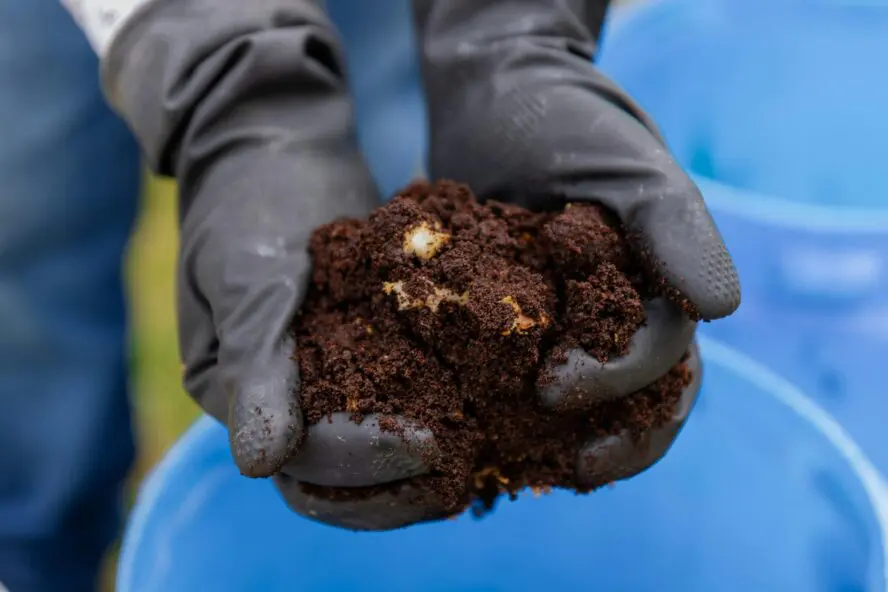
Biosolids are the solid, semi-solid, or liquid residue generated during the treatment of domestic and industrial sewage in wastewater treatment facilities. Beginning in the early 1990s, the EPA actively encouraged the beneficial reuse of this waste. Rather than paying millions to incinerate or landfill the sludge, municipalities found a willing partner in the agricultural sector: farmers looking for free or low-cost sources of nitrogen, phosphorus, and organic matter.
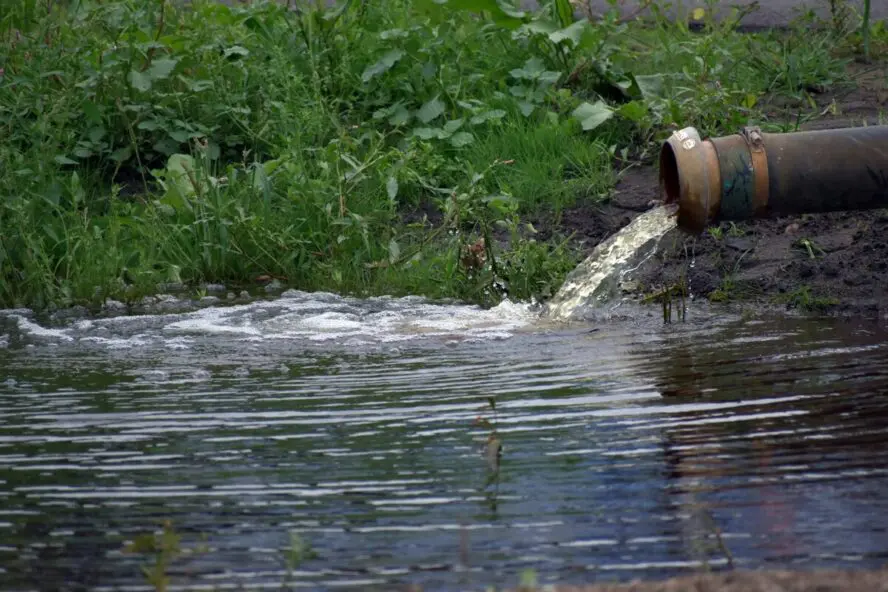
However, wastewater treatment plants are not designed to filter out synthetic, indestructible chemical bonds. PFAS—a class of roughly 15,000 man-made chemical compounds used in everything from non-stick cookware and waterproof apparel to firefighting foams and stain-resistant carpets—routinely pass through treatment facilities virtually untouched. When the resulting sludge is spread over farm fields, these chemicals do not break down. Instead, they bind to the soil, are absorbed by plant roots, leach into groundwater tables, and accumulate in the tissues of grazing livestock.
The Footprint of Contamination
The environmental footprint of this practice is continental in scale. A landmark investigation published by The Guardian in 2022 revealed that approximately 20 million acres of agricultural land in the United States may be contaminated with PFAS as a direct result of municipal sludge application.
The health implications of persistent PFAS exposure are well-documented by toxicologists and federal health agencies. Chronic exposure has been causally linked to:
- Oncological risks: Elevated incidences of kidney and testicular cancers.
- Reproductive and developmental disorders: Reduced fertility, low birth weights, and developmental delays in children.
- Immunotoxicity: Decreased vaccine response and weakened immune system efficacy.
- Metabolic and hepatic stress: High cholesterol, liver damage, and thyroid hormone disruption.
Beyond human health, the agricultural consequences have been catastrophic for individual producers. Across states like Maine, Michigan, and Texas, dairy and livestock farmers who utilized municipal biosolids as fertilizer have watched helplessly as their herds fell ill, developed mysterious wasting diseases, and died, forcing entire multi-generational farming operations into bankruptcy due to milk and meat that exceeded safe contamination thresholds.
Official Statements and Legal Pushback
The EPA’s pivot away from regulation has ignited a fierce backlash from legal experts, environmental scientists, and advocacy groups who argue that the agency is shirking its statutory duty to protect public health and the environment.
Jean Zhuang, a senior attorney with the Southern Environmental Law Center, criticized the agency’s refusal to engage with empirical data. "The draft risk assessment synthesized decades of scientific research," Zhuang explained. "By abandoning that assessment, this administration is getting in the way of protecting people from toxic chemical contamination. Instead of engaging with that science, EPA is trying to downplay the problem."
Furthermore, legal analysts point out that the nine-page guidance document offers zero enforceable protections. Instead of setting strict federal limits on PFAS concentrations in agricultural inputs, the agency has relegated its responsibilities to consumer-level self-defense.
"The EPA’s solution here is ‘do your own research—we’re not going to regulate anything, so if you think it’s dangerous then figure it out for yourself,’" said Laura Dumais of PEER.
This regulatory retreat is not happening in a vacuum. Investigative reporting by WRAL News highlights this decision as a centerpiece of what is rapidly becoming one of the largest deregulatory efforts in EPA history concerning chemical safety. It closely follows other controversial moves by the agency, including efforts to roll back or weaken proposed limits on specific PFAS compounds—such as PFOA and PFOS—in national drinking water standards earlier in the year.
Future Outlook: Navigating a Post-Assessment Landscape
As the federal government steps back from its oversight of PFAS in biosolids, the burden of managing this chemical crisis has been forcefully shifted to state governments, local municipalities, and agricultural producers.

The Burden Shifts to the States
With federal guardrails dismantled, the regulatory battleground has shifted entirely to state legislatures and judicial systems. States that prioritize environmental health—particularly those in the Northeast and parts of the West Coast—are expected to follow the pioneering paths of Maine and Maryland by enacting independent bans or ultra-strict moratoriums on the land application of sewage sludge.
However, in agricultural powerhouses where state legislatures are more closely aligned with agribusiness and municipal waste-management lobbies, farmers may find themselves entirely unprotected. Without federal labeling requirements or tracking mechanisms for PFAS-laden biosolids, producers purchasing commercial compost or organic fertilizers may unknowingly introduce forever chemicals into their soil, jeopardizing their land value and marketability for decades to come.
The Looming Threat of Litigation
As affected farmers and rural communities continue to face devastating economic and health consequences, the courtroom is poised to become the primary venue for accountability. Expect an escalation in class-action lawsuits targeting not only wastewater treatment utilities that marketed contaminated sludge as safe, but also the chemical manufacturers who produced PFAS without adequate disclosure of their persistence in the environment.
Ultimately, the EPA’s decision to bury its own risk assessment leaves a glaring vulnerability in the American food safety net. While the agency has opted for administrative silence and voluntary guidelines, the forever chemicals sitting in millions of acres of topsoil will not simply fade away. Until federal regulators confront the reality of industrial waste recycling in agriculture, the cost of this policy retreat will continue to be paid by the health of American consumers and the livelihood of the nation’s farmers.