

Executive Overview
The global transition to electrified personal transportation is no longer a speculative future; it is an unfolding reality reshaping infrastructure, consumer habits, and automotive engineering. Yet, within the broader movement away from internal combustion engines (ICE), a nuanced debate persists among early adopters and mainstream consumers alike: Is the future strictly Battery Electric Vehicle (BEV), or do Plug-in Hybrid Electric Vehicles (PHEVs) serve as a necessary bridge for specialized lifestyles?
This question sits at the heart of a 12.5-year personal and familial case study in EV adoption. From the nascent days of the 80-mile Nissan Leaf to modern long-range Teslas and extended-range plug-in hybrids like the 2026 Toyota RAV4 PHEV, the calculus of car ownership involves balancing environmental ideals against the gritty realities of road-trip logistics, geographic charging infrastructure, and recreational utility.
While purists argue that pure BEVs represent the ultimate destination—offering supreme mechanical simplicity, zero tailpipe emissions, and lower maintenance costs—real-world use cases involving heavy gear, remote geographic relocation, and sparse rural charging networks reveal distinct cracks in the monolithic "BEV-only" narrative. This report examines the evolution of electric mobility through the experiences of a decade-plus EV household, contrasting the pure electric lifestyle with the strategic integration of modern plug-in hybrids.
Detailed Chronology: 12.5 Years of Electric Vehicle Evolution
Phase I: The Pioneers (2014)
Over a decade ago, entering the electric vehicle market required patience, compromise, and a tolerance for range anxiety. In early 2014, choices for eco-conscious drivers were starkly limited. Consumers essentially chose between two paths:
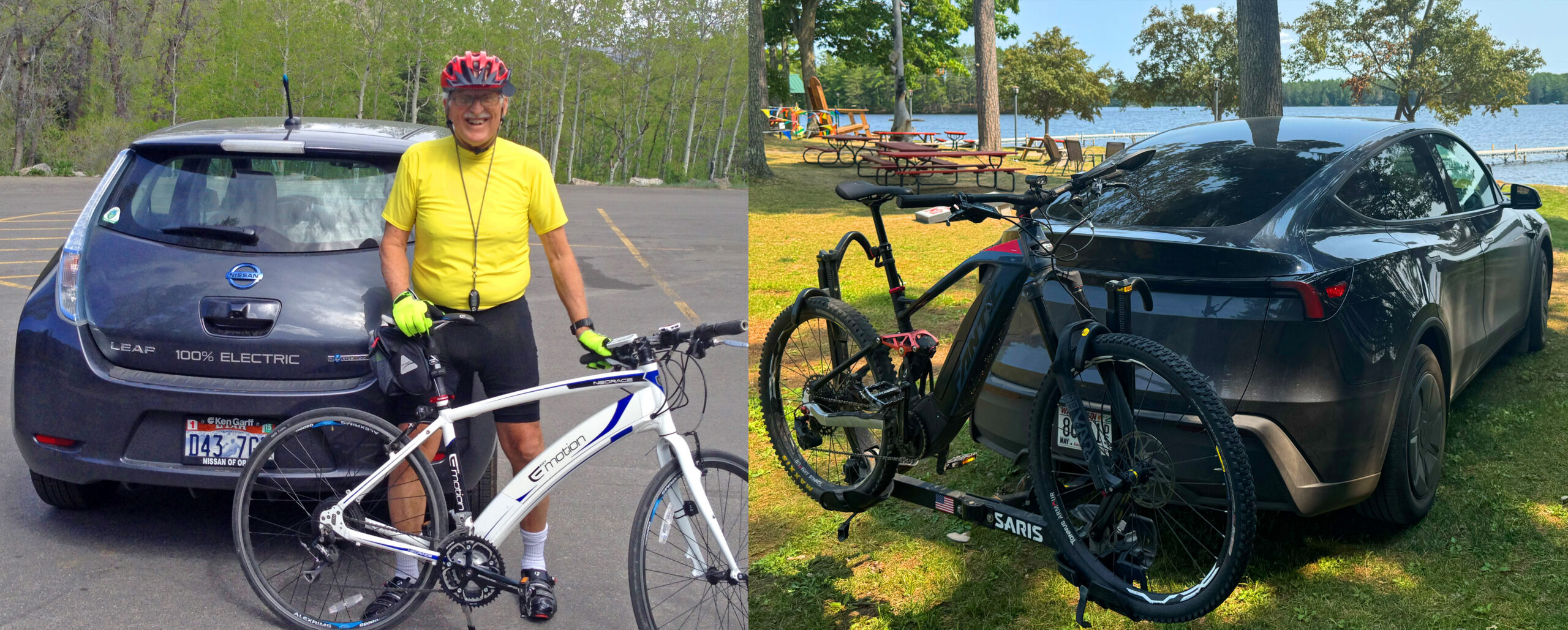
- The Nissan Leaf: A conventional five-seater offering whisper-quiet operation, smooth linear acceleration, and an EPA-estimated range of roughly 80 miles.
- The Chevy Volt: A pioneering plug-in hybrid featuring 40 miles of pure electric range backed up by a gasoline engine for longer journeys.
For early adopters committed to making an immediate, uncompromising environmental statement, pure BEVs were the definitive answer—provided households maintained a secondary gas-powered vehicle for extended trips. Over the subsequent twelve and a half years, this commitment manifested through successive ownership of three Nissan Leafs, a 2019 Tesla Model 3, and eventually a 2026 Tesla Model Y.
During this era, the narrative was straightforward: once a driver transitioned to a pure BEV, the friction of traditional car ownership—oil changes, transmission fluid flushes, exhaust repairs, and trips to foul-smelling gas stations—evaporated. For daily local driving, BEVs proved universally superior, combining instant torque with supreme reliability.
Phase II: The All-Electric Lifestyle & Its Limits (2018–2025)
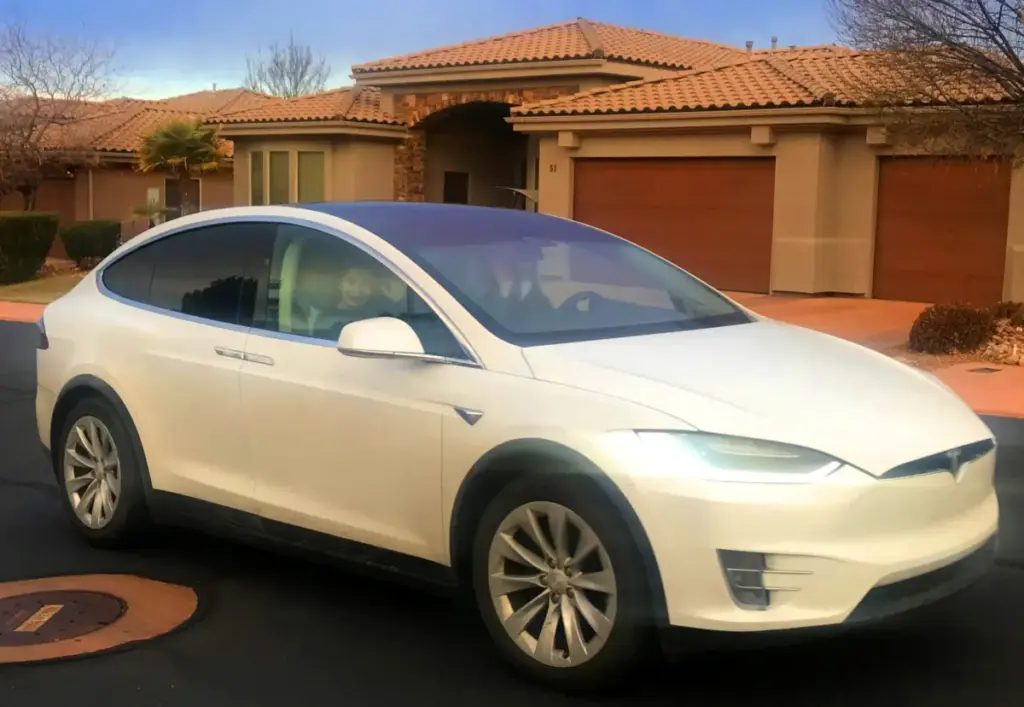
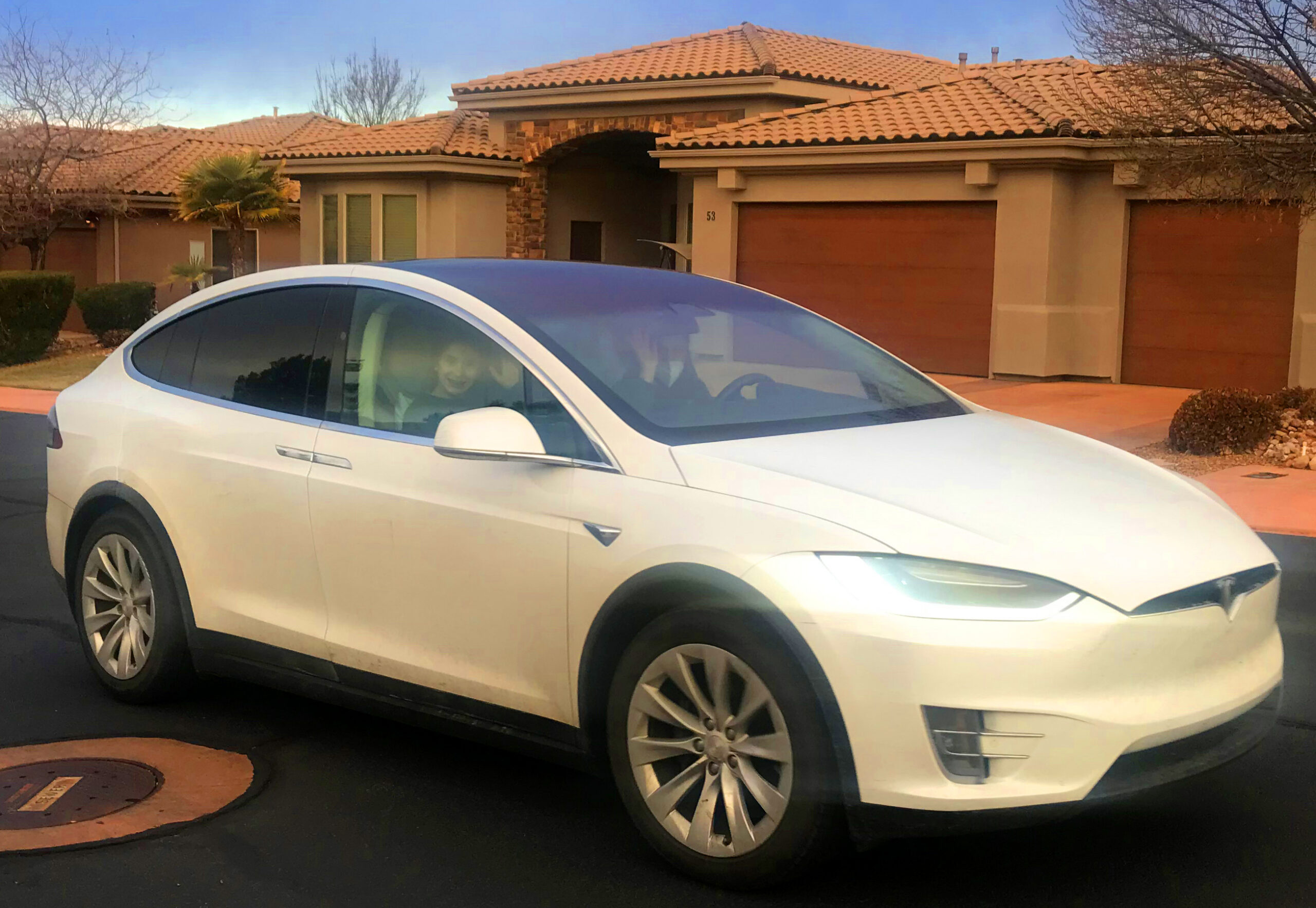
By 2018, the market matured significantly. High-utility BEVs like the Tesla Model X offered upwards of 300 miles of range, making them viable for outdoor enthusiasts who required all-wheel drive and cargo space for bicycles, skis, and camping gear.
For drivers based in major metropolitan areas with robust charging infrastructure—such as Salt Lake City, Utah—the ecosystem was accommodating. Superchargers lined major regional corridors north, south, and east, allowing owners to charge seamlessly at home while retaining long-distance touring capabilities.

However, stress tests of the all-electric lifestyle exposed specific operational vulnerabilities. Aerodynamic drag and rolling resistance compounded dramatically when lifestyle equipment, such as dual mountain bikes, was mounted to rear exterior racks. On long-haul journeys—such as a cross-country transit from Utah to Oregon—the aerodynamic penalty decimated the vehicle’s efficient range.
What should have been a standard eight-hour driving day turned into an ordeal requiring charging stops nearly every hour, adding roughly four hours of cumulative downtime. For users whose recreation involved remote trailheads and long stretches of highway devoid of high-speed charging, the pure BEV model encountered severe practical friction.
Phase III: Geographic Pivot and the Rise of the Modern PHEV (2026)
By 2026, lifestyle shifts—such as relocating from urban centers to remote lake country in Northern Wisconsin—exposed acute infrastructure gaps. In regions where Tesla Superchargers and DC fast-charging stalls remain sparse, relying exclusively on a pure BEV for heavy recreational hauling becomes increasingly impractical.
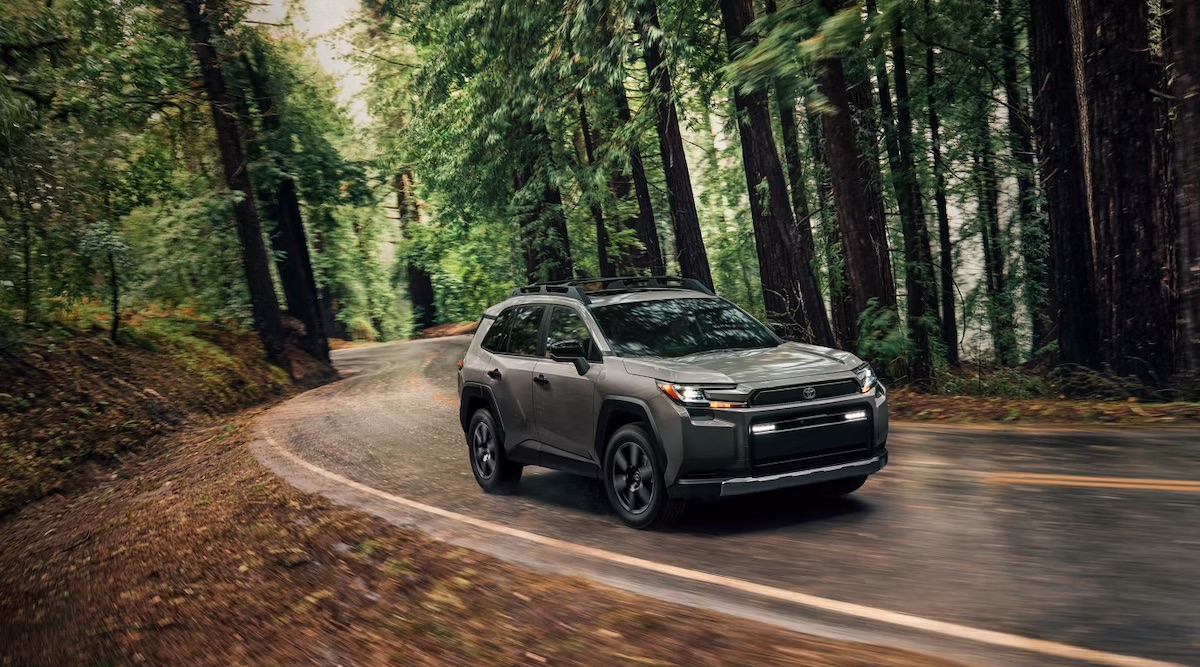
This realization prompted a strategic pivot toward the plug-in hybrid market, specifically targeting vehicles where manufacturers have substantially improved electric-only range. The acquisition of a 2026 Toyota RAV4 PHEV (dropping the older "Prime" nomenclature to streamline branding) highlighted how far hybrid technology has evolved.
With an electric-only range now pushing past 50 miles (and reaching up to 54 miles in real-world testing), modern PHEVs can handle 90% of daily local driving without consuming a drop of gasoline. When paired with an existing Level 2 (240V) home charger, replenishing the battery takes a mere two to three hours. Yet, for cross-country or remote regional travel, the integrated hybrid powertrain provides a combined gasoline and electric range exceeding 500 miles, completely bypassing the need to hunt for rural charging stations.
Supporting Context & Metrics: BEV vs. PHEV Engineering Realities
To fully understand the divergence in consumer choice, one must evaluate the mechanical, financial, and environmental tradeoffs separating pure battery electric vehicles from plug-in hybrids.
Powertrain Complexity and Maintenance
The fundamental argument for a pure BEV rests on mechanical elegance. An electric vehicle drivetrain consists of remarkably few moving parts:
- No internal combustion engine: Eliminates pistons, camshafts, timing belts, spark plugs, and oil degradation.
- No multi-speed transmission: Eliminates complex gearboxes, clutches, and transmission fluid replacement schedules.
- Minimal braking wear: Regenerative braking handles the vast majority of deceleration, allowing brake pads and rotors to last the lifetime of the vehicle.
- Longevity: Electric motors are engineered to easily surpass a million miles, while modern lithium-ion battery chemistry demonstrates degradation curves that suggest battery packs will outlast the serviceable life of the vehicle chassis (often exceeding 500,000 miles).
Conversely, a plug-in hybrid introduces dual drivetrains. Owners must maintain an internal combustion engine alongside an electric motor and battery system. This means traditional maintenance schedules—oil changes, emissions inspections, exhaust system checks, and cooling system flushes for both systems—re-enter the ownership equation.
The "Never-Charged" PHEV Phenomenon
A major criticism leveled against PHEVs by clean energy advocates is that a significant percentage of owners fail to plug them in regularly. When charged on a standard US 110V household outlet (Level 1), replenishing a depleted PHEV battery can take upwards of 10 hours. Discouraged by the slow charge times and unwilling to incur the installation expense of a dedicated 240V Level 2 home charger, many consumers treat PHEVs like conventional gas-hybrid vehicles, forfeiting the environmental and economic benefits of electric driving.
However, when paired with an existing Level 2 home charging setup—leftover from a previous BEV ownership cycle, for instance—the dynamic changes entirely. Drivers disciplined in plugging in nightly capture the full utility of the electric range for local commutes, effectively reducing tailpipe emissions to near-zero for the majority of their annual mileage while eliminating range anxiety on long hauls.
Comparative Metrics
| Metric / Feature | Pure Battery Electric Vehicle (BEV) | Modern Plug-In Hybrid (PHEV – e.g., 2026 RAV4) |
|---|---|---|
| Local Emissions | Zero tailpipe emissions | Zero tailpipe emissions (in EV mode) |
| Long-Distance Travel | Dependent on DC fast-charging infrastructure | Relies on gasoline infrastructure (500+ mile range) |
| Mechanical Simplicity | Extremely high (few moving parts, no transmission) | Moderate (dual drivetrain: ICE + Electric) |
| Maintenance Burden | Minimal (no oil changes, minimal brake wear) | Traditional (annual oil changes, dual system upkeep) |
| Charging Flexibility | Requires public or home electrical infrastructure | Versatile (electric daily, gasoline on demand) |
| Aerodynamic Penalty Impact | High (reduces effective range on road trips significantly) | Low impact on overall trip time due to liquid fuel backup |
Future Outlook: The Road Ahead for Electrified Transit
The automotive landscape of the mid-2020s demonstrates that consumer adoption cannot be forced into a single, rigid technological mold. While the ultimate destination for sustainable transport remains the pure battery electric vehicle, the journey toward total electrification requires acknowledging current infrastructure limitations and diverse consumer use cases.
For urban dwellers, commuters, and motorists traversing well-developed highway corridors, pure BEVs represent the undisputed pinnacle of automotive engineering, offering unmatched reliability, zero maintenance headaches, and effortless local convenience.

At the same time, vehicles like the modern plug-in hybrid serve a vital transitional role. By offering meaningful all-electric ranges (50+ miles) that cover daily driving routines, combined with the failsafe redundancy of liquid fuel for heavy hauling and remote travel, PHEVs provide an accessible bridge for consumers who might otherwise reject electrification altogether.
As charging infrastructure continues to expand into rural corridors, and as battery energy densities improve to mitigate the range penalties of towing and outdoor gear hauling, the market will naturally tip further toward pure electrification. Until then, consumer choice remains guided by a pragmatic balance of environmental responsibility, technological capability, and personal lifestyle demands.



