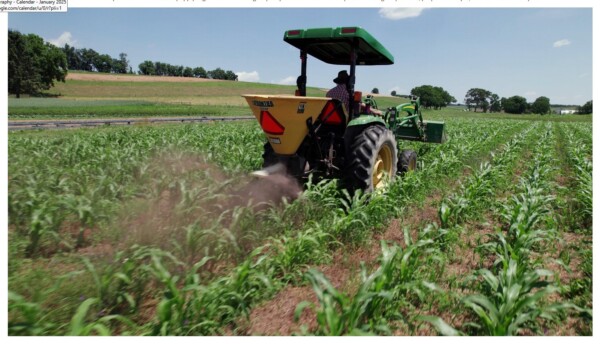
For decades, the greatest barrier to scaling regenerative organic agriculture has not been a lack of interest, but a lack of accessible, rigorous education. Mastering the craft of sustainable farming requires a formidable multidisciplinary toolkit. An aspiring or transitioning organic farmer must possess working competencies in complex fields as diverse as soil science, entomology, complex crop rotations, mechanical and biological weed control, cost accounting, and the labyrinthine compliance protocols required to secure and maintain organic certification.
Historically, acquiring this high-level expertise meant relocating to dedicated agricultural hubs, committing to lengthy, immersive residencies, or attempting to piece together disjointed, surface-level tutorials found across the internet. For the modern farmer—trapped in a relentless work cycle defined by sun-up-to-sun-down labor, absent of weekends, and devoid of traditional vacations—such immersive on-site programs have remained largely out of reach.
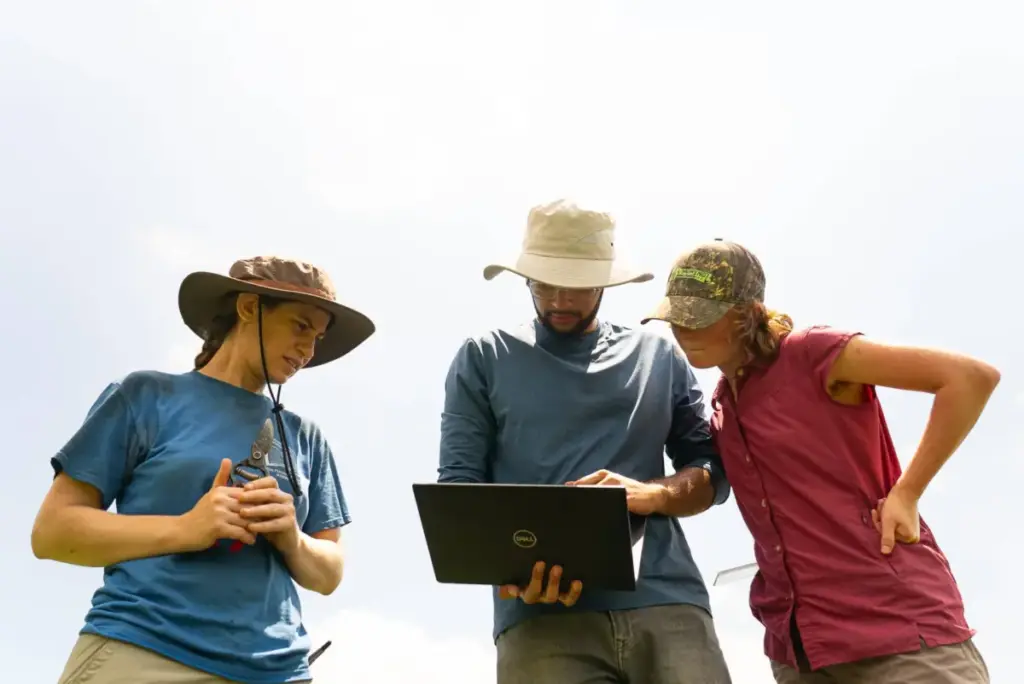
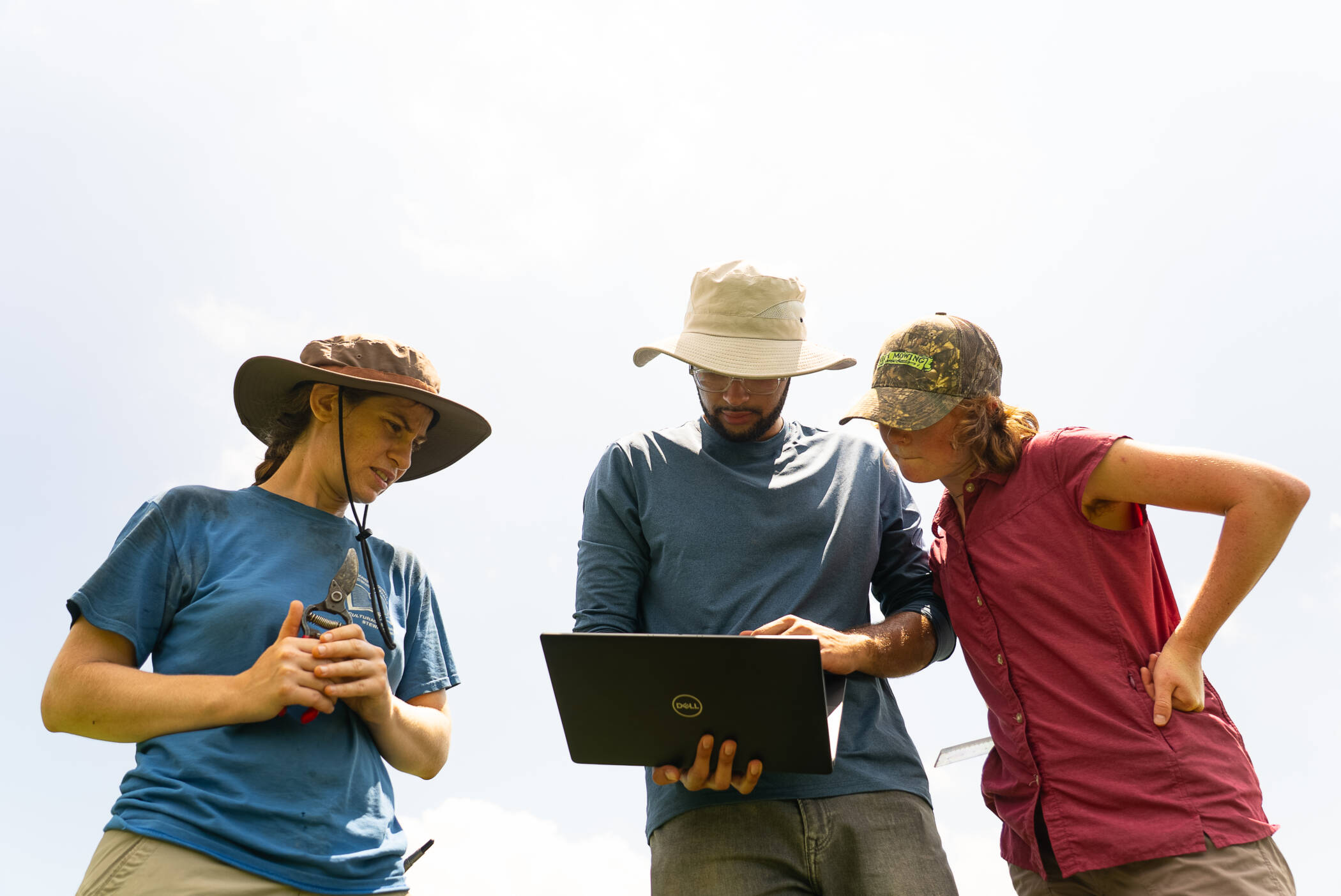
Now, a monumental shift is underway. The pioneering Rodale Institute, an organization with over 75 years of groundbreaking research and experience-tested agricultural expertise, has officially bridged the gap between its renowned physical campus and the digital world. Through the rollout of the Rodale Institute Farmer Training (RIFT) Online platform, the organization is taking its comprehensive, university-grade curriculum directly to agricultural entrepreneurs, transitioning producers, and everyday learners nationwide.
Powered by the robust Canvas learning management system, this virtual campus overcomes geographic and time constraints, scaling the Institute’s capacity from a dozen in-person residents a year to a projected 6,500 digital learners. By blending academic rigor with real-world practicality—and forging strategic alliances with agricultural nonprofits like Good Roots—Rodale Institute is effectively building the "regenerative organic agriculture YouTube" backed by empirical science. This initiative promises to fundamentally alter the landscape of modern farming, ensuring that the next generation of food producers has the financial, scientific, and operational foundations necessary to feed communities and heal the planet.
Detailed Chronology: From Pennsylvania Fields to the Digital Frontier
To understand the magnitude of Rodale Institute’s digital pivot, one must trace the historical trajectory of agricultural extension and the Institute’s own pedagogical evolution.
The Foundation of Practical Research (Mid-20th Century): Established in 1947 by J.I. Rodale, the Institute emerged as a pioneer of the organic movement in the United States. For decades, its primary mode of education relied on field research—most notably the Farming Systems Trial, the longest-running side-by-side comparison of organic and conventional agriculture—and physical, on-site dissemination of findings through print publications, bulletins, and localized workshops.
The In-Person RIFT Era (Early 2000s–Present): Recognizing that research alone was insufficient to drive adoption, the Institute launched the Rodale Institute Farmer Training (RIFT) program at its flagship Pennsylvania campus. Over more than 15 years, this rigorous, nine-month, in-person residency program served as a gold standard for hands-on agricultural entrepreneurship, successfully graduating cohorts of aspiring farmers equipped with deep, practical field knowledge. However, the physical constraints of the campus meant that program enrollment was strictly limited to a dozen or so individuals annually.
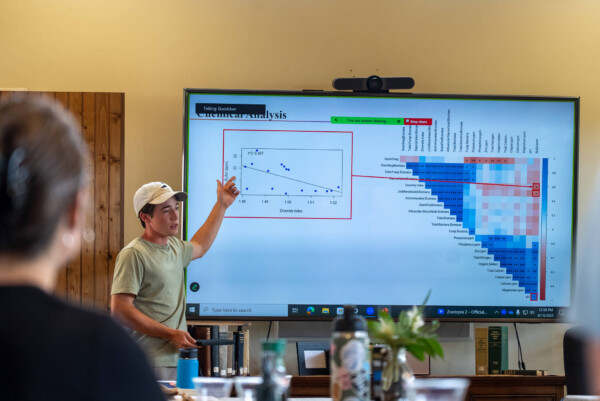
The Three-Year Digital Incubation (2021–2024): Recognizing that the demand for regenerative organic education vastly outpaced the physical capacity of its Pennsylvania farm, leadership initiated a quiet transformation. Over a three-year development period, education specialists and media teams systematically captured the core curricula of the RIFT program on video. They translated field demonstrations, classroom lectures, and laboratory insights into structured digital modules.
The Virtual Extension Launch (Present Day): The culmination of this multi-year development is the deployment of the RIFT Online virtual campus. Utilizing the enterprise-grade Canvas learning management system, the platform has unlocked access for thousands of agricultural producers. It allows remote learners to engage with university-level coursework on soil health, business management, and organic compliance from their tractors, farm offices, and kitchen tables across the country.
Supporting Context & Metrics: The Scale of the Challenge and the Solution
The imperative for scalable agricultural education is underscored by stark industry realities. Modern farming operates on razor-thin margins, and the transition from conventional chemical-heavy farming to certified organic production is fraught with risk. According to agricultural economists, transitioning farmers typically face a three-year transition period during which they must adhere to organic standards while often receiving conventional market prices for their crops, making financial literacy and precision soil management matters of economic survival.
Key Metrics and Operational Parameters:
75+ Years: The foundational depth of research, trials, and data accumulated by Rodale Institute, which forms the empirical basis of the online curriculum.
12 to 6,500: The exponential leap in educational capacity. While the legacy in-person RIFT program trains approximately a dozen new farmers annually on-site, the new virtual campus is architected to accommodate up to 6,500 farmers simultaneously.
3 Years: The intensive development timeline dedicated to filming, structuring, and testing the transition of in-person RIFT curricula into robust video-based digital modules.
9 Months to Self-Paced: The evolution of program delivery. While traditional residencies demanded strict relocation and full-time, months-long physical attendance, the virtual platform enables continuous, asynchronous, self-paced learning tailored to the grueling schedules of working agriculturalists.
[Traditional In-Person RIFT] ---> 12 Farmers / Year (Geographically Restricted)
                                           |
                                    (3-Year Digital R&D)
                                           |
[New RIFT Online Platform]   ---> 6,500 Farmers / Year (Nationwide & Asynchronous)
The Technological Infrastructure
Built upon the Canvas learning management system, the platform offers a sophisticated suite of educational tools carefully curated to eliminate tech anxiety. Far from passive video streaming, the platform integrates:
Interactive assignment drop-boxes for practical farm planning.
Peer-to-peer and instructor-led discussion boards, fostering a national digital grange where farmers can troubleshoot crop failures, share pest-management breakthroughs, and discuss market strategies.
Formative assessments, quizzes, and tests designed to ensure comprehension of complex biological and financial metrics.
Official Statements and Industry Perspectives
The transition from localized brick-and-mortar training to nationwide virtual extension has elicited strong validation from institutional leaders and external agricultural partners alike.
Renée Baran, Dean of Education at Rodale Institute, emphasizes the acute lifestyle constraints that necessitated this educational pivot:
"Farming is a unique way to make a living because farmers don’t get vacations or even weekends off when they can take time to focus on learning. But new farmers and many experienced ones have gaps in their knowledge they need to fill."
Baran also elaborates on the ultimate long-term vision for the initiative, stating:
"We want to be the ‘regenerative organic agriculture YouTube’ where farmers can find the information they’re looking for, but with real scientific integrity and a community of others to connect to and learn with."
Dr. Jason Slipp, Director of Education at Rodale Institute, highlights the academic rigor and user-centric design built into the new virtual architecture:
"At Rodale Institute, we have accumulated more than 75 years’ worth of knowledge, and for the past three years, we’ve been capturing much of our RIFT curriculum on video. We’re now offering it to farmers who are not able to enroll in our nine-month, in-person program… These are university-level classes based on proven instructional principles."
Addressing the accessibility of the technology, Slipp adds:
"This is easy for everyone to use, even if they’re not too tech-savvy."
The impact of this program extends beyond independent producers, drawing enthusiastic participation from external agricultural support networks. Rebecca Frimmer, partner and principal consultant for Good Roots—a nonprofit organization dedicated to helping organic farmers build lasting, sustainable businesses—points out the critical intersection of agronomy and enterprise management:
"Farmers need training in business management and finance to ensure they are profitable and viable for the long term. The biggest challenge for farmers is finding the time to balance all that must be done. It’s essential to carve out the space to work on the farm business and not just in the business."
Frimmer underscores how smaller-scale and emerging producers stand to benefit from Rodale’s digital democratization of knowledge:
"Smaller-scale producers may not have the resources to access consulting services or other professional services like bookkeeping and marketing. The self-paced educational resources and interactive support offered by Rodale Institute open up effective ways for Good Roots to ensure the next generation of farmers can scale up with strong financial and marketing foundations."
Future Outlook: Democratizing Organic Literacy for All
As the RIFT Online platform gains momentum, Rodale Institute is positioning itself to influence not only professional growers, but the broader consumer and hobbyist ecosystem. The future of regenerative agriculture depends not just on production, but on market demand driven by an educated public.
To address this, the Institute’s virtual campus has expanded its catalog beyond hardcore agronomy and farm accounting to include specialized modules designed for conscious consumers and home growers. Courses such as "Being a Regenerative Consumer" and "Regenerative Health: The Power of the Plate" translate the complex science of soil biology into accessible dietary and purchasing choices. Furthermore, hobbyists interested in backyard gardening or sustainable beekeeping can tap directly into the collective wisdom of Rodale’s professional staff.
Strategic Priorities for the Years Ahead:
Curriculum Expansion: Continuous integration of emerging data on climate-resilient crop varieties, carbon-sequestration accounting, and advanced mechanical weed-mitigation technologies.
Institutional Partnerships: Deepening collaborations with universities, agricultural extension offices, and nonprofits (such as Good Roots and regional farm apprenticeship programs) to embed RIFT Online into official agricultural training pipelines.
Community Network Scaling: Fostering a resilient, nationwide peer network that breaks down the historical isolation of rural farming, creating virtual support systems that span state lines.
By democratizing access to elite agricultural science and business acumen, Rodale Institute is doing more than launching an online school. It is building a resilient infrastructure for the future of food production. For the farmer working late into the evening under a tractor’s headlights, or the backyard gardener seeking to understand the microbial life beneath their feet, the gate to world-class agricultural knowledge is now wide open.
For complete details, course schedules, and registration information for the virtual campus, visit RodaleInstitute.org/education.