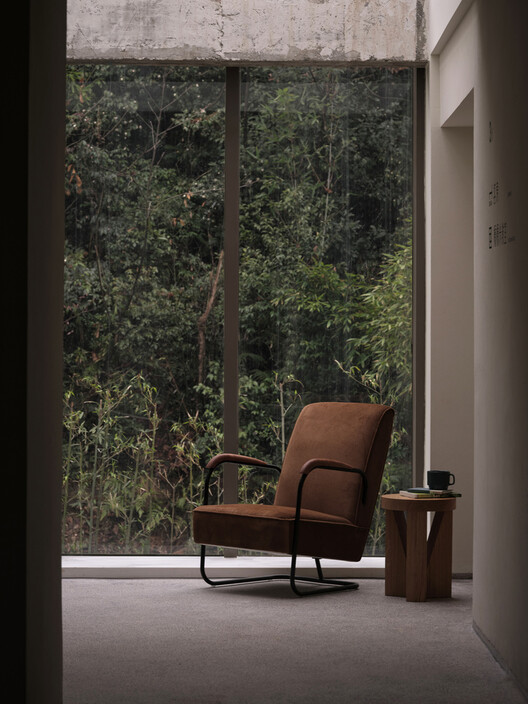
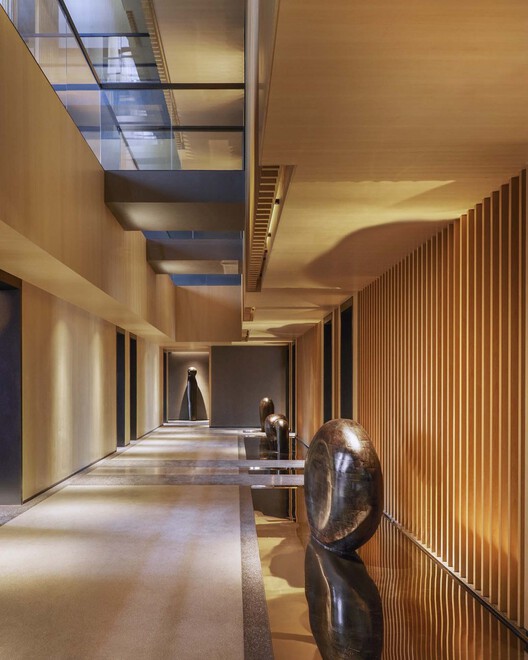
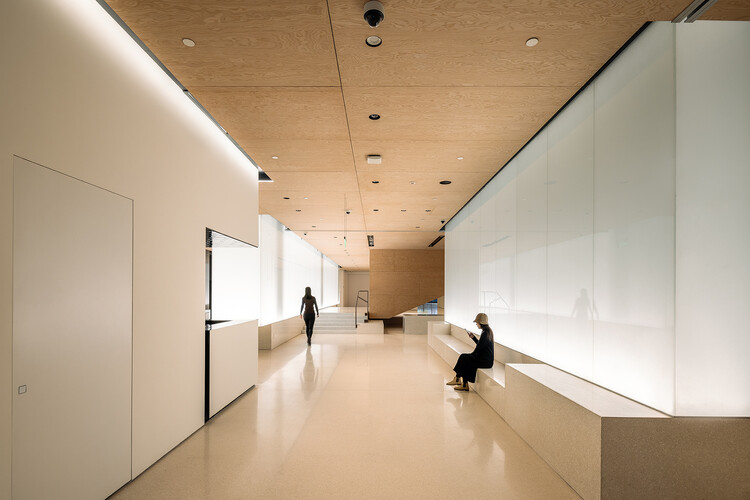
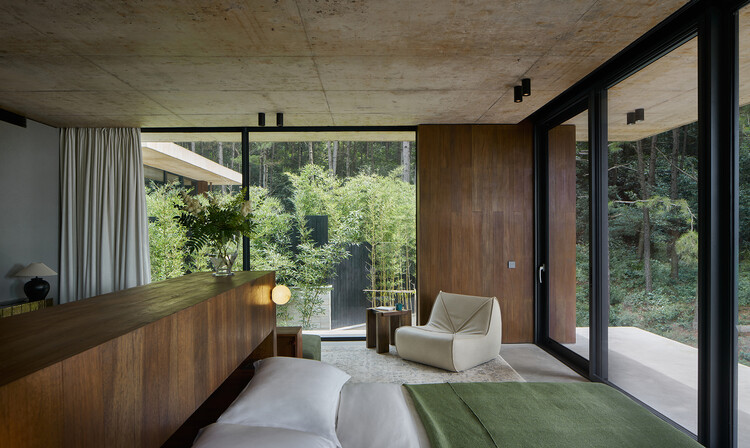
In an era dominated by hyper-realistic digital renders and frictionless digital surfaces, contemporary interior architecture across China is experiencing a profound philosophical counter-movement. As the commercial appetite for fast, inexpensive, and highly profitable retrofitting surges, a parallel, deeply intentional desire has emerged for spaces that feel thoughtfully resolved.
Today’s most compelling architectural environments are defined not by machine-tooled perfection, but by the physical evidence of making. Details are integrated rather than tacked on, material assemblies are rigorously considered, textures transition with narrative intention, and hardware is treated as an organic extension of the architectural language rather than an afterthought.
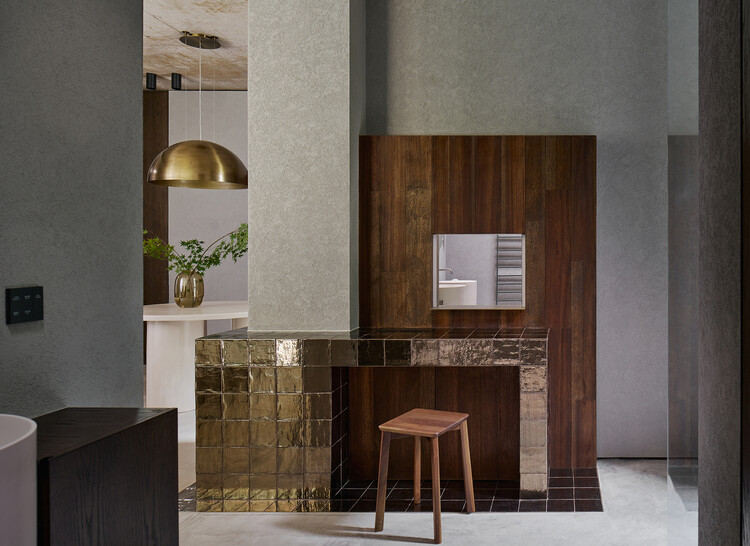
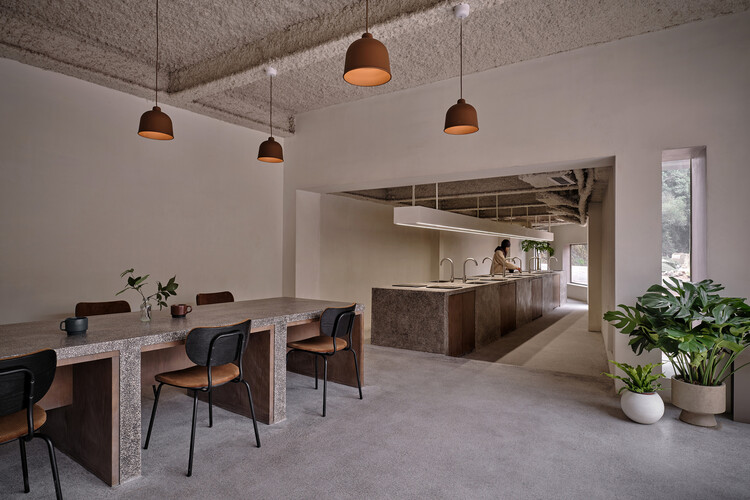
Across the contemporary Chinese landscape, this renewed appreciation for craft operates quietly yet powerfully through the treatment of surfaces and structural frameworks. Irregular timber, terrazzo that records the aggregate and human handwork of its casting, and finishes that expose the arduous care of their fabrication are redefining luxury.
This resurgence is far more than a nostalgic nod to vernacular traditions; it is a calculated resistance against the digital homogenization of space. By introducing human tolerance, physical texture, and material resistance, architects are injecting a sense of soul into the built environment—proving that an imperfect surface is not a failure of precision, but a profound testament to process.
Detailed Chronology of the Craft Movement in Modern Chinese Design
To understand how handmade surfaces transitioned from regional vernaculars to the forefront of contemporary Chinese interior architecture, one must trace the architectural milestones of recent years. The movement has evolved through distinct phases of material recovery, experimental rural construction, and targeted material interventions.
Phase 1: Archaeological Recovery and Material Truth (2021–2022)
The early 2020s marked a pivot toward adaptive reuse, where architects stopped treating historical structures as blank canvases and began viewing them as repositories of raw data.
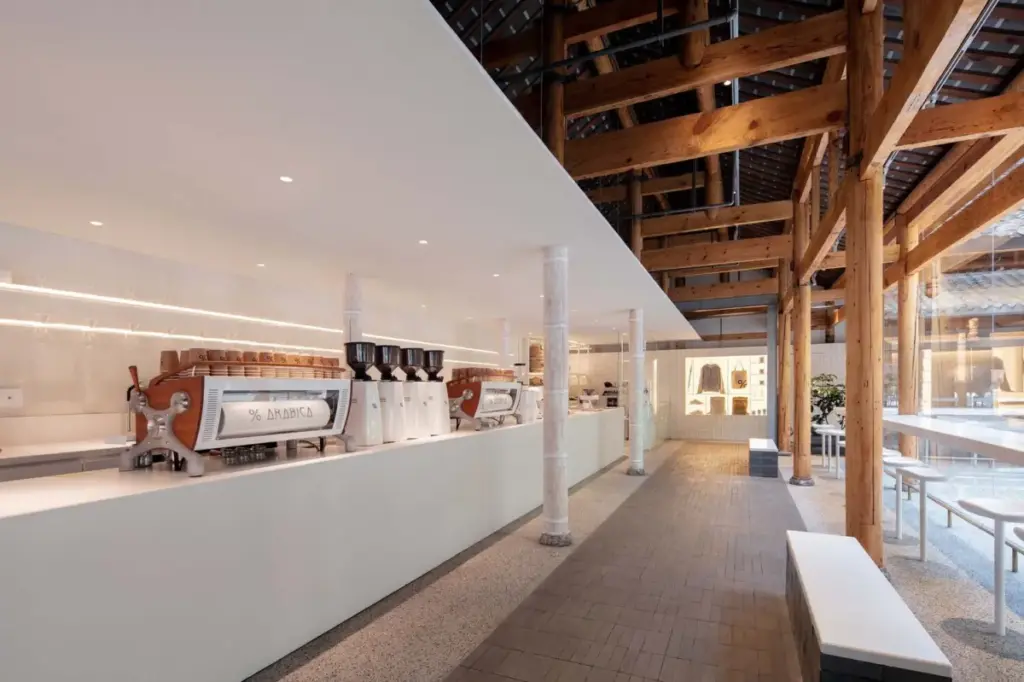
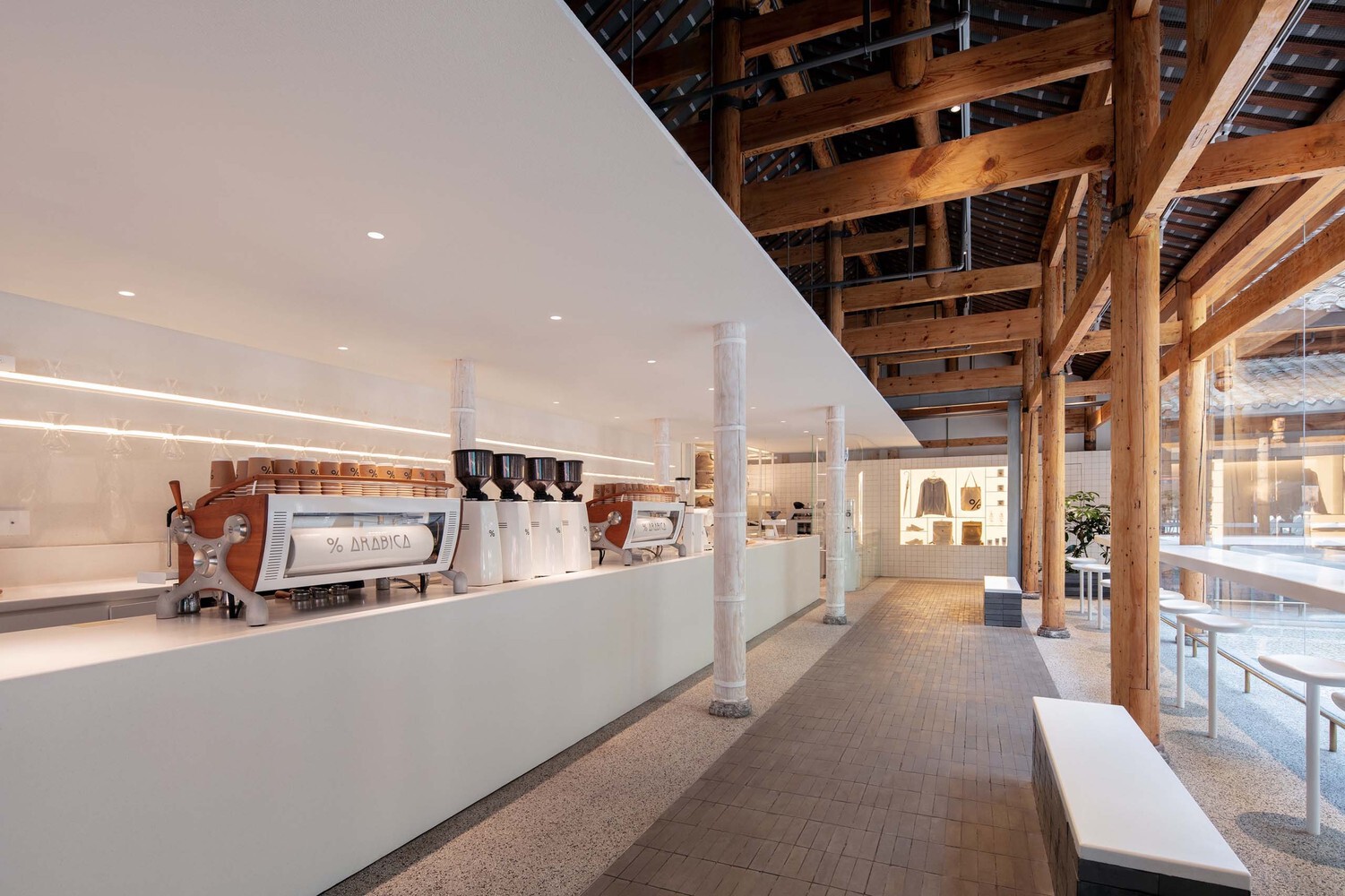
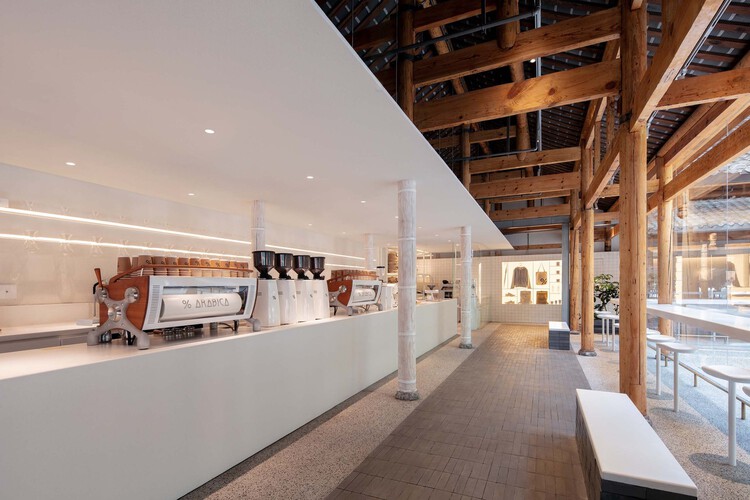
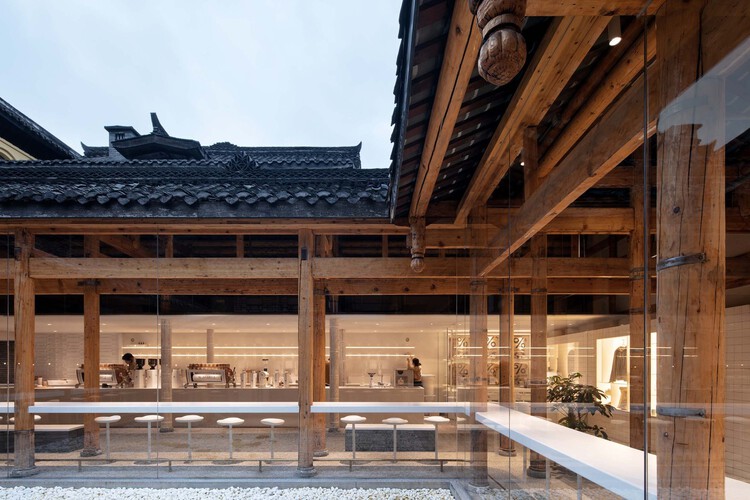
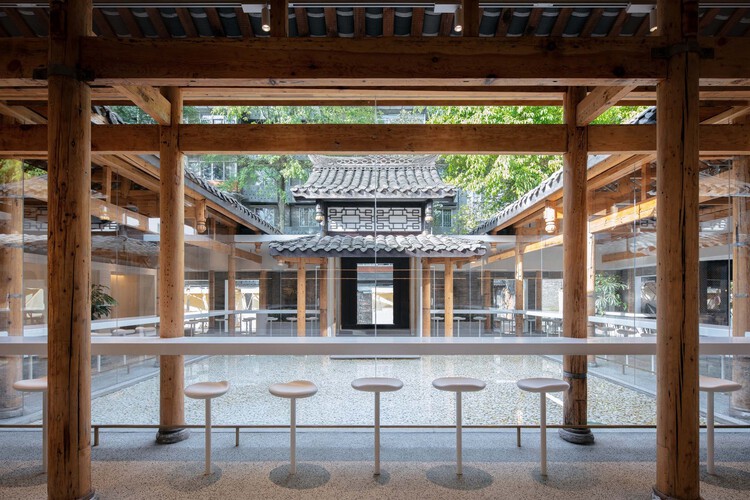
Late 2021 (% Arabica, Chengdu): B.L.U.E. Architecture Studio undertook the restoration of a traditional western-Sichuan residence within Chengdu’s historic Kuanzhai Alley. Rather than concealing historical inconsistencies behind clean drywall, the architects stripped away layers of later additions and painstakingly polished off black paint from aging timber columns. This revealed the authentic grain and natural patination of the underlying wood, seamlessly integrating it with modern steel reinforcement. The handmade surface was not constructed; it was excavated from the building’s own memory.
Late 2021 (Chapter and Verse Hotel): Simultaneously, New Practice Studio deployed natural wood, custom hand-rendered plaster, and specialized terrazzo in Wuzhen. The project demonstrated that craft could be utilized to establish a unified historical atmosphere without descending into pastiche, proving that modern hospitality design could resonate deeply with local temporalities.
Phase 2: Experimental Rural Labor and On-Site Negotiation (2022–2024)
As design ambitions expanded beyond Tier-1 cities into rural and natural landscapes, architects confronted the realities of regional labor markets, forcing a re-evaluation of construction methodologies.
Mid-2023 (Terraced Courtyard): Team BLDG faced immense logistical and technical challenges when sourcing skilled labor for washed-stone finishes in a rural mountain setting. Rather than compromising on the design’s integrity, the architects pivoted to texture paint, engaging in an extensive on-site prototyping phase that yielded over 80 distinct mock-ups. By allowing the rough, uneven traces of master workers to remain visible, the project embraced local environmental conditions, utilizing construction irregularities to anchor the building into the surrounding red soil typography.
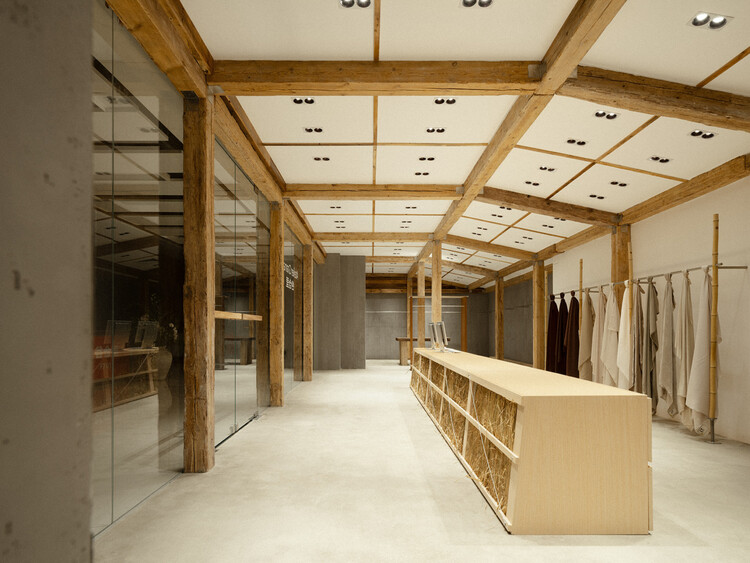
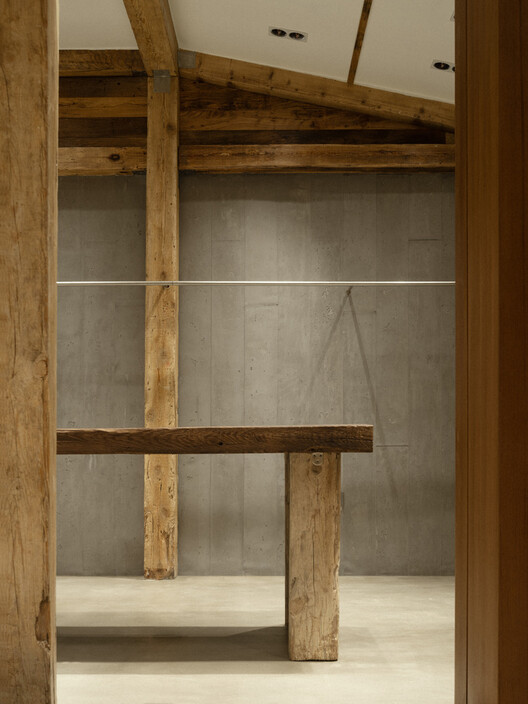
Late 2023 (Barn Inside): Embracing an opposite strategy, Unknown design introduced a newly built wooden skeleton that deliberately rejected industrial standardization. By leaving cracks, sapwood variations, and annual growth rings exposed within the interior framework, the project validated coarseness and spatial bareness as a legitimate, expressive architectural language.
Phase 3: Concentrated Interventions and Material Refinement (2024–Present)
In recent years, the movement has matured into highly nuanced applications where high-impact, localized craft elements alter the entire atmospheric quotient of a space.
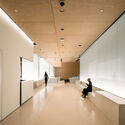
Late 2024 (Art Vessels): OPEN Architecture deployed a glowing glass partition embedded with traditional Chinese handmade paper in a museum-hospitality hybrid. Serving simultaneously as a primary light source and a spatial divider, the fragile material was elevated to an architectural scale, shifting the room’s ambient quality.
Early 2025 (Anadu Pine Villa): Studio8 pushed the boundaries of sustainable luxury by sourcing 80% of its interior woodwork from local markets, shaping reclaimed timber entirely by hand. The resulting spaces bridged material reuse with traditional artisan labor, cementing craft as an ecological and cultural imperative.
Supporting Context & Metrics: The Shift Away from Smoothness
The urgency of this material revolution is underscored by structural shifts within the design and construction industries. Digital renderings promise a frictionless utopia—surfaces that are completely uniform, mathematically perfect, and utterly devoid of friction. However, this visual saturation has triggered a tactile fatigue among occupants and designers alike.
Prototyping Investments: Leading practices report that up to 15% of total project timelines in high-craft interiors are now dedicated to physical on-site mock-ups, shifting energy away from digital drafting and back toward physical prototyping.
Material Reuse Statistics: In rural and resort-style hospitality projects across Zhejiang and Sichuan provinces, over 70% of structural and finish timbers are now sourced through regional reclamation networks, directly reducing embodied carbon while preserving historical patina.
The Labor Dynamic: The revival of hand-applied finishes—such as traditional lime plasters, textured paints, and custom-poured terrazzo—has driven a collaborative renaissance between contemporary design studios and aging artisan guilds, bridging a generational knowledge gap.
Official Statements and Architectural Philosophy
Prominent architects and critics leading this charge have articulated a unified thesis: craft is not a stylistic overlay, but an ethical stance toward architecture.
"Craft is not merely a matter of nostalgia or historical decoration; it is a fundamental way of giving interiors thickness and care. In an era where digital tools encourage infinite smoothness, the physical resistance of a material forces us to slow down and acknowledge the labor behind the space."
— Leading Practice Collective, The Architecture of Craft Symposium
Discussing the operational realities of rural construction, representatives from Team BLDG noted:
"When standard industrial techniques fail due to a lack of specialized local labor, you are forced to improvise with the master workers on site. Those moments of negotiation—where an error or an unexpected texture is absorbed into the final design—are precisely where the architecture acquires its authentic character and connection to the landscape."
Similarly, design critics analyzing the work of OPEN Architecture emphasize the psychological shift induced by handmade accents:
"A single wall of laminated handmade paper or a hand-forged bronze handle does not just decorate a room; it recalibrates our sensory perception. It reminds the visitor that even within a highly controlled, contemporary environment, the human hand remains present."
Future Outlook: The Role of Craft in the Digital Age
As artificial intelligence and automated fabrication continue to accelerate architectural drafting and manufacturing, the value of the handmade surface will only appreciate. Far from being mutually exclusive, the future of contemporary Chinese interior architecture lies in a sophisticated dialogue between advanced digital conceptualization and analog craftsmanship.
Algorithmic Imperfection: Future designers are expected to program computational tools to introduce controlled variations, mimicking natural material tolerances and the subtle irregularities of the human hand at scale.
Circular Material Economies: As regulatory pressures mandate stricter carbon accounting, reclaimed timber, recycled aggregate terrazzo, and local earth-based finishes will transition from niche aesthetic choices to standard building specifications.
The Revaluation of Labor: The survival of traditional craft guilds will increasingly rely on their integration into high-end commercial, hospitality, and residential architecture, transforming artisan labor into a premier currency of design prestige.
Ultimately, the embrace of the handmade surface across China’s contemporary interiors signals a mature evolution in global design. By rejecting the tyranny of seamlessness, architects are re-anchoring their work in the physical realities of the earth, honoring material memory, local knowledge, and the irreplaceable touch of human labor.