Executive Overview
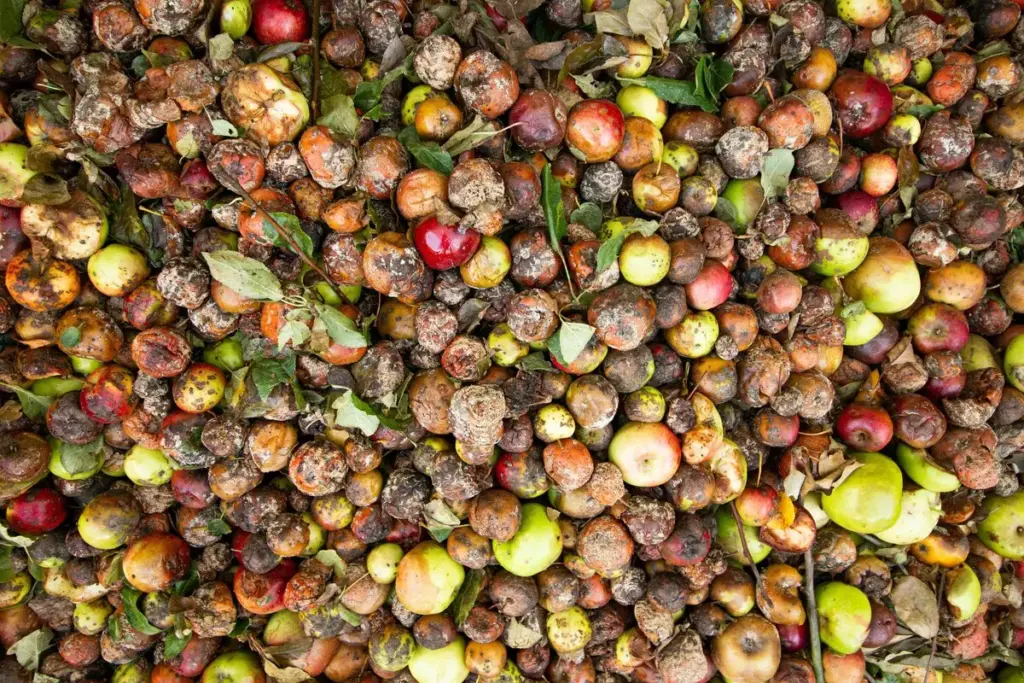
Globally, more than a third of all food grown, harvested, and prepared never makes it to a human plate. This staggering reality is more than an ecological crisis and an economic loss; it represents a massive missed opportunity for human nutrition. The items most frequently discarded—wilted leafy greens, bruised berries, and vegetable stems—are often the most densely packed with vital micronutrients, vitamins, and antioxidants.
For decades, modern nutritional guidance and sustainability initiatives have operated in parallel silos. Dietitians counsel patients on "eating the rainbow" and maximizing vitamin intake, while environmental advocates focus on landfill diversion, methane reduction, and agricultural footprints. However, these two movements are intrinsically linked. Nutrient density and waste reduction are, in fact, two sides of the same coin.
When produce is stored correctly, purchased with intention, and utilized in its entirety, it delivers a higher concentration of the compounds the human body requires, while drastically cutting down on the volume of food rotting in municipal bins. This investigative guide examines the science of post-harvest nutrient degradation, analyzes the systemic scale of household food waste, and offers a comprehensive roadmap for transforming how we store, prepare, and consume our food.
Detailed Chronology: The Lifecycle of Produce from Harvest to Plate
To understand how food waste and nutrient loss intersect, one must trace the lifecycle of a fruit or vegetable from the moment it is severed from its source to the moment it is either consumed or discarded.

1. The Post-Harvest Decline
The degradation of nutrients begins immediately upon harvest. Cut off from its root system, a plant enters a state of physiological stress. It continues to respire, consuming its own stored carbohydrates and moisture, while light, heat, oxygen, and time systematically break down fragile vitamins.
- Vitamin C and B-Complex Vulnerability: Water-soluble vitamins are notoriously delicate. For instance, spinach harvested at peak ripeness can lose up to 50 percent of its folate content within a single week if exposed to suboptimal temperatures.
- The "Fresh vs. Frozen" Paradox: Consumers frequently assume that fresh produce is invariably superior to frozen alternatives. However, nutritional science often tells a different story. Commercially frozen vegetables are typically blanched and flash-frozen within hours of harvest, locking in their peak micronutrient profiles. Conversely, "fresh" produce that sits in transit for over a week and languishes on grocery shelves may have suffered severe nutrient depletion long before it reaches a home kitchen.
2. The Domestic Holding Pattern
Once food enters the home, the kitchen becomes the primary theater where nutrient retention is either preserved or lost. Poor refrigerator management—such as stuffing delicate berries into a warm, dry upper shelf or housing moisture-heavy herbs in an unsealed bag—accelerates both microbial spoilage and chemical decay.
3. Preparation and Bioavailability
The final phase of the chronology involves cooking and digestion. Even if a vegetable manages to retain its structural integrity and vitamin content through storage, incorrect preparation techniques can leach away its benefits or render them inaccessible to the human body. Conversely, mindful culinary techniques—such as pairing fat-soluble vitamins with healthy oils or lightly steaming vegetables to protect heat-sensitive nutrients—can maximize the body’s internal intake.
Supporting Context & Metrics: The Scale of the Crisis
The environmental and nutritional toll of modern consumption habits can be quantified through comprehensive data provided by regulatory bodies and scientific institutions.

The Scale of Domestic Waste
According to estimates from the United States Department of Agriculture (USDA) and the Environmental Protection Agency (EPA), an astonishing 30 to 40 percent of the U.S. food supply is lost or wasted annually. This translates to roughly 25 to 28 million tons of food discarded by households every year.
Crucially, a significant portion of this discarded food remains entirely edible at the moment of disposal. This dynamic generates massive amounts of organic waste in municipal landfills, where, starved of oxygen, it breaks down to release methane—a greenhouse gas significantly more potent than carbon dioxide in the short term.
The Nutritional Cost of Spoilage
When consumers throw away produce, they are discarding concentrated packages of health-promoting phytochemicals. Consider the following nutrient dynamics:
- Polyphenols and Carotenoids: Pigmented compounds responsible for the deep hues of fruits and vegetables act as powerful antioxidants. As produce breaks down or suffers from freezer burn, these chemical structures degrade.
- Fiber and Minerals: While structural fiber remains largely intact until total rot sets in, the accompanying bioavailable minerals (such as potassium, magnesium, and iron) become trapped in unpalatable, spoiled matrices that consumers refuse to eat.
Official Statements & Institutional Perspectives
Public health experts, agricultural economists, and international agencies increasingly view food waste and nutritional poverty as interlocking public policy challenges.
"Nutrient density and food waste are not separate metrics. When we allow a head of broccoli to wither in the crisper drawer, we are not just wasting water, land, and carbon—we are robbing our bodies of the sulfur compounds and vitamins necessary for long-term health."
— Dr. Elena Vance, Agricultural Nutritionist and Food Systems Researcher
International models also provide valuable perspective. In densely populated urban environments like Singapore, where living spaces and kitchen appliances are compact, consumers have adapted by purchasing smaller quantities of fresh food on a frequent basis. This high-frequency, low-volume shopping model naturally curbs systemic food waste, contrasting sharply with the North American habit of bulk-buying perishable goods that outpace consumption rates.
Furthermore, domestic food rescue networks—such as Feeding America—redistribute billions of pounds of surplus edible food annually to community food banks. While systemic redistribution is vital, experts emphasize that intervention must begin at the individual household level, where the majority of avoidable waste occurs.
Future Outlook: Best Practices for the Modern Kitchen
Mitigating food waste and maximizing nutrient intake requires a shift in daily kitchen habits. By implementing targeted storage, scrap-cooking, and preparation strategies, consumers can bridge the gap between sustainability and personal wellness.
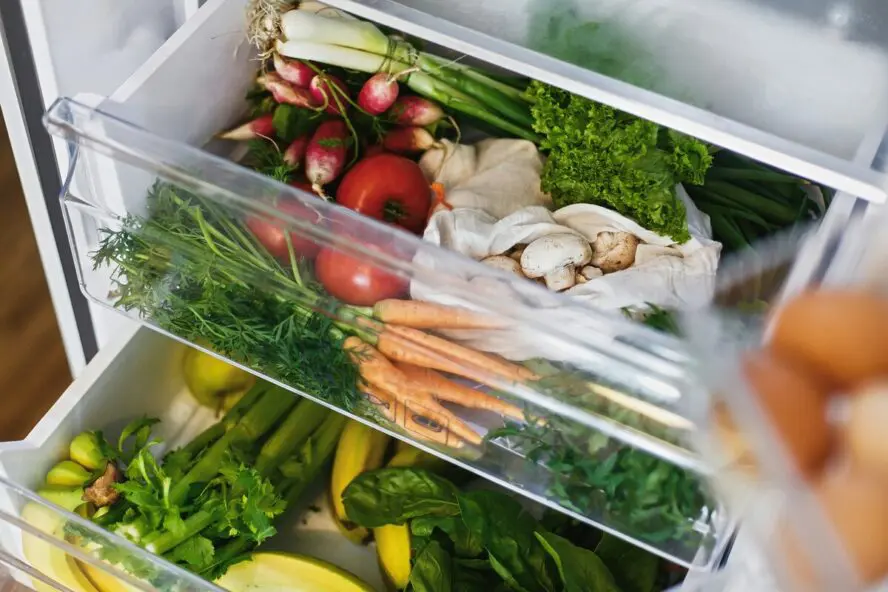
1. Engineering the Refrigerator: Temperature Stability and Humidity Zones
Refrigerators are often treated as uniform cold boxes, but they are engineered with specific micro-climates for a reason:
- High-Humidity Crisper Drawers: These drawers are designed to retain moisture, making them ideal for leafy greens, herbs, and root vegetables prone to shriveling.
- Low-Humidity Zones: These spaces reduce excess moisture, preventing meats, cheeses, and certain ethylene-sensitive items from developing premature mold.
- Countertop Storage: Items such as tomatoes, avocados, bananas, and stone fruits should remain at room temperature until they reach peak ripeness. Refrigerating them prematurely alters their texture and dulls their flavor profiles.
2. Re-envisioning the Freezer
The home freezer should function as an active holding bay rather than a graveyard for forgotten meals.
- Blanching and Freezing: Vegetables should be quickly blanched to deactivate degrading enzymes before being frozen.
- Portioning: Herbs preserved in olive oil, ripe bananas peeled and bagged for smoothies, and homemade vegetable broths lock in peak nutrient density.
- The Labeling Habit: A simple roll of masking tape and a marker kept atop the refrigerator ensures that every frozen item is dated, eliminating "mystery food" waste.
3. Scrap Cooking and Whole-Ingredient Utilization
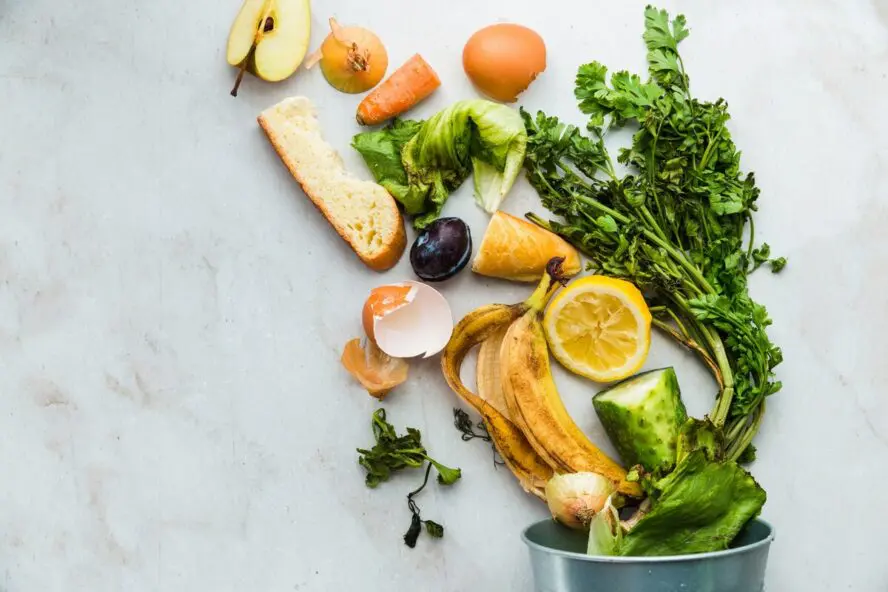
Adopting a whole-ingredient mindset changes how a kitchen operates. Vegetable trimmings, herb stems, parmesan rinds, and poultry bones yield mineral-rich broths. Beet greens can be sautéed as a nutrient-dense side dish, and stale bread can be transformed into croutons or fiber-rich breadcrumbs.
4. Matching Cooking Methods to Nutrient Profiles
To extract maximum value from food, preparation must match the chemical makeup of the ingredient:
- Steaming over Boiling: Steaming preserves water-soluble vitamins like Vitamin C and folate, preventing them from leaching into cooking water.
- Fat Pairing: Fat-soluble vitamins (such as Vitamins A, D, E, and K) require dietary fats—like olive oil or avocado—to be properly absorbed by the small intestine.
- Bioavailability Activation: Lightly sautéing tomatoes in healthy fats increases the bioavailability of lycopene, a potent antioxidant linked to cardiovascular health.
Conclusion
The pursuit of optimal health and the mitigation of global food waste are mutually reinforcing objectives. By abandoning the notion that sustainability requires sacrifice and instead recognizing that sustainable practices yield superior culinary and nutritional outcomes, households can fundamentally transform their kitchens.
Through smarter cold storage, deliberate meal planning, whole-ingredient cooking, and mindful preparation, consumers can nourish their bodies more effectively while shrinking their ecological footprint—proving once and for all that the most sustainable bite is also the most nutritious one.