Executive Overview
For decades, the sustainable fashion movement labored under a restrictive, monochrome aesthetic. Consumers seeking to align their wardrobes with their environmental ethics were routinely met with racks of beige, oatmeal, unbleached cotton, and the dreaded "greige." This minimalist palette—while perhaps reflective of early eco-design’s raw material origins—created a pervasive and damaging myth: that choosing sustainability meant sacrificing personal style, color expression, and vibrant joy.
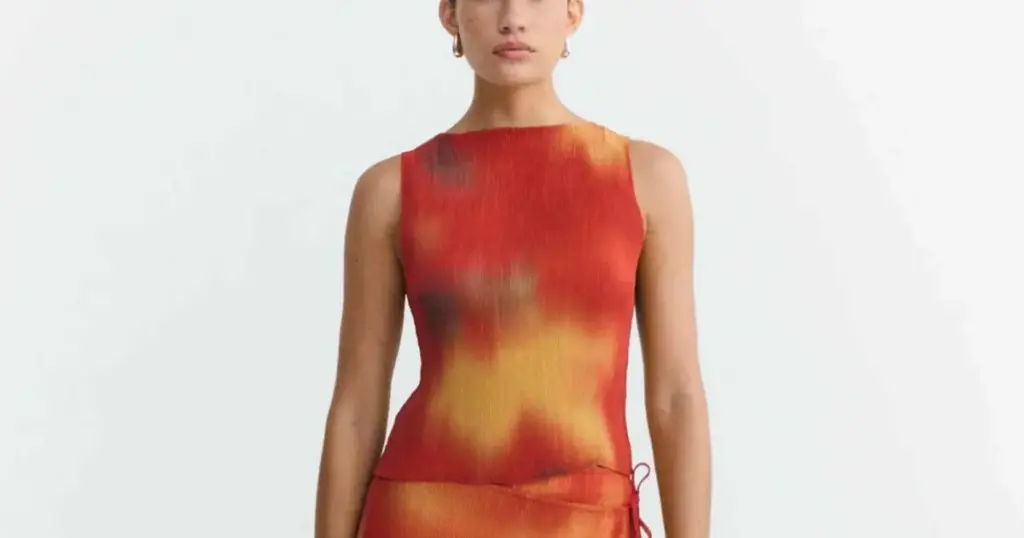
Today, that paradigm is shattering. A new vanguard of global designers, textile innovators, and social enterprises are proving that ecological responsibility and high-octane color are not mutually exclusive. From the upcycled vintage rainbows of 4kinship to the brilliant sunset gradients of Sui and the saturated, expressive dresses of AYANI, the modern sustainable fashion landscape covers every hue in the visible spectrum.
This comprehensive editorial report investigates the paradigm shift away from eco-minimalism, explores the rigorous evaluation frameworks required to authenticate these claims, and highlights a curated roster of global brands successfully marrying ecological stewardship with unbridled color.
Detailed Chronology: The Evolution of Sustainable Aesthetics
To understand how the sustainable fashion industry arrived at today’s kaleidoscope of colors, it is essential to examine the historical arc of eco-conscious design.
Phase 1: The Raw and Rustic Era (Early 2000s)
In the nascent stages of ethical fashion, production methods relied heavily on unbleached, unprocessed fibers to minimize chemical runoff. Brands focused almost entirely on organic cotton, hemp, and jute in their natural states. Consequently, consumer perception became anchored to earthy neutrals. Color was often avoided due to the high environmental toll of conventional synthetic dyes, which historically consumed vast amounts of water and released toxic effluents into local waterways.
Phase 2: The Rise of Nontoxic Innovation (2010s)
As textile chemistry advanced, pioneers began adopting Global Organic Textile Standard (GOTS)-certified dyes, closed-loop water systems, and natural plant-based colorants. Brands started experimenting with jewel tones and pastels, yet the overarching marketing narrative remained tethered to understated, capsule-wardrobe minimalism.
Phase 3: The Saturated Awakening (Present Day)
The contemporary era has dismantled the false dichotomy between ethics and aesthetics. Empowered by advanced upcycling techniques, deadstock utilization, and low-impact reactive dyeing, designers are boldly reclaiming color. Today’s consumers no longer have to choose between saving the planet and expressing their personality through bright pinks, electric blues, and sun-drenched yellows. As expert editorial curation demonstrates, high-rated ethical brands are now producing everything from rainbow denim to hand-loomed vibrance, proving that sustainability can be brilliantly vivid.
Supporting Context & Metrics: The Methodology of Trust
In an era rife with "greenwashing"—where fast-fashion giants cloak themselves in eco-friendly marketing while maintaining destructive production cycles—consumers require objective, data-backed metrics to navigate the market.
The "Buy Less, Buy Better" Imperative
The cornerstone of modern sustainable fashion is not merely swapping synthetic fibers for organic ones; it is a fundamental restructuring of consumption habits. Reusing, mending, and secondhand shopping remain the gold standards of circular fashion. However, when purchasing new garments, consumers need transparent evaluations that look beyond surface-level claims.
The Five-Point Ratings Framework
Organizations like Good On You have revolutionized consumer empowerment by aggregating transparent, comprehensive data on fashion sustainability. Utilizing a rigorous five-point scale, independent experts assess thousands of brands worldwide based on three core pillars:
- People: Fair wages, safe working facilities, living wage compliance, and support for marginalized artisan communities.
- Planet: Lower-impact materials (such as GOTS cotton, REPREVE recycled polyester, and agricultural food-waste textiles), reduction of greenhouse gas emissions, renewable energy usage, and water stewardship.
- Animals: Ethical treatment of animals, cruelty-free certifications, and avoidance of exploitative materials.
Only brands that achieve "Good" or "Great" ratings make the cut, ensuring that consumers can invest in high-vibrancy clothing that genuinely aligns with their values.
Global Spotlights: Highly Rated Colorful Brands
To help you infuse vibrancy into your wardrobe without compromising your ethics, here is a curated cross-section of globally recognized brands excelling in both sustainability and color.
1. OMNES (United Kingdom)
- The Vibe: Chic, accessible, and responsible British womenswear.
- Sustainability Profile: OMNES was founded to fundamentally alter how consumers shop, wear, and think about clothing while challenging the broader industry to step up. Offering size ranges from 6 to 20, the brand balances high quality with accessible price points.
- Rating & Reach: Highly rated for its planet and people practices, making responsible style attainable.
2. Printfresh (United States)
- The Vibe: Whimsical sleepwear, apparel, and lifestyle items inspired by flora, fauna, and bold home decor.
- Sustainability Profile: Founded in 2016 by textile designer Amy Voloshin and her husband Leo, this majority woman-owned enterprise brings vibrant, print-heavy maximalism to ethical fashion in an inclusive size range spanning 2XS to 6XL.
3. I was a Sari (India)
- The Vibe: Traditional Indian textile artistry modernized for global, everyday wear.
- Sustainability Profile: This social enterprise breathes new life into used saris and factory deadstock fabrics, transforming them into vibrant, globally coveted garments and accessories while empowering local artisans.
4. Up-Fuse (Egypt)
- The Vibe: Cairo-based eco-conscious streetwear and accessories rooted in vibrant urban utility.
- Sustainability Profile: Operating under the philosophy that "one’s trash is another’s fabric," Up-Fuse upcycles post-consumer waste while uplifting vulnerable communities by employing Syrian, Ethiopian, and Sudanese female refugees in Egypt.
5. Conscious Step (United States)
- The Vibe: Premium organic vegan socks and casual apparel featuring bold graphics and vibrant patterns.
- Sustainability Profile: Committed to systemic social and environmental change, Conscious Step partners with major charities. Every step of their supply chain—from organic farm to finished factory—guarantees fair wages, safe facilities, and lower-impact materials.
6. Ucon Acrobatics (Germany)
- The Vibe: Innovative, functional, and minimalist bags and accessories for the creative consumer.
- Sustainability Profile: Headquartered in Berlin, Ucon Acrobatics utilizes high proportions of eco-friendly materials like organic cotton, powers its direct operations with renewable energy, and ensures living wages at final production stages.
7. Loop Swim (Global / Shanghai)
- The Vibe: High-performance, color-retention swimwear for men, women, and children.
- Sustainability Profile: Co-founded by women from the US and India, Loop Swim closes the loop on plastic waste by transforming post-consumer water bottles into REPREVE UP50+ sun-protective swimwear designed to retain its vibrant color swim after swim.
8. Amble Outdoors (Australia)
- The Vibe: High-performance waterproof raincoats and outdoor wear in bold, nature-inspired hues.
- Sustainability Profile: Formerly known as Team Timbuktu, this Australian brand crafts technical outdoor gear from recycled plastic bottles, offering inclusive sizing from XS to 4XL.
9. AYANI (International)
- The Vibe: Timeless, feminine, and effortlessly elegant luxury.
- Sustainability Profile: AYANI specializes in vibrant dresses designed to offer both comfort and confidence, backed by transparent ethical ratings.
10. SUI (India / Global)
- The Vibe: Flowing silhouettes drenched in sunset colors and earthy jewels.
- Sustainability Profile: Crafted entirely in their Delhi workshop, SUI produces stunning women’s wear in sizes 2XS to 2XL, championing local craftsmanship and low-impact fabrics.
11. 4kinship (United States)
- The Vibe: One-of-a-kind upcycled vintage apparel, restored garments, and handwoven rainbow pieces.
- Sustainability Profile: Founded by Diné creative Amy Denet Deal, 4kinship centers community empowerment, supporting initiatives like the Diné Skate Garden Project for Navajo youth.
12. PANGAIA (Global)
- The Vibe: Iconic, ultra-saturated loungewear essentials in every color of the rainbow.
- Sustainability Profile: PANGAIA merges materials science with environmental activism, utilizing bio-based and recycled fibers, smart technologies, and circular second-hand partnerships (such as Retykle).
13. Mightly (United States)
- The Vibe: Colorful, durable children’s tees, leggings, pyjamas, and hoodies.
- Sustainability Profile: Fair Trade USA certified, Mightly utilizes GOTS-certified organic cotton to ensure children’s wear is free from harmful chemicals and produced with worker welfare in mind.
14. amt. studio (Spain)
- The Vibe: Locally produced, contemporary Spanish fashion with an eye for color and circularity.
- Sustainability Profile: Manufacturing locally in Spain, amt. studio minimizes its carbon footprint by prioritizing recycled materials across its core collections (XS-L).
15. ID.EIGHT (Italy)
- The Vibe: Refined, color-blocked sneakers with a sophisticated European edge.
- Sustainability Profile: Born from the footwear industry background of Dong Seon Lee and Giuliana Borzillo, ID.EIGHT crafts lower-impact sneakers in Italy utilizing food-industry waste—including apple peels, grape seeds, and pineapple leaves—alongside recycled cotton and polyester.
16. The Summer House (India)
- The Vibe: Elegant prints, flowing silhouettes, and artisan-crafted womenswear.
- Sustainability Profile: Operating out of India, this label utilizes locally sourced, lower-impact fabrics while partnering with grassroots NGOs to foster regional employment and skill-sharing.
17. Spell (Australia)
- The Vibe: Bohemian-inspired prints echoing vintage treasures and far-off destinations.
- Sustainability Profile: Proudly designed in Byron Bay, Spell balances romantic, colorful aesthetics with transparent supply chain audits and responsible factory partnerships worldwide.
18. The ANJELMS Project (Australia / India)
- The Vibe: Naturally dyed, hand-loomed artisan garments celebrating traditional techniques.
- Sustainability Profile: On a mission to elevate the lives of its makers, this Australian brand produces small, limited-run collections in India using sustainable, natural dyes to eliminate waste.
19. Colorful Standard (Denmark)
- The Vibe: The ultimate destination for organic fashion essentials in a staggering array of over 50 vibrant colors.
- Sustainability Profile: Rejecting the fast-fashion seasonal treadmill, Colorful Standard produces long-lasting, timeless basics crafted from 100% organic cotton and recycled merino wool.
20. Flare Street (Australia)
- The Vibe: Psychedelic 1960s and ’70s vintage-inspired prints and signature stretch flares.
- Sustainability Profile: Utilizing locally sourced factory deadstock and lower-impact fabrics in limited production runs, Flare Street guarantees living wages in its final manufacturing stages.
21. 9-jour (Japan)
- The Vibe: Selvedge denim dyed in every hue imaginable.
- Sustainability Profile: Based in Japan, 9-jour uses exclusively natural, low-impact dye solutions for its selvedge denim. By manufacturing locally and strictly to order, they virtually eliminate deadstock waste.
22. SeamsFriendly (India / Global)
- The Vibe: Customizable, versatile, and reversible clothing tailored for every body type.
- Sustainability Profile: SeamsFriendly champions zero-waste made-to-order practices. Shoppers can customize neckline depths, sleeve lengths, and garment measurements (catering to petite, regular, and tall heights), ensuring a garment fits perfectly and lasts a lifetime.
Future Outlook: Where Colorful Sustainability is Headed
As consumer demand for ethical practices intersects with a cultural renaissance in bold self-expression, the trajectory of sustainable fashion points toward hyper-personalization, technological innovation, and absolute transparency.
- Circular Dyeing Technologies: Innovations in waterless dyeing, algae-based colorants, and bacterial pigments will soon eliminate the chemical footprint of coloration entirely, allowing brands to achieve hyper-saturated hues with zero ecological penalty.
- On-Demand Manufacturing: Brands like 9-jour and SeamsFriendly are proving that inventory pre-production is becoming obsolete. By making garments only when ordered in the precise color and size requested by the consumer, the industry moves closer to true zero waste.
- Mainstream Accountability: As independent rating directories like Good On You become household tools, greenwashing will become increasingly untenable. Brands that fail to provide verifiable data on labor standards and material sourcing will lose market share to vibrant, ethical competitors.
Conclusion
The myth that sustainable fashion must be cloaked in beige has been conclusively dismantled. Choosing a greener wardrobe no longer requires dampening your personality or adhering to a somber palette. Whether you choose to invest in the vibrant color-blocked essentials of Colorful Standard, the upcycled statement pieces of 4kinship, or the custom-tailored utility of SeamsFriendly, today’s sustainable fashion ecosystem offers a canvas as diverse and radiant as the world we seek to protect. Wear the change you wish to see—and let your wardrobe shine in every color of the rainbow.