Executive Overview
The intersection of marine science, commercial fisheries management, and international environmental policy has reached a critical juncture. Recent findings from across the globe highlight both the profound resilience of marine life and the compounding pressures it faces from human activity and a rapidly changing climate.
From ancient evolutionary adaptations that allow seals to navigate two vastly different sensory worlds to the microscopic molecular impacts of heavy overfishing on pearly razorfish, research continues to reveal the intricate ways ecosystems respond to stress. At the same time, policy decisions—ranging from Brazil’s new protections for the tambuqui and Indonesia’s labor agreements for fishing crews to contentious energy debates in the North Sea—underscore the socio-economic complexities of ocean stewardship.
This digest synthesizes the latest developments in marine biology, fisheries, conservation, and climate policy, offering a comprehensive look at the state of our blue planet.
Detailed Chronology & Regional Developments
Evolutionary Marvels and Climate Adaptations
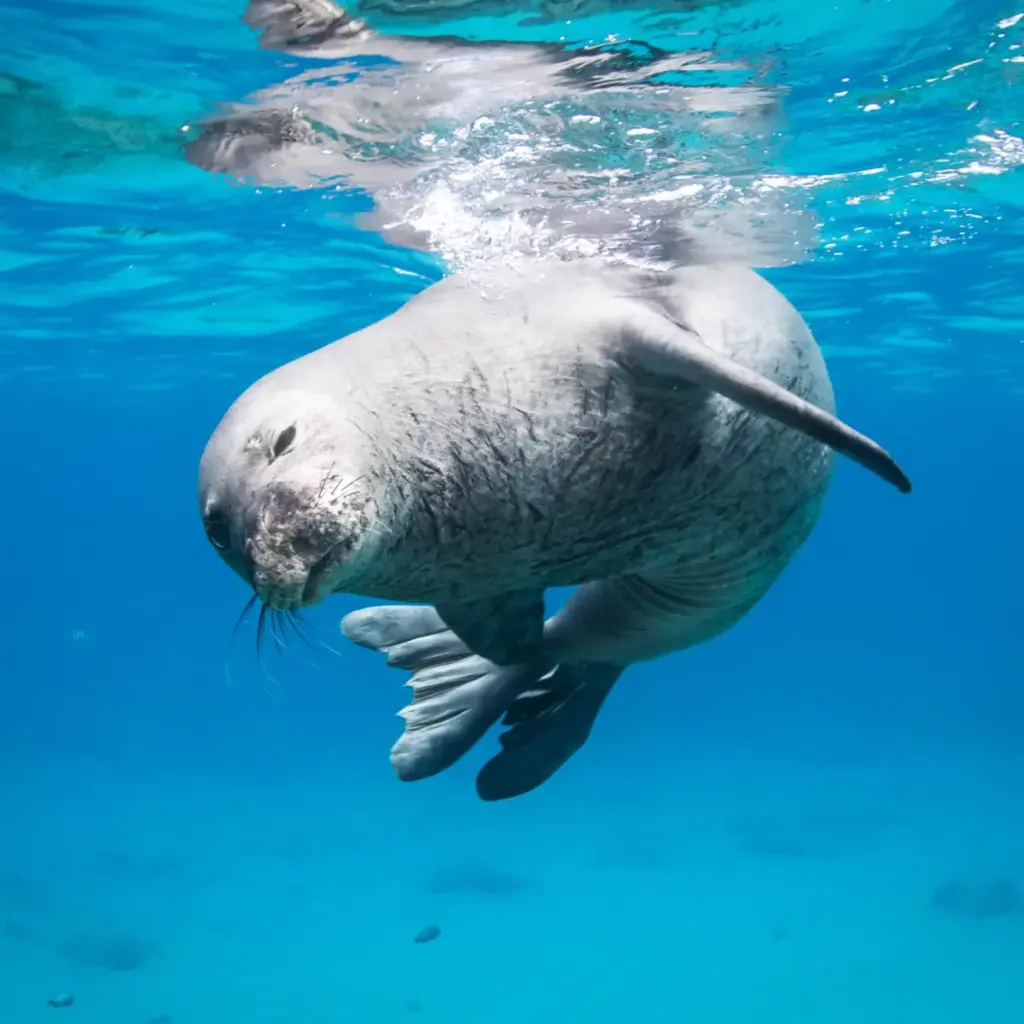
Recent breakthroughs in evolutionary biology have shed new light on how marine species have historically coped with environmental shifts. New research indicates that seals developed their remarkable amphibious hearing—the ability to process acoustic signals efficiently in both aquatic and terrestrial environments—approximately 26 million years ago. This evolutionary milestone allowed pinnipeds to exploit new ecological niches during a period of significant global climate transition.
In contemporary studies of climate resilience, researchers observing fish populations in Iceland have turned to naturally heated geothermal pools as living laboratories. By comparing fish from these warm waters with those from cooler aquatic environments, scientists discovered that prolonged exposure to elevated temperatures can induce lasting trait changes. These phenotypic and genetic shifts may enhance the capacity of certain species to cope with ongoing global ocean warming.
Meanwhile, tracking data from coastal ecosystems reveals how apex predators react to acute climate events. Juvenile great white sharks have been documented responding rapidly to extreme weather volatility, promptly abandoning their traditional nursery areas when storm-driven drops in temperature alter local oceanographic conditions.
Fisheries Under Pressure and Policy Shifts
Commercial exploitation continues to leave deep marks on marine biodiversity. Investigations into pearly razorfish populations indicate that heavy fishing pressure may be triggering measurable molecular changes, suggesting that overexploitation alters marine life far beyond immediate population depletion.
In South America, Brazil’s official classification of the tambuqui as a threatened species has sent ripples through local fishing communities. Conservationists and fishers are now urgently collaborating to forge practical, sustainable solutions that balance the preservation of the species with the livelihoods of those dependent on the fishery.
In the UK, public consultations have officially opened regarding draft fisheries management plans for the Irish Sea. These frameworks seek to balance demersal fishing activities with long-term stock sustainability. Simultaneously, Indonesia has instituted a landmark agreement designed to elevate standards for its vast fishing workforce. The treaty promises safer workplace environments, fairer treatment, and improved operational standards for crews operating at sea.
Incidents and International Oversight
Human-wildlife interactions occasionally result in rare conflicts. A 13-year-old vacationer is currently recovering from a rare barracuda bite sustained in the crystal-clear waters of the Turks and Caicos Islands, serving as an unusual reminder of the unpredictable nature of wild marine environments.
On a legislative front, conservationists in Ontario, Canada, have raised alarms over proposed updates to provincial species protection laws. Critics argue that the planned legislative adjustments could dilute core safeguards for threatened wildlife, compromising regional biodiversity preservation efforts.
In global trade and conservation, marine scientists are calling for immediate international attention toward a largely overlooked market: the trade in sawfish teeth. Often neglected in traditional wildlife trafficking discussions, this commerce poses a severe supplementary threat to critically endangered sawfish populations.
Meanwhile, the International Council for the Exploration of the Sea (ICES) has released a sobering review highlighting the ongoing, precipitous decline of Atlantic salmon stocks across their native range, reinforcing the absolute necessity of aggressive riverine and marine protection protocols.
Conservation Initiatives and Pollution Challenges
Efforts to stave off extinction are meeting challenges across multiple fronts. In Ghana, dedicated scientists are spearheading campaigns to rescue the country’s rapidly disappearing guitarfish populations, utilizing a blend of grassroots community engagement and rigorous field research.
Pollution continues to plague marine mammals at the highest trophic levels. Recent ecotoxicological findings reveal that persistent "forever chemicals" (per- and polyfluoroalkyl substances, or PFAS) accumulate progressively in dolphins as they age. This bioaccumulation raises profound concerns regarding the long-term immunological and reproductive health of marine mammal populations worldwide.
In Europe, severe summer heatwaves are dramatically reducing river flows across France, placing intense stress on freshwater fish species. Shallow, superheated waterways are restricting habitats and depleting dissolved oxygen, triggering emergency conservation interventions.
In UK waters, the Marine Management Organisation (MMO) is stepping up targeted protective measures for vulnerable seahorse populations. These heightened activities focus on mitigating direct anthropogenic threats and safeguarding the fragile seagrass habitats upon which these delicate species depend.
Climate Crisis and Political Friction
Political landscapes continue to shape environmental trajectories. In the United States, tensions persist regarding the administrative treatment of federal scientists and researchers. Across the Atlantic, newly appointed UK Prime Minister Andy Burnham stated that the nation "cannot ignore" the economic and energy realities of North Sea oil, sparking renewed debate among climate advocates over the UK’s net-zero transition commitments.
Supporting Context & Metrics
To fully understand the scope of these developments, it is vital to examine the underlying environmental metrics:
- Thermal Stress: Global ocean surface temperatures have maintained record highs, directly compounding the habitat loss seen in French rivers and Icelandic aquatic ecosystems alike.
- Chemical Persistence: PFAS compounds, characterized by their carbon-fluorine bonds, do not break down in natural environments, leading to high biomagnification factors in apex marine predators like dolphins.
- Stock Depletion: ICES assessments indicate that North Atlantic salmon returns remain well below safe biological limits, requiring strict catch-and-release and habitat restoration mandates.
- Bycatch and Trade: The unregulated trade in rostral teeth (sawfish teeth) highlights persistent blind spots in CITES (Convention on International Trade in Endangered Species) enforcement mechanisms.
Official Statements & Expert Perspectives
- On Fisheries Management: "The transition toward sustainable regional management plans, such as those proposed for the Irish Sea and the protective reclassification of species like the tambuqui in Brazil, demonstrates a growing global recognition that traditional extraction models are no longer viable." — Marine Conservation Analyst
- On Energy and Climate Policy: Addressing the UK’s energy future, Prime Minister Andy Burnham noted during recent policy discussions that the administration "cannot ignore North Sea oil," balancing energy security imperatives against mounting climate change pressures.
- On Freshwater Degradation: A recent editorial in environmental science circles emphasized that "the decline of ponds is part of a wider story of damage to waterways by intensive agriculture, building development, pollution, and the failure to manage it effectively."
Future Outlook
As marine ecosystems absorb the compounding impacts of rising ocean temperatures, chemical pollution, and historical overfishing, the path forward demands rigorous, adaptive governance. The upcoming webinar hosted by Open Communications for the Ocean—titled “The Community Voice Method: Amplifying Community Voices in Decision-Making Processes,” scheduled for September 29 at 4:00 PM—exemplifies the shift toward inclusive, community-driven conservation models.
Future success in marine and freshwater preservation will heavily rely on bridging hard scientific data—such as the molecular tracking of overfished species and the historical evolutionary insights of seal hearing—with binding international legislation and local stewardship. Without comprehensive oversight targeting everything from forever chemicals to neglected wildlife trade markets, the resilience of global aquatic ecosystems will remain severely tested.