

By: Automotive Industry Desk
Published: April 2026
Executive Overview
The American automotive landscape is undergoing a structural transformation. For years, the single greatest barrier to widespread electric vehicle (EV) adoption has been the intimidating initial purchase price. Consumers faced a steep green premium, often paying tens of thousands of dollars more upfront for a battery-electric vehicle compared to its internal combustion engine (ICE) equivalent.
However, fresh market intelligence released by Kelley Blue Book (KBB) reveals a dramatic shift in consumer dynamics. Driven by relentless manufacturer price cuts, fierce market competition, and aggressive incentive programs, the average transaction price (ATP) for a new electric vehicle in the United States has continued its downward trajectory.
As of March, the average transaction price for a new EV dropped to $54,508. This figure represents a 2.8% decrease year-over-year and marks the third consecutive month of declining EV prices across the broader market. More importantly, this sustained downward pressure has squeezed the pricing delta between electric and gas-powered vehicles down to roughly $5,800—the narrowest margin ever recorded by industry trackers.
While the loss of certain federal tax credits has introduced new headwinds for automakers, manufacturers are compensating through high-stakes discounting. The automotive sector is no longer grappling with chronic inventory shortages and hyper-inflated markups; instead, it has entered a buyer’s market where affordability is the primary battleground.
This comprehensive report explores the shifting economics of the American EV market, analyzing month-over-month price drops, the surging reliance on manufacturer incentives, Tesla’s pivotal role in market recalibration, and what this narrowing affordability gap means for the future of sustainable transportation.
Detailed Chronology: The Road to Record Affordability
To understand how the EV market arrived at this historical juncture, it is necessary to examine the progressive descent of vehicle transaction prices over the first quarter of the year. The transition from a luxury-dominated niche to a mass-market alternative has not happened overnight, but the acceleration of price cuts in early 2026 has been unmistakable.
January and February: Setting the Stage
The year began with lingering corrections from the chaotic pricing strategies of previous years. Following an aggressive fourth-quarter push to clear inventory, January established a baseline of downward momentum. Manufacturers realized that maintaining artificially high sticker prices in the face of slowing early-year demand was a losing strategy.
By February, this realization translated into measurable market shifts. Kelley Blue Book’s revised February data indicated that EV prices were sliding faster than anticipated. As automakers scrambled to stimulate demand during the traditionally slow late-winter retail period, the month-over-month decline set the stage for a dramatic March reporting cycle.
March: Accelerating Declines and Historical Lows
March data confirmed that the downward trend was not an isolated blip, but a sustained market correction. The average transaction price for a new EV fell an additional 0.7% from February’s revised numbers, landing at $54,508. Year-over-year, prices plummeted by 2.8%.
Crucially, this decline occurred alongside a broader stagnation or minor fluctuation in traditional gas-powered vehicle prices, allowing the overall gap to contract significantly. Industry analysts noted that consumers stepping onto dealership lots in March were met with a drastically different financial reality than buyers just twelve months prior. The psychological barrier of the "five-figure premium" for going electric has officially been shattered, paving the way for mainstream buyers to seriously consider battery power without compromising their financial boundaries.
Supporting Context & Metrics: The Mechanics Behind the Price Drop
A deeper dive into the data reveals that falling sticker prices are only part of the story. The true catalysts driving down the cost of EV ownership are aggressive manufacturer incentives, shifting inventory balances, and structural changes in how automakers package and market their electric portfolios.
The Heavy Lifting: Record Incentives
Incentives have become the primary instrument for moving EV inventory off dealership lots. In March, the average incentive package for a new electric vehicle reached an astounding 14.6% of the total transaction price. In monetary terms, this translates to nearly $8,000 in direct consumer savings per vehicle.
To put this into perspective:

- Industry Comparison: EV incentive spending is currently more than double the average incentive rate for the broader automotive industry.
- Recent Growth: This figure is up from 14.2% in February and represents a substantial climb from the 12.9% average recorded during the same period in 2025.
These subsidies and factory-to-dealer cash incentives are stepping into the void left by evolving federal tax credit frameworks, ensuring that vehicles remain competitively priced even as regulatory parameters shift.
The Shrinking Gap with Gas Cars
For years, automotive economists debated when EVs would achieve "price parity" with internal combustion engine (ICE) vehicles. While total cost of ownership (TCO)—which factors in fuel savings and lower maintenance costs—has favored EVs for some time, the upfront sticker shock remained a deterrent.
The narrowing of the price gap to approximately $5,800 marks a watershed moment. When factoring in the average $8,000 incentive, the upfront cost of purchasing an electric vehicle can frequently dip below that of a comparable gas vehicle, entirely flipping traditional automotive economics on its head.
Official Statements & Industry Analysis: Tesla’s Mixed Fortunes
No discussion of the modern EV market is complete without examining Tesla, the undisputed bellwether of the industry. Tesla’s strategic pricing decisions continue to dictate the health and direction of the entire sector.
Tesla’s Pricing Strategy
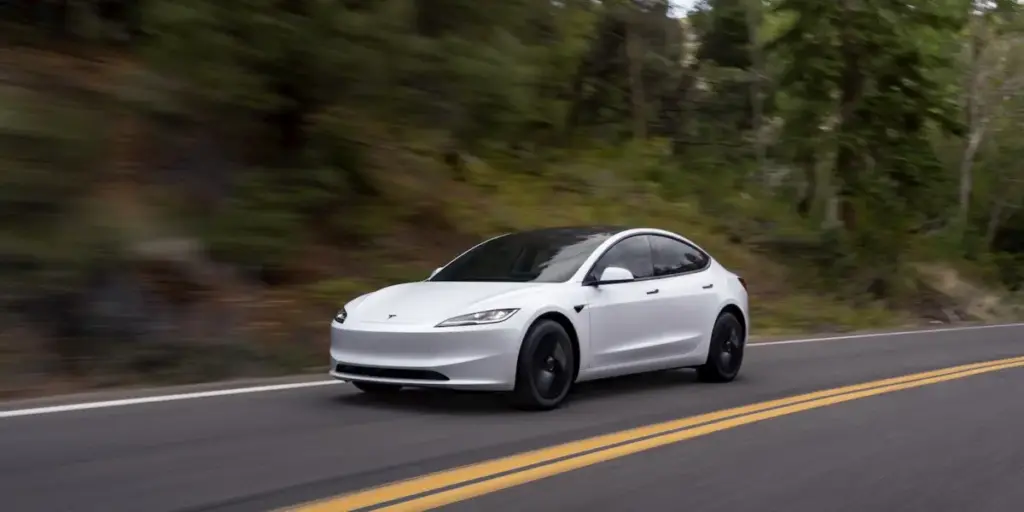
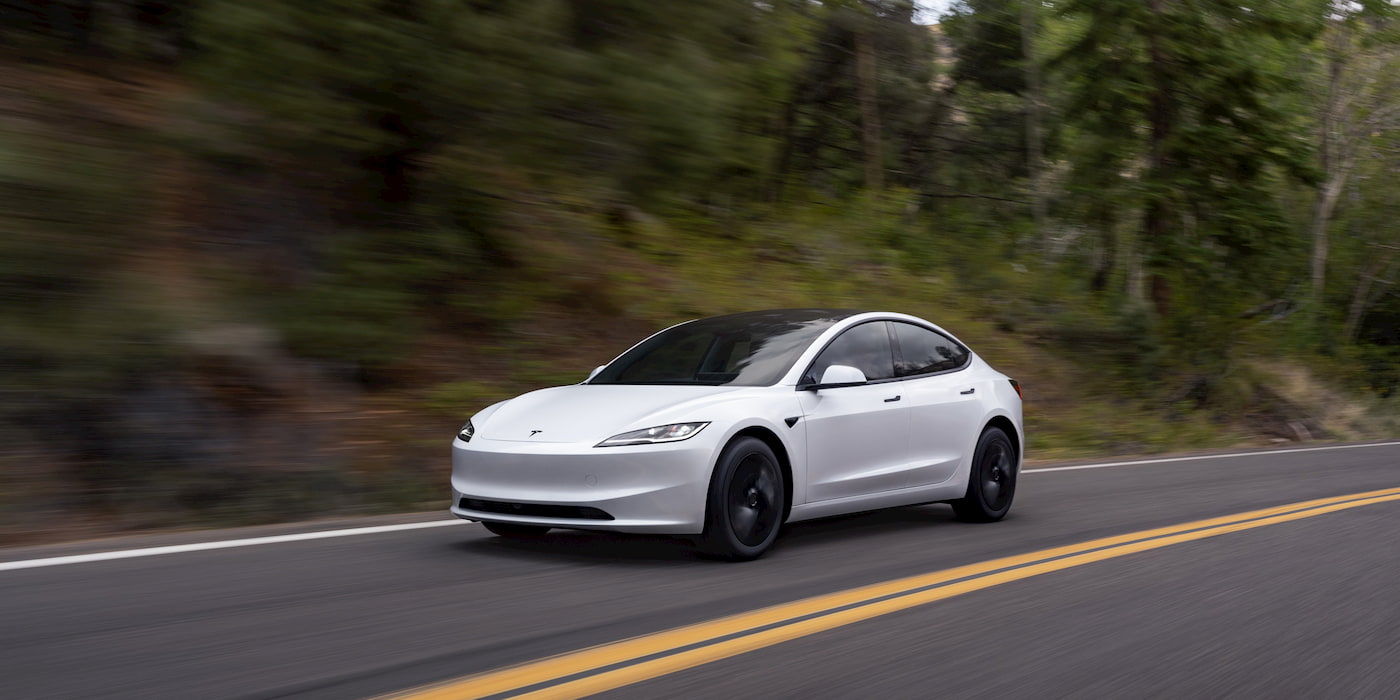
In lockstep with the broader market, Tesla’s average transaction price in March stood at $53,421. This reflects a 2.6% decrease compared to March 2025 and a 1.2% reduction from February figures.
To maintain its market share against a rising tide of competitors from legacy automakers and aggressive foreign entrants, Tesla has leaned further into discounting. The company increased its incentive spending to 12.3% of its Average Transaction Price, deploying strategic price cuts, financing incentives, and lease promotions to entice buyers.
A Complex Sales Picture
However, Tesla’s aggressive pricing has yielded a complex financial and sales outlook. According to comprehensive estimates from Cox Automotive, Tesla’s year-over-year US sales volume experienced an 8.4% decline in March.

This year-over-year contraction highlights the growing competitive pressure from legacy manufacturers—such as Ford, General Motors, Hyundai, and Kia—who are steadily capturing market share with fresh EV nameplates.
Yet, looking at the short-term trajectory, Tesla’s domestic position shows signs of stabilization. On a month-over-month basis, Tesla deliveries rebounded with a 6.1% increase compared to February, marking the second consecutive month of sequential delivery gains. This indicates that while the company faces stiffer competition than in previous years, its targeted price adjustments are successfully stimulating short-term consumer demand.
Future Outlook: What Next for the EV Market?
As the automotive industry moves past the first quarter of the year, several critical trends are poised to shape the trajectory of electric vehicle adoption:
- Mainstream Mass Adoption: With the gap to gas-powered vehicles shrinking to $5,800, the demographic profile of the EV buyer is shifting. Early adopters and luxury buyers are being succeeded by pragmatic, middle-class consumers who evaluate purchases strictly on cost-efficiency and utility.
- Sustained Incentive Wars: As legacy automakers ramp up production capacities and new assembly plants come online, inventory levels will remain high. To prevent lot stagnation, automakers will likely maintain elevated incentive levels throughout the remainder of the year.
- The Pressure on Used EV Markets: As new EV prices drop and incentives soar, residual values for pre-owned electric vehicles will face continuous downward pressure. While this creates challenges for current leaseholders and trade-ins, it simultaneously creates a robust, highly affordable entry point for budget-conscious used car buyers.
- Infrastructure as the Final Frontier: With affordability barriers rapidly crumbling, the industry’s focus must now pivot decisively toward charging infrastructure reliability, range confidence, and grid capacity. As price stops being the primary objection, seamless public and residential charging will dictate the speed of future market saturation.
The Bottom Line
The latest Kelley Blue Book data sends an unmistakable message to the automotive world: the electric vehicle transition has entered its most democratic phase yet.
Despite regulatory headwinds and shifting tax credits, consumer prices are easing, manufacturer incentives are hitting historic highs, and the affordability gap separating electric cars from their gasoline counterparts has shrunk to an all-time low of $5,800. For American consumers who have been sitting on the sidelines waiting for the right moment to make the switch, that moment—backed by record discounts and unprecedented market competition—is finally here.
Are you thinking about pairing your new EV with home energy solutions? Streamline your transition by exploring home solar options through trusted networks like EnergySage, which allows you to compare pre-vetted local installers, secure competitive pricing, and save significantly on your overall energy footprint.



