The landscape of consumer health technology is undergoing a quiet but radical paradigm shift. For the past decade, the digital health revolution has been dominated by active, wearable devices—smartwatches, rings, and continuous glucose monitors that demand constant user engagement, regular charging, and manual data logging. However, clinicians and consumer tech analysts alike have long identified a fundamental flaw in this model: behavioral fatigue. The tools designed to monitor our health often end up abandoned in drawers once the novelty fades.
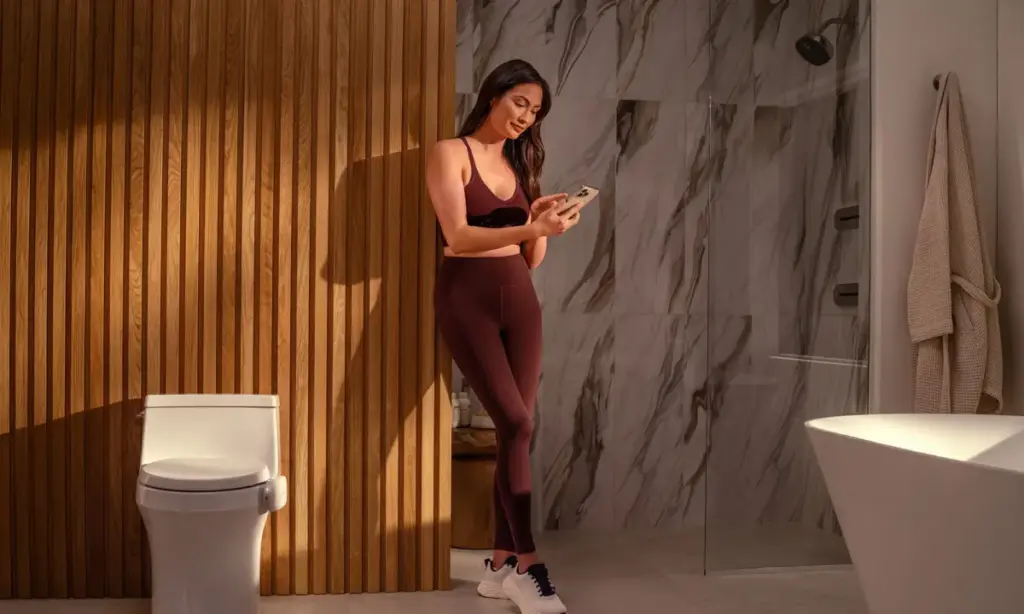
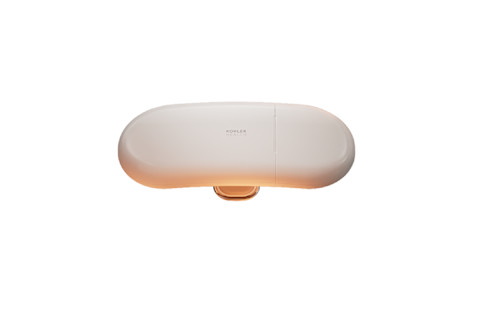
Enter the era of "ambient biometrics"—passive, non-invasive monitoring systems that integrate seamlessly into the physical infrastructure of our daily lives. At the vanguard of this movement is Kohler Health’s Dekoda, a first-of-its-kind smart bathroom device designed to turn a universal daily routine into a sophisticated, longitudinal health diagnostic. By attaching directly to an existing toilet, the Dekoda passively monitors hydration, digestive patterns, bowel movement consistency, and the presence of occult blood, transmitting these data points to a secure, family-friendly digital platform.
This investigative report examines the technology, the clinical science of digestive monitoring, the real-world performance of the Dekoda over a multi-week deployment, and the broader implications of smart-home diagnostics on the future of preventive medicine.
Executive Overview: The Rise of the Smart Bathroom
While the concept of a "smart toilet" has existed in science fiction and experimental Japanese research laboratories for decades, consumer adoption has remained virtually non-existent due to high costs, complex installations, and privacy concerns. Kohler Health—a venture-backed division of the global plumbing giant—aims to democratize this technology with Dekoda. Rather than requiring homeowners to replace their entire porcelain fixture, Dekoda is an aftermarket device designed to retroactively transform standard toilets into intelligent diagnostic hubs.
+-----------------------------------------------------------------+
|                    KOHLER HEALTH DEKODA SYSTEM                  |
+-----------------------------------------------------------------+
|                                                                 |
|   +-----------------------+           +---------------------+   |
|   |   Dekoda Hardware     |           |  Biometric Remote   |   |
|   |  (Toilet Attachment)  |           | (Fingerprint Login) |   |
|   +-----------+-----------+           +----------+----------+   |
|               |                                  |              |
|               | (Passive Data Capture)           | (User Auth)  |
|               v                                  v              |
|   +---------------------------------------------------------+   |
|   |                   Kohler Health App                     |   |
|   |  - Encryption Engine       - Longitudinal Baselines     |   |
|   |  - Bristol Stool Analysis  - Multi-User Isolation       |   |
|   +---------------------------------------------------------+   |
|                                                                 |
+-----------------------------------------------------------------+
The device works passively in the background, utilizing advanced optical and spectroscopic sensors to analyze liquid and solid waste. The collected data is then transmitted to the Kohler Health App, where proprietary algorithms translate raw physical characteristics into actionable wellness trends.
For the modern consumer, the value proposition is clear: Dekoda eliminates the friction of health tracking. There are no batteries to charge, no food logs to fill out, and no behavioral modifications required. It targets a massive physiological blind spot. While clinical research increasingly validates the gut microbiome and digestive health as foundational to systemic wellness—affecting everything from metabolic function and immune response to mental health—the vast majority of the population remains entirely disconnected from their own digestive data. By automating this data collection, Kohler Health seeks to bridge the gap between clinical gastroenterology and daily home life.
Detailed Chronology: Testing the Frontiers of Passive Biometrics
To evaluate the efficacy, accuracy, and psychological friction of the Dekoda, our editorial team conducted a rigorous six-week real-world trial. The test was designed to simulate the experience of a typical health-conscious household, tracking the device from unboxing and physical integration through to long-term data analysis.
Phase 1: Unboxing and Physical Integration
For many consumers, the primary barrier to smart-home health technology is setup friction. The Dekoda addresses this by arriving in highly organized, modular packaging accompanied by a simplified physical guide and a QR-code-activated digital setup wizard.

The physical installation proved surprisingly straightforward. The device mounts securely to the rim of existing toilet bowls without requiring specialized plumbing tools or permanent modifications to the home. The hardware is designed to remain highly discreet, maintaining the aesthetic integrity of the bathroom while positioning its sensor array optimally within the bowl. The entire physical and digital onboarding process, including pairing the device with the household Wi-Fi network and calibrating the sensors, was completed in under ten minutes.
Phase 2: The Onboarding and Authentication Routine
One of the unique challenges of a shared bathroom appliance is multi-user data segregation. Traditional wearables are bound to a single body; a toilet is inherently communal. To resolve this, the Dekoda utilizes a dual-authentication protocol. Users can initiate a tracking session either through the companion Kohler Health App or via a dedicated wall-mounted remote control protected by a secure biometric fingerprint scanner.
During the first week of testing, the primary challenge was behavioral adjustment—not in changing bathroom habits, but in remembering to scan a fingerprint to log the session. However, because the biometric remote is positioned naturally within reach, this step quickly transitioned from a conscious effort into an automated physical habit.
[User Approaches] ──> [Biometric Fingerprint Scan] ──> [Passive Sensor Activation] ──> [Data Encrypted & Uploaded]Phase 3: Longitudinal Data Accumulation (Weeks 2–4)
By the second and third weeks, the true power of ambient biometrics became apparent: the device effectively "disappeared" into the background of daily life. While the hardware continued to execute complex optical scans of waste and fluid dynamics with every use, the user experience was entirely passive.
During this phase, the Kohler Health App began constructing a personalized physiological baseline. Rather than alerting the user to isolated, daily fluctuations—which are often clinically irrelevant and can induce unnecessary health anxiety—the software focused on establishing long-term trends. The system monitored:
- Hydration Dynamics: Calculating systemic hydration levels based on urine color and specific gravity trends over 24-hour cycles.
- Digestive Consistency: Cataloging bowel movements against digitized clinical standards, such as the Bristol Stool Chart.
- Frequency and Timing: Mapping the natural circadian rhythms of the user’s digestive tract.
Phase 4: Insight Generation and Behavioral Adjustments (Weeks 5–6)
In the final weeks of the trial, the accumulated data was synthesized into clear, actionable insights. The app did not present overwhelming spreadsheets of raw numbers; instead, it offered intuitive, high-level summaries of digestive wellness.
For example, the system successfully identified subtle correlations between weekend dietary changes and subsequent mid-week digestive slowdowns. It also highlighted a persistent pattern of mild dehydration on specific workdays, allowing the tester to make targeted, proactive adjustments to their fluid intake. By the end of the six-week trial, the device had successfully shifted the user’s relationship with their own health data from speculative memory to objective, empirical reality.
Supporting Context & Metrics: The Science of Waste and Wellness
To understand why Kohler Health is focusing on the bathroom, one must look at the clinical significance of human waste. The digestive tract is not merely a waste-disposal system; it is a highly complex, metabolically active organ system that serves as a primary interface between the external environment and internal physiology.
The "94% Blindspot" and the Stigma of Digestion
According to consumer healthcare surveys, approximately 94% of Americans admit to paying little to no attention to their daily bathroom habits, rarely looking at their stool or tracking the frequency of their bowel movements. This avoidance is driven by deep-seated cultural stigmas surrounding digestion and waste.
AMERICAN BATHROOM MONITORING HABITS
┌──────────────────────────────────────────────────────────┐
| ██████████████████████████████████████████████████  94%   | -> Pay No Attention / Ignore Output
| ░░░░  6%                                                 | -> Actively Track or Monitor
└──────────────────────────────────────────────────────────┘
However, this lack of observation carries significant clinical consequences. Delays in recognizing changes in bowel habits or the presence of microscopic blood can lead to late-stage diagnoses of chronic conditions, including:
- Inflammatory Bowel Disease (IBD), such as Crohn’s disease and Ulcerative Colitis.
- Irritable Bowel Syndrome (IBS), which affects an estimated 10-15% of the global population.
- Colorectal Cancer, where early detection via the presence of occult blood dramatically improves five-year survival rates.
The Clinical Metrics of Dekoda
The Dekoda device quantifies physiological health across several key metrics, translating complex gastroenterological standards into consumer-friendly data points:
| Metric Tracked | Clinical Standard / Reference | Technical Detection Method | Preventive Health Utility |
|---|---|---|---|
| Hydration Status | Urine Specific Gravity & Color | Multi-wavelength optical spectroscopy | Prevents chronic dehydration, kidney stones, and acute cognitive fatigue. |
| Bowel Consistency | Bristol Stool Chart (Types 1–7) | Computer vision & pattern recognition | Identifies dietary deficiencies, fiber imbalances, and underlying motility disorders. |
| Frequency & Motility | Circadian Digestive Rhythms | Automated timestamp logging | Detects onset of chronic constipation, diarrhea, or stress-induced IBS flare-ups. |
| Occult Blood Detection | Fecal Immunochemical Test (FIT) principles | High-sensitivity optical reflectance | Serves as an early warning signal for hemorrhoids, ulcers, or colorectal anomalies. |
By tracking these metrics continuously and passively, the Dekoda creates a high-resolution, longitudinal dataset that is far more clinically valuable than a single, isolated stool sample provided during an annual physical exam.
Official Statements and Expert Perspectives
The integration of advanced biometric sensors into the home has drawn close attention from both the medical community and technology analysts. Proponents point to the immense potential of home-based diagnostics to lower healthcare costs through early intervention, while critics emphasize the critical need for absolute data privacy.
The Manufacturer’s Vision
In statement materials detailing the development of the device, Kohler Ventures emphasized their commitment to shifting the paradigm of smart-home technology from novelty convenience to essential health infrastructure:
"The bathroom has always been a space dedicated to hygiene, but we believe its future lies in proactive health. With Dekoda, our goal was to build a sophisticated medical-grade tracking tool that respects the sanctuary of the home. By making the technology completely passive and integrating it into an existing household fixture, we remove the behavioral barriers that cause traditional health monitors to fail. We are not asking consumers to change their lives; we are simply helping them understand them."
The Clinical Perspective
Gastroenterologists have expressed cautious optimism regarding the clinical utility of passive, home-based digestive monitoring. Dr. Evelyn Aris, a clinical gastroenterologist specializing in inflammatory bowel disorders, notes the value of longitudinal patient data:
"In clinical practice, we are heavily reliant on patient recall, which is notoriously inaccurate. When a patient tells me they have been experiencing irregular bowel movements ‘for a few weeks,’ that subjective memory is difficult to translate into a precise treatment plan. A device like Dekoda, which provides weeks or months of objective, daily data on stool consistency and frequency, changes the diagnostic equation entirely. It allows us to see the exact trajectory of a flare-up and measure the real-world efficacy of dietary or pharmacological interventions."
However, medical experts also urge caution, noting that home monitoring tools must be positioned as wellness aids rather than diagnostic replacements for professional medical evaluations. "The presence of blood or a sudden shift in digestive patterns should always prompt a consultation with a physician," Dr. Aris adds. "Smart devices are excellent at flagging anomalies, but the human clinician remains irreplaceable for diagnosis and treatment."
The Data Privacy Mandate
Given the highly sensitive nature of the data collected by the Dekoda, data security is a paramount concern for consumers and privacy advocates. Kohler Health has addressed these concerns by implementing a strict, multi-tiered security architecture:
- Local Encryption: All biometric and raw sensory data is encrypted at the device level before transmission.
- No Visual Media Transmission: The device utilizes optical sensors to analyze waste characteristics mathematically, but does not capture, store, or transmit raw photographic images of the user or their waste.
- Strict User Isolation: In multi-user households, individual accounts are completely isolated. Family members cannot view each other’s health data or biometric profiles unless explicit, manual sharing permissions are granted within the app.
- No Third-Party Monetization: Kohler Health has committed to a strict data policy, asserting that personal health metrics are never sold to third-party advertisers or health insurance providers.
Future Outlook: The Smart Home as a Preventive Clinic
The emergence of Kohler Health’s Dekoda represents the opening chapter of a much larger narrative: the transformation of the home into a proactive, continuous diagnostic environment. As healthcare costs continue to climb and aging populations place unprecedented strain on traditional medical infrastructure, the burden of health monitoring is shifting from reactive clinical settings to the home.
[Reactive Healthcare Model]
Symptoms Present ──> Clinical Visit ──> Late-Stage Diagnosis ──> High Treatment Cost

[Proactive Ambient Model]
Continuous Home Tracking ──> Early Anomaly Flagged ──> Preventive Intervention ──> Low Cost / High Recovery
Over the next decade, we can expect the smart bathroom to evolve into an interconnected wellness suite. Future iterations of devices like the Dekoda may incorporate advanced chemical test strips to perform automated, micro-fluidic urinalysis—monitoring hormone levels, electrolyte balances, and kidney function markers in real-time. Integration with smart mirrors could analyze skin health and cardiovascular indicators, while smart scales track body composition changes alongside digestive motility.
Ultimately, the true value of ambient biometrics lies in their ability to restore our connection to our bodies. By removing the friction, the shame, and the cognitive load of health tracking, devices like the Dekoda empower individuals to reclaim control over their physical well-being. It is a quiet, unassuming revolution—one that begins not in a laboratory or a clinic, but in the most private room of the home.