From the sun-baked expanses of the Southwest to the rocky surf of the Jersey Shore, the traditional American summer is undergoing a profound and irreversible transformation. For generations, the warmest months of the year served as a cultural anchor—a universal period of freedom, outdoor leisure, and generational rhythms. Yet, rising annual hot-season temperatures, driven by relentless anthropogenic climate change, have steadily eroded this seasonal baseline. Across the United States, warming of 4 to 5 degrees Fahrenheit over the past half-century has supercharged heat waves, intensified droughts, and disrupted ecosystems, forcing a fundamental evolution in how communities live, work, and celebrate.
Executive Overview
Summer in America was once defined by predictable markers: the swarm of flickering fireflies at dusk in Georgia, cool afternoon monsoon rains in Arizona, and the crisp mountain breezes of the Rockies. Today, those touchstones are increasingly unreliable. NOAA records confirm that the contiguous United States continues to experience unprecedented heat events, culminating in record-breaking monthly temperatures that disrupt local economies and ecosystems alike.
This deep dive examines the regional fractures in our collective seasonal identity. Through firsthand reporting from across the country, this article details how extreme weather, toxic wildfire smoke, shifting precipitation patterns, and rising sea temperatures are reshaping regional pastimes—turning a season of leisure into a landscape of caution, adaptation, and loss.
Detailed Chronology: Regional Dispatches on a Changing Season
The Southwest: Fading Monsoons and Relentless Desert Heat
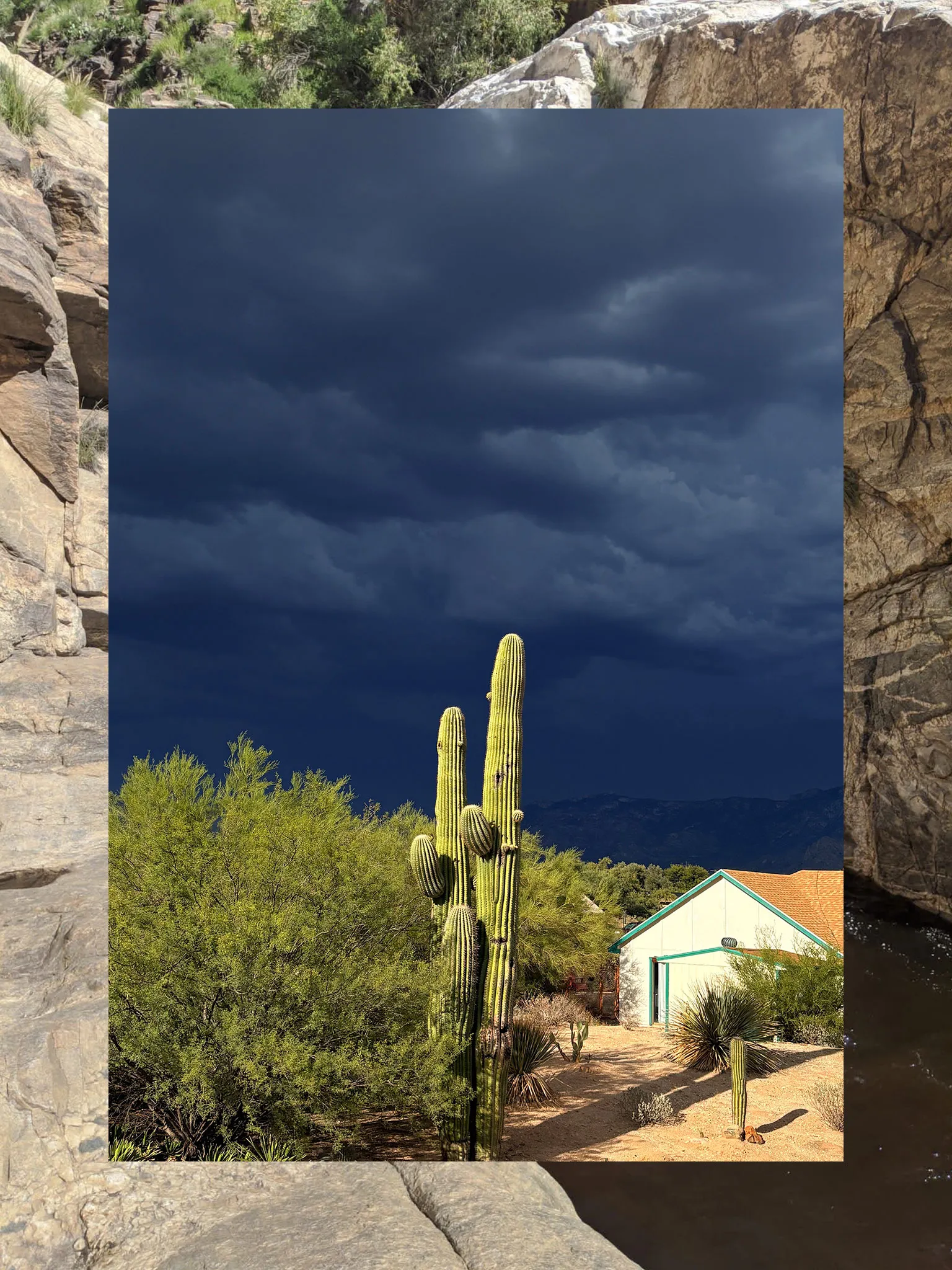
In the Sonoran Desert of Arizona, summer precipitation has historically been a cause for celebration. Massive curtains of rain and rainbows used to arrive like clockwork nearly every afternoon. However, annual precipitation in Tucson has declined by nearly three inches since 1970 against an average baseline of roughly 11 inches. The monsoon has become erratic, replaced by oppressive, rainless triple-digit days that trap residents indoors under the hum of air conditioners.
Further east in Texas, El Paso experienced an unrelenting wave of extreme heat this year, logging approximately 45 days at or above 100 degrees Fahrenheit. Beyond the blistering thermal loads, the region contended with degraded air quality driven by vehicle emissions and localized petroleum refinery contamination. Outdoor pastimes—from backyard barbecues to historic mountain hikes—are increasingly restricted to early morning hours or abandoned altogether, dampening the binational culture of a vibrant border city.
The Rockies: Crowded Peaks and Squeezed Ecosystems
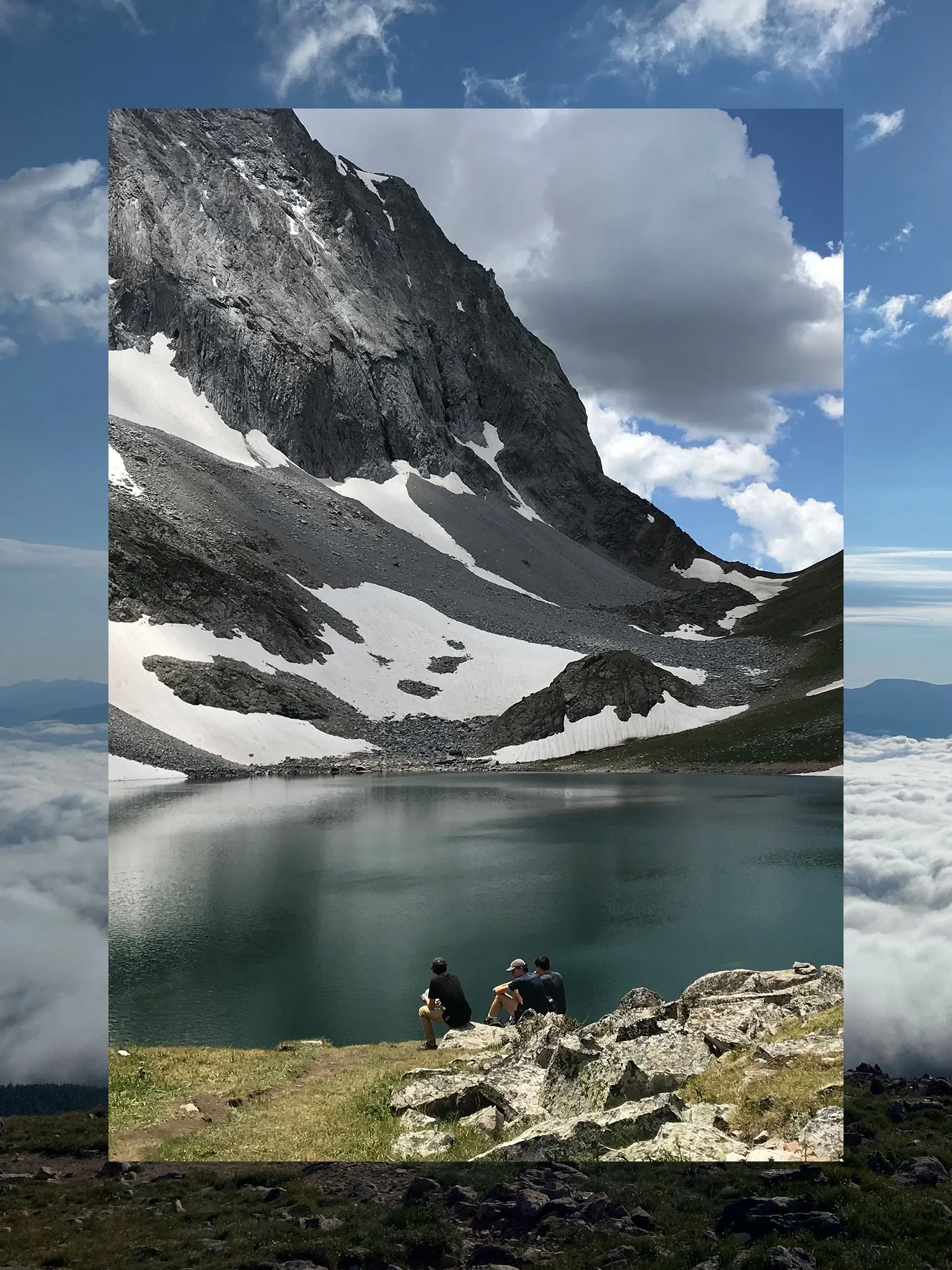
Thousands of travelers traditionally escape to Colorado’s high country to buy relief from southern heat. Yet, weather stations above 9,000 feet are recording near-90-degree days at an alarming frequency. Snowpacks melt earlier, rivers shrink into narrow streams where bathers crowd together, and oceans of wildfire smoke frequently obscure mountain vistas. Despite these degraded conditions, lodging occupancy remains stubbornly high as visitors flee even worse infernos elsewhere, crowding dwindling alpine refuges.
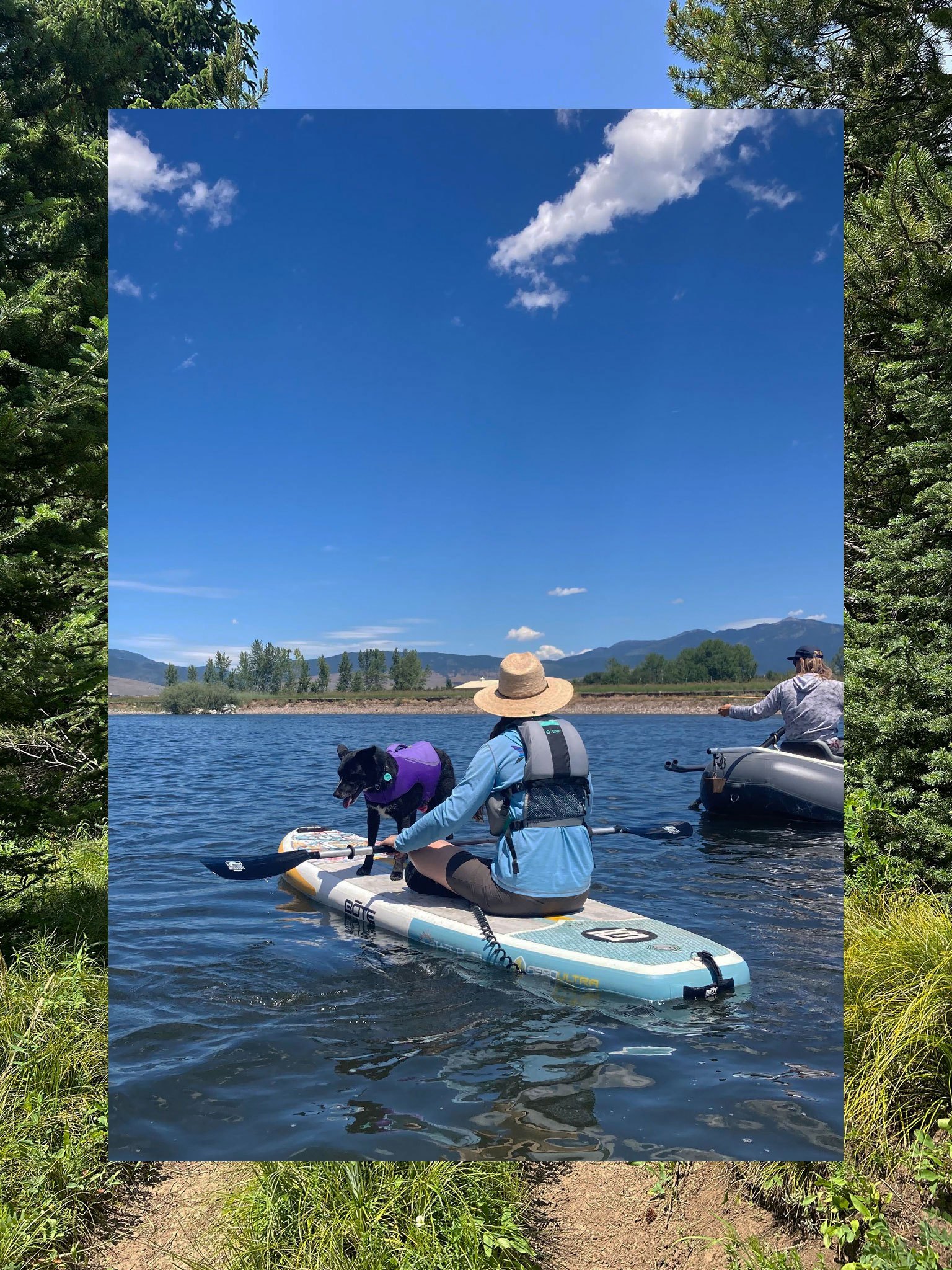
In Montana, the iconic "tube hatch"—where rivers overflow with inner tubes and paddleboards—is colliding with low river levels and high temperatures. Historic snowpack declines mean rivers drop well before peak floating season. Regional reporters note that Montana’s low rate of residential air conditioning makes rivers and lakes critical cooling vectors, driving unprecedented congestion where anglers, tubers, and stressed wildlife now compete for shrinking riparian space.
The West Coast: Vanishing Fog and Smoky Horizons
In California, the Bay Area’s iconic marine layer—affectionately known as "Karl the Fog"—is losing its predictability. Summertime fog hours along coastal California have declined by 33 percent over the last century due to warming ocean temperatures, starving coastal redwoods of vital moisture. Concurrently, wildfire risks have made emergency go-packs standard closet staples alongside beach bags.
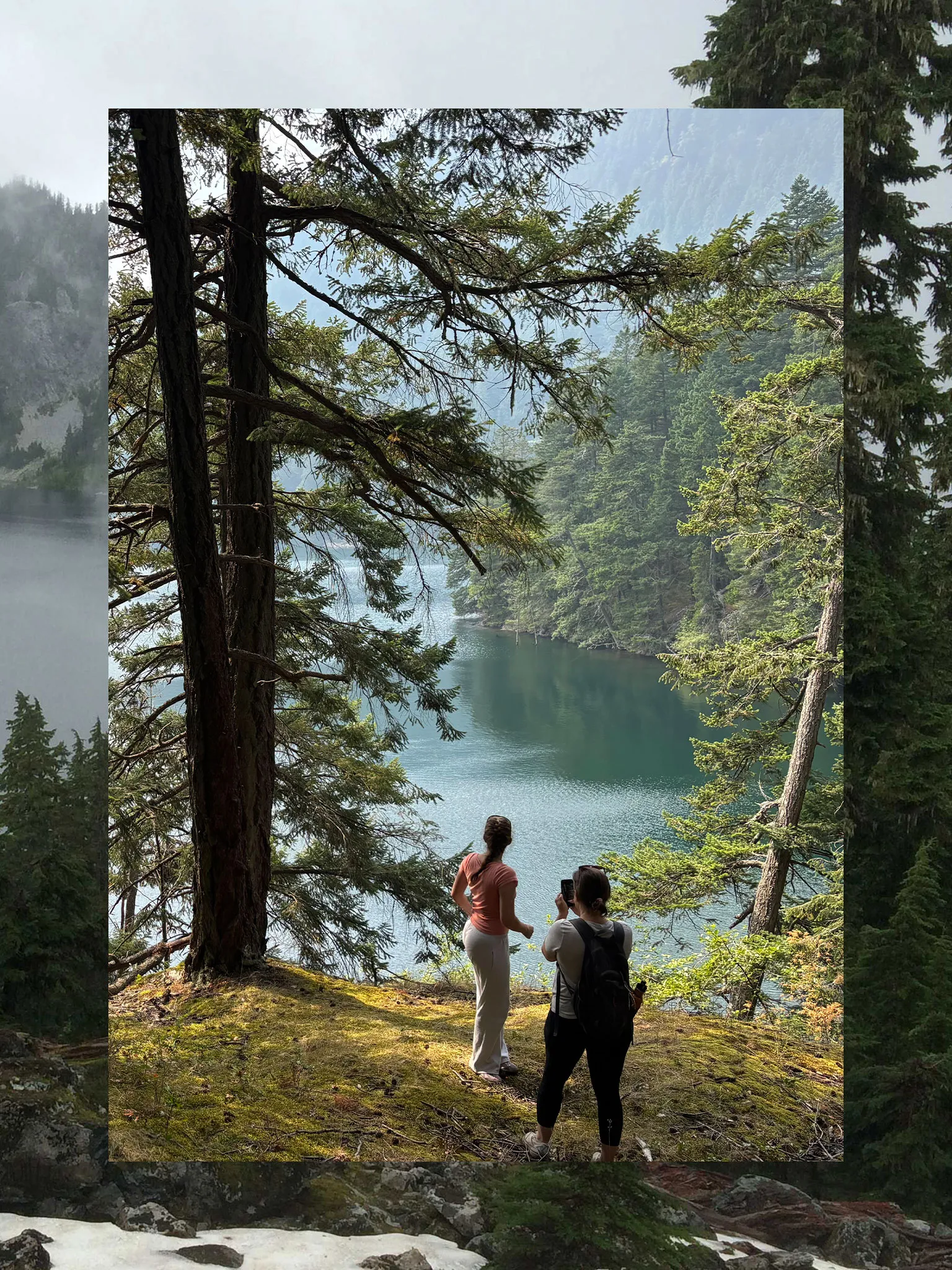
Further north in the Pacific Northwest, the traditional "Juneuary" climate of cool, temperate weeks has evaporated. The region’s notorious June 2021 heat dome shattered records with 108-degree temperatures in Seattle—an event made 150 times more likely by climate change. Coupled with pervasive wildfire smoke, open windows and fans are no longer sufficient, leading to a dramatic surge in air conditioning installations across a historically unconditioned metropolis.
The Midwest: Deluges, Smoke, and Record-Breaking Extremes
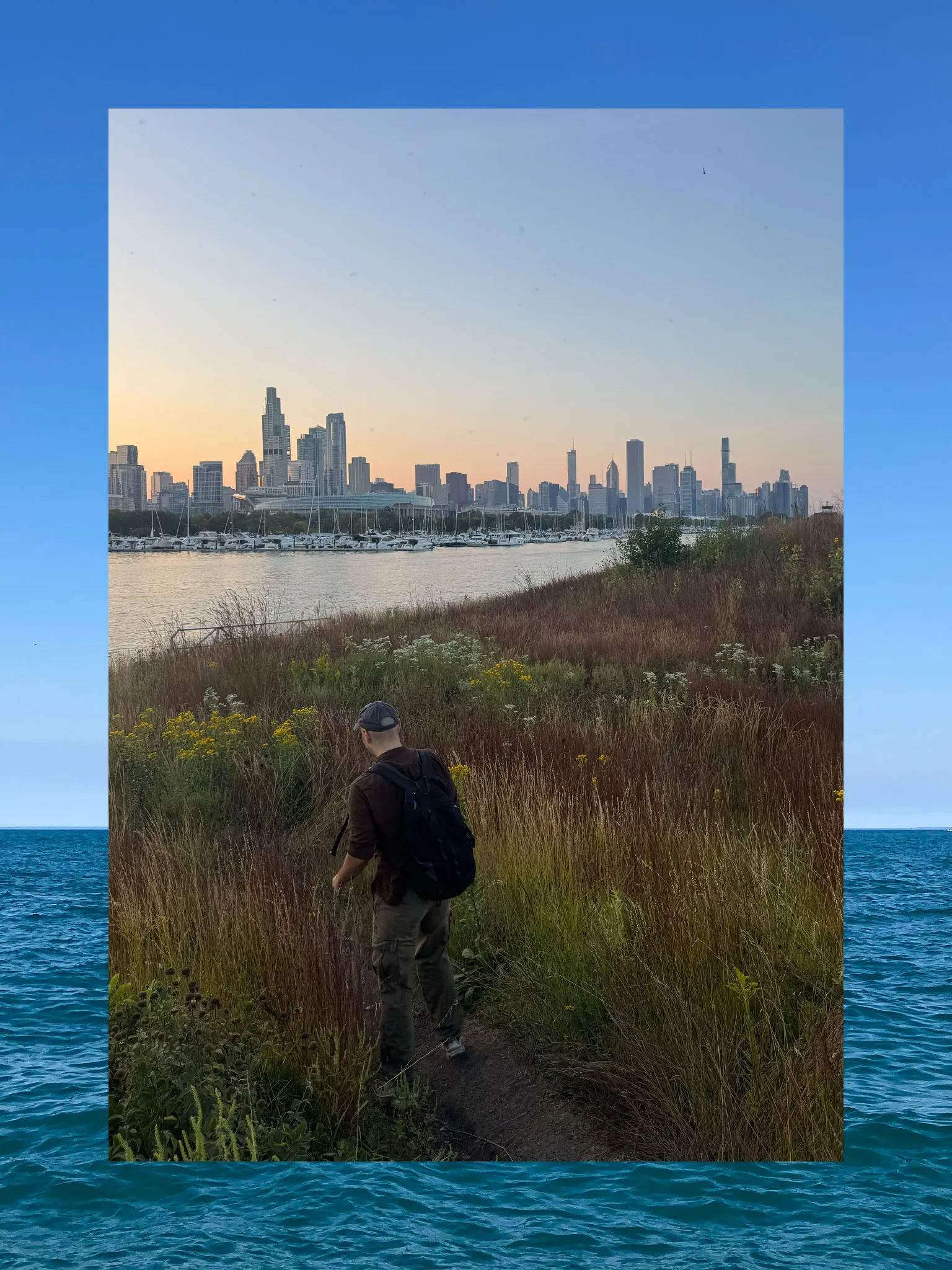
In Illinois, Chicago’s legendary summer culture—defined by open-air festivals, lake swimming, and urban vitality—is facing compounding climatic shocks. This season brought unprecedented rainfall that pushed the city’s $11 billion reservoir system near capacity, alongside a record-breaking tally of over 200 tornadoes statewide. Canadian wildfire smoke routinely choked the skyline, driving air quality indices to alarming heights and forcing residents indoors.
The Southeast: Agricultural Stress and Scorched Rituals
Small farms and backyard gardens in Tennessee are struggling against humid, chaotic temperature swings. USDA plant-hardiness zones have systematically shifted northward as the mid-South transitions toward subtropical extremes. Farmers are forced to adopt grueling, pre-dawn schedules, while traditional planting rituals based on lunar cycles give way to frantic adaptive measures like seed-saving and shade-crop experiments.
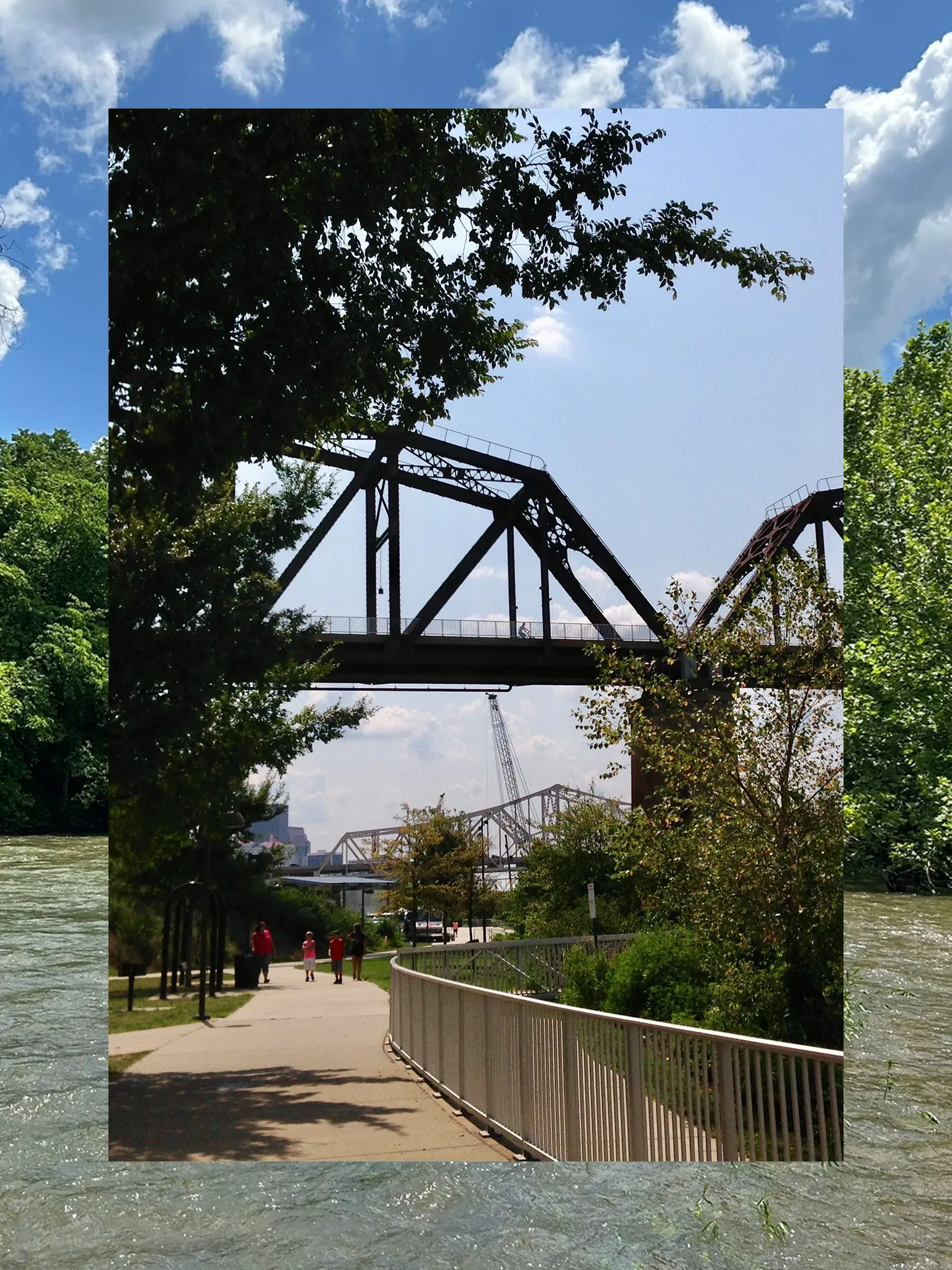
In Kentucky, summer heat index values routinely climb to 108 degrees Fahrenheit. Urban heat islands in cities like Louisville have intensified dramatically since 1970, with average summer temperatures rising by 2 degrees statewide and over 4 degrees in urban centers. Church picnics, outdoor concerts, and flea markets now test the limits of human endurance on baking concrete.
In Georgia, minimum night temperatures from June through July ran 2.5 degrees Fahrenheit above historical averages, boosting mosquito populations and curtailing twilight traditions. Meanwhile, multi-generational households engage in tense thermostat wars as climbing electricity bills clash with the need to cool aging, inefficient homes.
In Florida, subtropical warmth and low elevation offer little buffer against environmental stress. Disney World visitors frequently pass out amid 100-degree heat, and sidewalks become hot plates that blister dogs’ paws. Along the coasts, warming ocean temperatures fuel massive blooms of noxious sargassum seaweed and toxic red tides, transforming recreational beaches into toxic hazard zones.
The Northeast: Ticks, Smoke, and Stalled Cities
In New Hampshire, New England’s celebrated summer playground is plagued by an explosion of tick populations. Warmer winters and extended warm seasons have expanded vector habitats, turning routine woodland hikes into anxious exercises involving tick-removal tools and daily parasite checks.
In New York, New York City has officially been reclassified from a "humid continental" to a "humid subtropical" climate zone. The city that never sleeps has faced unprecedented disruptions: apocalyptic Canadian wildfire smoke has twice brought outdoor life to a standstill, forcing construction workers, delivery cyclists, and residents into N95 masks while exposing severe socioeconomic disparities in residential cooling access.
In New Jersey, the cherished tradition of the "post-Labor Day shoulder season"—when beaches empty and ocean waters reach comfortable swimming temperatures—is unraveling. August sea surface temperatures routinely hit the upper 70s, and Atlantic City’s September-through-November average temperatures have risen by 3.4 degrees Fahrenheit since 1970. As local residents observe, "October is the new September," permanently altering the rhythm of coastal life.
Supporting Context & Metrics
The observational shifts recorded by field reporters are underscored by rigorous empirical data compiled by federal agencies and climate research institutions:
Temperature Anomalies: Summer temperatures across parts of the U.S. have warmed by 4 to 5 degrees Fahrenheit over the last half-century. July routinely breaks historical warmth records for the contiguous U.S.
Precipitation and Hydrology: Tucson, Arizona, has seen annual precipitation decline by nearly 3 inches since 1970 against an 11-inch baseline. Coastal California fog hours have dropped by 33 percent over the last century.
Urban Heat Islands: Louisville, Kentucky, exhibits one of the fastest-growing urban heat island signatures in the nation, contributing to local temperature spikes well above regional averages.
Ecological Pressures: USDA plant-hardiness zones across the mid-South have shifted half a zone upward (e.g., from 7a to 7b), reflecting long-term subtropical expansion.
Official Statements & Scientific Consensus
The scientific consensus underpinning these regional disruptions emphasizes that human-induced greenhouse gas emissions are the primary driver of extreme seasonal volatility.
"Global warming pushes summer temperatures up, making heat waves both more frequent and more intense. The synchronization of extreme heat with multi-state wildfire smoke events indicates a systemic shift in continental climate dynamics."
— Summarized findings from NOAA, Climate Central, and World Weather Attribution studies.
Public health officials and municipal leaders are increasingly forced to treat seasonal heat and smoke not as temporary inconveniences, but as chronic public health crises. Agencies from the EPA to municipal departments of environmental protection are racing to update infrastructure resilience standards, expand urban tree canopies, and deploy emergency cooling centers to protect vulnerable urban populations.
Future Outlook: Navigating the New Normal
The traditional American summer—once envisioned as an immutable season of effortless outdoor recreation—is officially a relic of the past. As global temperatures continue to climb, the structural integrity of our seasonal habits, economic models, and cultural traditions will face even greater stress.
Adapting to this new normal will require aggressive municipal investments in climate-resilient infrastructure, equitable access to efficient residential cooling, and a cultural pivot toward heat-mitigated daily routines. Without decisive global climate action to curb emissions, the delta between the summer we remember and the summer we experience will only widen, permanently altering our relationship with the natural world.