

By the Good On You Editorial Team
Updated: September 21, 2026
Executive Overview
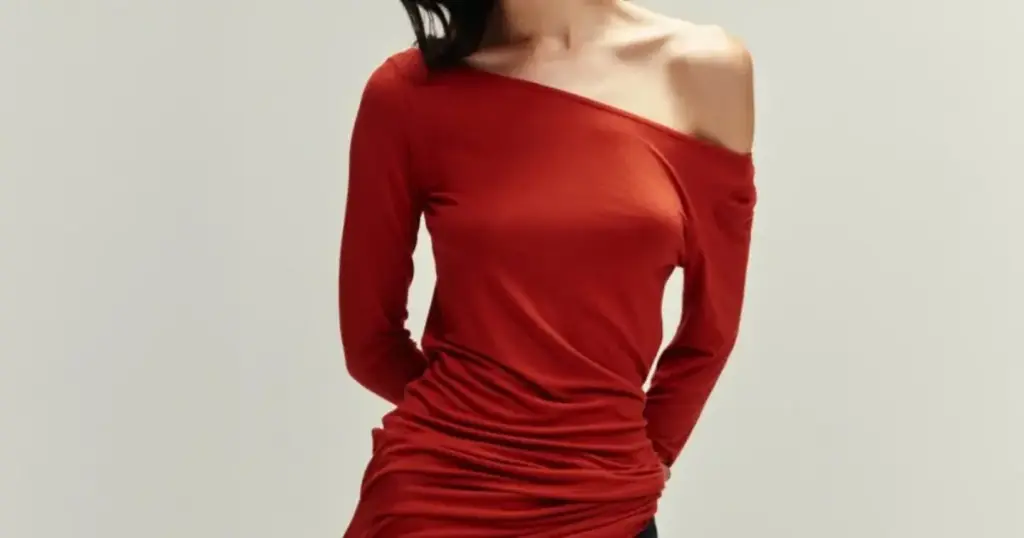
In the fast-paced ecosystem of modern social media, few fashion labels have achieved the meteoric rise of CIDER. Originating in Hong Kong and scaling rapidly since its 2020 launch, the brand has become a ubiquitous presence on digital platforms, fueled heavily by viral influencer "hauls" and TikTok trends. The hashtag #ciderhaul alone commands upwards of 27,000 videos, pointing to a massive, digitally native consumer base drawn to the brand’s hyper-trendy aesthetics, expansive catalog, and remarkably low price points—such as tops priced at a mere £4.
However, beneath the shiny veneer of affordability and endless styling possibilities lies a darker reality. CIDER is a textbook example of ultra-fast fashion: a business model characterized by the rapid, high-volume production of disposable garments designed to capture fleeting micro-trends.
According to rigorous independent assessments by Good On You, CIDER earns our lowest possible rating: "We Avoid." This designation reflects severe shortcomings across key ethical and environmental metrics, including a dismal score for environmental impact due to a lack of lower-impact materials, minimal action on curbing water waste or harmful chemical use, and opaque labor practices that leave workers vulnerable. Furthermore, while the brand avoids most animal-derived products outside of wool, it fails to provide any traceability or animal welfare policies.
For the conscious consumer, the math simply does not add up. Though ultra-fast fashion items appear cheap at checkout, the true cost is externalized onto garment workers, local ecosystems, and global municipal waste streams. This comprehensive report explores the anatomy of CIDER’s business model, details our rigorous methodology for evaluating fashion sustainability, and offers a curated list of "Good" and "Great" rated alternatives to help you achieve your favorite aesthetics without compromising your values.
Detailed Chronology: The Rise of Ultra-Fast Fashion and CIDER
To understand the current state of consumer shopping habits, one must examine how the digital fashion landscape transformed over the past decade.
- 2020: The Pandemic Boom. Launched in the midst of global lockdowns, CIDER entered the market precisely as digital consumption peaked. Confined to their homes, consumers turned to social media—specifically TikTok—for entertainment and retail therapy. CIDER capitalized on this captive audience by positioning itself as a joyful, trend-responsive brand with a distinct retro-meets-modern aesthetic.
- 2021–2023: The Influencer Industrial Complex. CIDER mastered the art of influencer marketing. By gifting endless parcels of clothing to micro- and macro-influencers, the brand engineered a constant stream of organic-looking content. The
#ciderhaulphenomenon normalized the purchase of dozens of items at once, framing clothing as a temporary, highly disposable form of media consumption rather than a durable good. - 2024–2025: Scale and Scrutiny. As CIDER expanded its digital footprint globally, mounting pressure from sustainability advocates and ethical watchdogs began to expose the cracks in its business model. Investigative reports highlighted the opacity of its supply chains, while environmental scientists raised alarms over the sheer volume of synthetic fibers being pumped into the global market.
- 2026 and Beyond: Physical Retail and the Reckoning. In a bid to cement its market share, CIDER began expanding into bricks-and-mortar storefronts, further normalizing its ultra-fast production cycles. Simultaneously, regulatory bodies in Europe and abroad began cracking down on greenwashing and fast-fashion waste, making 2026 a critical inflection point for shoppers to reevaluate where they spend their money.
Supporting Context & Metrics: Evaluating the True Impact
The allure of fast fashion relies heavily on cognitive dissonance: the separation of the cheap price tag from the human and environmental labor required to produce the garment. At Good On You, our mission is to cut through the marketing noise by relying on transparent, data-driven assessments.
How Our Rating System Works
The Good On You directory aggregates comprehensive, transparent information on fashion sustainability. Utilizing a rigorous methodology developed by a diverse team of researchers, labor rights experts, and environmental scientists, we evaluate over 7,000 brands across a simple five-point scale. We proudly collaborate with and recommend only brands that achieve a "Good" or "Great" rating.
Our evaluation framework assesses brands across three core pillars:
- People (Labor Conditions): We investigate whether brands pay living wages, ensure safe working conditions, protect workers’ rights to unionize, and publish transparent supply chain data. CIDER currently rates "Very Poor" in this category due to its failure to provide sufficient, verifiable information regarding its manufacturing facilities.
- Planet (Environmental Impact): This pillar measures greenhouse gas emissions, water management, chemical usage, circularity, and the adoption of lower-impact or recycled materials. CIDER receives a "Very Poor" rating here for its heavy reliance on virgin synthetics (such as polyester) and a lack of measurable climate targets.
- Animals (Welfare): We review the sourcing of animal-derived materials (leather, down, fur, wool, silk) and adherence to ethical treatment standards. CIDER achieves an "It’s a Start" rating strictly by default—because it largely avoids animal products outside of wool—but fails entirely on transparency, offering no evidence of wool traceability or an animal welfare policy.
The Myth of "Affordability"
When a top retails for £4, someone, somewhere down the supply chain is paying the difference. Whether it is a garment worker enduring forced overtime in unsafe conditions or local ecosystems poisoned by untreated textile dye runoff, ultra-fast fashion externalizes its production costs. Furthermore, the garment construction is intentionally substandard, utilizing poor-quality blended fabrics that degrade after just a few machine washes. These items quickly end up in landfills, contributing to the global textile waste crisis.
As the "buy less, buy better" movement demonstrates, investing in higher-quality, ethically produced garments that cost more up front ultimately saves money over time, outlasting dozens of disposable fast-fashion purchases.
Official Statements and Industry Insights
The conversation surrounding ultra-fast fashion has shifted from a niche ethical debate to a mainstream economic and environmental concern. Industry experts and consumer rights advocates agree that transparency is non-negotiable.
"As a shopper, you have the fundamental right to know how a brand’s products impact the people who make them and the planet we share. When a company relies on hyper-accelerated production cycles with zero supply chain visibility, it is a glaring red flag." — Good On You Editorial Guidelines
Sustainable fashion advocates emphasize that while individual consumer choices cannot single-handedly dismantle systemic industrial issues, collective shifts in purchasing power send a powerful message to corporate boardrooms. By turning away from ultra-fast fashion giants and supporting circular, ethical alternatives, consumers help validate a better business model.
Future Outlook: The Shift Toward Conscious Consumption
Looking ahead, the fashion industry faces mounting pressure from both conscious consumers and incoming regulatory frameworks. Governments—particularly in the European Union—are implementing stricter rules regarding extended producer responsibility (EPR), greenwashing claims, and textile waste management. Brands that rely on a disposable, linear business model of "take, make, waste" will find it increasingly difficult to operate profitably.
Consciously minded shoppers are leading the charge by adopting hybrid wardrobes: prioritizing rewearing, mending existing garments, shopping secondhand, and investing in new pieces exclusively from transparent, highly rated sustainable brands.
Sustainable Alternatives to CIDER’s Best Sellers
If you love the trendy aesthetics, playful silhouettes, and statement pieces associated with CIDER, you do not have to sacrifice your personal style to align with your ethical values. Our editors have handpicked a selection of "Good" and "Great" rated brands that capture these exact looks while respecting people, the planet, and animals.
1. For Knitwear & Sweaters (Instead of CIDER’s boat neck knitwear)
- Brand Highlight: Gaia Segattini Knotwear
- The Vibe: Assembled and packaged in Italy, Gaia Segattini Knotwear is a playful, unconventional knitwear brand that challenges traditional production methods.
- Sustainability Edge: The brand exclusively uses high-quality production leftover yarns, drastically limiting supply waste while creating unique, small-batch pieces.
- Size Range: S to L.
- See the Rating | Shop Gaia Segattini Knotwear
2. For Statement Dresses & Bohemian Aesthetics (Instead of CIDER’s mini dresses)
- Brand Highlight: Spell
- The Vibe: An iconic Australian fashion brand inspired by vintage treasures, far-off places, and childhood memories. Known for stunning prints, romantic silhouettes, and statement occasion-wear.
- Sustainability Edge: Proudly designed and sampled in Byron Bay, Spell partners with responsibly audited factories around the world and prioritizes lower-impact fibers.
- Size Range: 2XS to 2XL.
- See the Rating | Shop Spell
3. For Versatile Womenswear & Occasion Dresses (Instead of CIDER’s party wear)
- Brand Highlight: OMNES
- The Vibe: A forward-thinking, UK-based brand creating chic, high-quality womenswear designed to turn heads without breaking the bank.
- Sustainability Edge: OMNES was created with a mission to fundamentally change how people shop, wear, and think about clothing, pushing the wider industry toward accountability and circularity.
- Size Range: UK 6 to 20.
- See the Rating | Shop OMNES
4. For Everyday Basics & Graphic Tops (Instead of CIDER’s wrap tops)
- Brand Highlight: Happy Earth
- The Vibe: A US-based organic clothing brand heavily inspired by nature, offering comfortable, easy-to-wear everyday apparel.
- Sustainability Edge: Dedicated entirely to environmental preservation, Happy Earth partners with non-profits to plant trees, combat climate change, and fund clean-up initiatives.
- Size Range: XS to 3XL.
- See the Rating | Shop Happy Earth
Editor’s Note & Further Reading
Feature image via Thinking MU; all other brand images via their respective owners.
At Good On You, we publish the world’s most comprehensive ratings assessing fashion and beauty brands on their real-world impact. Whether you are looking to audit your own closet, explore second-hand shopping tips, or find alternatives to other fast fashion giants like SHEIN, use our searchable Brand Directory to make informed choices every time you shop.



