The United States electric vehicle (EV) market is currently navigating a period of profound structural transition. According to initial estimates released by Kelley Blue Book (KBB) for November, the broader automotive landscape for battery-powered transport is flashing mixed signals. While average transaction prices (ATPs) for new electric vehicles edged downward and manufacturer-backed incentives experienced a sharp uptick, overall consumer demand remained sluggish. This dynamic suggests that the market is actively searching for a sustainable equilibrium—a "new normal"—as early adopters give way to a more pragmatic, hesitant mainstream consumer base.
Total EV sales in November hovered at just over 70,000 units. This figure represents a dramatic contraction, falling more than 40% compared to the same period a year prior, while also dipping approximately 5% below the figures recorded in October. Industry stakeholders are increasingly realizing that the hyper-growth trajectory of previous years has temporarily leveled off. Automakers are leaning heavily on discounting strategies, aggressive leasing terms, and promotional financing to clear inventory lots, yet buyers continue to exercise caution.
At the center of this shifting landscape is Tesla, the undisputed pioneer of the modern EV movement, which continues to face intense competitive and market pressures. As legacy automakers ramp up their own electrified offerings and consumer preferences shift toward higher-end, utility-focused vehicles, the old playbook is proving insufficient. The November data paints a vivid picture of an industry grappling with affordability, demographic shifts, and the complexities of scaling clean-transportation technologies to a mass-market audience that demands both value and versatility.
Detailed Chronology: How November Unfolded for the EV Sector
To understand the current state of the American electric vehicle market, it is essential to trace how the month of November evolved across pricing, consumer adoption, and specific brand performance. The period began with high hopes that holiday-season promotional campaigns would ignite a late-year sales surge. Instead, the market registered a persistent cooling effect.
Early November: The Anticipation of Holiday Incentives
As October closed with sliding sales numbers, industry analysts anticipated that November would trigger an aggressive push by automakers to slash prices and boost rebates ahead of the year-end close. True to form, incentives jumped significantly on a month-over-month basis. Discounts averaged 13.3% of the average transaction price by mid-month. However, unlike previous years where steep discounts triggered immediate consumer buying frenzies, November’s shoppers remained largely non-committal. Dealership lots reported steady foot traffic, but conversion rates lagged, indicating that buyers were either waiting for even deeper price cuts or weighing macroeconomic uncertainties before pulling the trigger.
Mid-November: Tesla’s Continuing Model 3 Slump
By the middle of the month, preliminary registration and sales data began highlighting distinct friction points within the market, most notably concerning Tesla. While the brand remains the dominant force in American EV manufacturing, its November performance underscored vulnerabilities in specific product lines. Most notably, the Tesla Model 3 experienced a severe contraction. Sales for the sedan plummeted 42.1% compared to November of the previous year and dropped another 11.9% from October levels. This ongoing slump indicates that sedan formats are facing mounting pressure from the relentless consumer migration toward crossovers and SUVs.
Late November: Cooling Enthusiasm for Six-Figure Vehicles
As the month drew to a close, high-end luxury and novelty EVs also showed definitive signs of cooling demand. The Tesla Cybertruck—which had previously enjoyed a prolonged run as the best-selling vehicle priced above $100,000 in the United States—saw its monthly sales drop to 1,194 units. This marked the lowest monthly sales total for the polarizing stainless-steel pickup truck throughout all of 2025. Even as its average price ticked upward to $94,254, the volume clearly demonstrated that the initial wave of early-adopter wealth and enthusiasm for ultra-expensive novelty EVs had crested.
Supporting Context & Metrics: Dissecting the Numbers
A granular analysis of the Kelley Blue Book data reveals fascinating divergences between sticker prices, transaction realities, and manufacturer incentives. The overarching narrative is one of a bifurcated market: while average prices remain elevated, the vehicles actually leaving dealership lots tell a story of high-end consumer resilience coexisting with mainstream hesitation.
Transaction Prices and Incentive Spikes
In November, the average transaction price (ATP) for a brand-new electric vehicle in the United States settled at $58,638. When viewed through a macro lens, this represents a modest 3.7% increase compared to November of the previous year. However, on a month-over-month basis, ATPs drifted downward by 0.8% from October, illustrating that automakers are slowly bleeding pricing power as supply begins to catch up with—and in some segments, outpace—demand.
The real story of November lay in the realm of incentives. Discounts and manufacturer-backed rebates averaged 13.3% of the total transaction price. While this figure was technically lower than the aggressively incentivized landscape of November 2024, it marked a substantial 20.1% surge compared to October alone. Automakers are clearly deploying financial levers to protect market share, even if it eats into profit margins.
Brand-Specific Breakdown: Tesla’s Mixed Results
Tesla’s overall average transaction price for November sat at $54,310. This reflected a 1.7% decrease year-over-year, though it ticked up 1.5% compared to October. More concerning for the company’s leadership, however, was the second consecutive month of declining sales volume. Overall Tesla sales fell 22.7% year-over-year, heavily anchored by the aforementioned collapse in Model 3 demand.
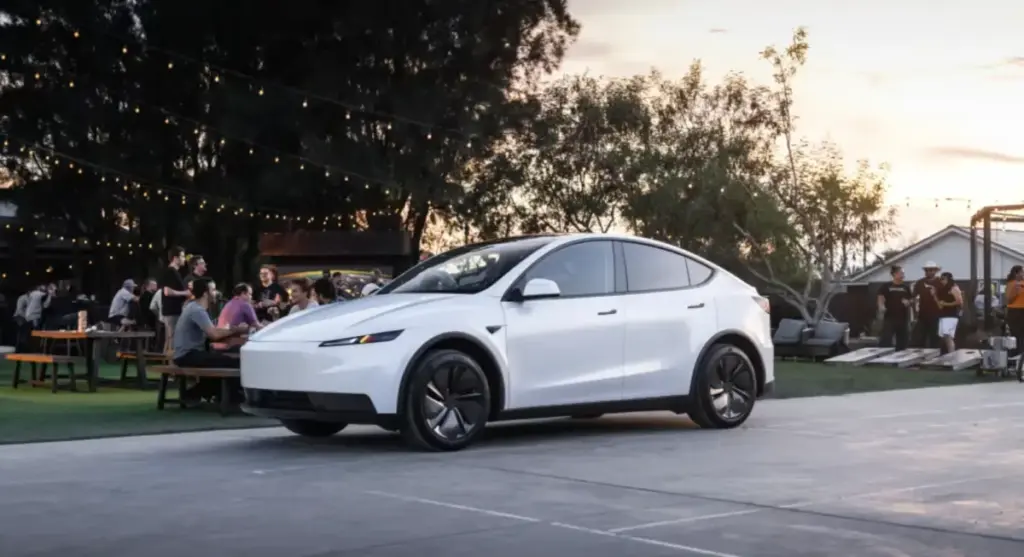
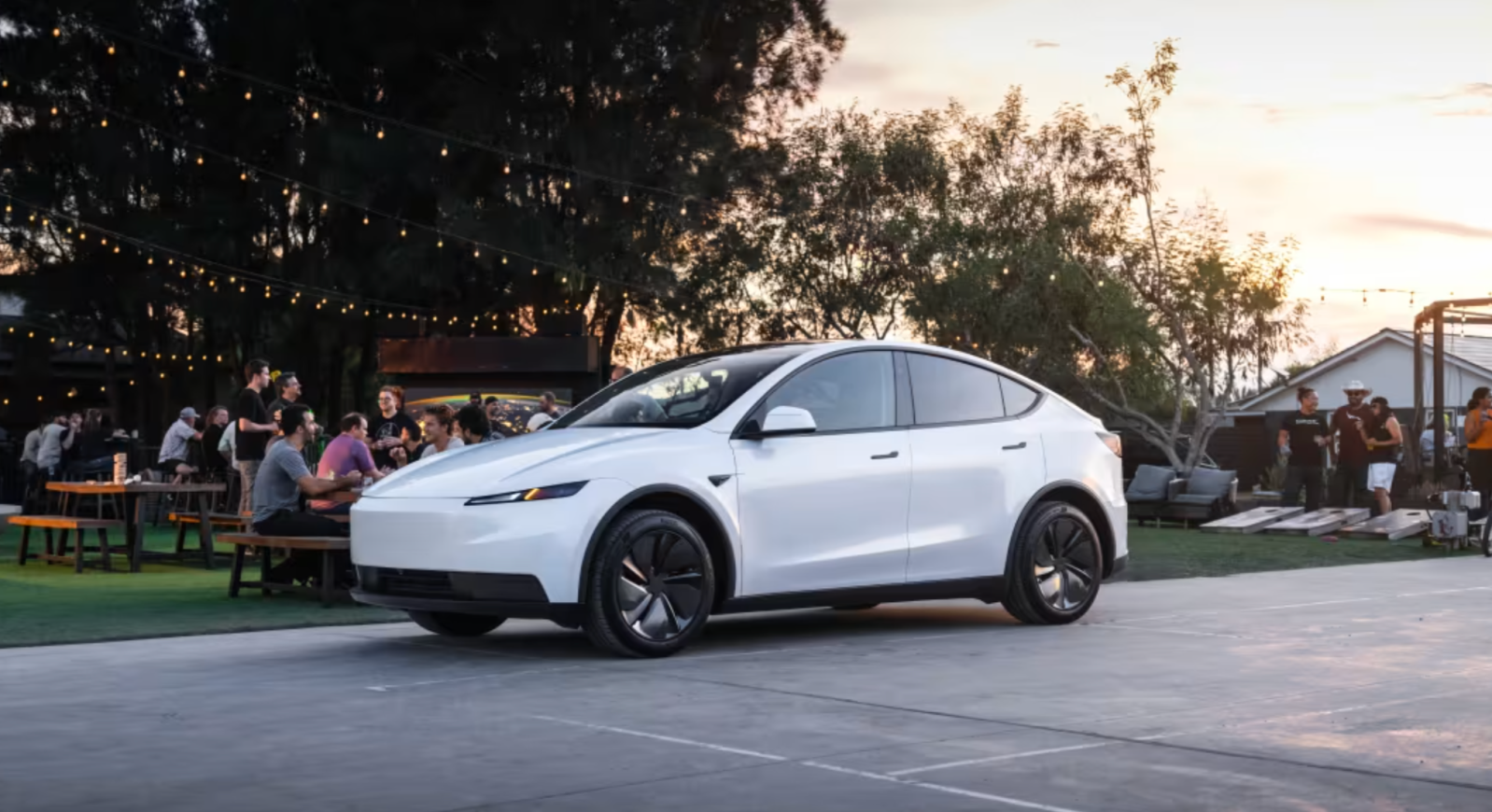
Conversely, the Tesla Model Y defended its crown as the best-selling electric vehicle in the United States. The ubiquitous crossover demonstrated remarkable pricing stability, with ATPs rising 0.9% both year-over-year and month-over-month. On the sales front, Model Y volume was virtually flat compared to last November (down a negligible 0.5%), while posting a 2.5% increase over October levels. This divergence underscores that while the sedan market is struggling, the compact SUV form factor remains the undisputed king of consumer preference in the American EV space.
Official Statements and Industry Insights
To contextualize these shifting dynamics, industry experts point toward demographic realities that challenge the common assumption that cheaper EVs are the immediate silver bullet for market stagnation.
Cox Automotive executive analyst Erin Keating offered crucial clarity on how consumer behavior dictates these macroeconomic figures, noting:
"It’s important to remember that the KBB ATP is a measure of what is bought, not what is available. Nearly half of new-vehicle buyers are over the age of 55 and in their peak earning years. These buyers are more likely shopping for a high-end SUV, not something cheap and cheerful. In November, the over-$75,000 price point saw more volume than under-$30,000."
This insight fundamentally reframes the mainstream narrative surrounding EV adoption. While headlines frequently decry the lack of ultra-affordable, sub-$30,000 electric vehicles as the primary bottleneck holding back the market, the actual purchasing power in America currently rests heavily within older, wealthier demographics. These consumers are not looking for bare-bones commuter cars; they are looking for premium, long-range, feature-rich SUVs that replace their legacy luxury combustion-engine vehicles. Consequently, automakers focusing exclusively on driving prices down may find themselves missing the demographic sweet spot of actual current buyers, while simultaneously eroding their profit margins.
Future Outlook: Navigating the Next Phase of EV Adoption
As the automotive industry closes out the year and looks toward the horizon, the path forward for electric vehicles is defined by both challenge and opportunity. The current market correction is not necessarily a sign of systemic failure, but rather the natural growing pains of an emerging technology transitioning from a niche enthusiast product to an institutional pillar of modern transportation.
The Pricing and Product Strategy Evolution
Automakers will likely need to adopt a dual-track strategy moving forward. On one hand, they must continue refining production efficiencies to eventually bring genuinely affordable options to market for younger, budget-conscious buyers. On the other hand, they cannot abandon the premium utility segment that is currently sustaining sales volumes among peak-earning demographics. Striking this balance will require immense capital discipline, particularly as federal incentive structures, supply chains, and regulatory frameworks continue to evolve.
Infrastructure and Consumer Confidence
Beyond pricing, the broader ecosystem must mature to accelerate consumer confidence. Range anxiety, while diminishing, remains a psychological barrier for mainstream buyers, and the ongoing buildout of reliable public charging networks will play a decisive role in converting holdouts. Furthermore, as legacy brands flood the market with second- and third-generation EV platforms, consumer choice will expand dramatically, forcing pioneers like Tesla to innovate faster than ever to maintain their market dominance.
Ultimately, November’s data serves as a sobering reminder that the transition to electric mobility will not follow a straight, uninhibited upward line. Instead, it is a dynamic, cyclical process where pricing corrections, strategic discounting, and demographic realities will continually reshape the competitive landscape. For manufacturers willing to adapt to these shifting consumer habits, the rewards in the next phase of the EV evolution will be substantial.