

Executive Overview
Six months into the protracted military conflict between the United States, Israel, and Iran, the true magnitude of the crisis has expanded far beyond the geopolitical flashpoints of the Middle East. While initial media coverage focused heavily on missile exchanges, strategic naval maneuvers, and diplomatic standoffs, the protracted nature of the war has laid bare a grim reality: the heaviest tolls are being paid by civilians, fragile ecosystems, and global households entirely disconnected from the physical theater of combat.
What began as a targeted military campaign has metastasized into a multifaceted humanitarian, ecological, and economic emergency. The cascading effects of the conflict—manifesting as acute loss of life, widespread environmental degradation, volatile energy markets, and a crippling global cost-of-living crisis—demonstrate that modern warfare cannot be contained. Driven by a global economic architecture tethered to fossil fuels, the war has weaponized daily necessities, turning the air people breathe, the water they drink, and the energy they consume into collateral damage.
As policymakers in Washington and regional capitals debate military expansions and defense budgets that dwarf the gross domestic product of entire nations, ordinary citizens are left to absorb the shockwaves. This report examines the multi-layered costs of the six-month conflict, analyzing the human casualties, the catastrophic environmental fallout, the staggering economic burdens, and the urgent imperative for a rapid transition toward renewable energy security.
Detailed Chronology and Escalation
The genesis of the current conflict traces back to a sharp escalation in early 2026, transforming simmering regional tensions into open warfare. The trajectory of the campaign has been marked by continuous escalation, broken brief ceasefires, and expanding geographic spillovers that have severely disrupted international stability.
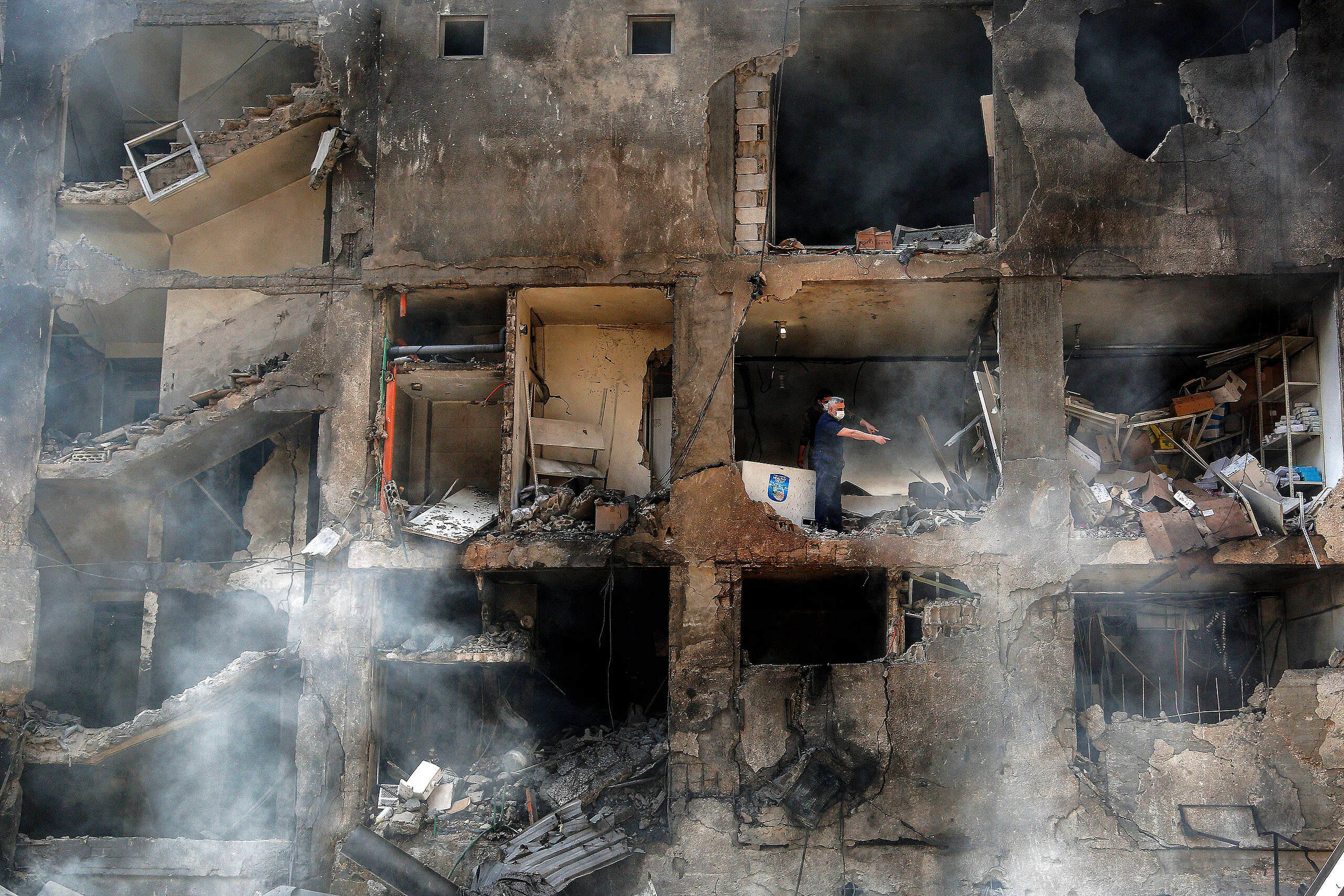
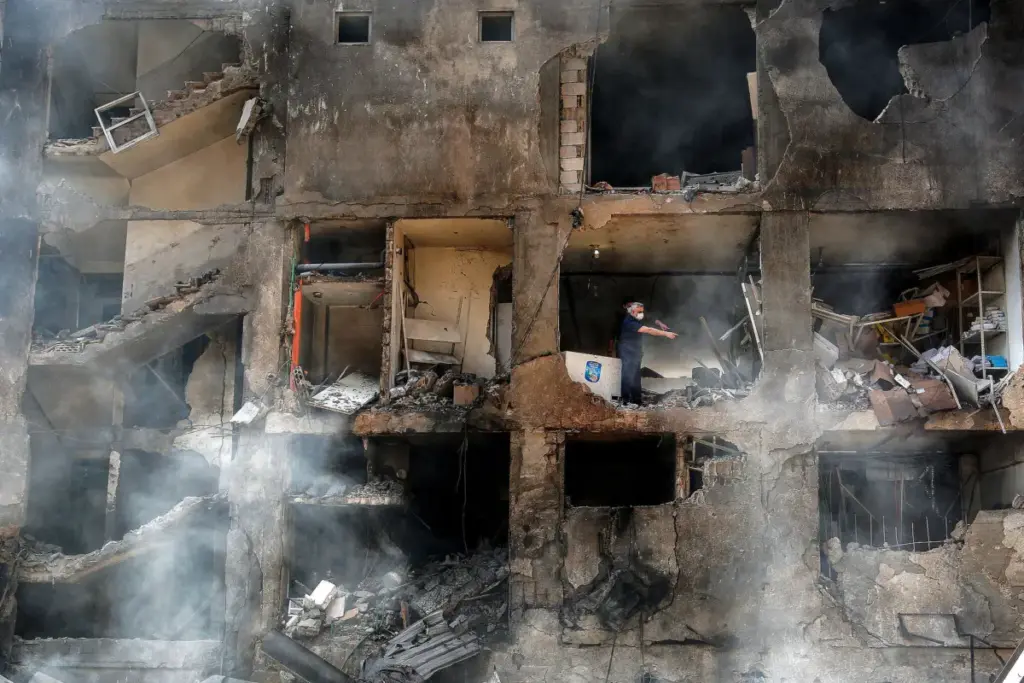
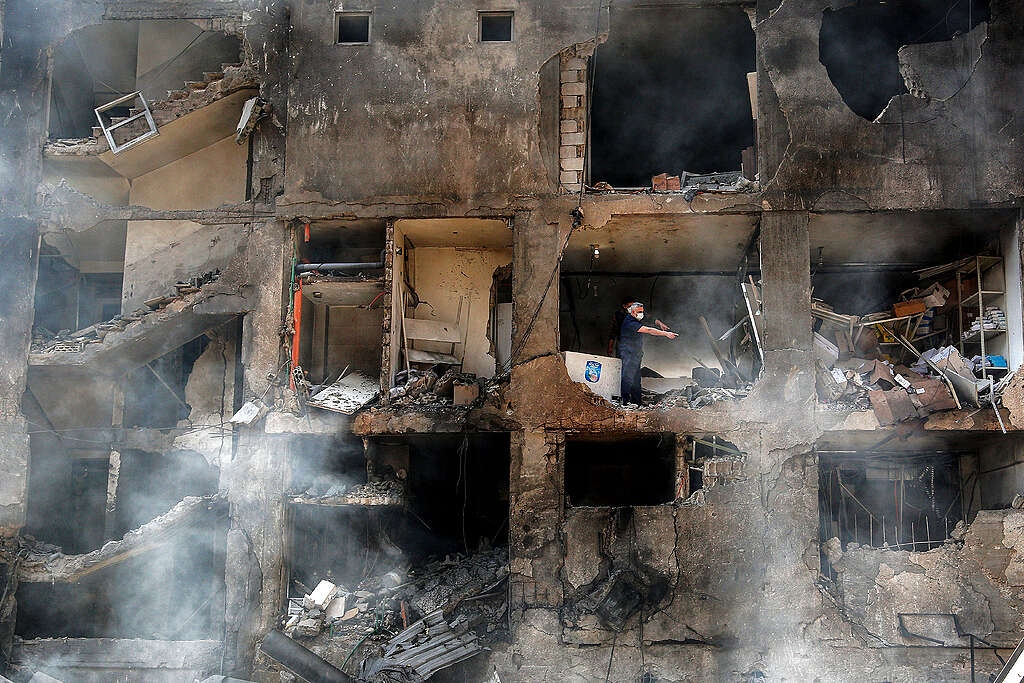
- The Opening Salvos (Early 2026): The conflict erupted with intensive aerial and missile campaigns targeting military and strategic infrastructure within Iran. The initial forty days proved to be the deadliest phase for the Iranian civilian population, recording thousands of fatalities as urban centers and infrastructure nodes came under sustained bombardment. Concurrently, regional proxy dynamics flared, drawing Lebanon and other neighboring territories into the vortex of hostilities as militant groups resumed rocket fire and allied forces exchanged heavy strikes.
- Naval Chokepoints and Maritime Warfare (Spring 2026): As hostilities intensified, the strategic waterways of the Middle East became primary operational zones. The effective closure of the Strait of Hormuz—through which nearly a fifth of the world’s petroleum historically transit—choked global supply lines. Naval engagements expanded far beyond the Persian Gulf. In May 2026, the Iranian Navy frigate IRIS Dena was torpedoed and sunk by U.S. naval forces in the Indian Ocean, an event that underscored the unbounded geographic spread of maritime warfare and foreshadowed trans-oceanic environmental disasters.
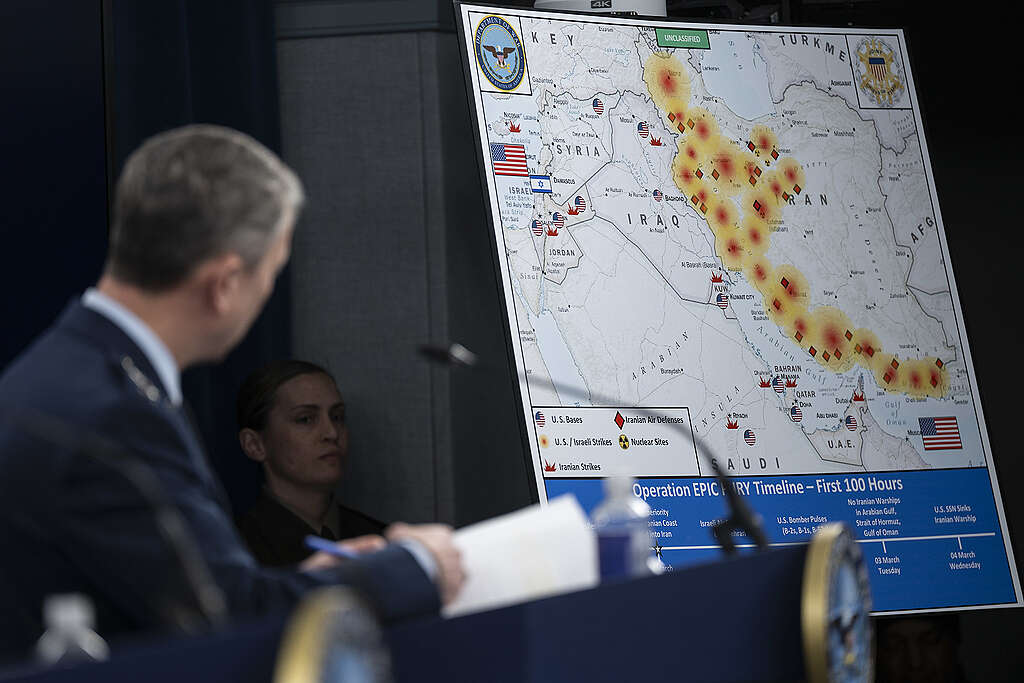
- Ceasefire Failures and Sustained Operations: Brief diplomatic pauses and two-week ceasefires repeatedly collapsed under the weight of renewed military maneuvering. By the summer of 2026, the conflict evolved into an entrenched war of attrition. Press briefings at the Pentagon, led by defense officials outlining operations such as "Epic Fury," signaled long-term military commitments, prompting demands for massive supplemental funding packages to sustain prolonged operations across multiple theaters.
Supporting Context & Metrics: The Human and Economic Ledger
Quantifying the cost of a modern war involving technologically advanced militaries is notoriously complex, yet available records paint a devastating picture of human and financial expenditure.
The Human Toll
While comprehensive and verified statistics remain difficult to aggregate due to information blackouts and conflicting governmental reporting, independent tracking indicates that more than 8,000 human lives have been lost and approximately 50,000 individuals have sustained injuries.
- Civilian Casualties: Records from the initial forty days of the conflict alone document over 3,500 deaths inside Iran. Subsequent months have driven this figure significantly higher as urban infrastructure, residential sectors, and essential services repeatedly absorbed strike impacts.
- Military Casualties: Pentagon figures acknowledge more than 750 U.S. service members wounded and 18 killed. Independent investigative reports and watchdogs, however, have repeatedly accused defense authorities of obscuring or underreporting the true scale of troop casualties, particularly those resulting from retaliatory strikes on regional bases in countries such as Jordan.
The Macroeconomic Burden
The financial hemorrhage of the campaign has shattered historical benchmarks for modern regional conflicts. According to U.S. Defense Secretary Pete Hegseth, the first five months of the war accrued a direct financial price tag of $37 billion—translating to a staggering $260 million spent every single day. This daily expenditure rate nearly doubles that of the Vietnam War when adjusted for contemporary economics.
Despite these astronomical sums, the administration’s ambitions have only expanded. The Pentagon subsequently requested an additional $67 billion in supplemental war funding from Congress—an amount exceeding the total Gross Domestic Product (GDP) of sovereign nations such as Iceland, Jordan, and Cameroon.
Furthermore, macroeconomic experts warn that these figures represent merely the tip of the iceberg. Dr. Linda J. Bilmes, a professor of public policy at the Harvard Kennedy School, estimates that the immediate direct costs already hover around $120 billion. This figure excludes an estimated $250 billion required to rebuild hundreds of damaged or destroyed U.S. military facilities dispersed across the Middle East, not to mention the decades-long deferred costs of veterans’ healthcare and long-term regional stabilization.
These expenditures are poised to scale even higher. Should Congress approve the proposed $1.5 trillion defense budget requested by the Trump administration for fiscal year 2027, the war on Iran will have catalyzed the single largest annual U.S. military expenditure since World War II. Critics point out that these funds are being channeled into realizing what officials term a "Dream Military," while domestic socioeconomic needs—such as public healthcare infrastructure and student debt relief—remain chronically underfunded.
Official Statements and Institutional Responses
The justification and management of the war have generated intense polarization across international legislative bodies, defense departments, and civil society organizations.
Administration officials and military leadership have consistently framed the conflict as an operational necessity required to secure national security interests, degrade hostile capabilities, and project unyielding deterrence. Press briefings emanating from the Pentagon emphasize modernization, force readiness, and the protection of service members, using these rationales to justify unprecedented budget allocations.

Conversely, economic and environmental institutions have fiercely rebuked these priorities. Academic centers, such as Brown University’s Climate Solutions Lab, have stepped forward to quantify the collateral impacts passed down to taxpayers. Analysts emphasize that official dismissals of inflationary pressures—with executive figures occasionally characterizing rising consumer costs as negligible "peanuts"—stand in stark contrast to the lived realities of working-class families.
International environmental agencies, spearheaded by organizations like Greenpeace, have issued urgent warnings regarding the weaponization of energy systems. Their institutional position highlights that the pursuit of military dominance in oil-rich regions locks the global economy into a self-destructive cycle of violence and ecological collapse. By continually prioritizing fossil-fuel-backed security frameworks over sustainable transitions, official policies are accused of exacerbating both geopolitical instability and the global climate emergency.
The Environmental Catastrophe: Scorch and Spill
Beyond human casualties and fiscal ledgers, the war has unleashed a silent, long-term catastrophe upon global ecosystems. Modern military operations rely heavily on fossil fuels, and their infrastructure targets—ranging from refineries and naval vessels to fuel depots—have become epicenters of environmental devastation.
Marine and Coastal Destruction
Oil spills resulting from targeted maritime attacks have caused unprecedented damage to marine biodiversity. A prominent example includes an oil slick stretching over eight kilometers south of the Iranian island of Qeshm following a vessel strike near the Strait of Hormuz. Despite containment operations, the thick crude has infiltrated delicate mangrove forests and coastal habitats, destroying artisanal fishing grounds and local livelihoods.
Similarly, the May 2026 torpedoing and sinking of the Iranian Navy frigate IRIS Dena in the Indian Ocean resulted in an unverified oil patch drifting toward the coast of Sri Lanka, illustrating that maritime transport and naval combat under wartime conditions guarantee widespread pollution.
In the same month, an attack on an oil refinery triggered a massive spill that reached Shidvar Island—a premier protected nature reserve in Iran. Known as a vital refuge for coral reefs, endangered sea turtles, migratory birds, and marine mammals, the island’s shores were inundated with heavy tar, trapping wildlife and inflicting generational damage on protected species.
Atmospheric and Hydrological Contamination
The atmospheric footprint of the conflict is equally alarming. During the first fortnight of hostilities alone, military operations and burning infrastructure emitted an estimated 5 million tonnes of carbon dioxide ($CO_2$). Strikes on oil installations have generated dense plumes of toxic smoke and resulted in phenomena known as "black rain"—a hazardous precipitation mixture of soot, oil, and moisture that contaminates agricultural soils and watersheds far from initial blast zones.
The systematic destruction of civilian infrastructure—including water treatment plants, sewage networks, power grids, and food distribution hubs—ensures that the ecological foundations supporting human life are systematically degraded, creating public health crises that will persist long after a ceasefire is declared.
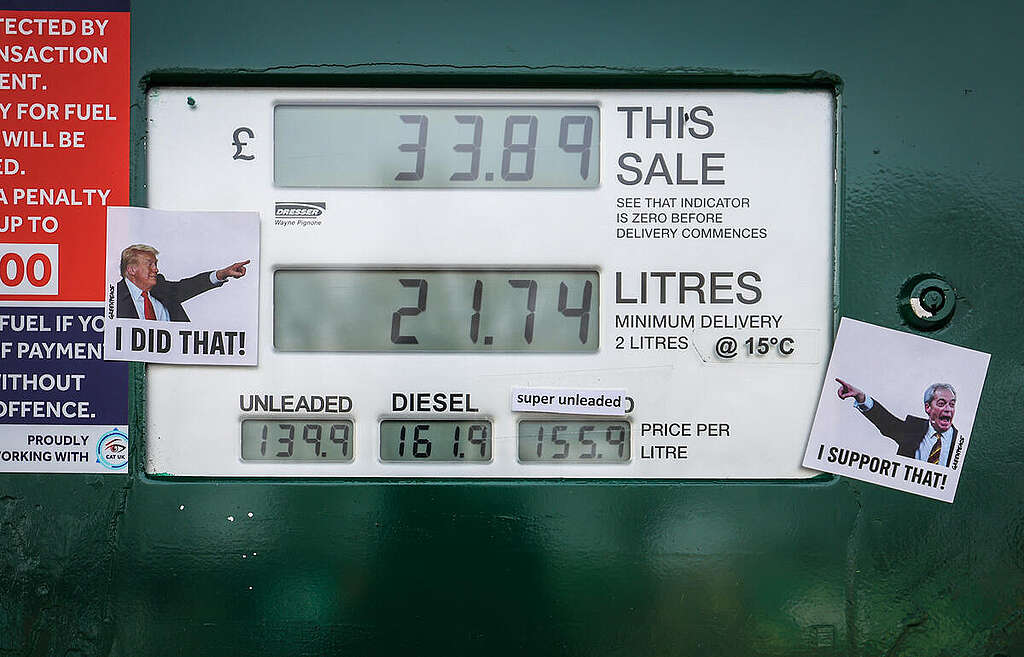
The Personal Cost: The Rise of "Fossilflation"
While geopolitical strategists analyze troop movements, the frontline of the economic war runs directly through the household budgets of citizens worldwide. The closure of the Strait of Hormuz severed the transit route for nearly 20% of global oil supplies, triggering violent fluctuations in international petroleum markets.
This phenomenon, defined by economists as fossilflation—inflation directly driven by escalating fossil fuel costs—has cascaded through global supply chains. Consumers are absorbing these costs not only at the petrol pump but across all facets of daily existence, including home heating bills, electricity tariffs, grocery prices, and residential rents.
Data compiled by the Climate Solutions Lab at Brown University reveals that U.S. consumers alone have collectively shouldered more than $86 billion in excess expenses since the outbreak of the war. On average, every household in the United States has been forced to absorb an additional $660 in war-induced living costs over a six-month period. Economists warn that due to the sticky nature of energy-driven inflation, these elevated price floors will persist for months or even years, disproportionately penalizing low- and middle-income families who played no role in precipitating the conflict.
Future Outlook: Breaking the Cycle of Fossil Dependence
As the war marks its grim six-month milestone, the imperative for a paradigm shift in global security and energy architecture has never been more evident. The root vulnerability exposed by the conflict is not merely diplomatic; it is the global economy’s systemic addiction to fossil fuels.

The Renewable Alternative
The solution to the intertwined crises of war, economic inflation, and environmental degradation is readily available and economically viable. Unlike oil transit routes, which can be choked by naval blockades and geopolitical conflict, natural energy sources cannot be weaponized.
According to data from the International Renewable Energy Agency (IRENA), renewable power generation has emerged as the most affordable new source of electricity across the vast majority of the world. On average, utility-scale solar photovoltaic power is now 41% cheaper, and onshore wind power more than 50% cheaper, than the least expensive fossil fuel alternatives. Transitioning away from oil is no longer solely an environmental objective; it is a fundamental prerequisite for national economic and strategic security.
Policy Recommendations and the Path Forward
To break the cycle of fossilflation and prevent future energy-driven military conflicts, governments must enact decisive structural reforms:
- Implement Windfall Taxes: Governments must levy aggressive windfall taxes on major oil and fossil fuel corporations that have reaped record corporate profits off the back of wartime energy shocks. These revenues should be directly redirected to finance disaster relief, community resilience, and household energy transition subsidies.
- Accelerate the Green Transition: State subsidies must be systematically diverted away from fossil fuel exploration and military logistics, and redirected toward accelerating the deployment of renewable energy grids, retrofitting homes for maximum energy efficiency, expanding public transport networks, and building resilient local food systems.
- Prioritize Diplomatic Resolution: Lasting security cannot be purchased through escalating military budgets or the accumulation of advanced weaponry. True resilience requires dismantling volatile oil and gas dependencies and investing in international cooperation that addresses the root causes of conflict.
Ultimately, the six-month tally of the US-Israeli war on Iran demonstrates that war is a universal destroyer. The human lives lost, the toxic skies, the polluted oceans, and the squeezed household budgets are stark reminders that societies cannot bomb their way to security. Only by dismantling our reliance on volatile fossil fuels and investing in sustainable, peaceful infrastructure can the international community build a stable and enduring future.



