

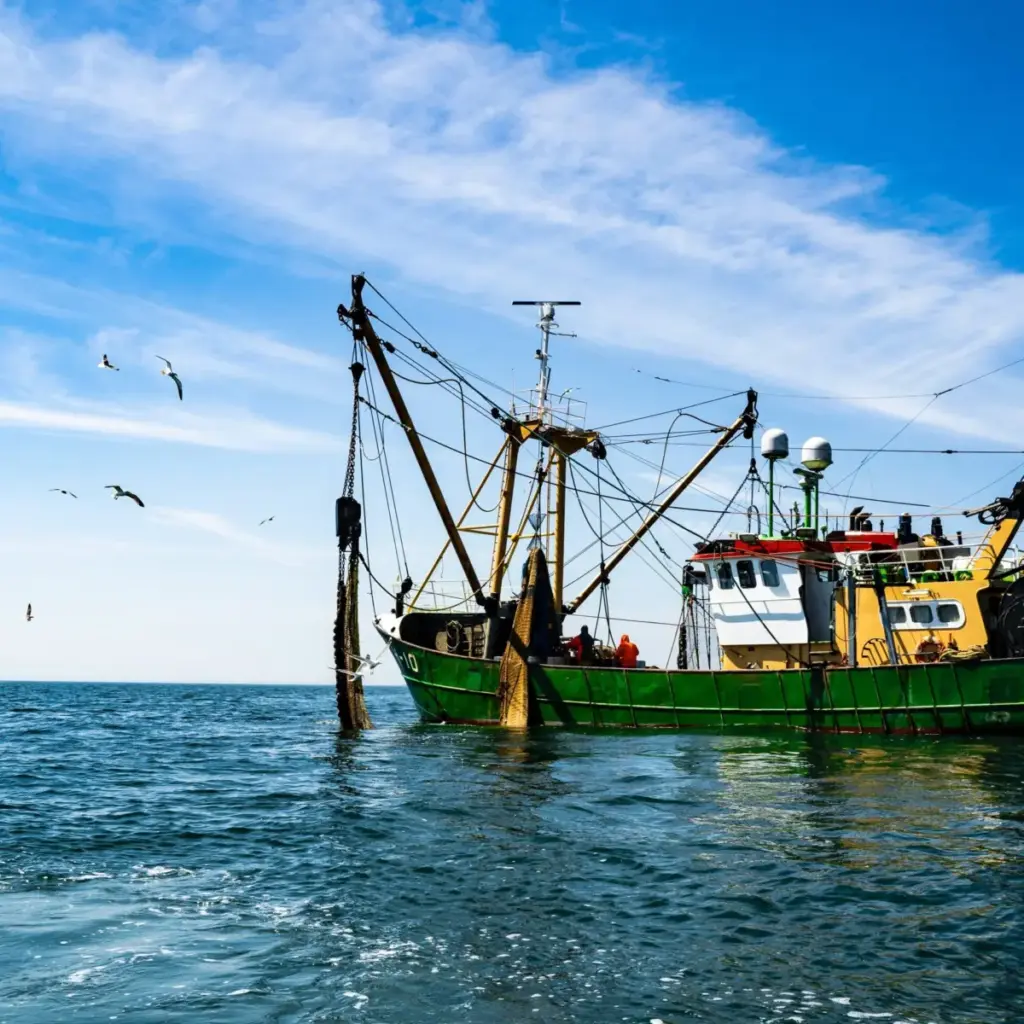
Executive Overview
The debate surrounding the governance, allocation, and ultimate financial beneficiation of the United Kingdom’s maritime resources has reached a critical juncture. Following the publication of a landmark coalition report, pressure is mounting intensely on regulatory bodies, government officials, and industry stakeholders to overhaul the mechanisms governing UK fishing quotas. At the heart of this controversy lies a fundamental question: Who truly profits from the exploitation of public maritime assets?
For decades, the distribution of fishing quotas—the legally mandated limits on the volume of fish that commercial vessels can catch—has operated within a complex, opaque framework. Critics, environmental campaigners, and legal experts argue that the current disclosure systems are woefully inadequate. Rather than ensuring equitable distribution or safeguarding a valuable national asset for the public good, the current architecture allows the true beneficiaries—often corporate conglomerates, investment vehicles, or absentee quota owners—to remain obscured behind layers of corporate veils.
Dr. Tom Appleby, Head of Legal Affairs at the Blue Marine Foundation, encapsulated the sentiment of reform advocates following the report’s release. He underscored that the findings validate long-standing concerns regarding the profound lack of transparency within the sector. "We have long campaigned for more openness and transparency about who benefits from UK fisheries and the exploitation of this national natural resource which is Crown property," Dr. Appleby stated.
This comprehensive investigative report examines the catalysts behind the latest demands for ownership reform, analyzes the systemic gaps in contemporary fisheries governance, explores the economic and ecological stakes involved, and charts the potential pathways toward a transparent, accountable future for the British fishing industry.
Detailed Chronology: The Road to the Transparency Crisis
To understand how the UK fishing quota system arrived at its current crossroads, it is necessary to trace the historical evolution of fisheries management, the impacts of post-Brexit regulatory shifts, and the gradual accumulation of evidence by civil society coalitions.
1. The Historical Foundations of Quota Allocation
The modern system of fishing quotas in the United Kingdom traces its roots back to the late 20th century, heavily influenced by the Common Fisheries Policy (CFP) of the European Union. Under the CFP, quotas were distributed among member states based largely on historical catch records, a metric known as "relative stability."
Within the UK, these quotas were subsequently distributed to domestic producers, producer organizations (POs), and individual vessel owners. Over time, however, a secondary market emerged. Quotas—initially granted by the state as a privilege to manage a public resource—became commodified. Vessels could be bought and sold along with their associated quota allocations, or the quota itself could be leased out to third parties. This marketization created a scenario where individuals or corporations could amass vast portfolios of fishing rights without ever setting foot on a deck or owning a commercial fishing vessel.
2. Post-Brexit Expectations and Unfulfilled Promises
The exit of the United Kingdom from the European Union was framed by proponents of Brexit as a historic opportunity to "take back control" of British waters and revitalize coastal communities. In political discourse, the narrative promised that British fishermen would reap the rewards of liberated waters and that resource management would become more localized, democratic, and accountable.
However, the structural realities of quota ownership remained largely untouched by the transition period. While the UK became an independent coastal state under international law, the internal distribution mechanisms governing who actually holds and profits from quota allocations persisted. Independent fishermen continued to complain of being marginalized by large-scale conglomerates, while transparency regarding the ultimate beneficial ownership of quota-holding companies remained virtually non-existent.
3. The Coalition Investigations and Report Publication
Recognizing the widening chasm between public ownership of marine resources and private financial extraction, a coalition of environmental organizations, legal experts, and transparency advocates initiated a concerted investigative effort. Over the course of several months, researchers scrutinized corporate registries, government datasets, and licensing records to map the flow of quota benefits.
The culmination of this research was the publication of the recent coalition report, which exposed systemic gaps in fisheries governance. The report demonstrated that current administrative tracking systems fail to pierce the corporate veils of many quota-holding entities. Consequently, neither the public nor regulators possess a clear, unhindered view of who ultimately captures the economic rents generated by the extraction of public fish stocks. The release of the report immediately galvanized civil society organizations, sparking renewed calls for legislative and administrative reform from entities such as the Blue Marine Foundation.
Supporting Context & Metrics: The Anatomy of a Hidden Market
To fully grasp the urgency of the transparency demands, one must analyze the economic scale of the UK fishing industry, the legal nature of the resource, and the structural mechanics of quota concentration.
The Legal Status of Fisheries: A National Public Asset
Under British constitutional and legal principles, wild fish stocks residing within UK territorial waters are considered a public natural resource, fundamentally linked to the Crown. They are held in trust for the benefit of the nation as a whole.
When the government grants a fishing quota, it is essentially issuing a license to exploit a public asset for private commercial gain. In almost every other sector where public assets are leased, privatized, or commercialized—such as telecommunications spectrum auctions, onshore and offshore mineral extraction, or public land usage—rigorous transparency standards, public registers of beneficial ownership, and stringent anti-corruption checks are applied. Yet, fisheries governance has historically lagged behind, functioning as a regulatory blind spot where public resources can be commercially monetized in near-total obscurity.
Concentration of Quota Wealth
Economic studies and previous parliamentary inquiries have repeatedly pointed toward a troubling trend: the concentration of fishing rights in the hands of a relative few. A significant proportion of the UK’s quota value is controlled by a small number of large enterprises, some of which have foreign financial backing or are integrated into multinational seafood corporations.
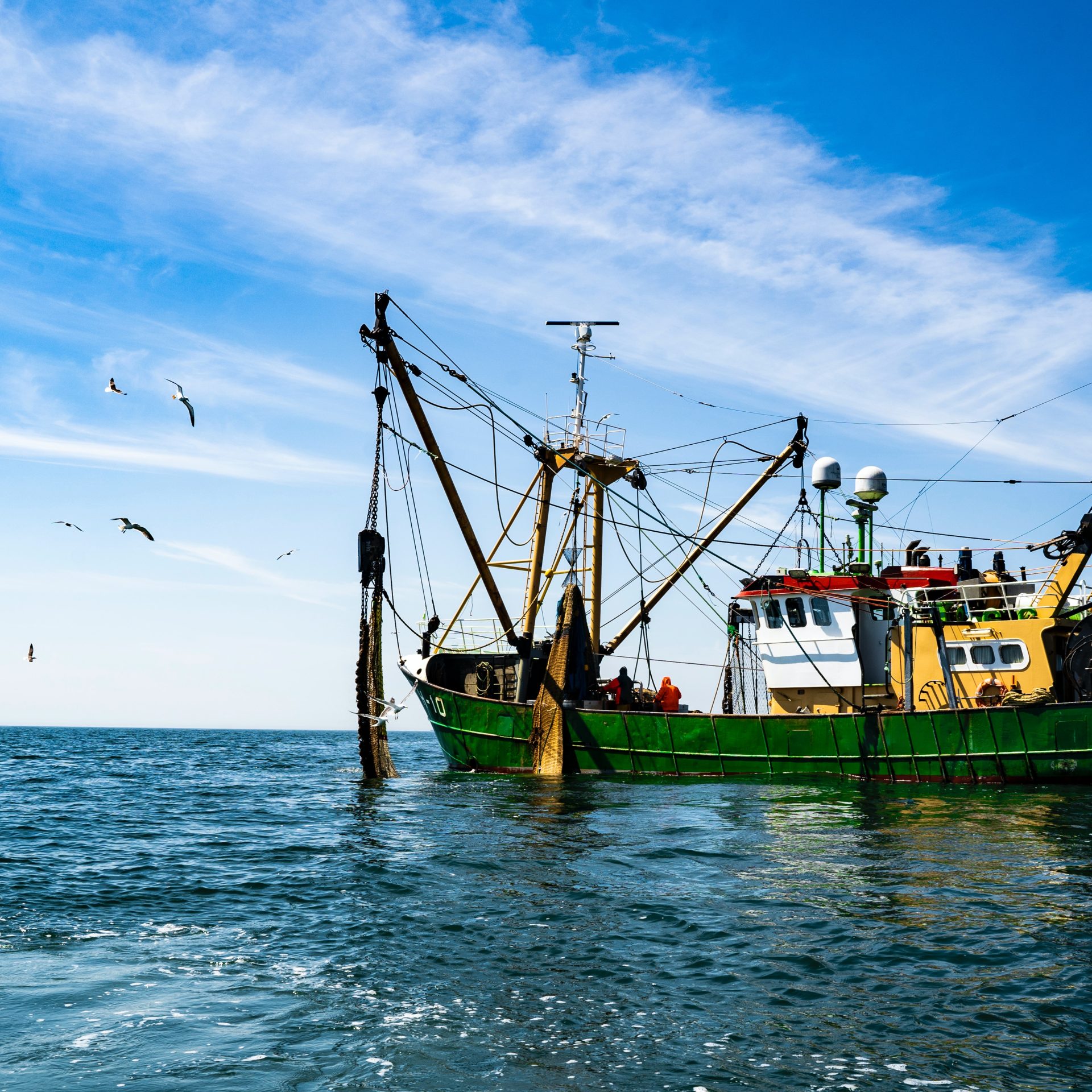
- The "Quota Hoarding" Phenomenon: Because quotas can be leased out rather than actively fished, entities that acquire historical quota allocations can generate substantial passive income without contributing to local employment, coastal infrastructure, or sustainable fishing practices.
- The Squeeze on Independent Fishers: Small-scale coastal fishers—who typically utilize low-impact, sustainable gear and form the cultural backbone of historic fishing communities—often struggle to access sufficient quota to make their operations viable. They are frequently forced to lease quota from major holders at prohibitive costs, eating away at profit margins and driving consolidation.
The Governance Gap: Why Current Disclosure Systems Fail
The core finding of the coalition report is that existing administrative frameworks are ill-equipped to track modern corporate structures. While vessels must be registered with the Marine Management Organisation (MMO) or devolved equivalents, the corporate entities sitting above these vessels—holding companies, trusts, and offshore subsidiaries—often obscure the natural persons who ultimately control and profit from the assets.
Without a centralized, publicly accessible register of beneficial ownership specifically tailored to fisheries quotas (akin to the UK’s People with Significant Control [PSC] register for companies, but rigorously enforced and integrated across marine management), regulators operate with an incomplete picture. This governance gap creates vulnerabilities not only for resource sustainability and socioeconomic equity, but also risks inviting illicit financial flows, tax optimization schemes, and anti-competitive practices into the maritime sector.
Official Statements and Stakeholder Perspectives
The release of the coalition report has prompted diverse reactions from across the political, legal, and industrial spectrums. While reform advocates push for radical transparency, established commercial interests and regulatory bodies face mounting pressure to articulate their positions.
The Environmental and Legal Perspective: Blue Marine Foundation
Dr. Tom Appleby’s remarks on behalf of the Blue Marine Foundation cut straight to the core of the democratic and ethical argument:
"We have long campaigned for more openness and transparency about who benefits from UK fisheries and the exploitation of this national natural resource which is Crown property."
Environmental lawyers and advocates emphasize that transparency is not merely an administrative checkbox; it is a prerequisite for ecological stewardship. When the beneficiaries of resource extraction are hidden, accountability evaporates. If a company or individual systematically overfips, damages sensitive marine habitats, or flouts regulations, the ability of civil society and regulators to apply reputational, legal, or market pressure is severely blunted by corporate obfuscation.
The Independent Fishing Sector
Voices from smaller-scale, independent fishing cooperatives have largely welcomed the report, viewing it as long-overdue validation of their daily struggles. Representatives from coastal communities argue that transparency will expose how far the reality of quota distribution has drifted from the idealistic political rhetoric of post-Brexit sovereignty. For an independent skipper operating out of a rural port, knowing who holds the rights to the fish swimming off their coast is a matter of basic economic survival and fairness.
The Industry Establishments and Regulators
Larger commercial fishing associations and corporate entities have traditionally defended existing property rights, arguing that stability and predictability are essential for capital investment in modern vessels and processing facilities. Industry representatives often contend that administrative burdens should not be unduly increased and that commercial confidentiality must be respected.
However, the growing momentum behind the transparency agenda makes it increasingly difficult for regulators and traditionalist industry bodies to maintain the status quo. The argument that public assets can be managed in secret is losing political and social viability. Regulators, including the Marine Management Organisation and government departments responsible for environment, food, and rural affairs, are facing intense scrutiny to demonstrate that they are actively working to close the loopholes identified in the governance report.
Future Outlook: Pathways Toward Comprehensive Reform
As the debate intensifies, policymakers, legal scholars, and civil society coalitions are turning their attention to actionable solutions. What would a reformed, transparent UK fisheries governance system look like, and what hurdles must be overcome to achieve it?
1. Implementation of a Dedicated Beneficial Ownership Register
The most direct recommendation emerging from transparency advocates is the creation of a comprehensive, publicly accessible register of beneficial ownership for all UK fishing quotas. This system would mandate that any entity holding, leasing, or trading quota must disclose the ultimate natural persons who own or control the enterprise. By closing loopholes that allow anonymous shell companies or complex offshore trusts to hold marine rights, the public would regain clear visibility over who profits from national waters.
2. Linking Quota Allocation to Social and Environmental Value
Transparency is widely viewed as the foundational first step toward a broader reallocation of resources based on public benefit. Reformers argue that once ownership is laid bare, future quota distributions—or the conditions attached to existing leases—can be explicitly tied to performance metrics. These could include:
- Employment generation within local coastal communities.
- Adoption of low-impact, highly selective fishing gears that minimize seabed destruction and bycatch.
- Compliance records regarding environmental regulations and catch reporting.
3. Legislative and Regulatory Action
Ultimately, meaningful reform will require concerted legislative action from Westminster and the devolved administrations in Scotland, Wales, and Northern Ireland. Parliament will need to review existing fisheries acts and statutory instruments to strengthen oversight powers, mandate stricter reporting requirements, and ensure that regulatory bodies have the statutory backing and financial resources necessary to enforce compliance.
Conclusion
The publication of the coalition report marks a watershed moment in the modern history of UK fisheries. By exposing the systemic governance gaps that allow the beneficiaries of a public, Crown-owned resource to operate in the shadows, the report has broken open a conversation that has long needed to be had.
As calls for ownership reform grow louder, championed by organizations like the Blue Marine Foundation and echoed by coastal communities and legal experts alike, the status of UK fisheries governance is at a crossroads. The path forward demands an embrace of radical transparency—ensuring that the wealth generated from Britain’s seas is accounted for openly, managed equitably, and preserved responsibly for generations to come.



