

Executive Overview
Volkswagen is reshaping its electric vehicle identity, moving away from purely alphanumeric designations toward legendary, customer-trusted monikers that have defined the brand for decades. Following the strategic unveiling of the ID. Polo and ID. Cross, Volkswagen has officially confirmed the imminent arrival of the ID. Tiguan, slated for its global market launch in early 2027.
Set to make its official world premiere in early October, the ID. Tiguan is more than just another electric crossover; it represents a pivotal torch-passing moment. The vehicle is designed to directly succeed the highly popular ID.4 and ID.5 electric SUVs, while running parallel to the traditional combustion engine (ICE) and hybrid iterations of the Tiguan. By fusing the heritage of its best-selling nameplate with next-generation electric architecture, Volkswagen aims to simplify its portfolio, ease consumer hesitation, and capture an even larger slice of the global family SUV market.

Detailed Chronology & Development Phase
The journey toward the ID. Tiguan has been a study in strategic evolution. For years, Volkswagen’s "ID." family relied heavily on abstract numbers—ID.3, ID.4, ID.5, and ID.7—in an attempt to clearly delineate its clean-sheet electric lineup from legacy petrol and diesel models. However, market feedback indicated that consumers often craved the intuitive familiarity of traditional brand pillars.
The Shift in Naming Strategy
Recognizing this consumer preference, Volkswagen leadership charted a new course. The introduction of nomenclature like the ID. Polo and ID. Cross signaled a broader corporate pivot: leverage historic equity to drive EV adoption. The Tiguan nameplate, arguably one of the most recognizable and trusted vehicle concepts in the modern automotive landscape, became the logical next frontier for electrification.

Current Status and the Road to October
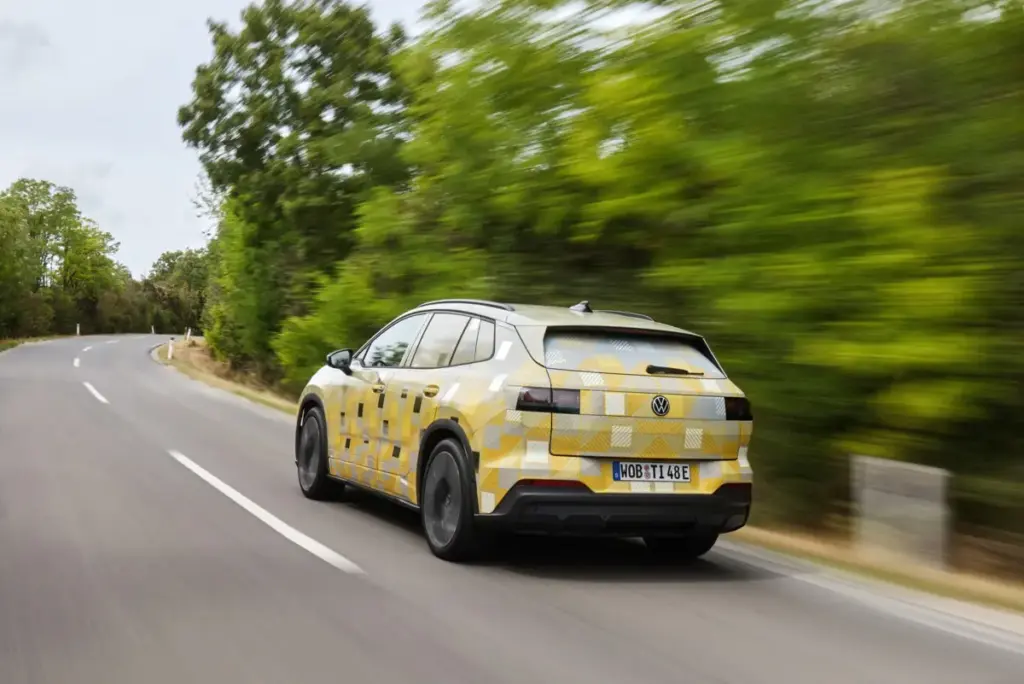
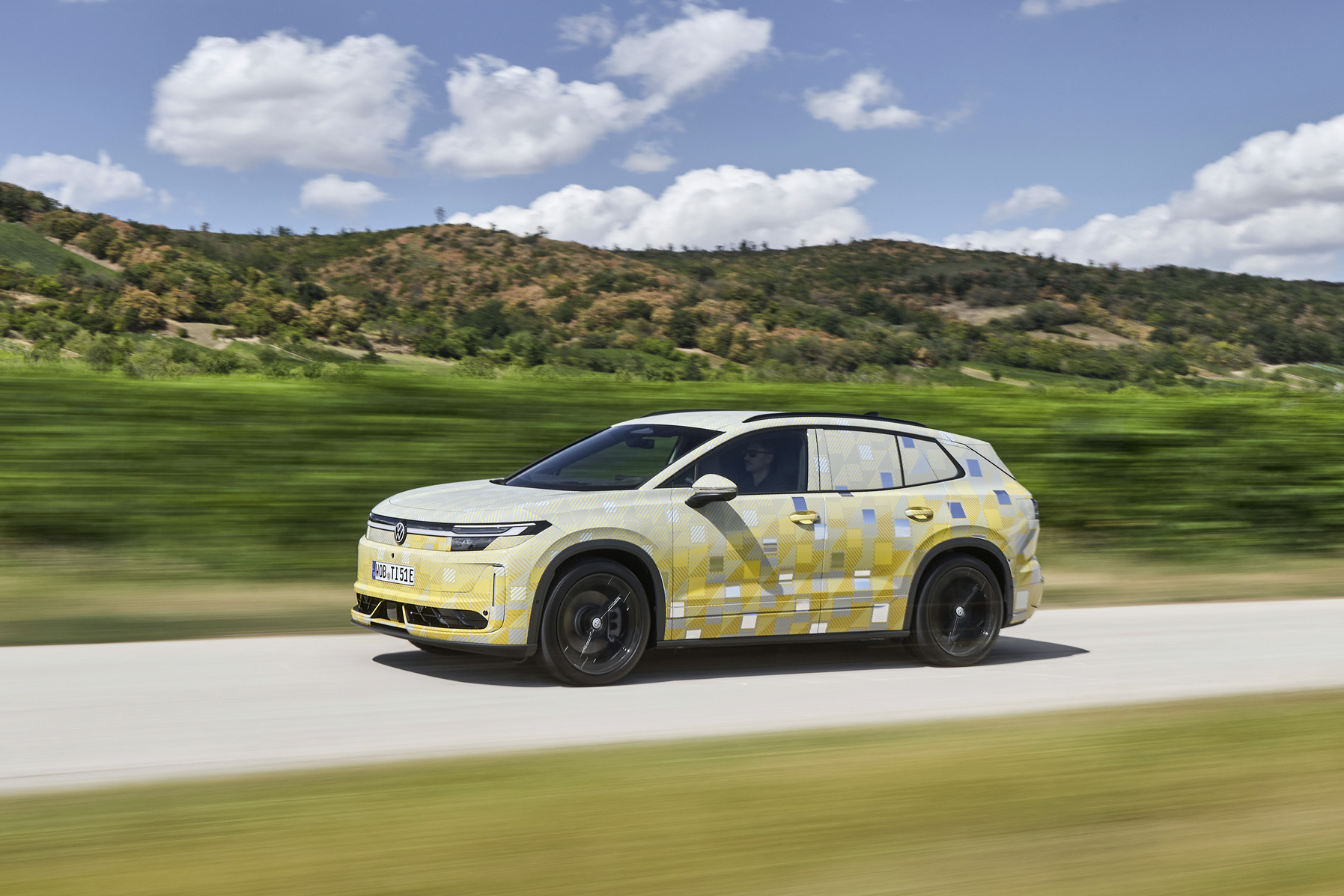
As of late 2026, the ID. Tiguan is undergoing its rigorous final stages of development. Engineers and test drivers are pushing prototypes through extreme weather, endurance, and software calibration tests across global testing facilities. During this twilight phase of development, the vehicles remain heavily cloaked in specialized camouflage wrap to conceal the definitive production styling lines.
The official curtain will rise in early October, when Volkswagen hosts its global digital and physical premiere event. Following the reveal, production ramping will take place over the subsequent months, culminating in a commercial market rollout at the beginning of 2027. This timeline positions the ID. Tiguan as a cornerstone vehicle for Volkswagen’s mid-decade EV acceleration strategy.
Supporting Context & Metrics: The Power of the Tiguan Brand
To understand the weight riding on the ID. Tiguan, one must examine the staggering commercial footprint of the Tiguan nameplate worldwide.
Unmatched Global Popularity
Since its inception, the Tiguan has grown to become the undisputed volume champion for the Volkswagen brand and the broader Volkswagen Group.

- Over 8.3 million units of the Tiguan have been produced across generations, cementing its status as a household name globally.
- In the previous calendar year alone, combined deliveries of the Tiguan and its closely related sister model, the Tayron, exceeded one million units.
- These internal combustion engine (ICE) and plug-in hybrid (PHEV) models continue to offer petrol and diesel options, proving that customer demand for multi-powertrain ecosystems remains robust.
The Success of the ID. Family Foundations
While the traditional Tiguan anchors the brand’s fuel-powered legacy, Volkswagen’s dedicated battery-electric vehicles (BEVs) have quietly amassed impressive milestones of their own.
- Since the launch of the platform in 2021, the ID.4 and its aerodynamic fastback sibling, the ID.5, have accumulated more than 950,000 global deliveries.
- This sales performance places the ID.4/ID.5 duo securely among the most successful BEV model series in the entire Volkswagen Group portfolio.
The ID. Tiguan will inherit this massive accumulated customer base. By bridging the gap between the proven space and utility of the ID.4/ID.5 architecture and the iconic psychological safety net of the "Tiguan" badge, Volkswagen is engineering a seamless transition path for nearly a million existing EV drivers—and millions of traditional SUV owners—looking toward an electric future.

Official Statements & Leadership Vision
Volkswagen’s executive leadership has been transparent about the psychological and strategic importance of the ID. Tiguan project.
Thomas Schäfer, CEO of the Volkswagen Brand, Head of Brand Group Core, and Member of the Board of Management of Volkswagen AG, underscored the gravity of the announcement:

"More than 8.3 million Tiguan vehicles produced demonstrate the strength and trust associated with this model name. The Tiguan represents a versatile, premium vehicle and embodies the essence of True Volkswagen. With the ID. Tiguan, we are carrying this product promise into the electric future. The all-electric model builds on the strengths of the bestseller and offers premium design, generous space, intuitive operation, and innovative technologies. Together, both models form a strong offering for our customers’ different powertrain preferences."
Schäfer’s commentary highlights a core pillar of Volkswagen’s contemporary business model: consumer choice. Rather than abruptly forcing a total combustion ban upon its global buyer base before infrastructure is fully mature, Volkswagen is deploying a dual-track strategy. Buyers who want a traditional or hybrid Tiguan can continue to purchase one, while buyers ready to make the leap into zero-emission mobility can step directly into the ID. Tiguan without compromising on the branding, packaging, or spatial utility they have come to expect.

Future Outlook: What to Expect from the ID. Tiguan
As the automotive world counts down to the October world premiere, industry analysts and enthusiasts are speculating on the technical advancements the ID. Tiguan will bring to the table.
Design and Architecture
While official design details remain under wraps beneath the camouflage, expectations are high that the ID. Tiguan will adopt a sharper, more mature design language than its rounded ID.4 predecessor. Drawing cues from the latest generation of combustion-engine Tiguans while maintaining a clean, aerodynamic EV silhouette, the vehicle aims to look purposeful, modern, and ruggedly capable.

Interior, Space, and Technology
True to the Tiguan legacy, interior packaging is expected to be a primary selling point. The vehicle will likely utilize Volkswagen’s latest iteration of its modular electric drive matrix (MEB), maximizing interior legroom and cargo capacity by pushing the wheels further into the corners. Furthermore, Volkswagen has responded directly to early customer critiques regarding interior ergonomics by refining its software, physical-touch steering wheel controls, and voice assistance systems to ensure "intuitive operation."
Market Positioning for 2027
When the ID. Tiguan arrives in showrooms at the start of 2027, it will enter a fiercely competitive global EV crossover market. However, armed with an 8.3-million-strong brand legacy, refined software, and a promise of uncompromising German build quality, Volkswagen is positioning the ID. Tiguan not merely as an alternative to existing electric SUVs, but as the default choice for mainstream families ready to electrify their driveways.

As the October premiere draws near, all eyes will be on Wolfsburg to see how the automotive giant translates its most treasured nameplate into the definitive electric vehicle of the late 2020s.



