

Executive Overview
Few daily rituals rival the simple, restorative pleasure of sliding into a bed freshly made with crisp sheets after an exhausting, high-stress day. That moment of transition—from the relentless demands of the waking world to the quiet sanctuary of rest—is elevated further when the garments worn to bed reflect a personal commitment to conscious living. Yet, for decades, the sleepwear industry has operated largely in the shadows of fast fashion, relying heavily on synthetic, petroleum-derived textiles and opaque supply chains that prioritize low cost over human and planetary well-being.
As consumer awareness deepens, the conversation around sustainable fashion is expanding far beyond outerwear and everyday garments into the intimate realm of sleepwear. The modern shopper is increasingly asking critical questions: Who made my pyjamas? What materials touched my skin while I slept? How did the production of this garment impact the Earth?
Addressing these questions requires looking past clever marketing and greenwashing to examine the actual mechanics of garment production. Synthetic materials like polyester, nylon, and conventional acrylic are notoriously non-breathable, trapping body heat and leaving sleepers uncomfortable and restless through the night. More critically, these petroleum-based fibers shed microplastics with every wash, polluting aquatic ecosystems, and persist in landfills for centuries.
In contrast, plant-based and certified organic alternatives—ranging from GOTS-certified organic cotton and sustainably harvested linen to TENCEL Lyocell and bamboo-derived viscose—offer natural thermoregulating properties that harmonize with the body’s natural temperature fluctuations. Coupled with rigorous ethical standards ensuring living wages and safe working conditions for garment workers, sustainable sleepwear represents a holistic intersection of personal health, ethical labor, and environmental stewardship.
This comprehensive guide curates some of the market’s highest-rated sustainable and ethical sleepwear brands, assessed against stringent sustainability methodologies. From luxurious matching botanical sets and buttery-soft bamboo lounging attire to durable, organic cotton garments for children, these brands prove that a peaceful night’s sleep does not have to come at the expense of the planet or its people.
Detailed Chronology: The Evolution of Sustainable Sleepwear
To understand where the ethical sleepwear market stands today, it is essential to trace how consumer consciousness and industry standards have evolved over the past two decades. The shift from uncritical mass consumption to targeted, value-driven purchasing did not happen overnight; it was forged through a series of supply chain exposures, regulatory pressures, and grassroots advocacy.
Phase 1: The Fast-Fashion Boom and Synthetic Dominance (Late 1990s – Late 2000s)
During the turn of the millennium, the global apparel industry accelerated its race to the bottom. Driven by trade deregulation and the widespread availability of cheap crude oil, synthetic fibers like polyester and nylon saturated the market. Sleepwear, traditionally dominated by cotton flannels and silks, was rapidly overtaken by cheap, petroleum-based satin and fleece. Consumers were enticed by low price points and vibrant prints, largely oblivious to the toxic dyeing processes, high carbon footprints, and precarious labor conditions embedded in overseas manufacturing hubs. Transparency was virtually nonexistent, and corporate social responsibility reports were rare novelties rather than industry standards.
Phase 2: The Awakening and the Rise of Transparency (2010s)
The paradigm began to shift following catastrophic industrial accidents, most notably the Rana Plaza disaster in Bangladesh in 2013, which cast a harsh, inescapable light on the human cost of cheap fashion. Concurrently, scientific studies began publishing alarming data regarding microplastic pollution in oceans and waterways, directly linking synthetic textile laundering to global ecological degradation.
During this decade, independent rating systems, watchdog organizations, and directories—such as Good On You—emerged to decode corporate greenwashing and provide consumers with transparent, metric-driven evaluations of brand ethics. Independent designers and conscious entrepreneurs began founding boutique labels dedicated specifically to organic materials, fair trade certification, and traceable supply chains. Sleepwear brands recognized that consumers spending a third of their lives in bed wanted garments that aligned with their health and ethical values.
Phase 3: Mainstream Integration and Material Innovation (2020s – Present)
Today, ethical sleepwear has transitioned from a niche market segment to a burgeoning force within sustainable commerce. Modern brands are no longer satisfied with simply using "organic" as a buzzword; they are deploying closed-loop manufacturing systems, plant-based and non-toxic dyes, and agricultural practices that actively regenerate soil health.
Furthermore, inclusivity and extended size ranges have become core pillars of the movement. Brands are increasingly designing for diverse bodies, proving that ethical consumption and fashion-forward aesthetics can coexist harmoniously. The ongoing evolution of this market reflects a permanent cultural shift: rest is no longer viewed in isolation from our global impact, but rather as an extension of it.
Supporting Context & Metrics: What to Consider When Buying Sustainable Sleepwear
Navigating the landscape of sustainable sleepwear requires a multifaceted evaluation framework. When investing in garments designed for rest, consumers must weigh three core pillars: material sustainability, labor ethics, and animal welfare.
1. The Material Matrix: Breathability Meets Planetary Health
The choice of fabric dictates both the comfort of the sleep experience and the ecological footprint of the garment.
- Organic Cotton: Unlike conventional cotton—which consumes vast amounts of synthetic pesticides and water—GOTS-certified organic cotton is grown without toxic chemicals, preserving soil biodiversity and protecting farming communities. It is breathable, soft, and durable.
- Linen: Derived from flax plants, linen requires minimal irrigation and chemical intervention. It is exceptionally breathable, making it ideal for hot sleepers.
- TENCEL Lyocell and Bamboo: Often replacing silk or synthetic alternatives, these regenerated cellulose fibers are celebrated for their silky drape and moisture-wicking properties. Crucially, when produced in a "closed-loop" system—where solvents are recycled rather than released into waterways—their environmental impact is drastically minimized.
- The Synthetic Trap: Petroleum-derived fibers like polyester, nylon, and conventional acrylic lack breathability, trapping body heat and causing night sweats. Furthermore, they are major contributors to global microplastic pollution.
2. Labor Standards and Fair Wages
A garment cannot be truly sustainable if the person who made it was exploited. Ethical sleepwear brands distinguish themselves by ensuring transparent supply chains where workers are paid a living wage, enjoy job and financial security, and operate within safe, health-regulated environments. Verifications from organizations like Fair Trade USA or independent audits provide measurable proof of a brand’s commitment to its workforce.
3. Animal Welfare Considerations
For consumers seeking cruelty-free options, navigating high-end sleepwear requires vigilance. While silk is a traditional luxury sleepwear fabric, its production involves boiling silkworms alive. Plant-based alternatives like TENCEL offer the same luxurious sheen without animal harm. Additionally, shoppers should inspect subtle details, such as buttons; mother-of-pearl buttons, frequently used on luxury pyjamas, are animal-derived and can easily slip past a buyer looking solely at fabric tags.
Curated Brand Directory: High-Rating Sustainable Sleepwear Leaders
To help consumers navigate the marketplace, the following brands have been rigorously assessed and rated highly against established sustainability methodologies, excelling across environmental, labor, and animal welfare metrics.
1. Sustain by Kat
- Overview: Specializing in timeless, plant-dyed organic clothing for women and children, Sustain by Kat exemplifies a profound commitment to environmental preservation.
- Sustainability Practices: The brand utilizes GOTS-certified organic cotton and strictly employs lower-impact, plant-based dyes. This eliminates toxic chemical runoff into waterways and ensures that the fabrics resting against the skin are completely free from synthetic irritants.
- Size Range: XS to XL
- Ethical Footprint: Designed with the philosophy of "clothing with a conscience," the brand prioritizes low-impact manufacturing at every stage.
2. Boody
- Overview: Founded in Australia by two best friends, Boody has built an international reputation for everyday essentials centered on comfort, style, and health.
- Sustainability Practices: Boody creates its luxurious loungewear and bamboo pyjamas using organically grown bamboo. To minimize textile waste, the brand employs lower-waste cutting techniques and utilizes a closed-loop supply chain that recycles water and solvents.
- Size Range: XS to 4XL
- Ethical Footprint: Boody actively supports the green and ethical movement through transparent manufacturing and eco-certified facilities. (Note: Exclusive regional discounts, such as code GOOD15, occasionally incentivize conscious shopping in approved territories).
3. Printfresh
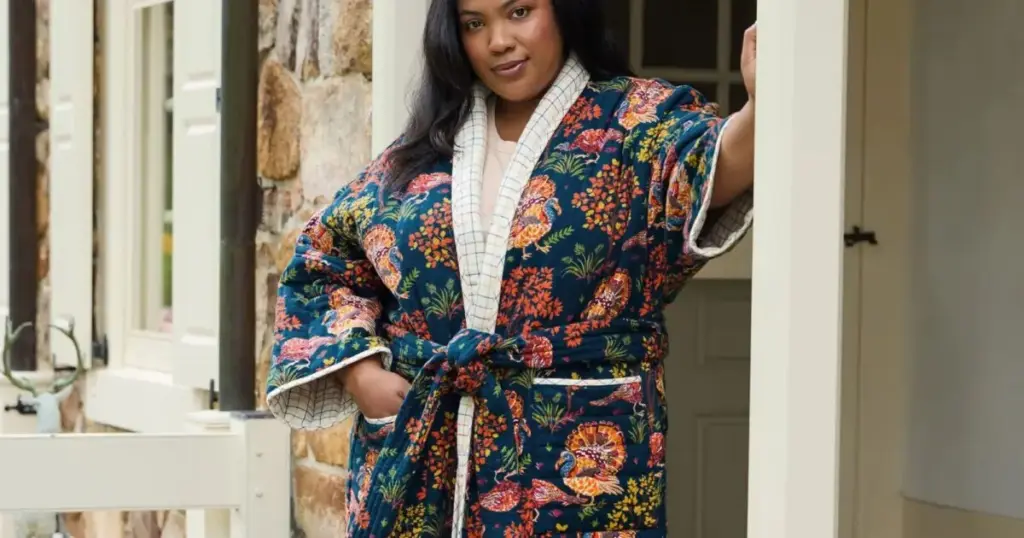
- Overview: Based in the United States and founded in 2016 by textile designer and fashion entrepreneur Amy Voloshin alongside her business partner and husband Leo Voloshin, Printfresh is a vibrant lifestyle brand inspired by flora, fauna, and home decor.
- Sustainability Practices: As a majority woman-owned business, Printfresh infuses artistic expression into its statement sleepwear collections, utilizing mindful production practices.
- Size Range: 2XS to 6XL (exemplifying exceptional body inclusivity)
- Ethical Footprint: The brand maintains a strong focus on empowering women-led enterprises and transparent artisan partnerships.
4. Noctu
- Overview: Operating out of the United Kingdom, Noctu crafts minimalist nightwear and loungewear where simplicity, function, and uncompromising comfort intersect.
- Sustainability Practices: The brand relies exclusively on luxuriously soft, certified organic cotton, ensuring chemical-free production from farm to finished garment.
- Size Range: S to L
- Ethical Footprint: Noctu’s clean aesthetic is matched by an ethical supply chain that prioritizes worker well-being and environmental safety.
5. CASAGiN
- Overview: This Italian brand designs apparel specifically for consumers looking to cultivate a conscious, sustainable lifestyle within their wardrobes and daily routines.
- Sustainability Practices: CASAGiN focuses on eco-friendly, plant-based, and regenerated fibers, emphasizing local European manufacturing to reduce transportation-related carbon emissions.
- Size Range: XS to 2XL
- Ethical Footprint: The brand champions slow fashion principles, prioritizing durability, timeless design, and ethical labor standards.
6. Aiayu
- Overview: Established in Denmark in 2015, Aiayu is a luxury brand offering foundational pieces for a conscious home and wardrobe.
- Sustainability Practices: Aiayu operates on the core belief that a product’s origins, production methods, and environmental impact are just as vital as its visual aesthetics. The brand uses certified sustainable fibers and emphasizes durability.
- Size Range: XS to L
- Ethical Footprint: Aiayu maintains rigorous oversight of its supply chain, ensuring care for the environment, local craftspeople, and the end consumer.
7. Mightly
- Overview: For families seeking conscious options for the next generation, Mightly produces organic cotton and Fair Trade certified children’s clothing, including tees, dresses, and pyjamas.
- Sustainability Practices: Garments are crafted from a high proportion of eco-friendly materials, specifically Global Organic Textile Standard (GOTS) certified cotton.
- Ethical Footprint: Mightly manufactures its products in Fair Trade USA certified facilities, guaranteeing that every garment is produced under safe working conditions with fair compensation for laborers.
Official Statements and Industry Insights
The transformation of the sleepwear market reflects a broader awakening across the textile industry. Industry analysts and sustainability experts emphasize that the bedroom is no longer exempt from ecological scrutiny.
Dr. Elena Vance, a textile sustainability researcher, notes:
"When we sleep, our bodies undergo physiological recovery, and our skin absorbs micro-particles and chemical residues from the fabrics we wear and lie upon. Transitioning to organic, plant-based sleepwear is not merely an environmental statement—it is a direct investment in personal physiological health. The industry is finally acknowledging that what touches our skin for eight hours a night must be as clean as the food we eat."
Furthermore, labor advocates stress the importance of verified certifications over vague corporate promises. Transparency advocates point out that brands willing to open their supply chains to independent auditors demonstrate a mature understanding of corporate responsibility. As consumer demand for accountability intensifies, brands that fail to adopt traceable, ethical practices risk losing relevance in an increasingly discerning marketplace.
Future Outlook: What Lies Ahead for Ethical Sleepwear
Looking forward, the trajectory of sustainable sleepwear points toward hyper-transparency, circular business models, and advanced material science.
- Digital Product Passports (DPPs): Emerging regulatory frameworks, particularly in Europe, are paving the way for digital passports embedded in garments. Consumers will soon be able to scan a tag to view the exact farm where the cotton was harvested, the facility where it was spun and dyed, and the wage data of the workers who assembled the seams.
- Regenerative Agriculture: The next frontier beyond "sustainable" is "regenerative." Sleepwear brands are increasingly sourcing materials from farms that actively restore soil health, capture carbon, and promote local biodiversity, transforming apparel supply chains from net-negative to net-positive contributors.
- Circular Take-Back Systems: As circularity becomes standard practice, leading sleepwear brands are implementing end-of-life recycling programs. Worn-out organic cotton pyjamas will no longer head to landfills; instead, they will be shredded and re-spun into new textiles, closing the loop entirely.
Ultimately, upgrading your sleepwear routine offers a profound opportunity to align personal comfort with planetary healing. By choosing brands that honor both the earth and its artisans, we can rest easier—knowing our nights are as conscious as our days.



