Humanity’s race against runaway climate change has long focused on the measurable metrics of industrial civilization: smokestacks belching carbon dioxide, tailpipes coughing up greenhouse gases, and the aggressive clearance of the world’s ancient forests. However, a critical blind spot has quietly widened in the machinery of global climate projections. As global temperatures creep upward, the Earth’s natural systems—long viewed as passive backdrops to human activity—are increasingly shifting from carbon sinks into aggressive emitters of greenhouse gases.
A landmark study published in the journal Environmental Research Letters reveals that natural systems could amplify human-caused global warming by an alarming 20% to 30% by the end of the century. Examining four key natural emission sources—thawing permafrost, sprawling wetlands, dynamic freshwater lakes, and increasingly frequent wildfires—researchers estimate that these ecosystems will pump out an additional 0.2° to 0.4° Celsius (0.4° to 0.7° Fahrenheit) of warming by 2100.
Crucially, roughly half of this additional atmospheric heating will be driven by methane, a greenhouse gas significantly more potent than carbon dioxide in the near term. This cascading feedback loop—where human emissions warm the planet, which in turn revs up natural systems to release even more gases—remains largely overlooked by the gold-standard climate models of the United Nations Intergovernmental Panel on Climate Change (IPCC). Consequently, experts warn that global temperature projections are likely too optimistic, and humanity’s remaining carbon budget is dangerously slim.
Detailed Chronology: The Evolution of Natural Feedback Awareness
The realization that Earth’s natural life-support systems are faltering did not happen overnight; it is the culmination of decades of field observations, microbial discoveries, and hard-fought modeling improvements.
Pre-2020s (The Blind Spot Era): For years, climate scientists acknowledged that natural systems released greenhouse gases, but these fluxes were generally treated as stable baselines. Global climate models largely ignored the dynamic ways in which rising temperatures would accelerate microbial decay in soils, expand tropical wetlands, and alter wildfire regimes.
The Early 2020s (Microbial Surprises): Scientific breakthroughs began to chip away at the assumption that nature could indefinitely buffer human emissions. A 2021 study published in Environmental Research Letters warned that atmospheric methane was being severely underestimated in future projections. Shortly after, a groundbreaking 2024 study in Nature revealed that microbes living in tree bark actively pull millions of metric tons of methane from the air, exposing an intricate biological network previously unknown to science.
The 2026 Synthesis (Quantifying the Amplification): Breaking new ground, a research team led by climate scientist Sam Abernethy at Spark Climate Solutions published the first comprehensive study pulling together permafrost, wetlands, freshwater, and wildfires. Their work successfully quantified the compounding effect of these natural systems, revealing the 0.2°C to 0.4°C amplification window.
Current Reality: As international frameworks stumble—highlighted by high-profile geopolitical shifts such as the United States’ withdrawal from the Paris Agreement—scientists emphasize that the Earth’s natural feedback systems are flashing red, demanding a radical pivot in how climate policy is designed and implemented.
Supporting Context & Metrics: Unpacking the Amplification Loop
To understand how natural systems are accelerating planetary warming, scientists look closely at four distinct ecological mechanisms:
1. Thawing Permafrost
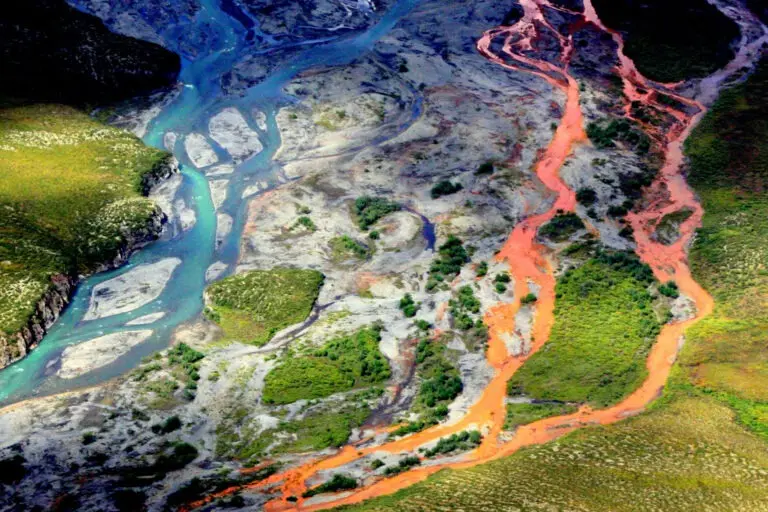
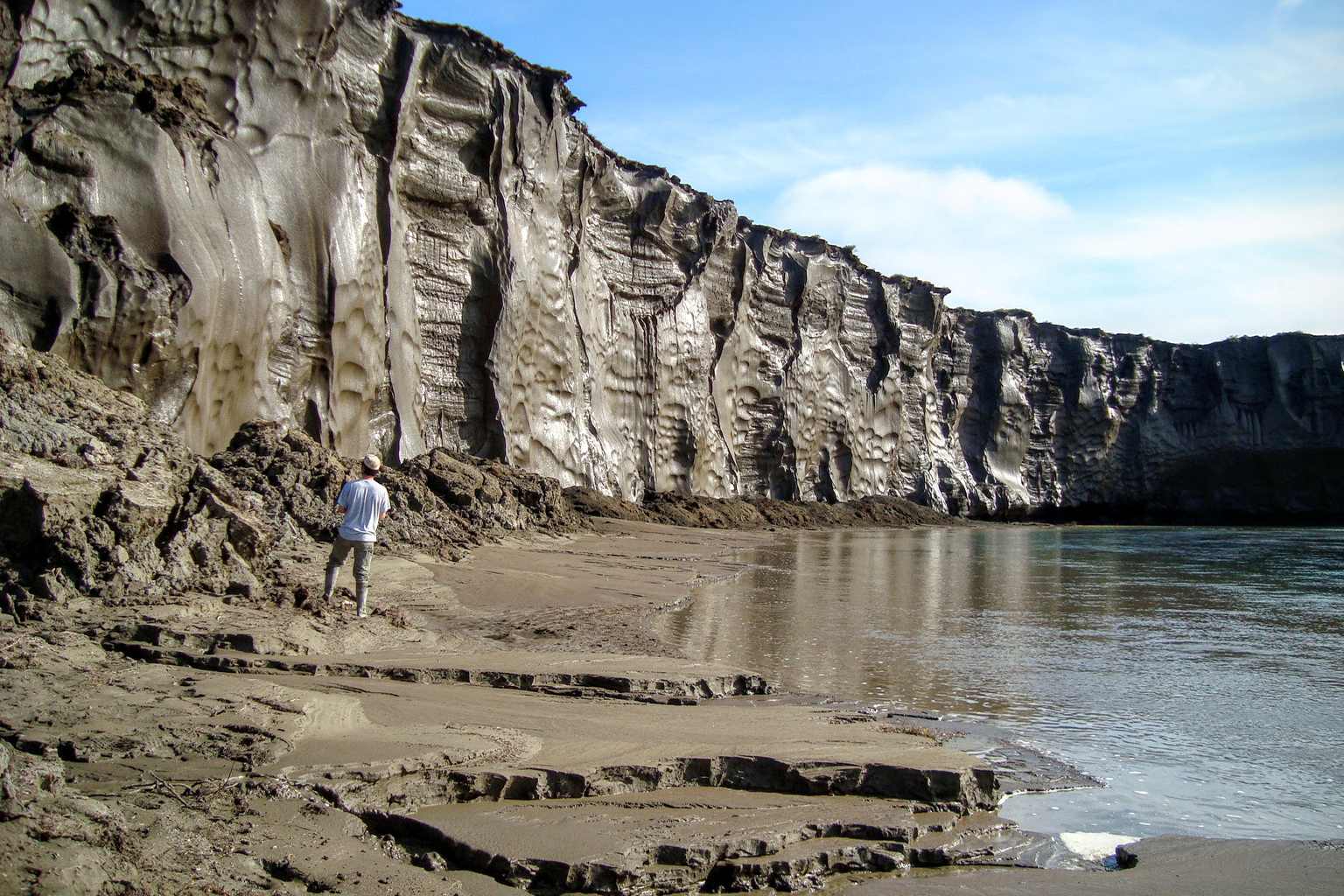
As the frozen grounds of the Arctic thaw, organic matter—dead plants and animals locked away in soils for thousands of years—is rapidly exposed to microbial decay. This process releases massive quantities of carbon dioxide and methane. Because this thawing is a direct consequence of historical and ongoing human-driven warming, it represents a classic, self-reinforcing feedback loop. Furthermore, permafrost degradation physically alters northern landscapes, turning riverine ecosystems orange due to accelerated iron-cycling.
2. Wetlands and Freshwater Systems
Warmer temperatures act as a metabolic accelerator for the microbes responsible for producing methane. Tropical wetlands, expanding under the influence of climate-induced rainfall shifts, and warming freshwater lakes are experiencing surges in microbial activity. According to separate studies cited by the Abernethy research team, methane releases from wetlands per degree of warming may be nearly double what traditional models account for, pointing to a severe underestimation of aquatic emissions.
3. Wildfires and Forest Die-Back
As global landscapes dry out, forests burn with unprecedented frequency and severity. These fires instantly release vast stores of carbon accumulated over centuries. Compounding this, land-use conversion and deforestation destroy the capacity of forest soils and tree bark to act as natural methane sinks. For instance, converting native forests to agricultural lands in regions like Kenya’s Mau Forest has been shown to cut soil methane uptake by more than half.
The Modeling Gap
The scale of this oversight is laid bare by an analysis of the 11 Earth system models utilized by the IPCC in its sixth assessment report:
Zero models included warming-induced emissions from wetlands or freshwaters.
Only two models factored in thawing permafrost emissions.
Only five models accounted for the escalation of wildfires.
Because these variables are omitted, global projections underestimate the trajectory of future warming. This shrinking "carbon budget" means humanity has far less room for error than previously calculated before crossing catastrophic temperature thresholds.
Official Statements and Expert Perspectives
The implications of the Environmental Research Letters study have sent ripples through the international scientific community, eliciting urgent calls for a reevaluation of climate targets.
Lead author Sam Abernethy emphasized the logistical hurdles of tracking these emissions during an interview with Mongabay:
"These natural sources are a bit of a blind spot for observations, which then means it’s really tough to put them into models, which then means it’s really tough to build policy around them."
Abernethy also pointed out the asymmetric nature of these emissions. While rapid societal cuts to human-caused emissions can curb future output, they cannot undo the warming driven by gases already circulating in the atmosphere.
"The larger reason warming from natural sources continues to rise is that CO₂ emissions accumulate in the atmosphere, so the warming they cause keeps growing as long as those emissions continue," he explained.
Euan Nisbet, an emeritus professor of Earth sciences at Royal Holloway, University of London, who was independent of the research, underscored the gravity of the findings. Invoking the famous warning of the late ecologist George Woodwell, Nisbet stated that "warming may feed the warming."
Nisbet highlighted that strong evidence points to surging methane emissions from living things, particularly tropical wetlands, driven by human-induced climate change. This surge, he noted, is a primary reason the global community is falling dangerously behind the objectives established in the 2015 Paris Agreement—a pact designed to hold global warming well below 2°C (3.6°F) above pre-industrial levels.
Future Outlook: Novel Interventions and the Path Ahead
Every fraction of a degree matters deeply. The IPCC has repeatedly cautioned that each additional half-degree of warming unleashes exponentially more intense heat waves, catastrophic floods, devastating droughts, and severe weather anomalies across the globe.
Because certain natural sources—such as runaway permafrost thaw—possess no obvious "off switch" once triggered, conventional emission-reduction strategies alone may prove insufficient.
"If permafrost starts emitting way more methane than we expected, we won’t be able to solve that problem with the known technologies," Abernethy warned.
As a result, scientists are increasingly exploring novel, out-of-the-box interventions to manage atmospheric methane. These emerging approaches include:
Ecosystem Enhancement: Protecting and restoring upland forests and their underlying methane-eating microbes (methanotrophs), which form the largest biological methane sink on Earth.
Subterranean Solutions: Emerging research into aerated subterranean ecosystems, such as caves, where methane-eating microbes consume the gas several times faster than forest soils, offering potential blueprints for biological transformation.
Chemical Oxidation: Unlike carbon dioxide removal, which requires permanent, deep-underground geological storage, methane can be neutralized through chemical oxidation reactions directly in the atmosphere or via specialized reactors.
While these technologies and biological sinks offer a glimmer of hope, researchers stress that uncertainty remains high. The immediate priority must remain twofold: slashing anthropogenic greenhouse gas emissions—such as plugging leaking fossil fuel infrastructure—while simultaneously integrating these overlooked natural feedbacks into the next generation of climate models, culminating in the IPCC’s anticipated seventh assessment report in 2029. Until then, as Earth’s natural life-support systems flash warning red, the window to secure a stable planetary climate continues to narrow.