

Executive Overview
The electric vehicle (EV) landscape in 2026 is defined by fierce competition, rapid technological iteration, and shifting global supply chains. Amidst this dynamic environment, Guangzhou-based automaker XPENG has emerged as a compelling case study in corporate resilience and strategic recalibration. Following a sluggish start to the year that weighed heavily on its early-year financial and sales balance sheets, XPENG has orchestrated a remarkable operational turnaround.
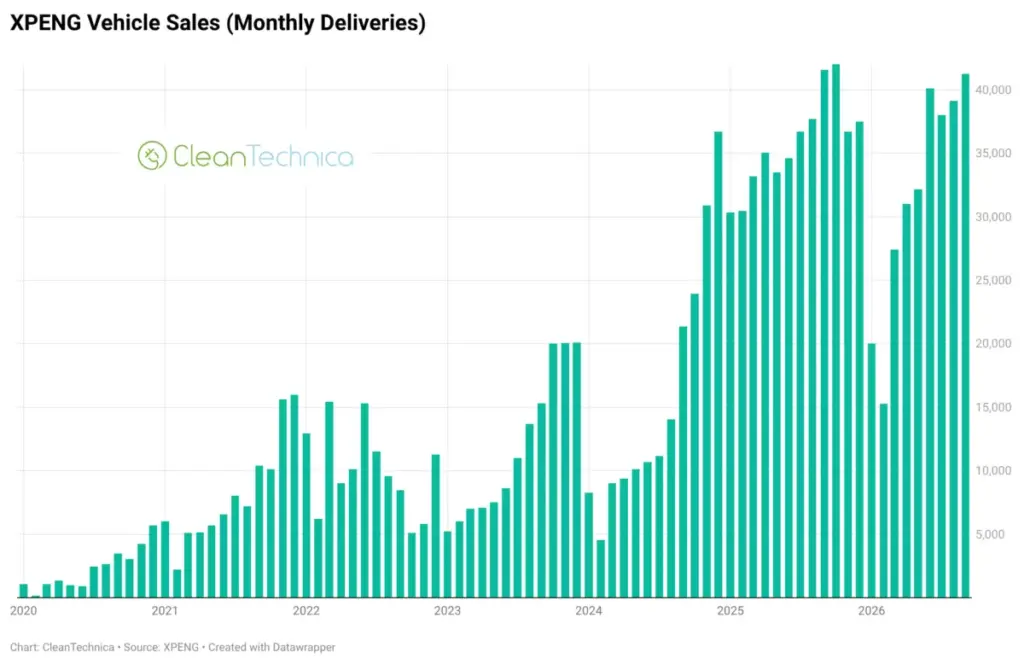
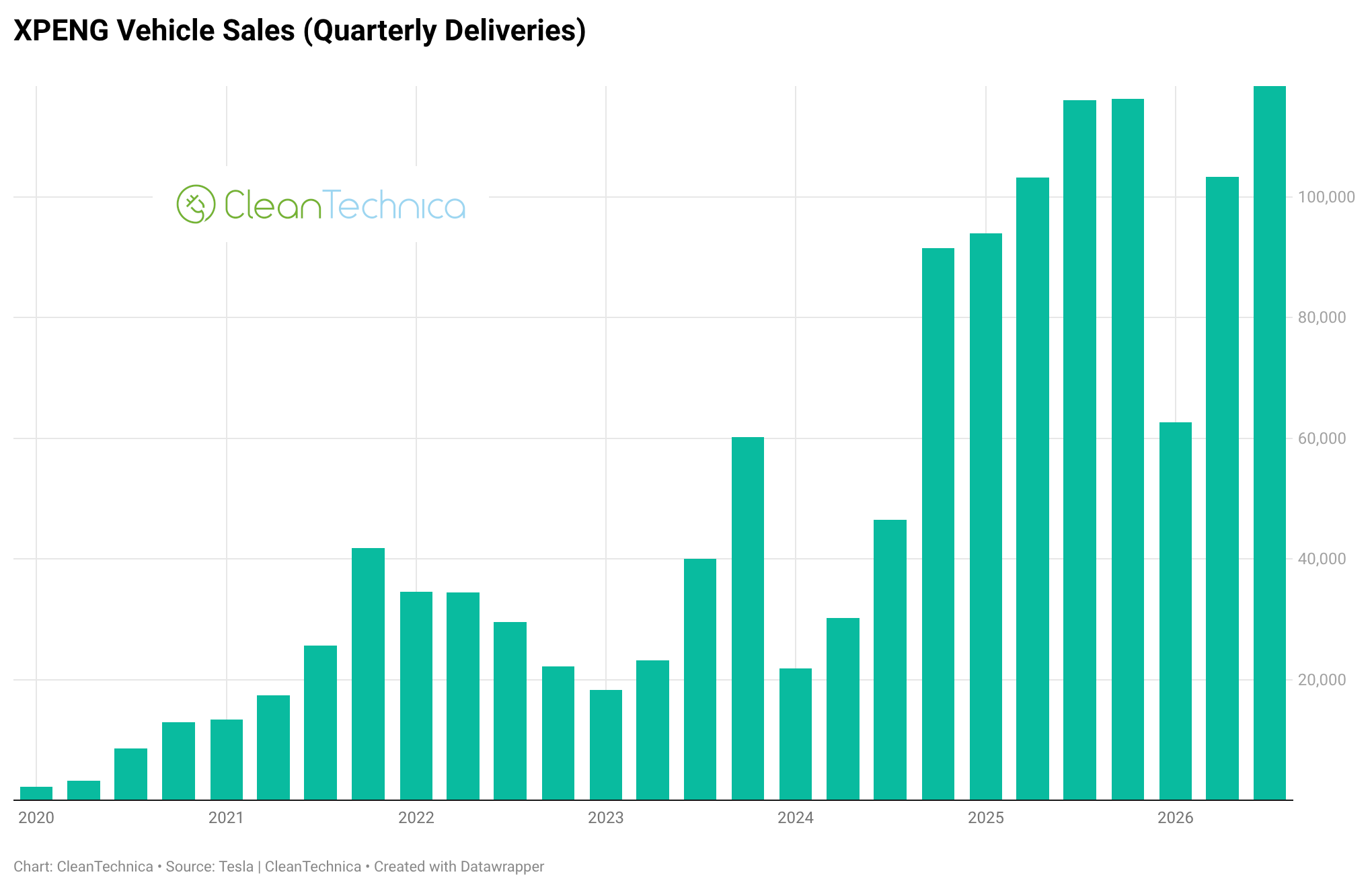
By the close of the third quarter of 2026, the company officially secured record-breaking quarterly deliveries, propelled by sustained consumer demand, aggressive retail pushes, and a robust product portfolio. While year-to-date figures continue to reflect the residual impact of the company’s early-year slump—with cumulative nine-month sales down 9.2% compared to the same period in 2025—the recent trajectory points upward. September 2026 alone saw XPENG deliver 41,256 vehicles, representing a healthy 5.5% month-over-month increase.
Beyond vehicle sales figures, XPENG’s strategic positioning this quarter has been reinforced by aggressive infrastructure deployment. The company continues to cement its footprint as both a vehicle manufacturer and an energy service provider. By scaling its proprietary ultra-fast charging network across hundreds of Chinese cities and debuting international flagship charging hubs—such as the landmark Hong Kong megawatt station—XPENG is addressing the core consumer anxieties that traditionally hinder EV adoption: range and charging accessibility.
Furthermore, the environmental dividend of these deliveries is substantial. According to corporate sustainability metrics, the hundreds of thousands of electric vehicles deployed by XPENG in the first three quarters of 2026 alone are projected to eliminate millions of tons of lifecycle greenhouse gas emissions. As the Guangzhou automaker prepares for the final stretch of the fiscal year, its recent momentum suggests that the worst of its transitional hurdles are firmly in the rearview mirror.
Detailed Chronology of 2026 Performance
To fully understand XPENG’s position at the close of Q3 2026, one must examine the temporal narrative of the year. The automotive sector moves at a breakneck pace, and for XPENG, 2026 has been a year of two distinct halves.
The Challenging First Quarter: Navigating Headwinds
The opening months of 2026 presented significant obstacles for several legacy and emerging EV manufacturers in the Chinese domestic market. Macroeconomic pressures, aggressive price wars initiated by industry heavyweights, and consumer hesitation ahead of expected technological upgrades created a turbulent baseline for XPENG. During Q1, the company struggled to maintain the high-volume cadence it had established late in the previous year.
This slow start created a statistical deficit that would take quarters to claw back. Cumulative sales for the first nine months of 2026 ultimately registered a 9.2% decline year-over-year. Industry analysts noted that while consumer interest in XPENG’s advanced driver-assistance systems (ADAS) remained high, conversion rates at dealerships were temporarily hampered by fierce discounting from competing brands.
The Spring and Summer Recovery
Recognizing the shifting demands of the marketplace, XPENG adjusted its go-to-market strategy by introducing iterative vehicle enhancements, optimizing production lines, and rolling out targeted financing incentives. These measures began to bear fruit heading into the summer months.
By the end of the second quarter, sequential growth metrics indicated that the turnaround was underway. Production bottlenecks were systematically resolved, and supply chain efficiencies allowed the company to streamline delivery times. This operational tightening set the stage for a pivotal late-summer and early-autumn push.
The September Surge and Q3 Record
The culmination of these strategic adjustments manifested clearly in September 2026. Delivering 41,256 vehicles in a single month, XPENG came within a hair’s breadth of breaking its all-time historical monthly delivery record. This figure represented a solid 5.5% expansion compared to August 2026.
While September deliveries dipped slightly by 0.8% compared to the exceptionally high baseline set in September 2025, the broader quarterly picture was decisively positive. XPENG’s Q3 deliveries climbed 15% sequentially over the second quarter of 2026 and achieved a 2% increase year-over-year. This performance pushed the company past its previous quarterly records, confirming that consumer demand for its core lineup remains robust.
Supporting Context & Metrics: Infrastructure and Sustainability
An automotive manufacturer’s value proposition in the mid-2020s extends far beyond metal, wheels, and batteries; it encompasses the entire ecosystem required to keep vehicles on the road efficiently. XPENG has long recognized this reality, investing heavily in proprietary charging infrastructure to alleviate range anxiety and improve the overall ownership experience.
Expanding the Charging Ecosystem
As of September 30, 2026, XPENG’s self-operated charging network has achieved remarkable scale across mainland China. The network now spans:
- Coverage across more than 430 cities.
- A total of over 4,000 charging stations.
- More than 3,510 ultra-fast charging stations capable of rapid energy replenishment.
- A cumulative total of over 22,200 individual charging piles.
This dense network provides XPENG owners with a distinct competitive advantage, ensuring reliable, high-speed access to energy in both metropolitan centers and high-traffic transit corridors.
International Expansion and Megawatt Charging
XPENG’s infrastructure ambitions are no longer confined to mainland China. On September 15, 2026, the company achieved a major milestone by opening its very first X-Energy megawatt ultra-fast charging station in Hong Kong. This state-of-the-art facility represents a technological leap forward, designed to deliver unprecedented charging speeds that drastically reduce downtime for drivers. The move into Hong Kong also signals XPENG’s growing confidence in deploying its proprietary energy solutions in highly competitive, densely populated international metropolitan markets.

Quantifying the Environmental Dividend
Beyond commercial metrics, XPENG has released compelling lifecycle emissions data regarding its 2026 output. According to corporate sustainability projections, the electric vehicles delivered by XPENG between January and September 2026 are expected to reduce life-cycle greenhouse gas emissions by more than 4.14 million tons when compared to equivalent internal combustion engine (ICE) vehicles.
To contextualize this massive carbon reduction, XPENG notes that it is roughly equivalent to the amount of carbon absorbed by 68.53 million young trees over a 10-year period. As regulatory bodies worldwide tighten emissions standards and consumers increasingly factor sustainability into their purchasing decisions, these lifecycle metrics serve as a powerful marketing and corporate responsibility tool.
Official Statements and Industry Insights
Leadership at XPENG has maintained an optimistic yet pragmatic outlook as the company navigates the remainder of the fiscal year. Company executives have repeatedly emphasized that the resilience demonstrated during the Q3 recovery phase validates their long-term technological roadmap.
Industry analysts observing XPENG’s trajectory point out that the company’s dual focus on vehicle intelligence—particularly its advancements in smart cockpit technologies and autonomous driving software—and heavy infrastructure investment is paying off. While the broader Chinese EV market remains locked in an aggressive price war, brands that successfully differentiate themselves through superior software integration and charging convenience are better insulated from margin erosion.
Furthermore, the strategic importance of the Hong Kong megawatt charging station cannot be overstated. Industry observers view it as a testing ground for wider international infrastructure deployments as XPENG eyes broader export markets across Europe, Southeast Asia, and beyond. By establishing its energy ecosystem ahead of or alongside vehicle rollouts in new territories, XPENG is preemptively solving the infrastructure deficit that has historically plagued foreign EV entrants.

Future Outlook: What Lies Ahead for XPENG
As the automotive industry looks past the third quarter toward the close of 2026 and into 2027, XPENG stands at a fascinating crossroads. The momentum gained in Q3 provides a sturdy foundation, but maintaining this trajectory will require navigating several distinct challenges and opportunities.
1. Reversing the Year-to-Date Deficit
Despite the impressive 15% quarter-over-quarter growth and the stellar September delivery numbers, the early-year sales slump left a 9.2% year-to-date deficit for the first nine months. Closing this gap completely by the end of December will be a tall order, requiring XPENG to not only sustain its current monthly delivery volume of over 41,000 units but ideally break its all-time monthly delivery records during the traditionally strong year-end shopping season.
2. Technological Iteration and New Product Launches
To stay ahead of aggressive domestic rivals like BYD, Geely, and Nio, as well as foreign incumbents, XPENG must continue to push the envelope in vehicle intelligence. Future growth will heavily depend on the successful rollout of next-generation ADAS features, cost-optimized manufacturing platforms, and new vehicle form factors designed to appeal to broader demographic segments.
3. Scaling the Energy Network Internationally
With the successful launch of the Hong Kong megawatt station, the blueprint for international infrastructure deployment has been established. The coming quarters will likely reveal whether XPENG intends to replicate this high-power charging model in other overseas markets, particularly in Europe where the company has steadily been building its retail and service presence.
Final Thoughts
XPENG’s performance in the third quarter of 2026 demonstrates the efficacy of strategic pivoting and operational discipline. By bouncing back from a difficult start to the year, expanding one of the most advanced ultra-fast charging networks in the region, and delivering tangible environmental benefits, the Guangzhou-based automaker has proven its staying power. If the company can maintain its current delivery cadence and capitalize on its expanding ecosystem infrastructure, 2026 may ultimately be remembered not for its early hurdles, but for the remarkable comeback that defined its second half.



