Executive Overview
For over 400 million years, sharks have glided through the world’s oceans, utilizing their iconic dorsal fins and powerful, rhythmic tails to navigate marine environments long before trees, flowers, or dinosaurs ever appeared on land. Today, more than 500 distinct species inhabit waters across the globe, exhibiting a staggering variety of shapes, sizes, and behaviors. From the monumental speckled whale shark—the largest fish in the sea—to the enigmatic pink goblin shark, the flattened angel shark, and the tiny dwarf lanternshark, which maxes out at a mere eight inches (20 centimeters), these cartilaginous predators represent a masterclass in evolutionary longevity.
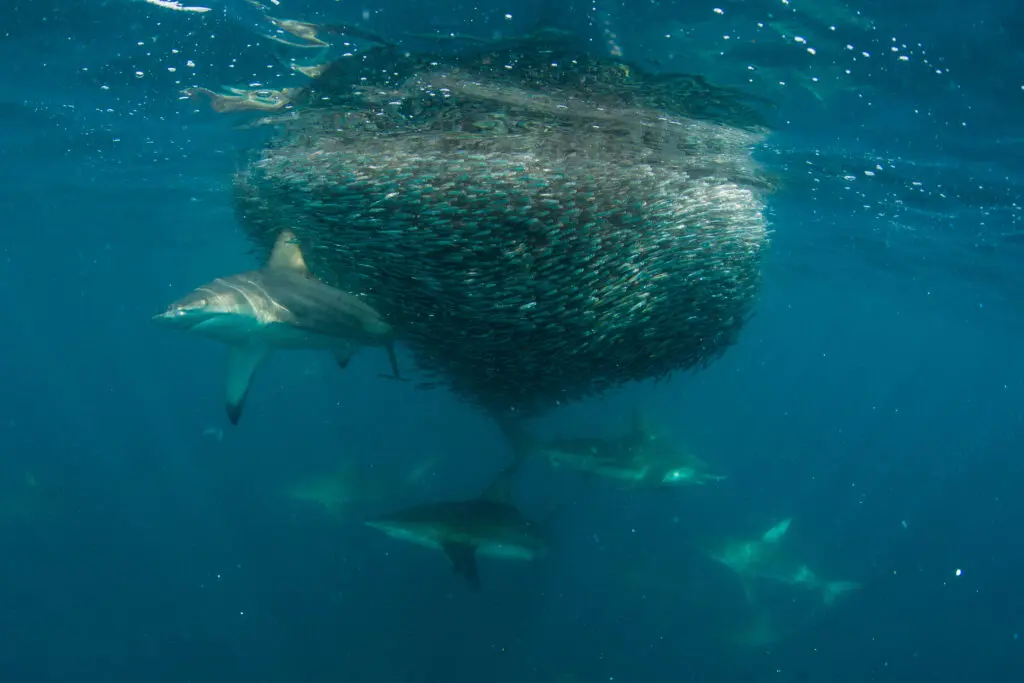
Yet, despite surviving multiple mass extinction events over geologic time, modern sharks face an unprecedented existential crisis driven primarily by human activity. Far from being the mindless villains often portrayed in popular culture, sharks are graceful, elegant architects of the marine world. As apex and mesopredators, they play a foundational role in maintaining the health, balance, and resilience of ocean ecosystems worldwide.
Renowned oceanographer Dr. Sylvia Earle, Founder and CEO of Mission Blue, underscores this vital connection:
"Sharks are beautiful animals, and if you’re lucky enough to see lots of them, that means that you’re in a healthy ocean. You should be afraid if you are in the ocean and don’t see sharks."
Despite their indispensable ecological function, sharks are currently facing catastrophic population declines. A landmark global status report published by the International Union for Conservation of Nature (IUCN) revealed that a staggering one-third of all shark, ray, and chimaera species are threatened with extinction. Propelled by industrial overfishing, habitat degradation, climate change, and controversial coastal bather-protection programs—such as traditional shark nets and drumlines—populations are plummeting globally.
This comprehensive investigation examines the ancient evolutionary history of sharks, their foundational ecological roles, the multifaceted threats driving them toward extinction, the devastating collateral damage of legacy bather-protection measures, and the innovative, non-lethal solutions being championed by scientists, local communities, and global conservation networks like Mission Blue Hope Spots.
Detailed Chronology: From Ancient Oceans to the Anthropocene
To understand the immense value of sharks, one must first look deep into the geological timeline. Sharks are among the oldest surviving vertebrate lineages on Earth, with a fossil record stretching back approximately 450 million years through the Ordovician and Silurian periods.
The Paleozoic and Mesozoic Eras: Surviving Mass Extinctions
- 450–400 Million Years Ago: Primitive fish precursors develop cartilage-based endoskeletons rather than bone, giving rise to early forms of modern shark ancestry. They endure the catastrophic Late Devonian extinction event, which wipes out roughly 75% of all species on Earth.
- 300–250 Million Years Ago (Carboniferous and Permian): Sharks diversify rapidly during the "Golden Age of Sharks." Iconic species like Helicoprion—famous for its bizarre, spiral-shaped whorl of teeth—and Orthacanthus dominate ancient marine and freshwater systems. They survive the Permian-Triassic extinction event (the "Great Dying"), which eradicates over 90% of marine species.
- 252–66 Million Years Ago (Mesozoic Era): As dinosaurs rule the terrestrial landscape, sharks continue to adapt and refine their biological blueprints. They survive the Cretaceous-Paleogene (K-Pg) extinction event that wipes out non-avian dinosaurs 66 million years ago, proving their remarkable resilience across environmental shifts.
The Modern Era and the Rise of Anthropogenic Threats
- Mid-to-Late 20th Century: Industrial fishing fleets expand dramatically, utilizing advanced sonar, longlines, and large-scale gillnets. The commercial market for shark fins, meat, liver oil, and cartilage experiences an exponential surge, particularly in international trade.
- 1960s–1980s: Coastal municipalities in regions like South Africa and New South Wales, Australia, heavily institutionalize the deployment of lethal shark control gear—specifically large-mesh shark nets and baited drumlines—near popular bathing beaches to mitigate human-shark incidents, initiating decades of unmonitored ecological collateral damage.
- December 2024: The IUCN releases an updated global status report confirming that over 300 species of sharks, rays, and chimaeras are now threatened with extinction, cementing overfishing and habitat destruction as top-tier planetary crises.
- 2024–2025 Season: Freedom of Information (FOI) data released in New South Wales confirms that traditional shark nets continue to capture massive amounts of non-target marine life, igniting renewed scientific condemnation and accelerating the push toward SMART drumlines, drones, and eco-barriers.
Supporting Context & Metrics: The Ecological Pillars of the Sea
Sharks act as the ultimate biological regulators of the ocean. By influencing the behavior, distribution, and abundance of other marine species, they maintain trophic cascades that ripple down to the very base of aquatic food webs.
Trophic Cascades and Habitat Engineering
The presence of sharks prevents mesopredator release—a phenomenon where mid-level predators multiply unchecked and overconsume foundational prey species.
- Kelp Forest Protection: In temperate marine ecosystems, sharks regulate populations of herbivorous sea urchins. By keeping urchin numbers in check, sharks prevent these invertebrates from overgrazing vital kelp forests, which serve as crucial carbon sinks and nurseries for hundreds of fish species.
- Seagrass Meadow "Sheepdogs": In shallow coastal waters, tiger sharks and great white sharks act similarly to sheepdogs. Their predatory presence forces large grazers like dugongs and sea turtles to constantly move across seagrass meadows. This behavioral pressure prevents the overgrazing of localized patches, allowing seagrass to recover, grow, and continue sequestering carbon effectively.
The Biology of Vulnerability
Unlike bony fish, which often broadcast-spawn millions of eggs with high mortality rates, most shark species possess life-history traits that make them exceptionally vulnerable to overexploitation:
- Slow Growth Rates: Many apex species take over a decade to reach sexual maturity.
- Late Maturation & Low Fecundity: Sharks produce very few young per reproductive cycle, with some species gestating for up to two years and giving birth to only a handful of pups at a time.
- Delayed Recovery: Because population replenishment happens at a glacial pace, overfished or depleted stocks require decades of strict protection to show meaningful recovery.
The Toll of Overfishing and Bycatch
According to the IUCN, overfishing remains the single greatest threat to global shark populations. Sharks are deliberately targeted for:
- Fins: Fueling the global shark fin trade for soup and traditional remedies.
- Meat & Oil: Consumed locally or internationally, alongside squalene harvested from shark livers for cosmetics and medical products.
- Gill Plates: Highly sought-after in specific Asian medicinal markets.
Simultaneously, industrial longlines and trawlers catch millions of sharks annually as accidental "bycatch," discarding them dying or dead back into the open ocean.
Official Statements and Local Conservation Initiatives
To reverse these trends, communities, scientists, and environmental advocates are collaborating across international borders through designated Mission Blue Hope Spots—globally recognized areas scientifically identified as critical to the health of the ocean.
South Africa: Protecting Aliwal Shoal
In South Africa, Aliwal Shoal stands as a beacon of marine biodiversity. Russel Symcox, leader of Wild Alliance Africa and Aliwal Shoal Hope Spot Champion, works alongside local stakeholders to drive community-based conservation.
"Local communities and local governments can make a difference by working together, hosting educational events to build awareness, and encouraging the implementation of alternative technologies," notes the Mission Blue network. Supporters can engage with local conservation efforts via the Aliwal Shoal Hope Spot community platforms.
Australia: Confronting Lethal Bather Control
Australia hosts several crucial Hope Spots—including the Sydney Coast, the Great Barrier Reef, Byron Bay, the Gold Coast, and Moreton Bay—where lethal bather-protection programs have historically caused severe ecological damage.
Recent Freedom of Information (FOI) data from New South Wales for the 2024/2025 season revealed that 89% of all marine animals caught in shark nets were non-target species, including endangered gray nurse sharks, leatherback turtles, and dolphins. Furthermore, more than 67% of the animals caught died during capture or following release.
Hope Spot Champions across Australia are actively fighting back against these antiquated methods:
- Sydney Coast: Backed by the Ocean Lovers Festival, advocates offer actionable pathways for citizen engagement.
- Great Barrier Reef: Andy Ridley, leader of Citizens of the Great Barrier Reef, mobilizes citizen science to safeguard this iconic barrier ecosystem.
- Byron Bay: Alice Forrest and Dr. Elizabeth Hawkins of Ocean Education and Conservation campaign for stronger legal protections for local rays, sharks, cetaceans, and sea turtles.
- Gold Coast: Dr. Olaf Meynecke of Humpbacks & High-rises advances marine science and public advocacy for safe human-wildlife coexistence.
- Moreton Bay: Dr. Chris Roelfsema with Reef Check Australia champions community stewardship across one of the continent’s most biodiverse bays.
International Migratory Corridors and Nurseries
Sharks do not recognize political boundaries, making cross-border collaboration essential. Across the Eastern Tropical Pacific, renowned Hope Spot Champions—including Alex Hearn (Galápagos Islands), Sandra Bessudo (Malpelo Island), Randall Arauz (Cocos Island), Todd Steiner (Cocos-Galápagos Swimway), Héctor Guzmán (Coiba Ridge), and James Ketchum (Gulf of California)—collaborate through organizations like MigraMar to track the epic transboundary migrations of sharks.
Meanwhile, in Costa Rica’s Golfo Dulce, Ilena Zanella and Andrés López of Misión Tiburón spearhead efforts to protect critical mangrove-fringed nursery grounds where juvenile scalloped hammerhead sharks shelter during their vulnerable early life stages.
Future Outlook: Moving Toward Non-Lethal Coexistence
The narrative surrounding sharks is shifting from fear to stewardship. Traditional, lethal bather-control methods—such as fixed gillnets and baited drumlines deployed historically in South Africa, Australia, Brazil, Réunion Island, and Hawaii—are increasingly recognized as ecologically destructive and scientifically obsolete.
The future of coastal safety relies on modern, non-lethal innovations that protect human ocean-goers without devastating marine wildlife:
- SMART Drumlines (Shark Management Alert in Real Time): Gear equipped with satellite links that alert marine biologists immediately when a target animal is hooked, allowing for rapid, live-release protocols well offshore.
- Acoustic and Magnetic Deterrents: Utilizing sensory-overload technologies that repel sharks safely away from swimming zones without causing physical harm.
- Drones and Real-Time Aerial Spotting: Leveraging artificial intelligence and aerial surveillance to monitor coastal waters and provide early warnings to swimmers and surfers.
- Eco-Barriers: Physical, non-entangling barriers deployed around specific swimming beaches to completely block large marine fauna while allowing smaller fish and water to flow freely.
What You Can Do
Saving sharks requires a united global response. Individuals can support this mission by:
- Advocating for Policy Change: Supporting local and international bans on the trade of shark fins and demanding the removal of non-selective shark nets in favor of SMART, non-lethal technologies.
- Choosing Sustainable Seafood: Supporting fisheries that utilize turtle- and shark-excluder devices and minimize accidental bycatch.
- Participating in Citizen Science: Joining regional monitoring efforts through organizations like Reef Check Australia, Citizens of the Great Barrier Reef, and local Hope Spot initiatives.
- Spreading Awareness: Educating others to dispel the harmful myth that sharks are mindless monsters, reinforcing instead that they are ancient, magnificent, and irreplaceable guardians of our blue planet.
A healthy, thriving ocean requires sharks. And sharks urgently need us to act.