Executive Overview
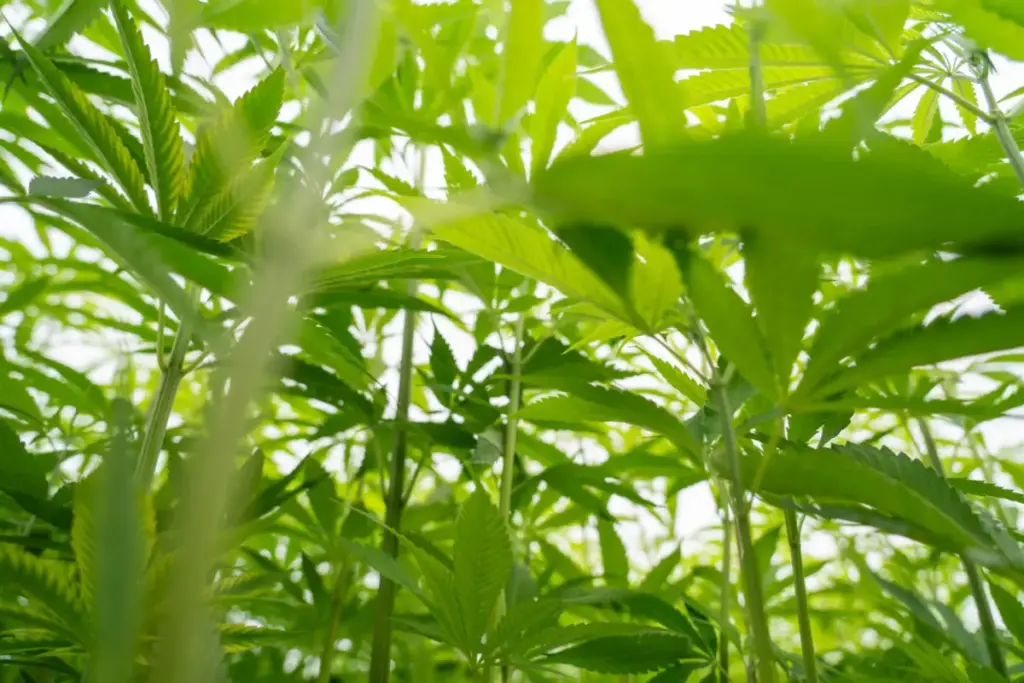
Long dismissed by modern agricultural policy and overshadowed by decades of prohibition, Cannabis sativa—specifically its industrial and non-psychoactive variant, hemp—is undergoing one of the most remarkable revivals in modern agricultural history. Once a foundational pillar of early American commerce for its robust fibers and resilient crops, hemp was pushed into legal obscurity for nearly 70 years.
However, the passage of the 2014 U.S. Farm Bill, followed by expanded regulatory clarity, dismantled federal barriers and reignited interest among agronomists, environmentalists, and commercial producers. Today, cutting-edge research institutions—most notably the Rodale Institute and its Pocono Organic Center—are collaborating with regenerative organic farmers to re-evaluate the full agricultural, medicinal, and economic potential of this versatile crop.
The findings are profound. Far from being a mere novelty, hemp is emerging as an indispensable tool for regenerative agriculture. It revitalizes depleted soils through deep-root bioremediation, chokes out invasive weeds naturally to reduce chemical herbicide dependency, and provides a sustainable yield for textiles, nutrition, and zero-waste bioplastics. As the global industrial hemp market scales—projected by Fortune Business Insights to vault from over $11 billion in 2025 to nearly $48 billion by 2032—the intersection of science, policy, and practice is proving that hemp is much more than a cash crop; it is a vital ecological ally for people and the planet.
Detailed Chronology: From Colonial Staple to Federal Prohibition and Modern Renaissance
To understand the current resurgence of hemp, one must examine its complex historical trajectory, marked by periods of immense economic utility, sudden legislative bans, and a hard-fought contemporary scientific awakening.
The First 150 Years: A Colonial Lifeline
For the first century and a half of American history, hemp was not merely a crop; it was an essential industrial raw material. Early settlers were legally mandated or financially encouraged by British colonial authorities to grow hemp because its tough, durable fibers were critical for naval rigging, canvas sails, ship caulking, durable rope, and clothing. George Washington and Thomas Jefferson both cultivated hemp extensively on their estates. The crop thrived across diverse climates, requiring minimal chemical intervention while producing high yields of resilient fiber.
The 70-Year Prohibition
The tide turned in the mid-20th century. Driven by changing social dynamics, powerful competing industries (such as synthetic nylon and the emerging timber-based paper industry), and a rising wave of prohibitionist sentiment, lawmakers conflated industrial hemp with its psychoactive botanical cousin, Cannabis sativa varieties commonly known as marijuana.
Despite lacking the chemical compound responsible for euphoria, industrial hemp was swept into the dragnet of the Marihuana Tax Act of 1937 and later classified as a Schedule I controlled substance under the Controlled Substances Act of 1970. For roughly 70 years, American farmers were legally barred from cultivating a crop that had previously sustained the nation’s foundational infrastructure, forcing the country to rely entirely on foreign imports and synthetic alternatives.
The Legislative Turning Point: The 2014 Farm Bill
A major policy shift arrived with the landmark 2014 U.S. Farm Bill, which carved out a specific legal definition for industrial hemp, distinguishing it from marijuana by setting a strict federal ceiling: hemp plants must contain a Tetrahydrocannabinol (THC) concentration of no more than 0.3 percent on a dry-weight basis. This threshold ensured that the plant could not trigger psychoactive effects.
Subsequent agricultural legislation fully removed hemp from the Controlled Substances Act’s purview under qualifying conditions, opening the floodgates for agronomic research, capital investment, and large-scale farming trials.
Supporting Context & Metrics: The Science of Hemp in Regenerative Agriculture
Modern research spearheaded by the Rodale Institute and partner organizations like Pocono Organics has moved past historical anecdotes, deploying rigorous, peer-reviewed scientific methodology to quantify hemp’s benefits across multiple metrics.
+-----------------------------------------------------------------------------------+
|                        THE HEMP VALUE CHAIN & ECO-METRICS                         |
+---------------------------+-------------------------------------------------------+
| Market Projection (2032)  | Nearly $48 Billion (up from $11+ Billion in 2025)     |
| Fiber Crop Revenue        | Up to $1,220 per acre                                 |
| Seed Crop Revenue         | Up to $550 per acre                                   |
| THC Legal Threshold       | Less than 0.3% dry weight                             |
| Soil Heavy Metals         | Accumulates higher lead/cadmium than Sorghum-Sudangrass|
+---------------------------+-------------------------------------------------------+
Optimizing Medicinal Yields: Cannabinoids and Nitrogen
While the fiber has industrial uses, the flowering tops of female hemp plants yield valuable cannabinoids—most notably Cannabidiol (CBD). Unlike THC, CBD is non-psychoactive and interacts with the human body’s endocannabinoid system, a complex network of enzymes and receptors that regulate sleep, mood, appetite, and immune response.
In a study published in 2025 in the peer-reviewed journal Agrosystems, Geosciences & Environment, a research team led by Dr. Dinesh Panday, a soil scientist at the Rodale Institute, demonstrated that organic farmers can strategically optimize the CBD content of hemp crops by meticulously managing nitrogen fertilizer inputs. This precision agriculture approach ensures that medicinal extract producers can maximize efficacy without over-applying nutrients that might leach into local watersheds.
Nutritional Profile
Hemp seeds are a nutritional powerhouse. Rich in vitamins E, D, and A, the seeds boast a high concentration of heart-healthy omega-3 and omega-6 fatty acids. Furthermore, they supply the human body with polyphenols and terpenoids—micronutrients celebrated for their antimicrobial, antioxidant, and anti-inflammatory characteristics. Eaten raw, roasted, whole, or ground into powders, hemp seeds integrate seamlessly into modern dietary needs.
Textile and Fiber Innovation
Hemp fiber shares a tactile profile similar to linen and can be woven into durable textiles like denim. Pound-for-pound, hemp fiber is significantly stronger and more durable than cotton, while demanding drastically less water, arable land, and chemical pesticide inputs.
Field trials at the Rodale Institute Pocono Organic Center revealed critical insights into fiber optimization: planting industrial hemp crops close together yields higher total tonnages of fiber, whereas spacing plants more widely encourages thicker stalks and stronger individual fibers. This gives farmers agronomic flexibility tailored to their specific end-use markets.
Bioplastics and Zero-Waste Manufacturing
In an era defined by plastic pollution, researchers are looking to agricultural waste streams for answers. Scientists collaborating with the Rodale Institute Pocono Organic Center have developed a revolutionary composite material made from leftover hemp stalks—specifically the fibrous plant matter remaining after CBD extraction.
Led by Dr. Ronald Kander and a team of materials engineers from Philadelphia’s Thomas Jefferson University, this initiative has successfully molded the composite material using standard injection-molding equipment to produce durable, compostable goods like cups and bowls. Crucially, this biocomposite is manufactured without fossil fuels and biodegrades safely at the end of its lifecycle.
Soil Health and Bioremediation
Hemp features an extensive, deep root system that breaks up compacted subsoils, enhances soil aeration, and supports a thriving underground ecosystem of microbes and mycorrhizal fungi.
More remarkably, tissue mineral testing conducted on hemp plots at Rodale revealed that the crop acts as an aggressive bio-accumulator, drawing heavy metals—specifically lead and cadmium—out of contaminated soils at significantly higher concentrations than traditional cover crops like sorghum-Sudangrass. This makes hemp a premier candidate for the bioremediation of degraded or industrially polluted agricultural brownfields.
Weed Suppression and Crop Rotation
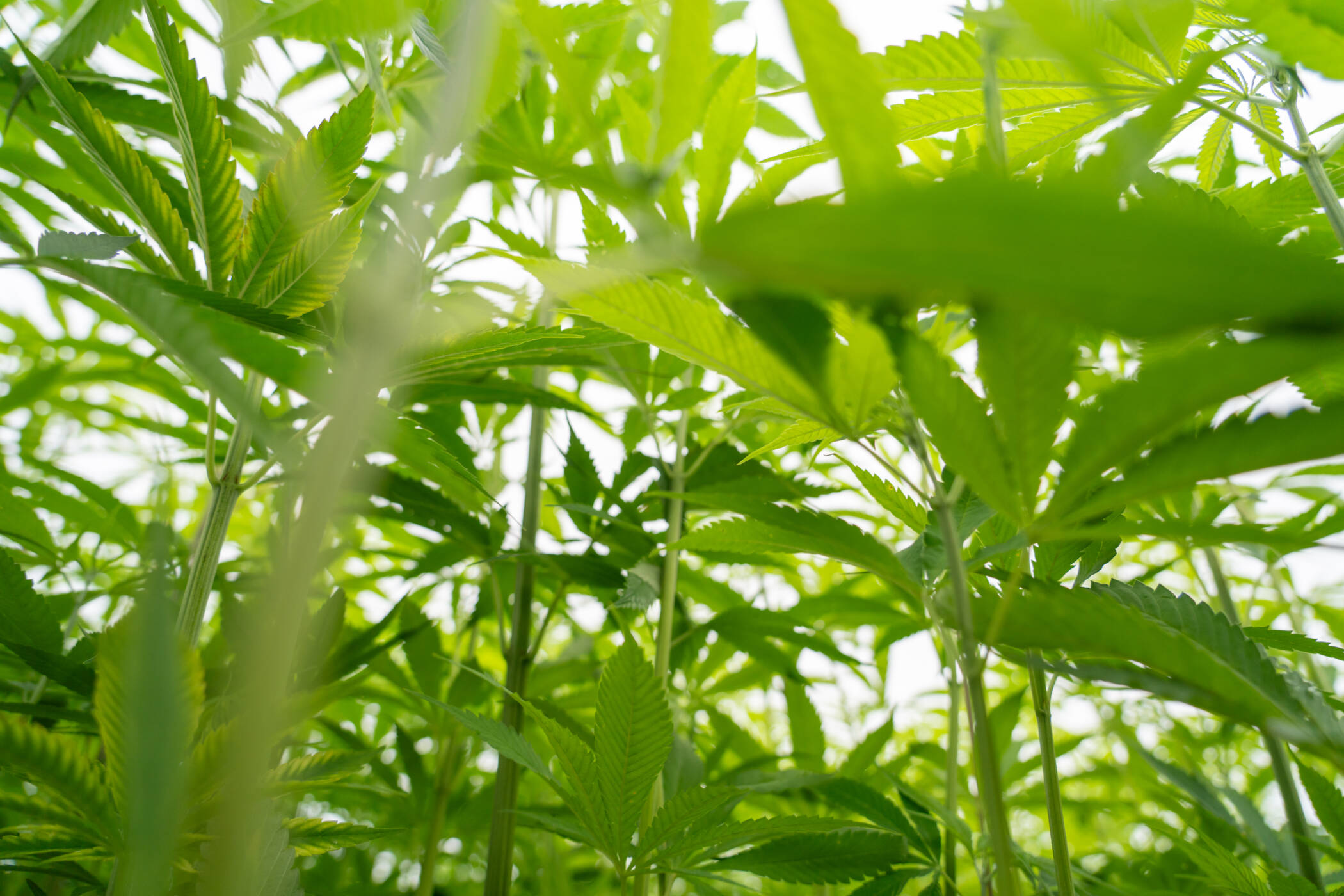
The rapid, vigorous growth of industrial hemp creates a dense, leafy canopy that successfully blocks sunlight from reaching the soil surface. This natural shading chokes out weed seeds before they can germinate.
Data from a 2016 to 2020 field study at the Rodale Institute confirmed that weed pressure decreased dramatically and subsequent crop yields—specifically for rotational grains like wheat and soybeans—increased when planted following a fiber hemp rotation.
Official Statements: Perspectives from the Field and Laboratory
The transition of hemp from an experimental plot to a mainstream agricultural commodity is championed by leaders who see its potential firsthand.
"The hemp research conducted at the Rodale Institute Pocono Organic Center has received global awareness for its reports on soil health, nitrogen management, cover cropping, and hemp’s weed suppression capabilities. The ongoing research collaboration validates the benefits of our regenerative organic practices and helps us pioneer new approaches that benefit the entire organic hemp industry."
— Ashley Walsh, President and Founder of Pocono Organics
Reflecting on her own personal healing journey and the medicinal potential of the plant, Walsh adds:
"After being diagnosed with gastroparesis (a paralyzed stomach) in my late twenties and turning to plant-based medicine, including CBD, I experienced the transformative power of this remarkable plant firsthand."
Echoing these sentiments, Clarenda “Farmer Cee” Stanley, winner of the 2025 Good Farmer Award US and founder of Green Heffa Farms, highlights the ecological synergy of the crop:
"Hemp is a powerful plant ally for me as a regenerative organic farmer because it enriches the soil, supports biodiversity, and thrives without heavy inputs. As part of Green Heffa Farms’ healing herbs and products, it carries those same benefits forward—offering plant medicine that is both restorative to the land and to the people who use it."
Discussing the mechanical viability of plant-based materials, Dr. Ronald Kander of Thomas Jefferson University notes:
"Our first generation of this material has been used in an injection molder to make bowls and cups, proving that high-performance, fossil-fuel-free bioplastics derived from agricultural byproducts are no longer theoretical—they are entirely achievable."
Future Outlook: Economic Projections and the Horizon of Regenerative Hemp
The economic trajectory of industrial hemp points toward explosive international growth. According to economic projections compiled by Fortune Business Insights, the global industrial hemp market is positioned to scale from an estimated valuation of over $11 billion in 2025 to nearly $48 billion by 2032.
For farmers seeking financial resilience, the crop offers high-value returns. Data included in the Rodale Institute’s landmark report, Growing Industrial Hemp as an Organic Cash Crop, demonstrates that growers cultivating hemp specifically for fiber can capture gross revenues of up to $1,220 per acre, while those focused on seed production can earn up to $550 per acre. When combined with CBD oil extraction and emerging markets for bioplastic composites, hemp represents a diversified income stream capable of stabilizing farm revenue against volatile commodity markets.
As institutional research continues to refine nitrogen application protocols, optimize planting densities, and prove the efficacy of hemp-based rotations, the agricultural sector stands on the precipice of a new era. By bridging ancient agronomic wisdom with modern molecular science and materials engineering, hemp is successfully reclaiming its historical place as a cornerstone of sustainable industry—healing contaminated soils, providing clean materials, and restoring economic vitality to regenerative farms across the globe.