Executive Overview
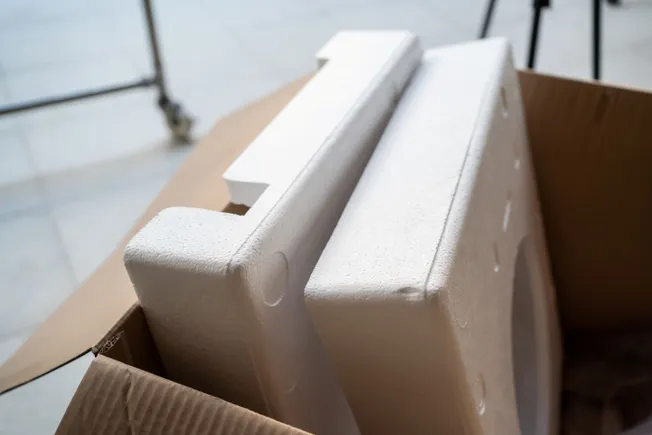
The landscape of sustainable packaging and circular economy initiatives in North America has reached a significant turning point. For the first time since the inception of its landmark "Problematic and Unnecessary Materials" list in 2022, the U.S. Plastics Pact (USPP) has officially removed a material category from its phase-out roster. Transport expanded polystyrene (EPS)—commonly utilized in commercial shipping, protective warehousing, and industrial logistics—has cleared the organization’s stringent circularity threshold, marking a major triumph for industry-wide collaboration, infrastructure scaling, and data-driven material assessment.
When the USPP originally debuted its list of 11 problematic or unnecessary plastic packaging items, the objective was clear: identify materials that were "not currently reusable, recyclable, or compostable at scale in the U.S." and establish a firm roadmap to eliminate or transition away from them by 2025. This aggressive timeline was designed to galvanize stakeholders across the entire plastics value chain—from resin producers and consumer goods conglomerates to recyclers and municipal waste handlers—to rethink packaging design and invest in recycling infrastructure.
However, the recent decision to remove transport EPS from the elimination list demonstrates that the USPP’s framework is not a static decree, but a dynamic, data-responsive system. Through targeted collection initiatives, the widespread deployment of industrial densifiers, and robust business-to-business (B2B) recovery networks, transport EPS has proven that systemic challenges can be overcome when value chain actors synchronize demand, collection, and end-market development.
This comprehensive report examines the background of the U.S. Plastics Pact’s elimination framework, the precise metrics and data shifts that facilitated the removal of transport EPS, the nuanced distinctions between material categories, and the broader implications for the future of sustainable plastics governance as the USPP prepares to finalize its ongoing comprehensive review.
Detailed Chronology: From 2022 Mandates to the 2024 Breakthrough
The Genesis of the Problematic Materials List (2022)
In 2022, the U.S. Plastics Pact introduced a transformative guidance document aimed at eliminating packaging formats that clogged recycling streams, contaminated sorting facilities, or lacked viable end markets. The initial inventory listed 11 specific plastic packaging formats flagged for phase-out by 2025. Among these was expanded polystyrene (EPS) in its entirety, which had long bedeviled municipal material recovery facilities (MRFs) due to its light weight, tendency to fracture into small fragments, and general incompatibility with single-stream residential curbside infrastructure.
From its inception, the list was conceptualized as a catalyst for sustainable design. The underlying philosophy was that if brands could not redesign a package to be demonstrably circular, they should eliminate it. The initiative forced corporations to audit their portfolios, seeking alternatives to hard-to-recycle polymers, unnecessary additives, and problematic formats.
The Evolution of Review and Sub-Categorization
As industries worked toward the 2025 targets, the USPP continuously evaluated incoming data, assessing whether emerging collection technologies or alternative processing methods could rescue certain materials from outright bans. Over the successive years, the list and the strategies surrounding its items evolved. Yet, despite ongoing dialogues and incremental design shifts across various packaging sectors, no items had ever been entirely removed from the phase-out list—until now.
The turning point for transport EPS came when industry groups—most notably the Polystyrene Recycling Alliance (PSRA)—presented granular, differentiated recycling data that separated transport EPS from other polystyrene applications, such as consumer food service containers and single-use packaging.
Historically, regulatory bodies and sustainability watchdogs lumped all polystyrene variants into a single, highly problematic category. By isolating transport EPS and analyzing its unique lifecycle, collection routes, and end markets, stakeholders demonstrated that transport EPS behaves fundamentally differently within the waste and recycling ecosystem than its consumer-facing counterparts.
Supporting Context & Metrics: The Mechanics Behind the Transport EPS Exemption
The successful defense and subsequent removal of transport EPS from the USPP problematic list were underpinned by rigorous empirical research and quantifiable infrastructure advancements.
Key Metrics and Recovery Data
According to an end-market study released by the Polystyrene Recycling Alliance (PSRA) this year, transport EPS currently achieves a 31% recycling rate across North America. While this figure may appear modest compared to rigid metals or high-density polyethylene (HDPE), it represents a formidable achievement for a bulky, low-density plastic material historically considered impossible to manage economically.
Key structural advantages driving this recovery rate include:
- Extensive B2B Infrastructure: Nationwide, there are currently more than 700 dedicated drop-off locations and robust business-to-business recovery systems specifically designed to handle transport EPS.
- Bypassing Residential Curbside Streams: Unlike consumer packaging that enters residential single-stream bins—where it routinely causes contamination by breaking down and clinging to paper and cardboard—transport EPS is predominantly recovered through commercial channels, distribution hubs, and dedicated drop-off networks. This segregation ensures a clean, homogenous material stream.
- Technological Integration: The concerted installation of EPS densifiers in major warehouses and distribution centers has drastically reduced the volume of the material at the source. Densifiers melt or compact the voluminous foam into dense blocks, drastically lowering transportation costs and making long-distance freight to recycling facilities economically viable.
The Decision Tree and Material Splitting
The USPP utilizes a sophisticated decision tree methodology to conduct circularity assessments. This evaluation process occasionally necessitates splitting broader material categories into more granular subsections based on their actual application, collection feasibility, and end-market dynamics.
For instance, during the 2024 review cycle, multimaterial films were similarly split between the elimination list and the evaluation list, depending on the specific product applications and the realistic potential for localized collection.
When applied to transport EPS, the USPP decision tree revealed that the material met the necessary thresholds for removal, provided it remains strictly defined as industrial or transport packaging. Crucially, this exemption does not apply to other types of polystyrene, such as food service packaging, disposable cups, or consumer-grade protective casing, which continue to face severe circularity hurdles and remain on the phase-out agenda.
Official Statements and Industry Perspectives
The milestone achievement has drawn widespread acclaim from sustainability leaders, who point to the transport EPS case study as a masterclass in cross-sector cooperation.
"The list is intended to be guidance in terms of identifying the formats that have the most obvious path to circularity and designing portfolios in a way which are going to create high quality PCR," explained a representative for the initiative. "So things will forever change because you can solve challenges on the design side, you can also solve challenges on the collection and end market side."
Industry experts emphasize that the removal of transport EPS was far from accidental; it was the direct result of synchronized efforts across the supply chain. Stakeholders did not wait for municipal governments to solve the collection crisis; instead, private enterprises invested in internal infrastructure, deployed densification technology, and actively cultivated end markets for Post-Consumer Recycled (PCR) polystyrene concurrently.
"Folks came together and implemented targeted strategic solutions, including making sure that they were developing the demand and the end markets for the PCR at the same time that they were driving collection," noted leadership during recent briefings. "We should pause to celebrate that, and also to see what learnings we can pull from that to apply to other areas."
Furthermore, the overarching lesson derived from this milestone is a call to action for other material sectors currently struggling with circularity mandates. Rather than postponing difficult decisions or viewing problematic materials as intractable problems, supply chain actors are urged to lean into complex challenges collaboratively.
"The lesson that’s important to learn here is not to shy away from challenges," industry representatives emphasized. "It’s not to kick the can down the road. It’s to come together and figure out what’s actually a challenge in this situation and how do we come together and solve that."
Future Outlook: The Ongoing Review and Next Steps for Sustainable Packaging
While the removal of transport EPS is a monumental victory for industrial packaging management, it represents just one piece of a much larger, ongoing puzzle. The U.S. Plastics Pact’s comprehensive review of its entire Problematic and Unnecessary Materials list remains active and dynamic.
Upcoming Milestones and Deadlines
- End-of-Year Review Completion: USPP leadership has established an aggressive timeline to finalize the broader review of the problematic materials roster by the end of the current calendar year.
- Formal Announcements: Stakeholders anticipate a series of major announcements detailing further adjustments, potential reclassifications, or the addition of newly identified problematic formats as packaging innovations and waste-stream data continue to evolve.
- Evaluation vs. Elimination Lists: Materials that fall onto the evaluation list will continue to be scrutinized. These are items where targeted interventions could potentially overcome current circularity roadblocks, or where premature elimination might trigger unintended environmental and supply chain consequences due to a lack of viable, sustainable alternatives.
Implications for Manufacturers and Retailers
For consumer goods companies, retailers, and packaging manufacturers, the transport EPS precedent offers both encouragement and a warning. On one hand, it proves that rigorous data collection, private-sector infrastructure investment, and proactive B2B recovery systems can rescue a material from the ban list. On the other hand, it reinforces the reality that standard consumer-facing materials lacking such rigorous tracking and dedicated collection will face uncompromising regulatory and pact-driven phase-outs.
As the 2025 targets loom closer, businesses operating within the North American packaging ecosystem must adopt the collaborative methodologies demonstrated by the transport EPS stakeholders. Success in the modern circular economy requires moving beyond passive compliance, demanding active participation in building the collection, densification, and recycling end markets necessary to ensure that sustainable packaging is not merely a theoretical ideal, but an operational reality.