Executive Overview
The River Tywi, one of Wales’ most ecologically vital and culturally cherished waterways, stands at a critical environmental crossroads. Flowing through the heart of Carmarthenshire, the river has long sustained a unique way of life, including the ancient, traditional practice of coracle fishing—a heritage passed down through generations. However, this deep-rooted tradition is now facing an existential threat.
In recent months, the alarm bells have been sounded by local communities, veteran anglers, environmental watchdogs, and politicians alike. Catastrophic drops in fish populations—particularly sewin (sea trout)—have left riversides quiet, with seasoned fishers reporting meager, near-zero catches at the close of the season.
At the center of this mounting crisis is a toxic mix of compounding environmental pressures: frequent raw sewage discharges from water utilities, industrial compliance concerns, agricultural runoff, and the aggravating impacts of climate change, characterized by prolonged dry spells and rising water temperatures.
While regulatory bodies insist they are taking rigorous enforcement action, and private companies pledge multi-million-pound infrastructure overhauls, local stakeholders argue that the response has been too slow and too fragmented. As public frustration boils over, the question remains whether decisive, cross-sector collaboration can rescue the Tywi before its rich ecological and cultural tapestry is lost forever.
Detailed Chronology of an Environmental Disgrace
The Disappearing Catch: A Living Tradition Nearing Its End
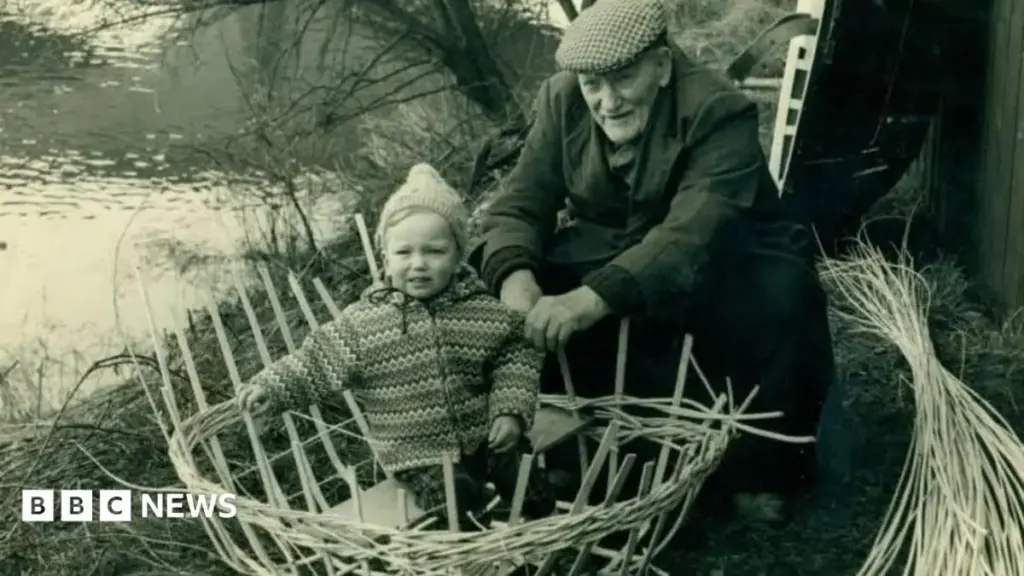
For Keith Elias, whose family has cast nets upon the Tywi for three centuries, the 2024 fishing season was more than just disappointing—it was a sobering glimpse into a vanishing world. Elias managed to land just a single fish the entire season.
"It’s been in my family for so long, I love carrying the tradition on, but it’s getting to the point where you get to the end of the season and you’re not hitting fish," Elias reflects, his voice heavy with the weight of generations past. "You just don’t want to go."
Coracle fishing on the Tywi is not merely a recreational pastime; it is a living link to prehistoric Wales, recognized internationally as a cultural cornerstone. Yet, the physical reality of the river tells a grim story. Where silver flashes of sewin once greeted the dawn, empty nets and unnaturally warm, sluggish waters now meet the handful of remaining fishers who refuse to let go of their heritage.
Spills, Foam, and Public Outrage
The deterioration of the Tywi has not happened in a vacuum. It mirrors a broader, systemic crisis affecting Welsh and British waterways. Last year, the nearby River Teifi was branded as one of the most polluted rivers in the United Kingdom, burdened by a staggering 2,232 sewage spills lasting a cumulative total of more than 22,000 hours in 2024 alone.
As public anxiety mounted regarding the health of regional waterways, local residents took matters into their own hands, documenting the river’s decline in real-time. Videos shared widely across online platforms captured alarming incidents of uncharacteristic foam, persistent foul odors, and stark water discolouration sweeping down the Tywi.
Citizens were quick to point fingers at local industrial operators, notably alleging that discharge events originated from the nearby electronics recycling facility, Mekatek. These visual logs of pollution served to galvanize local anger, transforming localized grievances into a regional environmental campaign demanding immediate accountability from both corporate entities and regulatory agencies.
Supporting Context & Metrics: Anatomy of a River Under Siege
Infrastructure Failures and Water Utility Accountability
At the heart of the Tywi’s pollution burden are the combined sewer overflows (CSOs) operated by Welsh Water (Dwr Cymru). These systems, designed to release excess rainwater mixed with raw sewage during heavy downpours to prevent backflow into homes, have increasingly become routine environmental polluters due to decades of underinvestment and changing weather patterns.
Under mounting public pressure, Welsh Water has outlined a substantial financial commitment. The company announced plans to invest £889 million specifically targeting storm overflows between the years 2025 and 2030. This capital injection includes six targeted infrastructure projects aimed squarely at mitigating the impact of urban and utility runoff on the Tywi catchment area.
However, utility executives are quick to contextualize the challenge, noting that fixing the water infrastructure alone will not solve the river’s ecological woes. "We are determined to play our part to improve river water quality on the Tywi, but this isn’t just an issue for water companies," a spokesperson for Welsh Water stated. "Collaboration is needed across sectors, including industry and agriculture, to ensure improvements."
Industrial Footprint and the Mekatek Defense
Industrial activity along the river corridor has also drawn intense scrutiny. Mekatek, an electronics recycling facility situated within the catchment zone, found itself at the center of public accusations following the viral circulation of foaming and discolored river water.
Operating under a formal discharge licence issued and monitored by Natural Resources Wales (NRW), Mekatek strongly rejected claims that its operations are driving the ecological decline of the river. The company expressed shared concern over the dwindling sewin populations, noting its deep roots in the local community.
"We have spent more than 40 years developing and improving our processes to ensure we are not a factor in that reduction," Mekatek stated in a defense of its environmental record. Extending an olive branch to skeptical residents and regulators, the company added: "Anyone wishing to understand what we do and how well we do it is more than welcome to arrange to visit the site and view our operations for themselves."
Climate Change and Natural Stressors
Compounding the man-made pressures of sewage and industrial discharge are the relentless forces of climate change. Huwel Manley, head of south-west operations for Natural Resources Wales, highlighted the compounding natural crises facing the waterway.
"Like many rivers, the Tywi faces a range of environmental pressures, including pollution, and is also impacted by the current dry weather conditions which are seeing an increase in the water temperature along with wider ecological challenges," Manley explained.
Prolonged periods of drought and high ambient temperatures severely deplete dissolved oxygen levels in rivers, making fish populations vastly more susceptible to chemical pollutants, disease, and physiological stress. These climatic realities mean that even baseline levels of pollutants that a healthy river might once have weathered are now proving fatal to vulnerable aquatic species.
Official Statements and Political Impasse
Parliamentary Demands for "Firmer Action"
The crisis on the Tywi has rapidly ascended from a localized environmental concern into a high-stakes political issue. Carmarthenshire MP Ann Davies has emerged as a vocal advocate for the river, demanding uncompromising oversight and punitive measures against habitual offenders.
"We need firmer action taken against those who constantly pollute the river," Davies asserted. However, as an active farmer herself, Davies maintained a balanced, systemic perspective on the crisis, pointing out that accountability must be shared across the entire rural and urban economy.
"Farmers have a responsibility to not pollute the river, along with people and businesses," Davies noted, emphasizing a philosophy of collective accountability. "We have a collective responsibility on what we buy, what we flush down the toilet." Her remarks underscore the uncomfortable truth that society’s everyday consumption habits and waste disposal practices are inextricably linked to the ecological collapse of rural waterways.
Regulatory Defense and Ongoing Investigations
Natural Resources Wales has faced significant criticism from angling associations and conservation groups for perceived sluggishness in prosecuting polluters. In response, NRW leadership has defended the agency’s vigilance, emphasizing that environmental crimes demand rigorous, evidence-based investigations that cannot be rushed.
"We take all reports of suspected pollution seriously," Manley stated. "We currently have a number of ongoing enforcement and compliance investigations within the Tywi catchment, including cases that are progressing towards court proceedings."
Meanwhile, the Welsh government has sought to parse public concern from verified scientific fact regarding recent high-profile pollution scares. A Welsh government spokesperson affirmed that the Tywi remains "one of Wales’ most important rivers, supporting internationally important habitats and species, local communities, recreation, and cultural traditions such as coracle fishing."
Addressing recent alarms regarding foam, pungent odors, and milky discolouration, the government clarified that investigations conducted by NRW concluded those specific impacts "were linked to natural environmental conditions"—such as decaying organic matter and algal blooms exacerbated by low flows and heat. However, the government acknowledged that NRW is actively investigating a separate, distinct potential source of pollution entering the river system. Because these active enforcement investigations remain underway, government officials declined to comment further, urging patience as legal procedures unfold.
Future Outlook: Can the River Be Saved?
The plight of the River Tywi is a microcosm of a broader environmental reckoning facing post-industrial, agricultural nations across the globe. Centuries of human habitation, economic enterprise, and modern convenience have extracted a heavy toll from natural ecosystems that possess finite carrying capacities.
For Keith Elias and the dwindling community of traditional coracle fishers, the clock is ticking. The implementation of Welsh Water’s £889 million infrastructure package between 2025 and 2030 represents a promising step toward mitigating urban sewage loads, but critics rightly point out that five years is a long time for an already crippled ecosystem to endure further degradation.
True recovery for the Tywi will require more than corporate public relations campaigns and piecemeal regulatory fines. It demands an uncompromising, integrated catchment-management strategy that binds water utilities, industrial recyclers, agricultural landowners, and everyday citizens into a unified pact of stewardship.
Unless these disparate sectors can transcend finger-pointing and commit to absolute ecological transparency, the mists rising off the Tywi at dawn will soon conceal a hollow ghost of a river—one where ancient traditions like coracle fishing are relegated to history books, silenced by a legacy of neglect.