Executive Overview
The intersection of marine science, commercial fisheries, and environmental policy has reached a critical juncture. Recent findings across diverse aquatic ecosystems—ranging from the ancient evolutionary adaptations of marine mammals to the micro-level physiological transformations induced by heavy industrial and fishing pressures—highlight an oceansphere under profound stress. As global temperatures rise, habitats degrade, and regulatory frameworks struggle to keep pace with industrial extraction, scientists, policymakers, and grassroots conservationists are racing to understand and mitigate anthropogenic damage.
This week’s developments encompass a broad spectrum of marine and freshwater issues. Evolutionary biologists have pinpointed the timeline of amphibious hearing in seals, offering clues into how ancient mammals adapted to dual environments. Meanwhile, ecological studies on fish populations in geothermal pools and the migratory responses of juvenile great white sharks provide new insights into how aquatic life copes with thermal stress and extreme weather. Conversely, intensive commercial fishing continues to exact a heavy toll, triggering molecular shifts in pearly razorfish and driving iconic species like the Brazilian tambuqui toward threatened status.
At the policy level, new agreements aimed at safeguarding the rights and safety of Indonesian fishing crews mark a step forward in social sustainability, even as contentious debates persist over North Sea oil extraction in the United Kingdom and the treatment of scientific institutions globally. From the vanishing guitarfish of Ghana to the accumulation of long-lasting synthetic pollutants in aging dolphins, the health of our blue planet requires urgent, coordinated international intervention. This comprehensive report explores the latest scientific discoveries, regulatory battles, and conservation initiatives shaping the future of our waters.
Detailed Chronology & Key Developments
Scientific Breakthroughs: Evolution, Adaptation, and Behavioral Resilience
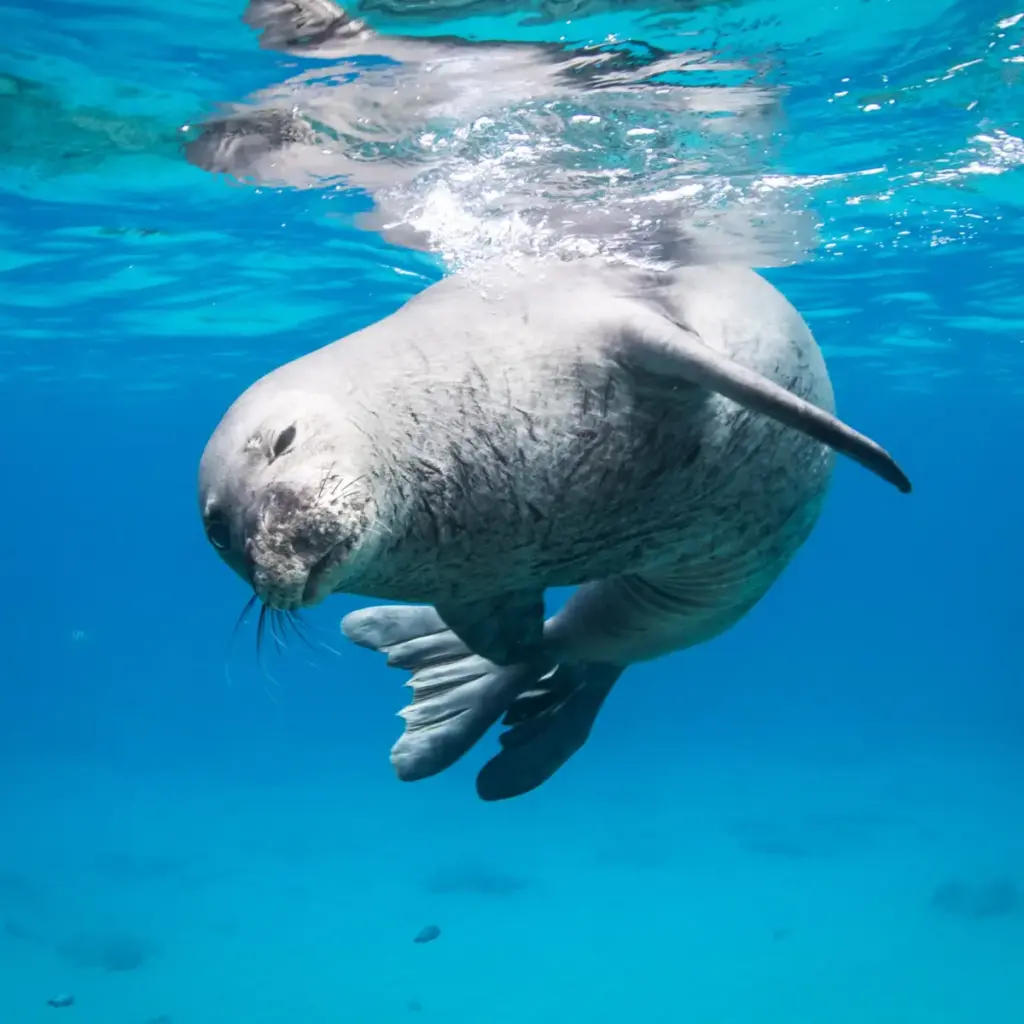
Recent paleobiological research has shed light on the evolutionary history of pinnipeds. Studies indicate that seals developed the capacity to hear efficiently in both aquatic and terrestrial environments approximately 26 million years ago. This vital dual-hearing adaptation allowed ancestral seals to navigate terrestrial rookeries while maintaining precise acoustic tracking capabilities underwater, setting the evolutionary foundation for modern amphibious marine mammals.
In the realm of contemporary climate adaptation, researchers investigating fish populations in Iceland’s naturally heated geothermal pools compared them to counterparts residing in cooler waters. The findings reveal that prolonged exposure to elevated temperatures induces lasting trait changes. These physiological shifts may bolster the capacity of certain species to cope with ongoing oceanic warming, offering a glimmer of hope for thermal resilience in a changing climate.
Behavioral tracking data has further illuminated how apex predators respond to sudden environmental shocks. Juvenile great white sharks have been observed mounting rapid responses to extreme weather events. When storm-driven cooling alters coastal ocean conditions, these young sharks abandon their traditional nursery areas, demonstrating a high degree of behavioral plasticity in the face of meteorological volatility.
Fisheries and Socio-Economic Pressures
Commercial fisheries remain a primary driver of aquatic ecosystem disruption. Scientists have discovered that heavy fishing pressure is instigating molecular-level changes in pearly razorfish populations, signaling that selective extraction is altering the genetic and biological makeup of targeted species far beyond mere population depletion.
In South America, Brazil’s official reclassification of the tambuqui—a keystone freshwater fish species native to the Amazon basin—as threatened has sent shockwaves through local fishing communities. The designation has galvanized fishers and conservation groups alike to forge practical, community-led management strategies to prevent the collapse of the fishery.
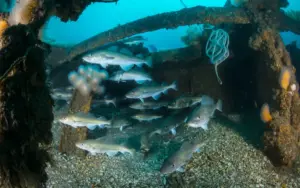
Meanwhile, regulatory authorities in Europe are grappling with demersal stock management. Public consultations have officially opened regarding draft fisheries management plans for the Irish Sea, inviting stakeholders to weigh in on quota allocations and seabed protection measures designed to halt the decline of bottom-dwelling species.
On the human rights front, labor conditions in Southeast Asia’s fishing sector are seeing long-overdue reforms. A landmark agreement finalized in Indonesia promises significantly safer conditions for the nation’s vast workforce of fishing crews. The treaty champions safer workplaces, fairer remuneration, and enforceable labor standards, addressing decades of systemic exploitation at sea.
Marine Protection, Biodiversity, and Regional Crises
Wildlife conservation frameworks face mounting legislative challenges. In Canada, conservationists have raised alarms over planned updates to Ontario’s endangered species legislation. Critics argue that the proposed regulatory modifications will weaken legal safeguards for vulnerable wildlife, undermining decades of biodiversity preservation efforts.
In international trade and conservation, researchers are drawing attention to a frequently overlooked black market: the global trade in sawfish teeth. With all sawfish species facing critical extinction risks due to bycatch and habitat loss, the unregulated trade in rostral teeth for curios and traditional items poses an insidious, compounding threat that demands immediate inclusion in international trade restriction frameworks.
Atlantic salmon stocks are facing a parallel crisis. A comprehensive review by the International Council for the Exploration of the Sea (ICES) underscores a persistent, alarming decline in salmon numbers across their native range. The report highlights the urgent necessity of restoring freshwater river connectivity, curbing illegal fishing, and mitigating the impacts of river warming.
In West Africa, dedicated conservationists in Ghana are spearheading intensive efforts to pull local guitarfish populations back from the brink of extinction. By merging rigorous ecological fieldwork with grassroots community education, these initiatives aim to protect vital shark and ray species from unsustainable coastal gillnetting.
Chemical pollution continues to plague top marine predators. A recent toxicology study revealed that persistent per- and polyfluoroalkyl substances (PFAS)—notoriously known as "forever chemicals"—accumulate progressively in dolphins as they age. This bioaccumulation raises serious concerns regarding the long-term immunological and reproductive health of marine mammals.
Freshwater ecosystems are similarly imperiled. Severe heatwaves across France have drastically reduced river flows, leaving freshwater fish populations squeezed into warmer, shallower waters. These low-oxygen, high-temperature refuges are pushing vulnerable species to their physiological limits, necessitating emergency rescue and conservation interventions. In the United Kingdom, environmental authorities are ramping up measures to safeguard vulnerable seahorse populations, focusing on strict habitat protection and the mitigation of coastal degradation.
Supporting Context & Metrics
The challenges facing global marine and freshwater systems are underpinned by complex environmental datasets and socioeconomic realities:
- Thermal Stress: Global sea surface temperatures have maintained record highs, directly impacting the metabolic rates and oxygen absorption capacities of both marine and freshwater fauna. Studies on geothermal fish populations suggest that while some species exhibit phenotypic plasticity, the rate of anthropogenic warming far outpaces natural evolutionary adaptation.
- Chemical Contamination: The detection of high concentrations of forever chemicals in aging marine mammals highlights the pervasive nature of industrial pollutants. Because these compounds do not break down naturally, they biomagnify through the marine food web, posing systemic risks to long-lived predators like dolphins, killer whales, and sharks.
- Fisheries Depletion: According to international fisheries bodies, over one-third of global marine fish stocks are currently fished at biologically unsustainable levels. The molecular shifts observed in pearly razorfish and the severe stock declines noted in ICES Atlantic salmon reports indicate that overfishing is driving micro-evolutionary changes, selecting for smaller, faster-maturing individuals at the expense of stock resilience.
- Habitat Degradation: Freshwater habitats, particularly ponds and rivers, continue to suffer from the compounding pressures of intensive agriculture, urban sprawl, and poor water management. In the UK, conservationists stress that freshwater havens require dedicated legislative frameworks to reverse decades of neglect and pollution.
Official Statements and Policy Responses
The socio-political landscape surrounding environmental governance is characterized by tension between economic imperatives and ecological realities.
In the United Kingdom, newly appointed Prime Minister Andy Burnham addressed the contentious issue of domestic energy policy, stating that the nation "cannot ignore" the ongoing economic and strategic realities of North Sea oil extraction. This pragmatic stance has reignited debates among climate advocates who demand a rapid, uncompromised transition away from fossil fuels to meet national net-zero commitments.
Meanwhile, international scientific bodies have expressed deep concern over political interference in research institutions. Growing friction regarding the treatment of scientists under various administrations—highlighted by recent controversies in the United States—has underscored the fragility of evidence-based policymaking in an era of heightened political polarization.
Conservation agencies are pushing back against legislative rollbacks. Environmental watchdogs in North America have formally challenged provincial plans to alter endangered species protections, warning that administrative streamlining must not come at the expense of ecological integrity. Conversely, proactive regulatory steps—such as the Marine Management Organisation (MMO) enhancing protections for British seahorse habitats and the Indonesian government ratifying safety treaties for maritime workers—demonstrate that targeted policy interventions can yield tangible improvements for both ecosystems and human communities.
Future Outlook
As the global community looks toward the remainder of the decade, the trajectory of marine and freshwater conservation will depend heavily on the enforcement of binding international treaties, proactive habitat restoration, and the integration of climate-resilience strategies into fisheries management.
Key areas of focus for the coming months include:
- Strengthening Trade Regulations: Expanding the scope of CITES (Convention on International Trade in Endangered Species) to clamp down on overlooked wildlife product markets, such as the sawfish teeth trade.
- Climate-Resilient Fisheries: Transitioning from static quota systems to dynamic, climate-responsive fisheries management models that account for rapid ocean warming and sudden environmental shocks.
- Chemical Pollution Mitigation: Accelerating global phase-outs of persistent synthetic chemicals like PFAS to prevent further bioaccumulation in long-lived marine apex predators.
- Community-Led Conservation: Amplifying local voices in environmental decision-making, exemplified by upcoming initiatives such as Open Communications for the Ocean’s webinar on the "Community Voice Method" scheduled for late September.
Ultimately, safeguarding the blue planet requires bridging the gap between rigorous scientific research and decisive political action. Without immediate, systemic shifts in how we extract resources, manage pollution, and respond to climate change, the resilience of marine and freshwater ecosystems will be pushed past the point of no return.