GOTHIC, Colo. — High in the rugged alpine terrain of the Rocky Mountains, a unique spectacle of survival and science is unfolding. Researchers stationed in the remote mountain enclave of Gothic, Colorado, are preparing to launch an online public engagement campaign known as "Fat Marmot Week." Beginning this Monday, the internet will be invited to cast votes for their favorite rotund rodents in a lighthearted contest designed to draw global attention to serious ecological research.
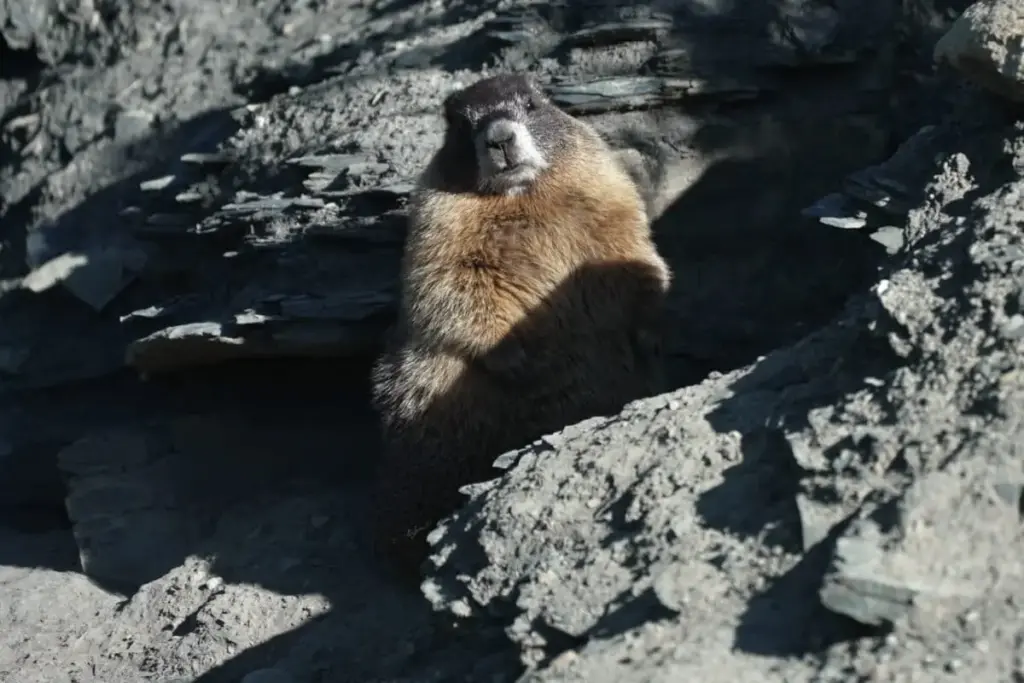
However, behind the viral potential of heavy, furry herbivores lies a sobering reality. The yellow-bellied marmots (Marmota flaviventris) starring in this year’s contest have endured a harrowing year. Climate change, shifting weather patterns, and dangerously low winter snowpacks have transformed the high-altitude meadows into a precarious testing ground for survival.
Executive Overview
The upcoming "Fat Marmot Week" is more than just a seasonal social media phenomenon inspired by iconic conservation successes like Alaska’s "Fat Bear Week." It is a vital outreach initiative spearheaded by field biologists tracking the cascading effects of a warming planet on alpine ecosystems.
Last winter dealt a severe blow to the local marmot population. Due to a deficiency in snowfall, underground burrows lacked the vital insulation normally provided by deep snowpack. Exposed to extreme, unbuffered sub-zero temperatures, many marmots froze to death during their deep hibernation.
Yet, resilience defines the survivors. Those that emerged from their icy tombs have spent the fleeting alpine summer feasting on lush mountain vegetation. Having successfully bulked up, these survivors have achieved the critical mass required to endure the upcoming winter. To celebrate their hard-won recovery and highlight decades of continuous field research, scientists are opening the colony’s private lives to the public through an interactive digital vote.
Detailed Chronology: A Year in the Life of Gothic’s Marmots
To understand the stakes of Fat Marmot Week, one must examine the grueling lifecycle of the yellow-bellied marmot, a social, groundhog-like rodent that spends up to eight months of the year underground in total hibernation.

Spring Emergence and the Winter Tragedies
As the snow begins to recede from the Gothic valley in late spring, surviving marmots break out of their winter torpor. For the population residing in the upper Colorado Rockies, the spring of the past year was marked by grim discoveries. Field researchers monitoring the colony noted an abnormal reduction in numbers.
The culprit was not a lack of stored body fat from the previous autumn, but rather the physics of snow. In high-altitude environments, a deep blanket of snow acts as a thermal blanket, keeping subterranean burrows hovering safely near freezing temperatures (32°F / 0°C). Last winter’s meager snowfall failed to provide this crucial insulation. As Arctic-like winds swept across the unprotected ground, the ambient temperature inside many burrows plummeted, resulting in a high mortality rate from hypothermia and freezing.
The Summer Feeding Frenzy
For the individuals that weathered the sub-zero winter, the summer months became an aggressive race against time and biology. Alpine summers in Gothic are notoriously short, leaving only a brief window—typically from May to September—for the animals to eat, mate, and rebuild their depleted fat reserves.
Throughout June, July, and August, the surviving marmots engaged in hyperphagia, a period of excessive eating. Grazing voraciously on wildflowers, grasses, and seeds, the rodents rapidly accumulated the massive fat stores necessary to survive another potential winter of deep slumber. By August, researchers capturing and weighing the animals found them robust, healthy, and tipping the scales well above average—setting the stage perfectly for the upcoming competition.
The Launch of Fat Marmot Week
Recognizing that public affection is a powerful gateway to ecological literacy, researchers decided to channel the internet’s love for chunky wildlife into education. Beginning Monday, the digital campaign goes live, showcasing individual marmots—complete with unique tracking identifiers and personal histories—allowing voters worldwide to crown the reigning heavyweight champion of Gothic.
Supporting Context & Metrics: The Science of Survival
The research taking place in Gothic is not conducted in a vacuum. The long-term marmot study based here is one of the longest-running continuous investigations of a wild mammal population in North America, offering critical insights into how climate change is reshaping alpine biodiversity.

The Role of Snowpack in Alpine Ecosystems
Climate scientists have long warned that rising global temperatures will disrupt seasonal snowpacks. For high-altitude ecosystems, the consequences extend far beyond winter recreation or municipal water supplies.
- Thermal Insulation: Snow is an effective insulator due to the trapped air pockets within its crystalline structure. A snowpack depth of one meter can keep subnivean (under-snow) temperatures stable, protecting hibernating mammals from lethal air temperatures.
- Energy Conservation: When burrows are adequately insulated, a marmot’s metabolic rate drops significantly, and its heart rate slows to just a few beats per minute. Without this thermal barrier, the animal’s body is forced to burn precious metabolic energy simply to maintain core body temperatures, exhausting its fat reserves before spring arrives.
Field Research and Data Collection
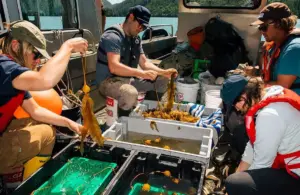
During peak summer months, field stations in Gothic become a hub of intense scientific activity. Under the guidance of principal investigators and graduate researchers—such as doctoral student Katie Adler of the University of California, Los Angeles (UCLA)—teams work daily to monitor the health of the colony.
Undergraduate students, including Columbia University student Isabel Norman, gain hands-on field experience learning how to safely capture, weigh, swab, and document individual marmots. These meticulous metrics allow scientists to track body condition scores, genetic lineages, disease prevalence, and physiological responses to shifting climate variables across decades.
Official Statements and Perspectives from the Field
The integration of rigorous science with public-facing events like Fat Marmot Week reflects a modern shift in how researchers communicate conservation challenges.
"We spend months out here collecting data, tracking every gram gained and lost, and watching how these incredible animals navigate an increasingly volatile climate," noted a field researcher involved with the Gothic project. "Fat Marmot Week gives us an opportunity to share that window into their world with the public. When people fall in love with an individual marmot like ‘Marmot 9,’ they start caring about the broader ecosystem, the snowpack, and the climate trends that dictate whether these animals live or die."
Academics emphasize that while the contest is undeniably entertaining, its underlying message is deeply serious. The survival of the yellow-bellied marmot serves as an environmental bellwether for the southern Rocky Mountains.

"The adaptability of these rodents is astounding," shared a project coordinator. "They survived a brutal winter that caught many off guard. But there is a ecological threshold. If winter conditions continue to trend toward low snowpacks and extreme freeze events, natural selection will push these populations to their absolute limits."
Future Outlook: What Lies Ahead for Gothic’s Marmots?
As Fat Marmot Week officially kicks off, the immediate focus will be on the digital ballot boxes and the playful rivalry between competing contenders sunning themselves on Gothic’s rocky outcrops. However, the long-term outlook for the colony remains tied to global climate trajectories.
Researchers plan to utilize the media attention generated by the contest to advocate for broader climate resilience strategies and secure sustained funding for long-term ecological monitoring. Understanding how certain marmots manage to survive suboptimal hibernation conditions could also unlock broader physiological secrets regarding mammalian torpor and metabolic regulation.
For now, the focus in Gothic remains grounded in the present. The marmots have done their part—grazing on alpine meadows, packing on the pounds, and preparing for the inevitable descent into their underground chambers. Whether the coming winter will grant them the insulating snowpack they desperately need remains unknown, but for one week, the world will be watching, weighing in, and celebrating the resilient spirits of the Colorado Rockies.