Executive Overview
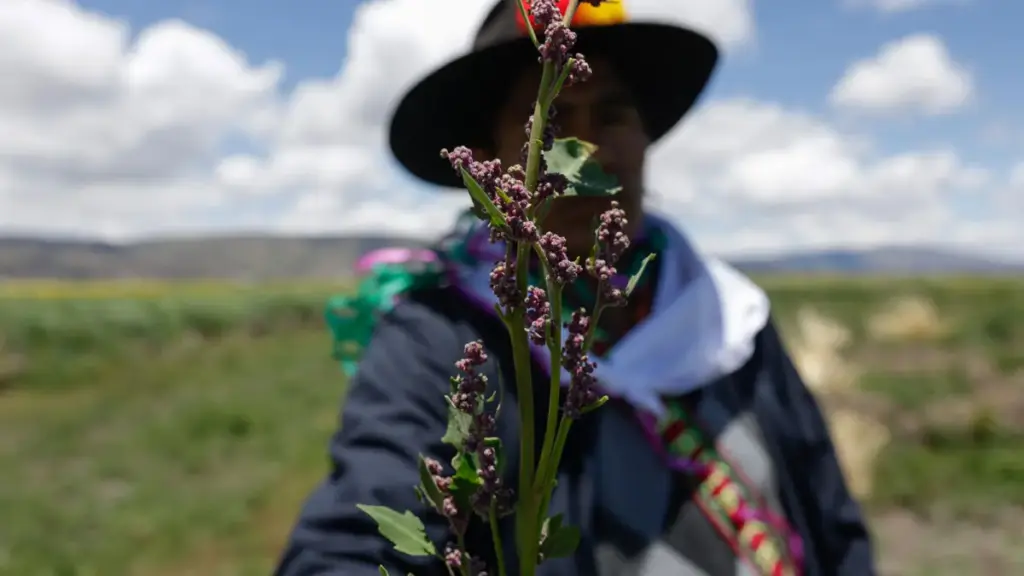
Across the sun-baked plains of northeast Tanzania, the expansive rangelands of Chad, and the sweeping steppes of Mongolia, an ancient way of life is facing an unprecedented existential reckoning. Pastoralism—a resilient, highly mobile tradition sustained by roughly 500 million people worldwide—is buckling under the combined pressures of accelerating climate change, land degradation, and systemic policy neglect.
For communities like the Maasai in Tanzania and the Mbororo in Chad, livestock is far more than a source of sustenance or an economic asset; it is the physical embodiment of cultural heritage, social standing, and communal identity. Yet, relentless droughts, creeping desertification, and the encroachment of industrial activities, tourism, and invasive species are forcing these time-honored stewards of the land to make agonizing compromises. Herds of cattle, once the universal yardstick of wealth and status, are dying off, driving families to trade down to hardier, yet culturally and financially inferior, livestock like goats.
This unfolding crisis has brought hundreds of Indigenous pastoralists to Ulaanbaatar, Mongolia, for the 17th session of the United Nations Convention to Combat Desertification (UNCCD). Marking a historic milestone, the gathering features the conference’s first-ever formal Indigenous caucus. However, even as global superpowers face their own unprecedented droughts—from Spain and France to Sweden—desertification continues to be treated as a secondary environmental crisis compared to mainstream climate change and biodiversity loss.
At the UNCCD, pastoralist leaders are issuing a unified, urgent demand: stop treating rangelands as marginal wastelands and stop viewing Indigenous communities as obstacles to development. Instead, the global community must recognize that centuries of generational survival on fragile ecosystems hold the masterclasses needed for a hotter, drier world. True climate adaptation, experts argue, cannot happen without legally protected land rights, guaranteed mobility, and the active inclusion of Indigenous voices at every level of international policy.
Detailed Chronology: From the Earth Summit to the Steppes of Mongolia
To understand the systemic marginalization of pastoralists today, one must trace the institutional architecture built over three decades ago.
1992: The Three-Pillar Divide
At the historic United Nations Earth Summit in Rio de Janeiro, Brazil, world leaders formally identified three interconnected planetary crises: climate change, biodiversity loss, and desertification. To combat them, the international community established three distinct global conventions:
- The UN Framework Convention on Climate Change (UNFCCC)
- The Convention on Biological Diversity (CBD)
- The United Nations Convention to Combat Desertification (UNCCD)
While this framework theoretically addressed the interconnectedness of Earth’s life-support systems, funding and political gravity fractured immediately. In the decades that followed, trillions of dollars flowed heavily toward climate mitigation and biodiversity conservation. Desertification, conversely, was largely sidelined, dismissed by wealthy industrialized nations as a localized, developing-world problem tied to poor land management rather than a systemic planetary emergency.
The Turning Point: History Catches Up with the Global North
For years, the impacts of desertification and severe drought were concentrated in the Global South—ravaging the Sahel, East Africa, and Central Asia. However, the unchecked acceleration of global heating has erased geographic boundaries.
Over the past several years, nations traditionally insulated from chronic water scarcity—including Spain, France, and Sweden—have suffered crippling, historic droughts. This stark reality check has forced wealthy nations to pay closer attention to land degradation, yet a glaring disparity remains. Political will and financial capital continue to favor traditional climate mitigation projects over combating land desertification, leaving the world’s rangelands chronically underfunded.
The UNCCD in Mongolia: A Historic Yet Contentious Gathering
Designated as part of the United Nations’ International Year of Rangelands and Pastoralists, the 17th meeting of the UNCCD in Mongolia represents a watershed moment. Described by advocates as "unique, historic, and particular," the conference marks the debut of a formal Indigenous caucus—a structural feature conspicuously absent from major climate (COP) and biodiversity summits.
Despite this institutional breakthrough, the road to inclusion has been fraught with tension. During the opening week of the conference, Indigenous delegates—led by prominent advocates—staged protests to demand full participation rights and the formal codification of the caucus’s functions. The friction underscores a deep-seated institutional resistance: while global bodies invite Indigenous leaders to speak, structural barriers continue to limit their ability to co-create binding global policies.
Supporting Context & Metrics: The Crisis on the Ground
The numbers underlying the pastoralist crisis paint a grim picture of ecological collapse intersecting with socioeconomic vulnerability.
The Scale of Rangelands and Degradation
- Global Footprint: Rangelands make up roughly 50 percent of the Earth’s total landmass. They sustain hundreds of millions of people across diverse geographies, stretching from Tanzania and Sudan to Nepal and Mongolia.
- The Pace of Desertification: Desertification is currently occurring at 30 to 35 times the historical average. This staggering acceleration threatens even the most naturally resilient ecosystems and the traditional pastoral management systems that sustained them for centuries.
- Accelerating Frontiers: On-the-ground impacts are advancing at alarming speeds. In Chad, for instance, the desert is advancing by 2 kilometers (approximately 1.2 miles) every single year, pushing human and animal populations into increasingly compressed, marginal zones.
- Demographic Stakes: In nations like Mongolia, roughly one-third of the entire population practices pastoral lifestyles. Yet, despite their deep ecological footprint, these populations are frequently excluded from high-level national and international climate discussions.
The Cultural and Economic Toll on the Maasai
In northeast Tanzania, Andrew Msami’s community illustrates the deep human cost of these macro-level statistics. Among the Maasai, cattle are the definitive currency of identity and survival. Social standing is calculated by herd size, and personal wealth is traditionally held in livestock rather than volatile banking institutions.
However, successive years of devastating droughts have disrupted this economic model. Msami and countless other pastoralists have been forced into desperate liquidations: selling off valuable cattle and replacing them with goats. While goats possess superior drought tolerance, they represent a fraction of the financial and cultural capital carried by cattle.
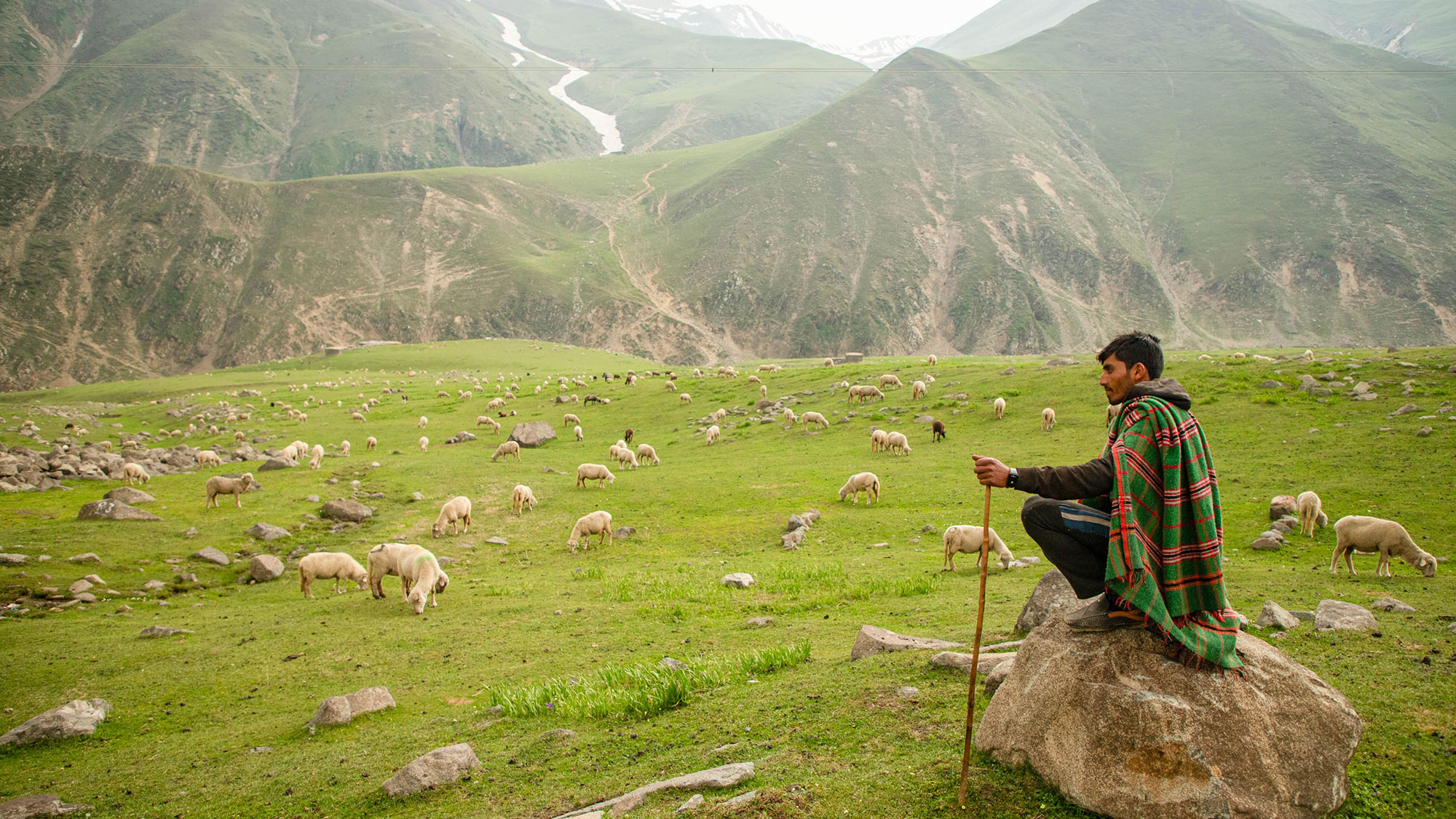
"We have to adapt because it’s like desertification is attacking our identity," Msami noted in an interview with Grist. "If you lose your identity, it means you have lost everything."
Official Statements & Expert Perspectives
The dialogue in Mongolia has elevated voices from the front lines of climate change, emphasizing that Indigenous knowledge systems, while vital, are hitting their physical limits against systemic ecological collapse.
Andrew Msami: Defending Human Dignity in Conservation
Msami, serving as the program lead for the Pastoralists Indigenous Non-Governmental Organizations Forum (PINGOs Forum)—a network representing over 50 pastoralist organizations in Tanzania—argues that international climate interventions often hyper-focus on the dirt while ignoring the humans living on it.
"We want to give the world a message that it’s not only the land that you will have to really look at. But you look at the people in that land, and maybe their lives should not be disturbed or sacrificed for the development of the world."
Msami’s warning targets a dangerous trend: conservation and green-energy initiatives (such as industrial-scale renewable projects, protected parks, and carbon-offset schemes) frequently result in "green grabbing," where pastoralists are forcibly displaced from their ancestral rangelands under the guise of environmental protection.
Hindou Oumarou Ibrahim: The Limits of Traditional Knowledge
Hindou Oumarou Ibrahim, a leader of the Mbororo people in Chad and the inaugural chair of the UNCCD Indigenous peoples caucus, emphasized that ancient wisdom alone can no longer hold back the desert.
"We have the land degradation very, very fast, and of course we use our knowledge to try to restore the land. We try to fix it, but it is still there."
Ibrahim points out that while the International Year of Rangelands and Pastoralists has successfully raised global awareness regarding the climate contributions of pastoral communities, the political appetite to dismantle structural barriers remains weak. Governments continue to implement top-down adaptation strategies—such as forcefully restricting herd sizes and banning traditional nomadic migration routes—despite overwhelming scientific consensus that pastoralism actually enhances biodiversity and creates resilient landscapes.
Solange Bandiaky-Badji: The Inseparability of Land Rights and Climate Resilience
Solange Bandiaky-Badji, coordinator and president of the Rights and Resources Initiative—a global coalition of over 200 organizations focused on land rights—argues that technical climate solutions are useless without foundational legal protections.
"Securing land and mobility rights is not separate from climate adaptation. It is a fundamental part of building resilience."
Bandiaky-Badji stresses that the principle of Free, Prior, and Informed Consent (FPIC)—which guarantees Indigenous peoples the right to give or withhold consent for projects affecting their lands and waters—is routinely ignored by governments and corporations. Because pastoralists are inherently mobile, their customary land rights are frequently omitted from national cadasters, locking them out of legal frameworks and resource distribution networks.
Future Outlook: A Call for Systemic Reform
As the UNCCD conference concludes its sessions in Mongolia, the path forward requires a radical overhaul of how global environmental governance approaches land, climate, and human rights.
Experts and Indigenous leaders agree on several non-negotiable imperatives for the future:
- Cross-Sectoral Integration: Desertification, biodiversity loss, and climate change can no longer be treated in professional or institutional silos. As Bandiaky-Badji observed, these crises are fundamentally interconnected. Unless future climate (UNFCCC) and biodiversity (CBD) COPs adopt the UNCCD’s model of active Indigenous inclusion, systemic failures will persist.
- Legal Recognition of Mobility and Land Tenure: Governments must abandon outdated colonial policies that view pastoral mobility as a driver of land degradation. Granting secure collective land titles and protecting traditional migration corridors are essential scientific and social prerequisites for climate adaptation.
- Direct Climate Finance for Pastoralists: Trillions of dollars in climate finance must bypass bureaucratic international intermediaries and reach Indigenous-led rangeland management initiatives directly. These funds must support community-led restoration, water security, and veterinary resources.
- Enforcement of Indigenous Rights: The enforcement of FPIC must become mandatory across all international development, conservation, and extractive projects. Indigenous pastoralists must be seated at the negotiating table as equal partners, not treated as collateral damage in the global pursuit of green transition minerals and industrial expansion.
Ultimately, the survival of pastoralist communities like the Maasai and the Mbororo is a bellwether for the rest of the planet. If the world fails to protect the people who have successfully managed drylands for generations, humanity risks losing not only half the Earth’s terrestrial ecosystems, but the living blueprints for how to survive on a hotter, harsher Earth.