Executive Overview
The paradigm of modern travel is undergoing a profound transformation. Where itineraries were once dictated by ticking off monumental landmarks and securing reservations at high-end, closed-door establishments, today’s globetrotters are writing a different playbook. At the heart of this shift is a complete reimagining of the culinary experience. Travelers are no longer just searching for exceptional food; they are actively seeking dining environments that bridge the gap between gastronomy, environmental stewardship, and community immersion.
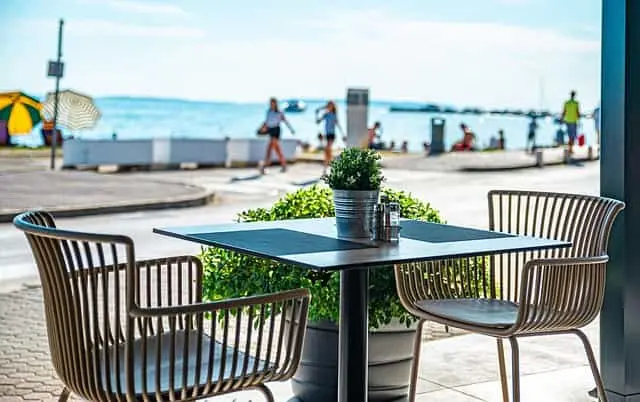
Across the globe, open-air restaurants, rooftop farm-to-table terraces, and lush garden cafés have emerged as the crown jewels of the sustainable tourism movement. This is not merely a passing aesthetic trend born from post-pandemic preferences for open-air spaces; it is a structural evolution in how humans experience destinations. Dining has escalated to the apex of travel planning, with a growing cohort of tourists researching restaurants before finalizing their flights or accommodations.
By combining sensory immersion, reduced energy footprints, localized supply chains, and a slower pace of exploration, outdoor dining spaces are rewriting the rules of hospitality. They invite travelers to step away from densely packed, energy-intensive indoor dining rooms and step directly into the biological and cultural ecosystem of their destination. As the tourism industry grapples with the imperatives of climate change and overtourism, the al fresco dining revolution offers a blueprint for how travelers can nourish themselves while treading lightly on the earth.
Detailed Chronology: The Rise of Open-Air Gastronomy in Modern Tourism
To understand how outdoor dining became a cornerstone of sustainable travel, one must trace its journey from a seasonal luxury to a year-round, strategic imperative for global tourism.
Phase 1: The Pre-Pandemic Shift Toward Biophilia (2015–2019)
Long before global health crises forced the world outdoors, urban planners and forward-thinking restaurateurs began recognizing the psychological and ecological limits of sealed, air-conditioned indoor spaces. The concept of biophilia—humanity’s innate affinity for the natural world—began infiltrating architectural and culinary designs. Urban dwellers and travelers alike grew weary of sterile, concrete environments.
During this period, early adopters in cities like Portland, Melbourne, and Copenhagen began experimenting with rooftop gardens, courtyard dining, and street-side seating that prioritized natural airflow and living flora. Travel bloggers and eco-conscious tourists started championing these hidden urban oases, noting that meals enjoyed under open skies or among greenery offered a restorative counter-balance to the sensory overload of modern travel.
Phase 2: The Catalyst of Global Adaptation (2020–2022)
The early 2020s served as an unprecedented stress-test for the global hospitality industry. Amid stringent health and safety protocols, indoor dining restrictions catalyzed an overnight revolution in streetscapes and outdoor spaces. Cities worldwide relaxed zoning laws, transforming parking spaces, sidewalks, and alleyways into vibrant open-air dining hubs ("parklets").
What began as a matter of economic survival quickly revealed deeper cultural and psychological benefits. Diners discovered that eating outdoors fundamentally altered the dining experience. It encouraged lingering, fostered a stronger connection to the immediate street life and neighborhood vibe, and dramatically reduced the enclosed, high-energy-consumption footprint of traditional restaurants. Travelers began actively filtering their destination searches for establishments offering al fresco settings, signaling a permanent change in consumer expectations.
Phase 3: The Sustainable Integration Era (2023–Present)
Today, outdoor dining has graduated from a temporary health measure to a defining pillar of sustainable tourism. Restaurateurs, urban ecologists, and destination management organizations (DMOs) now view open-air spaces through a strategic lens. Modern garden restaurants and terrace cafés are meticulously engineered to serve dual purposes: functioning as tranquil, sensory-rich retreats for travelers while actively contributing to urban microclimate mitigation, local biodiversity, and circular food economies.
Rather than treating outdoor seating as an afterthought or a secondary patio, contemporary hospitality developments design their entire guest journeys around the natural landscape. The focus has expanded from mere physical air circulation to holistic sustainability—encompassing zero-kilometer supply chains, rainwater harvesting systems integrated into garden landscaping, and passive solar architectural designs that eliminate the need for artificial heating and cooling.
Supporting Context & Metrics: The Economics and Ecology of Al Fresco Travel
The preference for outdoor and garden dining is supported by a growing body of data pointing to shifts in consumer psychology, environmental impact, and urban economics.
The Psychology of Open-Air Spaces
Environmental psychologists have long documented the restorative effects of nature on cognitive fatigue. When travelers travel, they frequently navigate unfamiliar, high-stimulus environments—navigating crowds, decoding transit maps, and processing complex cultural cues. This leads to a state known as directed attention fatigue.
Dining in a garden restaurant or an open-air terrace provides a sensory reset. Exposure to natural light, organic green hues, and ambient outdoor sounds triggers the parasympathetic nervous system, reducing cortisol levels and lowering heart rates. For the traveler, a meal ceases to be a mere logistical pit stop to refuel and transforms into a therapeutic anchor point within a busy itinerary.
Urban Microclimates and Ecological Benefits
From an environmental planning perspective, the proliferation of green, open-air restaurants offers measurable ecological dividends in densely populated tourist hubs:
- Urban Heat Island Mitigation: Traditional asphalt and concrete trap heat, raising urban temperatures. Integrated garden restaurants and green terraces absorb significantly less solar radiation, helping to cool immediate surroundings.
- Air Quality Enhancement: Dense clusters of urban flora—ranging from potted olive trees on Parisian terraces to vertical living walls in Singaporean cafés—act as natural particulate filters, capturing airborne pollutants and dust.
- Biodiversity Corridors: Even small pocket gardens and outdoor dining courtyards can serve as vital stepping stones for urban pollinators like bees and butterflies, supporting local biodiversity in concrete-heavy tourist centers.
The Footprint of Food Supply Chains
The sustainability credentials of outdoor dining are amplified when paired with localized sourcing. Transporting food over long distances accounts for a substantial share of global greenhouse gas emissions. Garden restaurants and open-air cafés frequently leverage their spatial layout to grow culinary herbs, edible flowers, and heirloom vegetables on-site or source them from hyper-local micro-producers within a 50-kilometer radius.
Data from sustainable tourism audits consistently show that travelers who dine at neighborhood-centric, outdoor establishments contribute directly to local economic resilience. By eschewing standardized international chains in favor of independent, locally rooted open-air eateries, tourists ensure that a significantly higher percentage of their travel spend remains within the host community, supporting regional farmers, artisans, and family-run businesses.
Official Statements and Industry Insights
The intersection of travel, sustainability, and open-air dining has garnered commentary from prominent voices in urban ecology, hospitality design, and sustainable tourism advocacy.
"Travelers are voting with their feet and their wallets. They are telling us loud and clear that they no longer wish to consume a destination through a glass window. They want to taste the air, hear the neighborhood, and feel the soil of the place they are visiting. Outdoor and garden dining spaces provide that visceral, authentic connection which mass tourism lost decades ago."
— Dr. Elena Vance, Senior Researcher at the Global Ecotourism Research Institute
Industry designers echo this sentiment, noting that the architectural approach to restaurants has flipped entirely.
"We don’t design buildings with outdoor spaces anymore; we design open landscapes that happen to have indoor fallback options. When a traveler sits in a well-landscaped garden café, they aren’t just eating dinner—they are participating in a living ecosystem. That emotional resonance is what turns a simple holiday meal into an unforgettable travel memory."
— Marcus Thorne, Sustainable Hospitality Architect and Urban Designer
Furthermore, destination marketing boards are beginning to integrate culinary al fresco trails into their official sustainability frameworks, recognizing that encouraging tourists to patronize walkable, neighborhood-based outdoor restaurants significantly reduces urban vehicular congestion and carbon emissions.
Key Elements of a World-Class Sustainable Outdoor Dining Experience
Not all outdoor dining spaces are created equal. For a restaurant to truly capture the ethos of sustainable tourism, it must master a delicate balance between guest comfort and ecological mindfulness. Industry benchmarks point to four essential pillars:
1. Purposeful, Native Landscaping
Effective outdoor design goes beyond decorative potted plants. Successful garden restaurants utilize native flora that requires minimal irrigation and thrives naturally within the local climate. This not only creates an immersive, hyper-local sense of place for the traveler but also drastically reduces water consumption while supporting native fauna and soil health.
2. Conscious, Energy-Efficient Atmospheres
As daylight fades, lighting dictates the emotional tone of an evening meal. Sustainable outdoor venues eschew high-draw halogen floodlights in favor of warm, low-voltage LED arrays, solar-powered pathway markers, and traditional candlelight. This minimizes light pollution—which disrupts local nocturnal ecosystems—while maintaining an intimate, welcoming ambiance.
3. Tactile and Ergonomic Comfort
A common pitfall of early outdoor dining setups was a compromise on physical comfort. Modern leaders in the space understand that sustained relaxation requires ergonomic seating crafted from durable, sustainably harvested, or recycled materials. When guests are physically comfortable, they are more inclined to linger, converse, and absorb the nuances of their surroundings rather than rushing through their meal.
4. Climate-Adaptive Architecture
True sustainability must account for weather unpredictability without defaulting to energy-intensive climate control. World-class outdoor restaurants employ passive design principles: retractable pergolas made from natural bamboo or reclaimed timber, strategic natural windbreaks, shaded verandas, and misting systems powered by harvested rainwater. These features allow guests to enjoy the elements safely and comfortably through changing seasons.
Future Outlook: The Next Decade of Al Fresco Sustainable Travel
As the global tourism landscape looks toward 2030 and beyond, the convergence of outdoor dining and sustainable travel is poised to deepen even further. Several emerging trends are set to define the next era of culinary tourism:
- Hyper-Localized Rooftop Permaculture: Urban hotels and restaurants are increasingly converting flat roofs into productive agricultural micro-farms. Future travelers will not only dine outdoors amidst these vertical farms but will participate in harvesting ingredients alongside resident chefs, closing the loop entirely between production and consumption.
- Smart Microclimate Management: The integration of IoT (Internet of Things) sensors in garden restaurants will allow venues to optimize shading, natural airflow, and localized heating/cooling with hyper-precision, reducing energy waste to near-zero levels.
- The Rise of the "Slow Street" Dining Corridor: City planners, working in tandem with tourism boards, are permanently pedestrianizing entire commercial districts. This will expand open-air dining from isolated courtyards into sweeping, pedestrian-first culinary neighborhoods, encouraging tourists to abandon rental cars and tour buses in favor of unhurried walking exploration.
Ultimately, the enduring appeal of outdoor dining lies in its simplicity. It strips away the artificial barriers of modern mass tourism, inviting travelers to sit down, breathe deeply, and share a meal with the world around them. As travelers continue to demand deeper meaning, lower footprints, and authentic connections from their journeys, the garden café and the open-air terrace will remain at the very forefront of the sustainable travel movement—proving that the most memorable way to explore a destination is simply to pull up a chair under the open sky.
Would you like to know more about eco-friendly travel trends? To receive direct inspiration and expert insights straight to your email inbox, please click here and subscribe to the Ecotourism World newsletter today!