Executive Overview
Six months after the outbreak of the US-Israeli military campaign against Iran, the true dimensions of the conflict extend far beyond the immediate battle zones. While official political discourse often frames modern warfare in terms of strategic military objectives and localized combat updates, the collateral damage of this geopolitical crisis is global, systemic, and deeply entrenched. Civilians, fragile ecosystems, and everyday households worldwide are bearing the brunt of a war fueled by fossil fuel dependencies and sustained by astronomical military budgets.
The human toll is devastating. Records indicate that more than 8,000 human lives have been extinguished, with approximately 50,000 individuals sustaining injuries. Simultaneously, the ecological fabric of the Middle East and surrounding maritime corridors is unravelling under the weight of massive oil spills, toxic atmospheric plumes, and the destruction of essential municipal infrastructure. Economically, the conflict has birthed a wave of "fossilflation"—driving up energy, food, and housing costs globally—while straining national treasuries under the weight of multi-billion-dollar defense expenditures.
As experts warn that these costs represent merely the tip of the iceberg, a critical examination of the past six months reveals an urgent truth: the security of nations cannot be achieved through volatile fossil-fuel-dependent systems. Instead, the crisis underscores an overdue imperative to accelerate the global transition to renewable energy, hold war profiteers accountable, and dismantle the structural vulnerabilities that tie international security to the petroleum economy.
Detailed Chronology and Escalation of the Conflict
The current hostilities trace their roots through decades of escalating tensions in the Middle East, but the kinetic phase of the US-Israeli campaign against Iran marked a dramatic and catastrophic escalation.
The Opening Salvos and Initial Humanitarian Crisis
In the early days of the campaign, heavy airstrikes and naval bombardments battered Iranian military and strategic installations. The devastation was immediate. In the first 40 days of the war alone, civilian casualties mounted rapidly, with more than 3,500 people killed inside Iran. Urban centers, logistical nodes, and industrial zones became targets, triggering mass displacements and shattering regional stability.
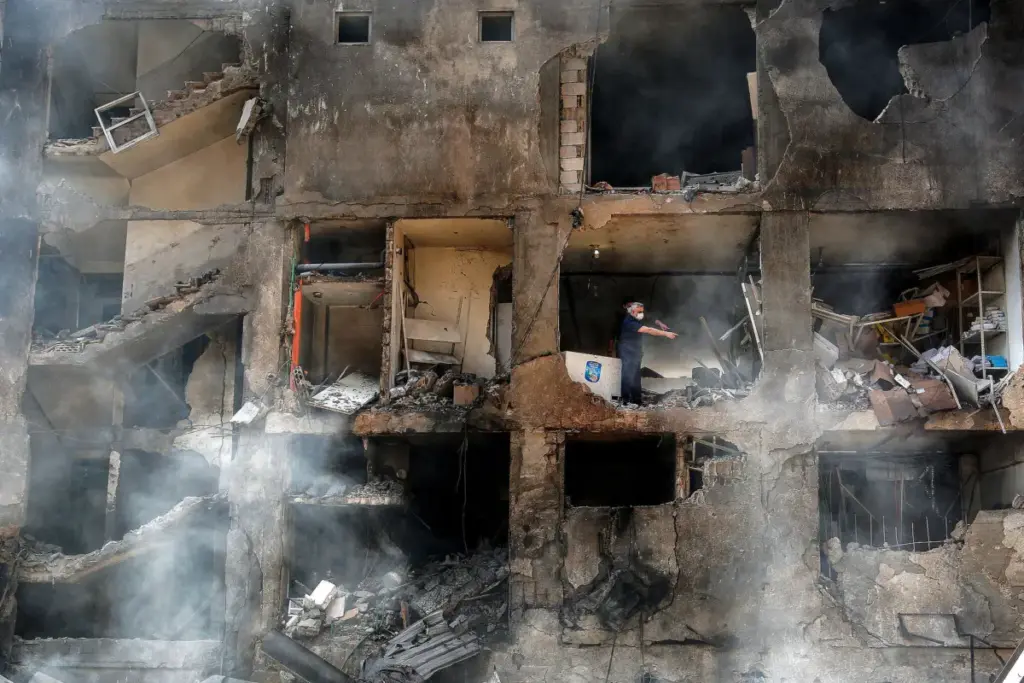
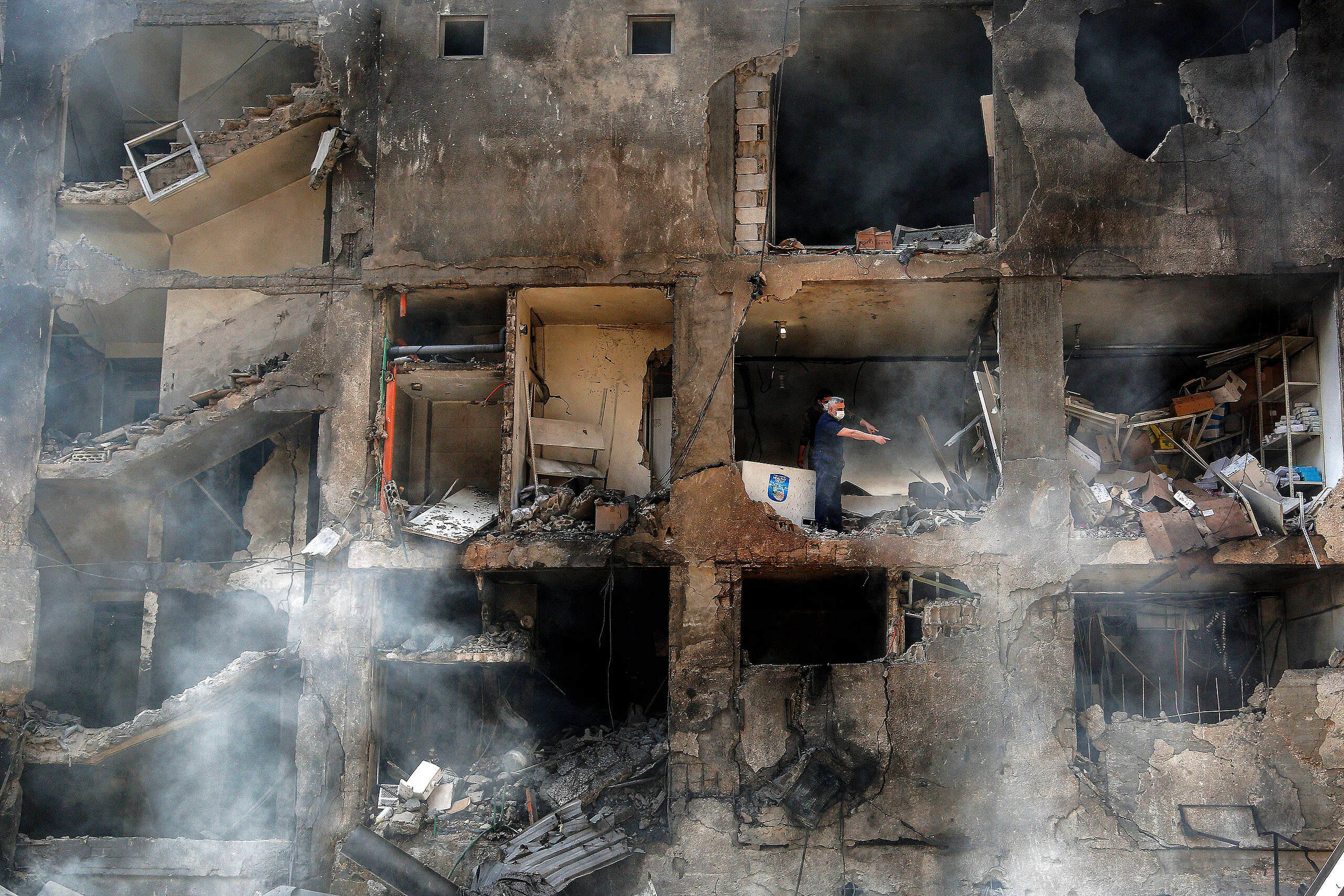
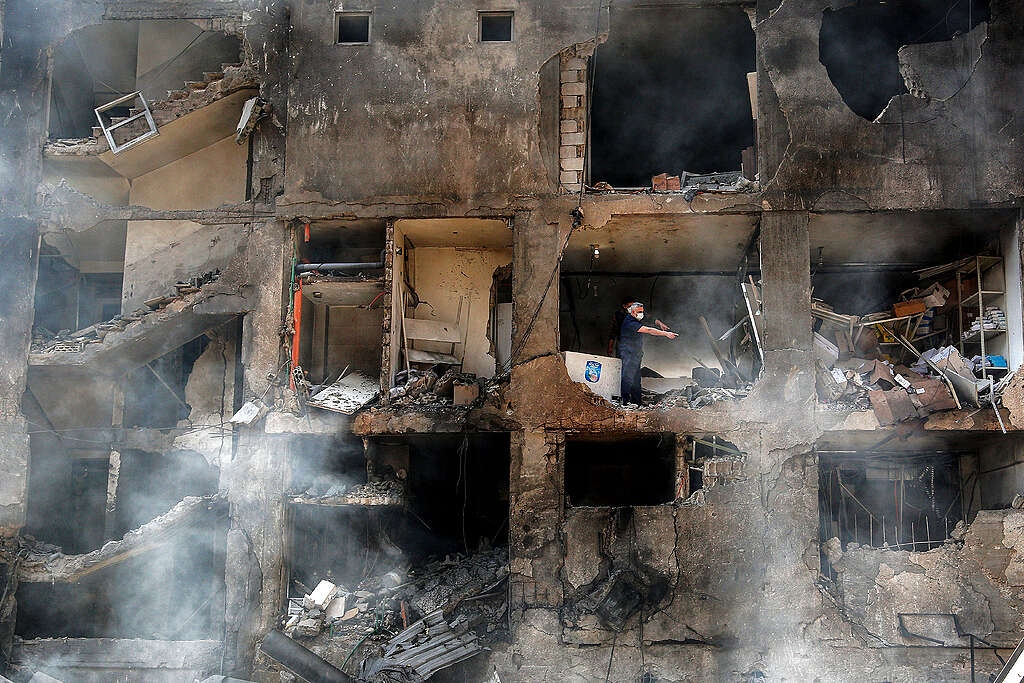
As the conflict widened, the spillover effects quickly engulfed neighboring states. By April, Israeli strikes intensified across Lebanon following renewed rocket fire from pro-Iranian factions like Hezbollah, transforming densely populated neighborhoods in Beirut into zones of destruction where workers sifted through the rubble of flattened buildings. The rhythm of the war settled into a destructive cycle of intermittent ceasefires, rapid resumptions of hostilities, and unrelenting aerial campaigns.
Maritime Chokepoints and Naval Engagements
The strategic geography of the conflict heavily involved vital maritime trade routes, most notably the Strait of Hormuz—a crucial artery through which nearly a fifth of the world’s oil historically passed. The militarization of these waters turned commercial shipping and naval transit into high-stakes hazards.
In May, the kinetic nature of the naval war was underscored when the Iranian Navy frigate IRIS Dena was torpedoed and sunk by the U.S. Navy in the Indian Ocean. The sinking of vessels and attacks on regional refineries initiated a cascading series of maritime environmental disasters. The closure and active militarization of the Strait of Hormuz effectively severed traditional supply lines, setting off global shockwaves that immediately reverberated through international commodity markets.
Supporting Context & Metrics: The Human, Environmental, and Economic Toll
To comprehend the full scope of the war, one must look closely at the quantitative metrics detailing lives lost, ecosystems poisoned, and public funds diverted.
The Human Toll
According to aggregated humanitarian and governmental records, more than 8,000 human beings have lost their lives, and approximately 50,000 have been injured. This grim statistic includes over 3,500 civilian and military deaths in Iran during the first 40 days alone.
On the opposing side, Pentagon figures acknowledge more than 750 U.S. soldiers wounded and 18 killed—though transparency concerns have grown amid reports that military institutions have actively hidden or understated casualty figures from strikes in regional outposts like Jordan. Humanitarian advocates continue to emphasize that behind these numbers lie irreversible family tragedies, reinforcing the premise that human suffering must be the primary catalyst for ending hostilities.
Environmental Degradation: Spills, Black Rain, and Carbon Spikes
War has always been profoundly destructive to the natural world, but the modern reliance on heavy industrial infrastructure has amplified this harm.

- Marine Disasters: Oil spills have become visible from space. An extensive slick stretching over eight kilometers south of the Iranian island of Qeshm resulted from a vessel damaged near the Strait of Hormuz, threatening delicate mangrove forests, coastal habitats, and local fishing livelihoods. Similarly, following the sinking of the IRIS Dena, an oil patch appeared off the coast of Sri Lanka days later, highlighting the inherent inability to safely transport or contain petroleum during active conflict.
- Protected Reserves: In May, an oil spill allegedly triggered by attacks on a refinery drifted onto the shores of Shidvar Island, a premier Iranian protected nature reserve. The island—a vital sanctuary for coral reefs, endangered sea turtles, dolphins, and migratory birds—saw local wildlife trapped and choked by thick layers of tar.
- Atmospheric Poisoning: The conflict’s carbon footprint is staggering. In the first two weeks alone, an estimated 5 million tonnes of $textCO_2$ were pumped into the atmosphere. The bombing of oil installations unleashed "black rain" (a hazardous precipitation mixed with crude oil), thick plumes of toxic smoke, and dangerous airborne pollutants that cross international borders, posing long-term carcinogenic and respiratory risks to millions.
Economic Bleeding and the Mechanics of "Fossilflation"
The financial cost of the war is staggering at both the macroeconomic and household levels.
According to statements by U.S. Defense Secretary Pete Hegseth, the first five months of the conflict carried a direct price tag of $37 billion—averaging out to roughly $260 million per day. This daily expenditure is nearly double that of the Vietnam War. Yet, this figure has not satisfied the administration; the Pentagon subsequently requested an additional $67 billion from Congress—an emergency injection exceeding the entire Gross Domestic Product (GDP) of nations such as Cameroon, Jordan, or Iceland.
Independent policy experts project an even grimmer fiscal reality. Linda J. Bilmes, a professor of public policy at the Harvard Kennedy School, estimates that the direct war costs have already reached approximately $120 billion. This figure excludes an estimated $250 billion required to rebuild hundreds of damaged or destroyed U.S. facilities across the Middle East, not to mention the massive, long-term liabilities of veterans’ healthcare and disability payouts. Furthermore, if Congress approves the proposed $1.5 trillion defense budget for 2027, the war will have catalyzed the largest single-year U.S. military expenditure since World War II.
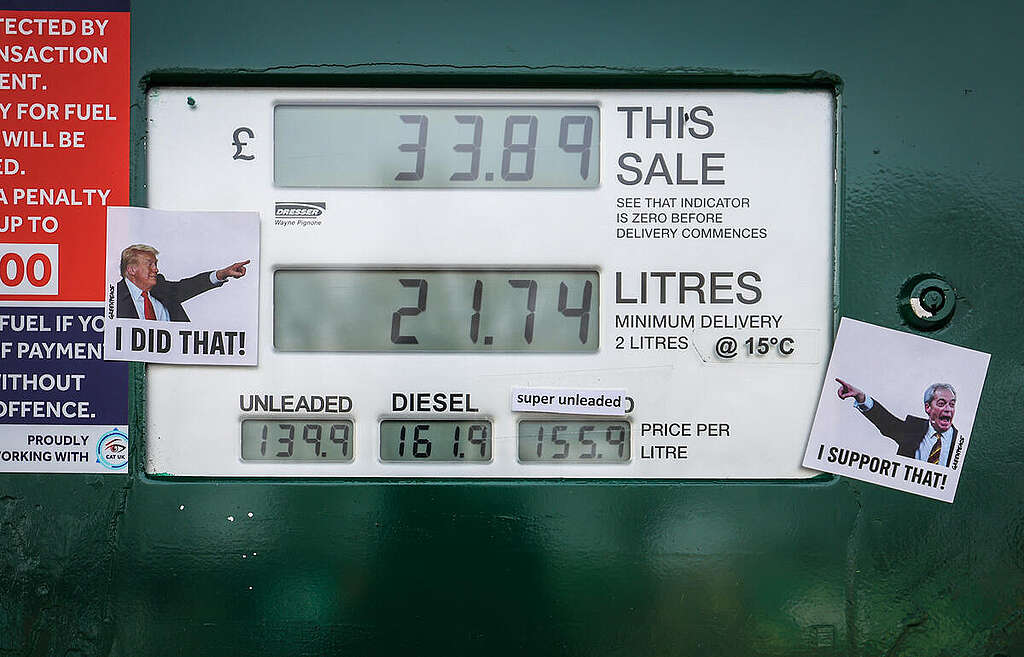
For the average citizen, this state-level spending translates directly into domestic hardship through fossilflation—inflation directly driven by volatile fossil fuel prices. The Climate Solutions Lab at Brown University estimates that U.S. households have collectively paid more than $86 billion in extra expenses since the war began, forcing the average American family to absorb an additional $660 in living costs over a six-month period. Similar cost-of-living pressures have swept through Europe and the Global South, manifesting as soaring utility bills, inflated grocery prices, and skyrocketing rents.
Official Statements and Institutional Responses
The justification and management of the war have sparked fierce international debate, drawing sharp contrasts between official rhetoric from Washington and the alarming assessments of independent economists, environmentalists, and security analysts.
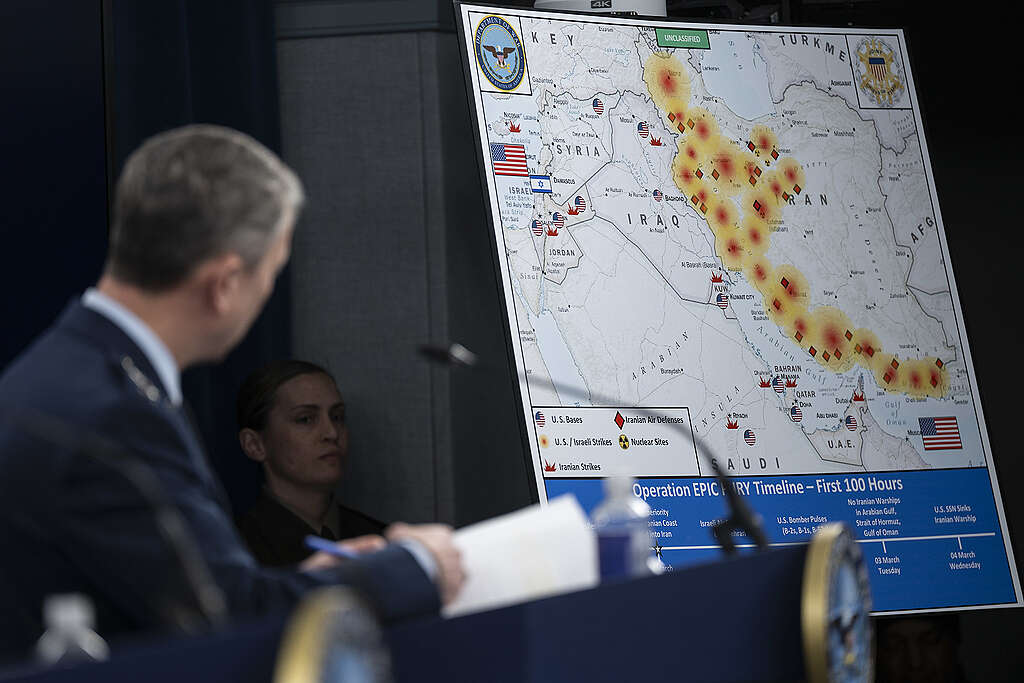
Administration officials have persistently defended the ballooning military budgets and strategic objectives. During a March 2026 press briefing at the Pentagon regarding "Operation Epic Fury," Secretary of War Pete Hegseth and Chairman of the Joint Chiefs of Staff, U.S. Air Force Gen. Dan Caine, framed the operations as necessary commitments to national security and regional deterrence. Dismissing mounting household economic pressures as minor adjustments—reportedly characterized by political figures as "peanuts"—the administration has doubled down on long-term military modernization efforts aimed at constructing what advocates term a "Dream Military."
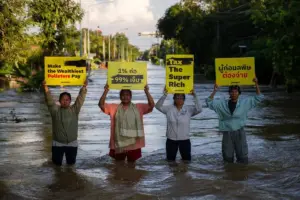
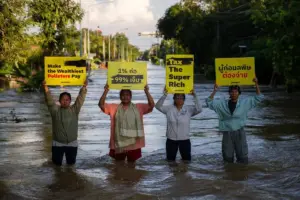
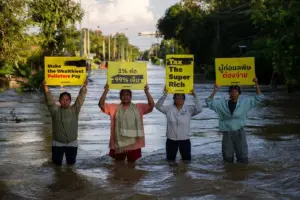
Conversely, academic and environmental voices have condemned these priorities as fundamentally decoupled from public welfare. Civil society organizations, including Greenpeace, have campaigned aggressively against the oil conglomerates reaping record-breaking profits during the conflict while communities worldwide struggle with extreme weather and soaring utility bills.
Prominent economists argue that funneling trillions into weapons procurement rather than public health, education, or green infrastructure represents a catastrophic misallocation of global resources. As legal and environmental watchdogs call for windfall taxes on oil giants to fund disaster relief and energy independence, the chasm between militarized state agendas and the basic survival needs of global citizens continues to widen.
Future Outlook: Breaking the Petro-Military Cycle
As the war enters its second half-year, the path forward remains fraught with danger, yet rich with clear, actionable alternatives. The root cause of the current crisis is not merely geopolitical rivalry, but the global economy’s deep-seated addiction to fossil fuels. As long as national energy grids and transportation networks rely on vulnerable chokepoints like the Strait of Hormuz, societies will remain perpetually exposed to the threats of petro-aggression and fossilflation.
The Renewable Imperative
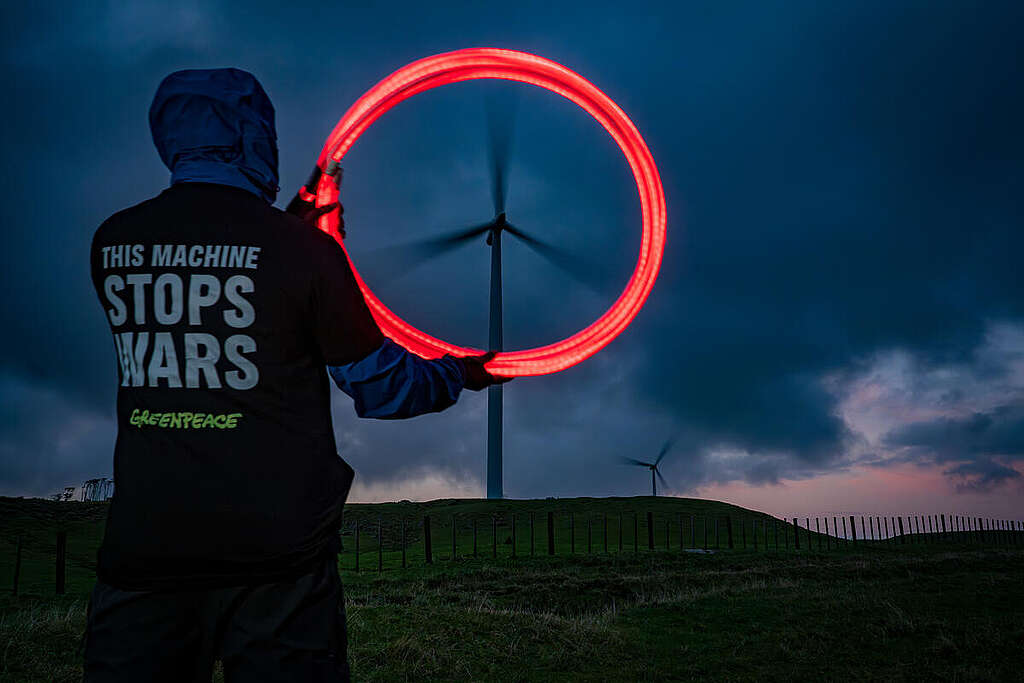
The solution to this cycle of vulnerability is both technologically feasible and economically sound. Unlike oil tankers and maritime trade routes, the sun and the wind cannot be blockaded. According to data from the International Renewable Energy Agency (IRENA), renewable power generation is now the most affordable source of new electricity across the vast majority of the world. Solar power averages 41% cheaper, and onshore wind power more than 50% cheaper, than the lowest-cost fossil fuel alternatives.
Transitioning away from oil and gas is no longer solely an environmental objective to combat climate change; it is an indispensable pillar of national security and economic resilience. By accelerating investments in home energy efficiency, public transit, resilient food systems, and decentralized renewable grids, governments can insulate their citizens from future price shocks.
Policy Recommendations for Lasting Security
To prevent future catastrophes, international policymakers must enact structural reforms:
- Pursue Diplomatic Resolution: Immediate ceasefires and negotiated settlements must replace protracted military engagements, ending the devastating human and territorial losses in Iran, Lebanon, and across the wider region.
- Hold War Profiteers Accountable: Governments must implement robust windfall profit taxes on fossil fuel companies capitalizing on wartime price spikes, redirecting those revenues toward post-conflict reconstruction and domestic cost-of-living relief.
- Accelerate the Green Transition: State subsidies must be systematically redirected from fossil fuel exploration and military expansion toward the rapid deployment of clean, renewable energy infrastructure.
The costs of the past six months—measured in thousands of lost lives, poisoned marine ecosystems, and strained household budgets—have been paid by people who never chose this war. Building a secure future requires recognizing that true stability cannot be found at the barrel of a gun or in the volatile depths of an oil well. It is forged through peace, economic equity, and the untamable power of a clean energy transition.