Executive Overview
The planet has crossed into a volatile new climatic era, marked by some of the hottest months in recorded human history. From scorching, back-to-back heatwaves triggering historic wildfires across the Mediterranean and North Africa to catastrophic flash floods and super typhoons ravaging South and East Asia, the impacts of anthropogenic global heating are no longer a distant theoretical threat. They are unfolding in real-time, claiming lives, displacing millions, and reshaping ecosystems with terrifying speed.
The trauma of watching massive forest fires consume ancestral woodlands, rivers overflow their banks with little warning, and dense urban centers choke on toxic air is an urgent alarm bell. Yet, despite the undeniable signs of ecological collapse, a profound disconnect remains between the escalating frequency of these disasters and the glacial pace of global policy action. Even as scientists warn of worsening conditions with the anticipated intensification of El Niño, many world governments remain tethered to short-term economic gains, fossil fuel expansion, and geopolitical conflicts.
This report documents the devastating human and environmental toll of recent climate emergencies across multiple continents. By chronicling the fires, floods, and extreme heat waves of mid-2026, this investigation serves as an objective record of government inaction and a reminder of the urgent need for a decisive global transition away from fossil fuels.
Detailed Chronology of Global Disasters
The cascading climate shocks of mid-2026 have spared almost no region. What follows is a country-by-country chronology of the extreme weather events that have overwhelmed emergency services and displaced communities worldwide.
Europe: France and Spain Face Historic Blazes
France
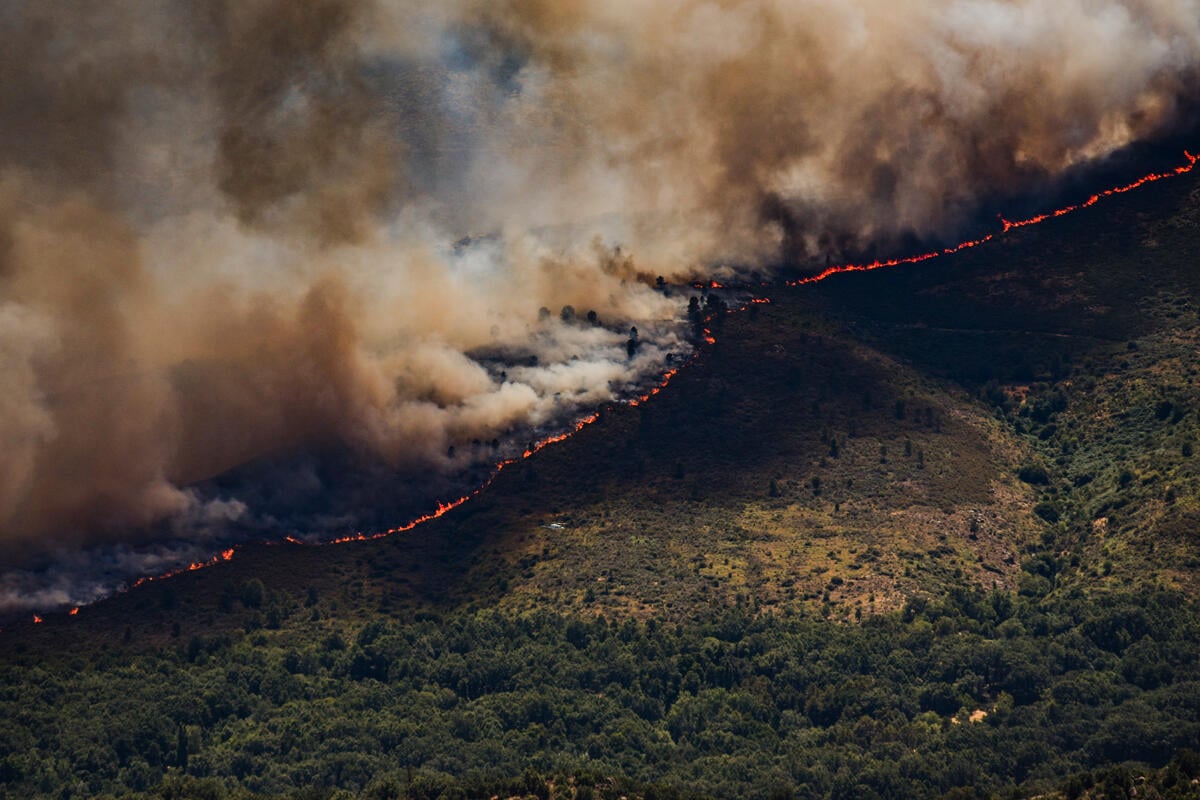
The wildfire season of 2026 shattered records in France, becoming the worst the country has witnessed since 1949. Fueled by persistent heatwaves and severe drought conditions, blazes tore across the northern and southern regions of the country, consuming a staggering 115,000 hectares of land.
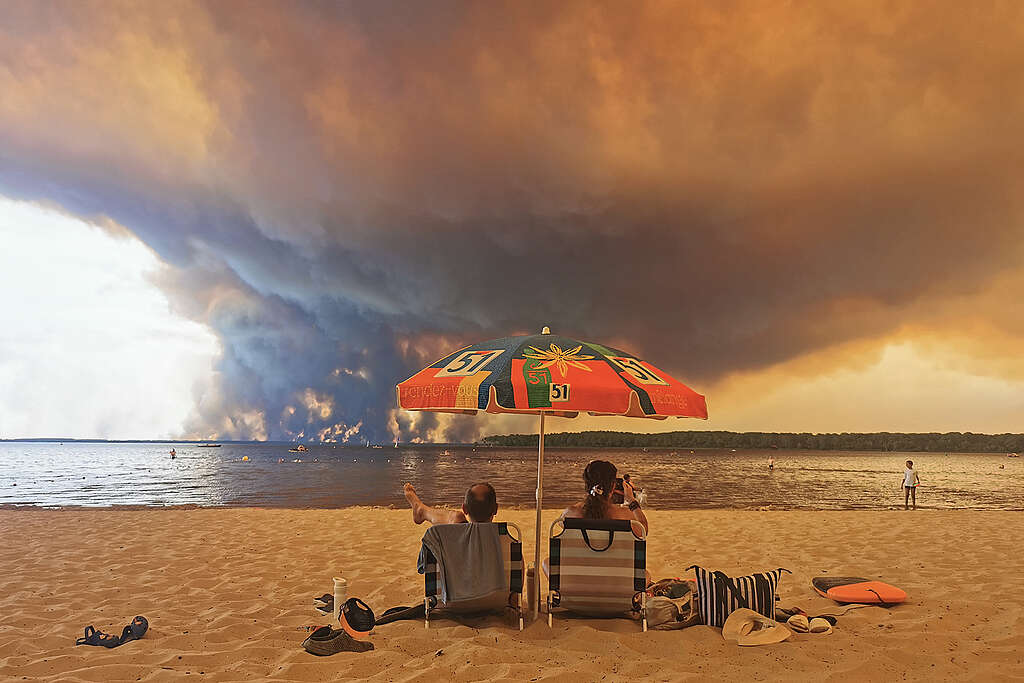
By late July, picturesque landscapes gave way to apocalyptic scenes. In the southwestern department of Gironde, massive plumes of smoke darkened the skies over the Arcachon Basin. Tourists and residents near the beach of Moutchic in Lacanau watched anxiously as fires raged through the northern parts of the region, forcing widespread evacuations and straining local firefighting resources to their absolute limits.
Spain
Neighboring Spain suffered its own historic ecological trauma. A catastrophic forest fire tore through the Madrid region and the neighboring Ávila province, reducing 25,000 hectares of forest and brush to ash. Authorities classified the event as the worst wildfire in the history of the Madrid region.
The ferocity of the flames forced more than 60,000 residents to flee their homes under emergency evacuation orders. Firefighters on the ground, backed by aerial units, battled shifting winds and extreme temperatures that turned the region’s parched undergrowth into tinderboxes.
Asia: Monsoons, Floods, and Typhoons
The Philippines
In Southeast Asia, the combined forces of tropical cyclones and an enhanced Southwest Monsoon (Habagat) triggered relentless, catastrophic flooding across the Philippines. Low-lying communities in Luzon and the Western Visayas were submerged under feet of turbid water.
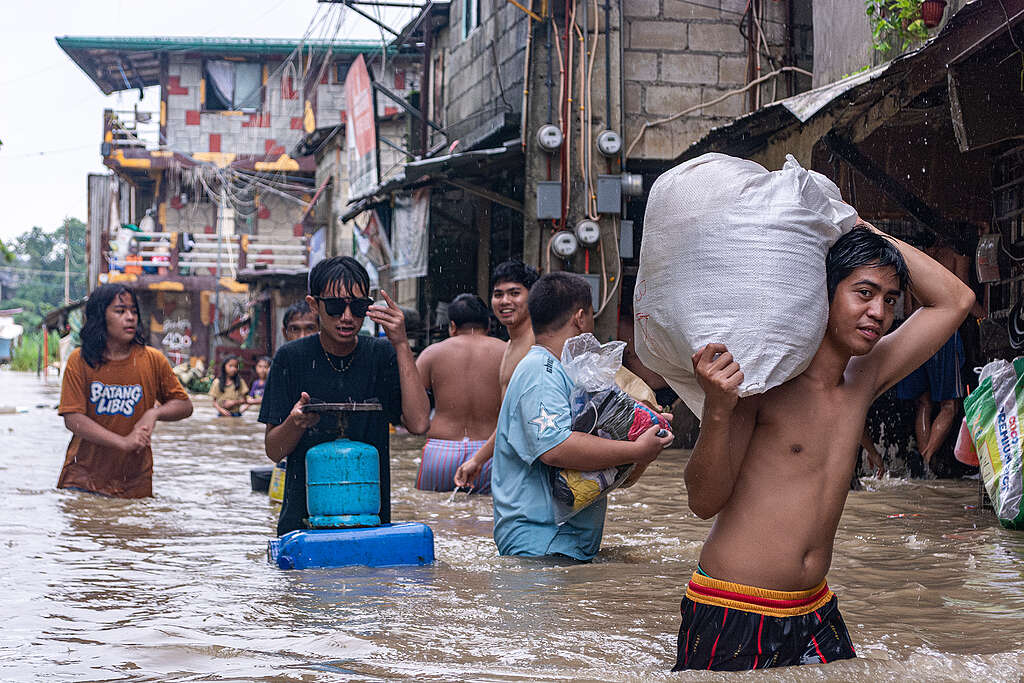
In Barangay Sta Ana, San Mateo, Rizal, residents waded through waist-deep waters on August 17, 2026, carrying whatever belongings they could salvage to makeshift shelters on higher ground. The prolonged inundation, lasting for weeks in some areas, crippled local commerce, destroyed agricultural fields, and highlighted the acute vulnerability of archipelagic nations to rising sea temperatures and intensified monsoonal cycles.
Japan
Japan experienced a devastating demonstration of extreme precipitation when "unprecedented" heavy rains slammed the eastern regions of the country. The deluges claimed at least eight lives and caused widespread infrastructure chaos.
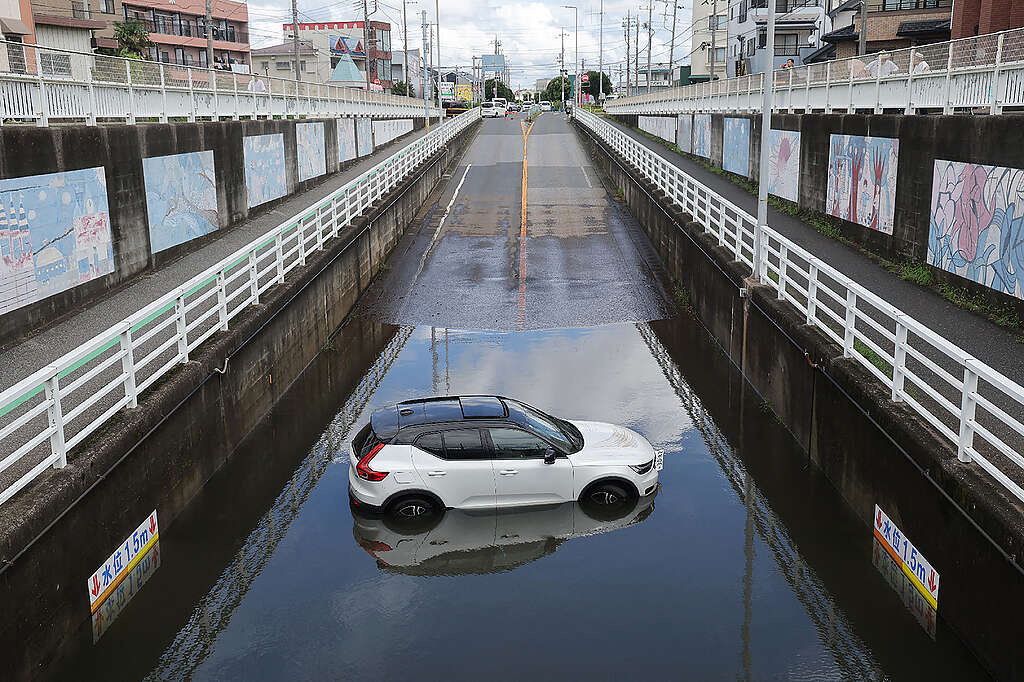
In Chiba Prefecture, flash floods submerged underpasses—swallowing vehicles in places like Kamagaya City—and cut power to more than 20,000 households. The severe weather also crippled transportation arteries, stranding thousands of travelers overnight at Narita International Airport and bringing rail and road networks to a standstill.
India
South Asia bore the brunt of intense monsoon flooding, with India’s northeastern state of Assam suffering a humanitarian crisis of immense proportions. Critical river systems breached their embankments, inundating hundreds of villages.
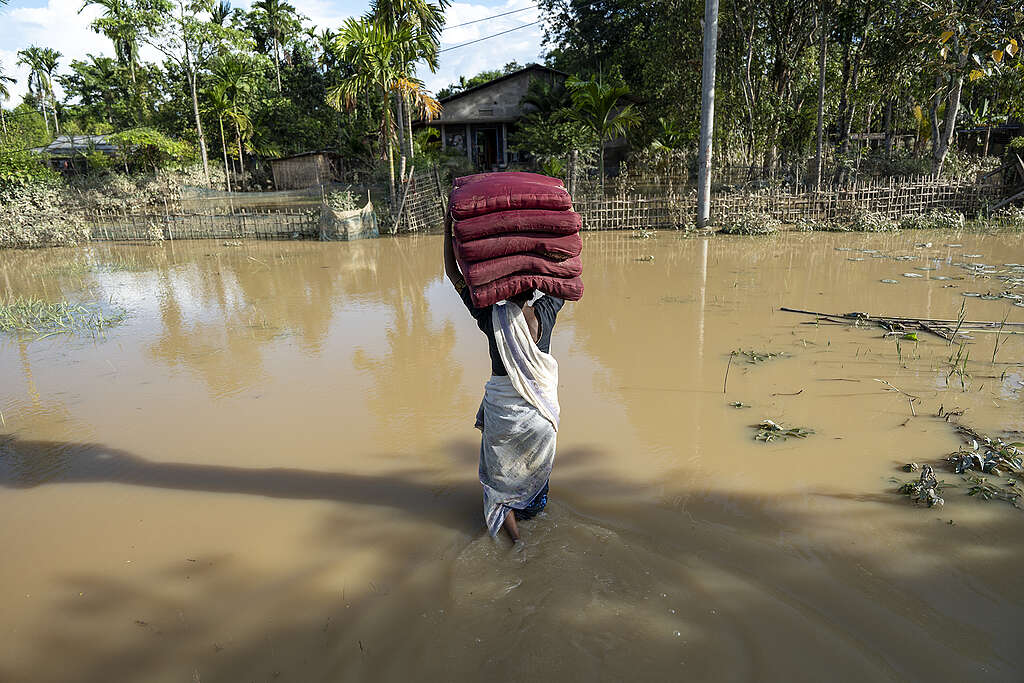
The disaster claimed 80 lives in Assam alone and displaced approximately 2 million people. Images of residents navigating murky, debris-filled floodwaters while balancing salvaged household items on their heads became emblematic of the region’s recurring struggle against monsoon extremes supercharged by a warming atmosphere.
Africa: Scorching Heat and Unprecedented Wildfires
Tunisia
North Africa faced relentless heatwaves that turned parts of the Mediterranean coast into a frontline of climate destruction. In Tunisia, an astonishing 900 fires broke out across the country within a chaotic 72-hour period in late July.
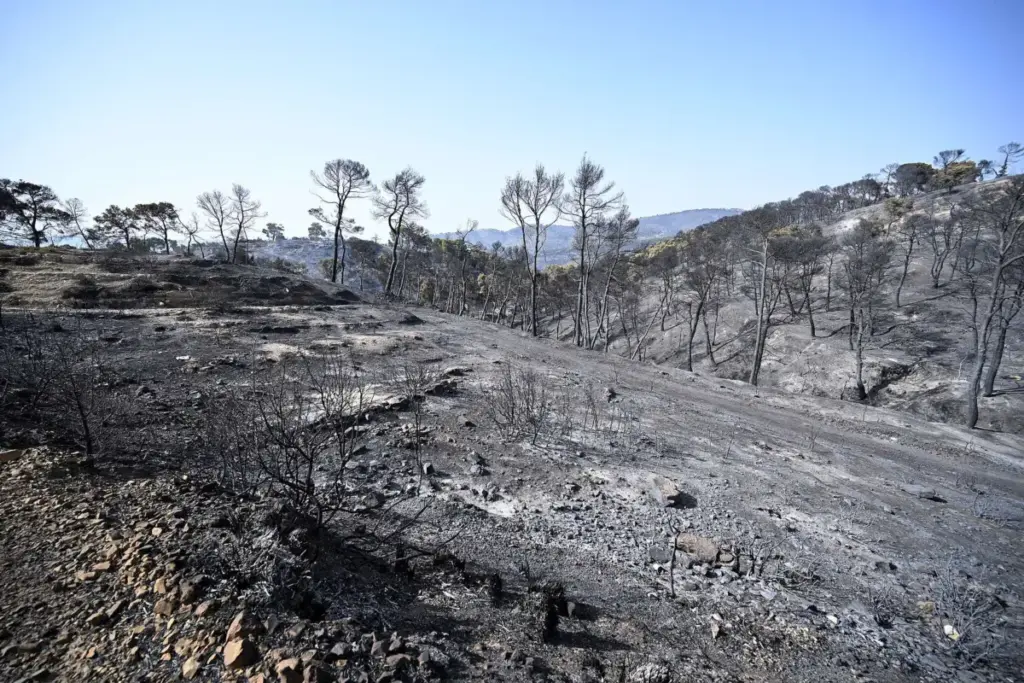
Forests in the Kef region, particularly near the Algerian border in Sakiet Sidi Youssef, were decimated. Firefighters worked tirelessly under brutal heat conditions to contain twin mega-fires that left behind vast expanses of smoldering ash and skeletal, charred trees.
Algeria
Just across the border, Algeria faced its own wave of intense and destructive wildfires. By mid-July, blazes were tearing through multiple provinces, including Bejaia, Annaba, Skikda, Blida, Tizi Ouzou, Boumerdes, Ain Defla, and Tlemcen.
While civil protection teams successfully brought 65 fires under control, 46 major blazes remained actively out of reach across 18 provinces. Operations required a massive mobilization of firefighting aircraft, helicopters, and ground personnel to protect residential settlements in areas such as Bordj Okhriss, located roughly 150 kilometers southeast of Algiers.
Morocco
Further west, Morocco endured back-to-back heatwaves compounded by severe, multi-year droughts. Temperatures in several provinces—stretching from Marrakech and Beni Mellal down to Laayoune and Dakhla—soared to dangerous extremes between 44°C and 46°C, placing extreme strain on public health systems, agricultural output, and vulnerable populations.
North America: Cross-Border Smoke and Air Quality Crises
United States and Canada
The ecological crisis in Canada’s boreal forests had direct, toxic repercussions for millions of people south of the border in the United States. Driven by more than 100 active wildfires burning across Canadian provinces, dense plumes of particulate matter drifted southward, enveloping the northeastern United States.
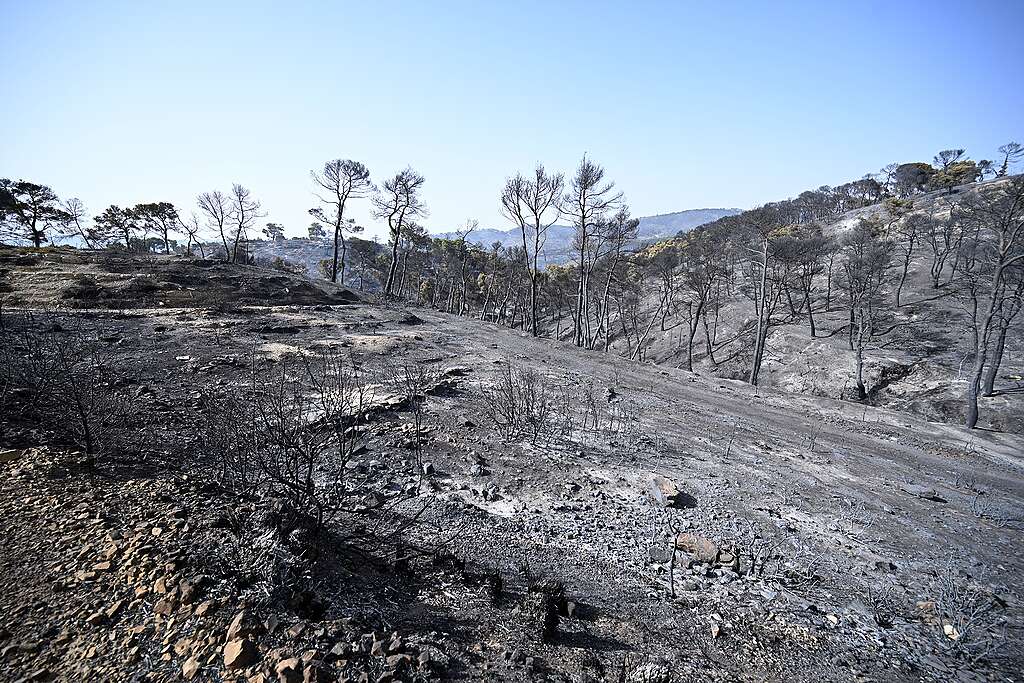
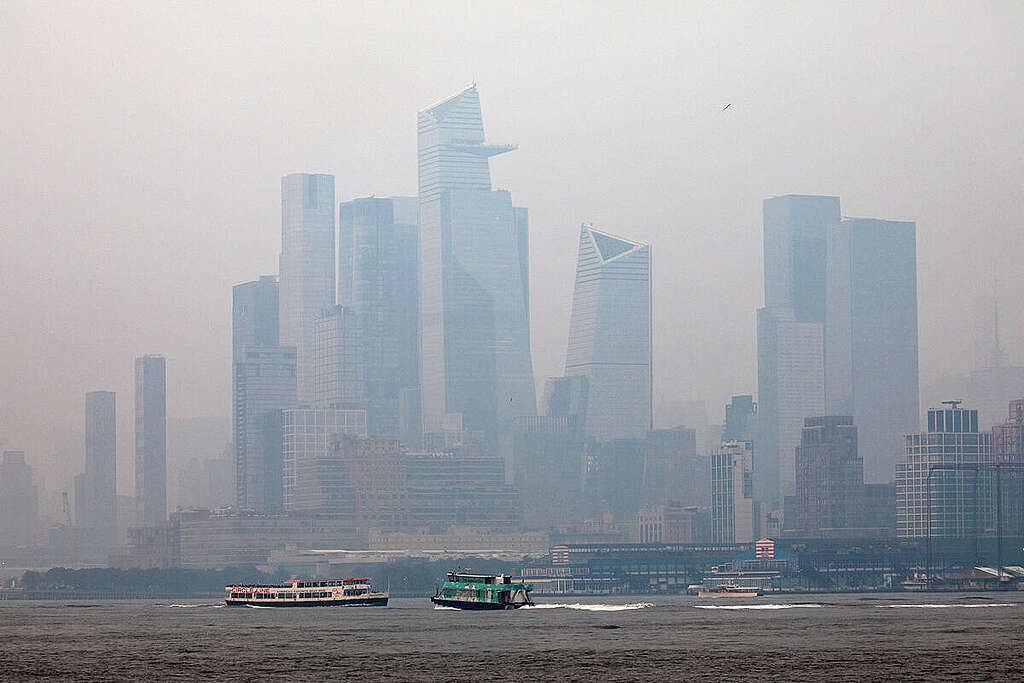
Throughout mid-July, all of New York State—including New York City—along with parts of New Jersey and the broader Tri-State area, was placed under severe Air Quality Advisories. On July 16, air quality conditions plummeted to "very unhealthy" levels, with the Air Quality Index (AQI) surpassing 201. The hazy, orange-tinted skies served as a stark visual reminder of how interconnected continental ecosystems have become, as fine particle pollution triggered spikes in respiratory ailments, chest pain, dizziness, and fatigue among vulnerable populations.
Supporting Context & Metrics: The Science of Amplification
The events of mid-2026 do not occur in a vacuum; they are symptoms of a systematically altering global climate system. According to meteorological data, the accumulation of greenhouse gases in the atmosphere has driven global average temperatures significantly above pre-industrial baselines.
Crucially, these disasters unfolded before the expected peak and intensification of the El Niño-Southern Oscillation (ENSO) toward the end of the year. Historically, El Niño phases release additional heat from the Pacific Ocean into the global atmosphere, frequently resulting in record-breaking global temperatures and exacerbated weather anomalies. Scientists and climatologists have issued stern warnings that the combined effects of underlying climate change and an intensifying El Niño could make the destruction witnessed thus far look mild by comparison.
Key metrics highlighting the scale of the crisis include:
- France: 115,000 hectares burned—the worst season since 1949.
- Spain: 25,000 hectares destroyed, with over 60,000 citizens evacuated in the Madrid and Ávila regions.
- Tunisia: 900 individual fires recorded in a compressed 72-hour window.
- India (Assam): 80 fatalities and roughly 2 million people displaced across 200 villages.
- New York City / Tri-State Area: AQI exceeding 201 ("very unhealthy") due to transboundary Canadian wildfire smoke.
Official Statements and Global Reactions
The widening chasm between scientific reality and political action has drawn sharp criticism from environmental watchdogs, civil society organizations, and affected communities.
While a growing number of nations have signaled readiness to implement structured phase-out plans for coal, oil, and gas, many governments continue to pursue short-term economic gains and geopolitical dominance. The persistence of a "drill, baby, drill" mindset in several resource-rich nations—coupled with massive financial investments in ongoing military conflicts—demonstrates a dangerous misallocation of global resources.
Environmental analysts note that governments are prioritizing profit margins and energy security through fossil fuel extraction over long-term planetary survival. This systemic inaction leaves local municipalities, emergency responders, and under-resourced populations to shoulder the human and economic costs of climate disasters largely on their own.
Future Outlook: A Critical Juncture for Humanity
The documentation of these climate emergencies is not merely an exercise in cataloging tragedy; it is a vital historical record meant to prevent collective amnesia. As global temperatures continue to climb and feedback loops accelerate, the choices made by world leaders in the coming months will determine the habitability of Earth for generations to come.
Without a radical, binding shift away from fossil fuel dependency, adaptation and disaster response measures will quickly become overwhelmed. The unfolding events of 2026 must serve as a definitive turning point. Governments can no longer treat climate change as a secondary policy concern or a distant future crisis. The fires of Europe and North Africa, the floods of Asia, and the suffocating smoke blanketing North American cities are clear indicators that the future is already here—and the window to secure a sustainable planet is closing rapidly.