Executive Overview
South West Water has been singled out as the most environmentally damaging water company in England, according to a sweeping new analysis by the advocacy group Friends of the Earth. Operating across Devon, Cornwall, and parts of Dorset and Somerset, the utility provider has recorded some of the most alarming figures in the country regarding sewage pollution, ecological degradation, and escalating consumer costs.
The comprehensive study evaluated water companies across six critical performance metrics: overall sewage spills, water quality at designated bathing sites, the frequency of pollution incidents or warnings, the severity of sewage pollution affecting recreational waters, the proportion of rivers failing to meet good ecological health standards, and the affordability of consumer bills. In four out of these six categories, South West Water ranked among the worst three performers nationwide.
This environmental indictment comes at a time of mounting public fury over the state of Britain’s waterways. With an average of more than 574,000 hours of sewage spills annually since 2024, South West Water has outstripped even its heavily scrutinized industry peers by hundreds of thousands of hours. Compounding these environmental failures are severe financial burdens: the company’s approximately 1.8 million customers face some of the highest water bills in the country, averaging £726 annually following a staggering 39% increase since 2024.
As legal actions multiply, political pressure mounts over potential public ownership models, and environmental groups demand a radical legislative overhaul, the crisis at South West Water has become a national flashpoint in the broader debate over the privatization of essential public utilities.
Detailed Chronology: From Ecological Strain to National Outcry
The roots of the current crisis extend across years of systemic underinvestment, compounded by shifting climate patterns, aging infrastructure, and regulatory leniency.
The Escalation of Spills and Incidents
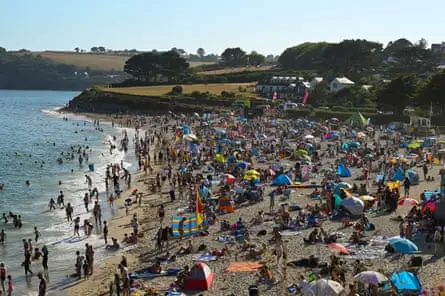
For years, local campaigners, surfers, and environmentalists across the West Country have sounded the alarm over raw sewage discharging into rivers and along iconic coastlines. However, recent data has crystallized the scale of the degradation. In 2025 alone, designated bathing sites within South West Water’s catchment recorded an astonishing 666 pollution incidents and warnings.
The region’s sheer volume of designated bathing waters—representing more than a third of England’s total—makes these numbers particularly devastating for local tourism, public health, and marine biodiversity. While the Environment Agency monitors water quality during the bathing season to safeguard swimmers and beachgoers, continuous overflow events have turned popular destinations like Gyllyngvase beach in Falmouth into frequent sites of health warnings.
Legal Challenges and Political Rumblings
Public frustration has rapidly transitioned from protest to legal action. A prominent group of claimants has expanded its ongoing legal proceedings against South West Water, seeking accountability for the widespread sewage pollution contaminating local ecosystems and potentially breaching environmental protections.
Simultaneously, the political landscape has shifted dramatically. Sources close to the highest levels of government revealed that key figures, including Prime Minister Andy Burnham, have weighed radical interventions—such as rewriting insolvency laws—to facilitate the transition of failing utilities, including water companies, into public control. Although subsequent reports indicated that plans regarding specific distressed entities like Thames Water faced temporary hurdles due to massive financial and legal risks, the mere contemplation of such measures underscores the unprecedented vulnerability of the water sector.
Supporting Context & Metrics: Breaking Down the Numbers
The Friends of the Earth analysis provides a grim statistical portrait of South West Water’s operational failures, setting them against broader national benchmarks.
The Environmental Scorecard
When evaluated across the six environmental and economic metrics, South West Water consistently anchored the bottom of the rankings:
- Total Duration of Sewage Spills: Since 2024, South West Water has recorded the highest total duration of sewage spill events of any provider in England, averaging an astronomical 574,323 hours annually. To put this in perspective, Severn Trent and Yorkshire Water occupied the second and third worst positions respectively, yet they were outstripped by South West Water by a margin of nearly 200,000 spill hours.
- Bathing Water Pollution: The company’s 157 official bathing sites were plagued by 666 pollution incidents and warnings in 2025 alone, representing the highest frequency nationwide.
- Ecological Health and River Standards: A significant percentage of rivers across Devon, Cornwall, Dorset, and Somerset continue to fall well below the legal threshold for good ecological health, hampered by chronic nutrient loading and untreated effluent releases.
The Financial Burden on Households
Environmental degradation has arrived hand-in-hand with steep financial penalties for consumers. South West Water’s 1.8 million domestic customers currently fork out an average of £726 every year for their water services—making their bills among the most expensive in the nation.
Furthermore, since 2024, the region has experienced the second-largest bill increase in England, with costs surging by 39%. For comparison, Southern Water holds the dubious honor of imposing the most expensive water bills overall and executing the largest absolute increase since 2024, having tacked an extra £281 onto the average household bill during that timeframe.
+-------------------------------------------------------------------------+
|                KEY METRICS: SOUTH WEST WATER (PERFORMANCE)              |
+------------------------------------+------------------------------------+
| Metric                             | Value / Ranking                    |
+------------------------------------+------------------------------------+
| Average Annual Spill Duration      | 574,323 hours (Highest in England) |
| Pollution Incidents (Bathing Sites)| 666 incidents/warnings in 2025     |
| Average Annual Customer Bill       | £726 per household                 |
| Bill Increase Since 2024           | Up 39% (Second highest nationally) |
| Designated Bathing Sites           | 157 official locations             |
+------------------------------------+------------------------------------+
Official Statements and Industry Defense
Faced with mounting criticism, representatives from the water industry, government bodies, and environmental advocacy organizations have staked out sharply contrasting positions.

South West Water’s Defense
In response to the findings, a spokesperson for South West Water defended the company’s ongoing efforts, emphasizing the unique challenges of managing a vast coastal region:
"We manage more than a third of England’s designated bathing waters, so improving water quality is a huge priority for us. We’re already seeing progress, with storm overflow spills down 17% and spill duration down 25% over the past year, despite significantly higher rainfall across the region."
The company also pointed to its long-term planning, asserting that it remains on track to comply with new Environment Act bathing water standards by 2030—fully five years ahead of the national deadline—fueled by record capital investments across the south-west.
Campaigner and Government Responses
Kierra Box, a water campaigner at Friends of the Earth, dismissed corporate assurances as insufficient, urging the government to enact decisive legislative change:
"People have had enough of hearing ministers say they’ll fix the problem, only to bring in measures that superficially address the issue. If we’re to end the sewage scandal once and for all, we must see the government committing to a complete overhaul of our water system."
Box is pressing for a robust clean water bill equipped with a meaningful, enforceable strategy for restoring the health of the UK’s rivers and coastal ecosystems, alongside serious consideration of public nationalization.
From the Department for Environment, Food and Rural Affairs (Defra), a spokesperson acknowledged public fury while highlighting ongoing regulatory shifts:
"It is totally unacceptable that some water companies are failing to deliver value for money for customers and polluting our rivers, lakes and seas. The government recognises that we need to build on our reforms which banned bonuses so our water system works for the public. That’s why we are driving forward the biggest overhaul of the water sector in a generation, with new legislation to give the public more control and help keep bills as low as possible."
Regarding systemic financial vulnerabilities across the wider sector—such as the ongoing scrutiny surrounding companies like Thames Water—Defra reiterated that while major operators remain under close watch, the government stands "ready for all eventualities, including applying for a special administration regime if that were to become necessary."
Meanwhile, Water UK, speaking on behalf of the wider utility sector, stressed that industry-wide remediation efforts are accelerating:
"No sewage spill is ever acceptable, and we are working to end them as fast as we physically can. That’s why we are tripling investment over the next five years to halve spills from storm overflows and upgrade the capacity of 1,700 wastewater treatment works."
Future Outlook: A Turning Point for the UK Water Sector
The crisis engulfing South West Water is emblematic of a broader structural breakdown within England’s privatized utility model. Decades of under-investment in underground infrastructure, paired with increasing climate volatility and heavier seasonal rainfall, have pushed the nation’s combined sewer overflows to their absolute breaking point.
As legal pressures mount—exemplified by expanding class actions and potential corporate insolvencies—the status quo is rapidly becoming untenable. For the residents of Devon, Cornwall, Dorset, and Somerset, the promise of infrastructure upgrades by 2030 offers little immediate comfort against current pollution advisories and soaring household bills.
Ultimately, the coming months will test the resolve of both regulators and the national government. Whether through sweeping legislative overhauls, aggressive enforcement of environmental penalties, or the unprecedented step of bringing privatized utilities back under public control, the fate of South West Water will likely serve as a defining litmus test for the future management of Britain’s natural environment.