Executive Overview
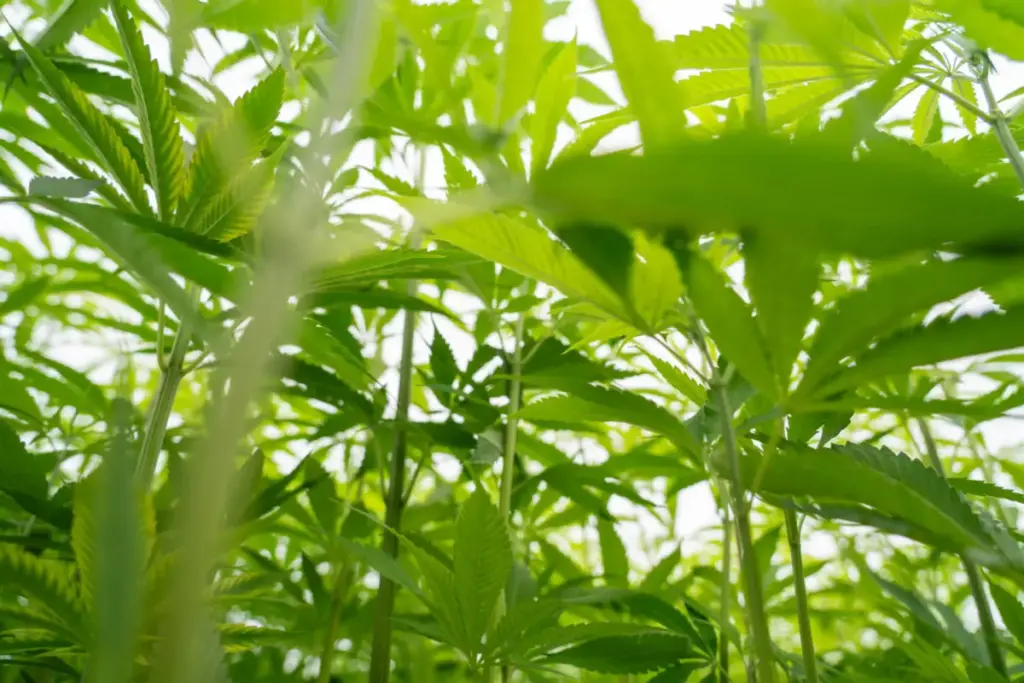
Long banished from the American agricultural landscape, Cannabis sativa—specifically its non-psychoactive sibling, industrial hemp—is undergoing one of the most remarkable comebacks in modern agricultural history. For the first 150 years of the United States, hemp was a foundational pillar of the rural economy, prized for its durability, versatility, and ease of cultivation. Following a nearly 70-year federal prohibition, the landmark 2014 U.S. Farm Bill reopened the door for farmers to cultivate the crop legally.
Today, that legislative pivot has blossomed into a sweeping agricultural movement. Leading scientific organizations, most notably the Rodale Institute and its Pocono Organic Center, are partnering with pioneering regenerative organic farmers to reintroduce hemp to the ecosystem. Their objective goes far beyond capitalizing on a booming commercial market; they are exploring how hemp can revitalize degraded soils, capture carbon, supply sustainable materials for manufacturing, and deliver powerful wellness and nutritional benefits to consumers.
Driven by shifting consumer demand for eco-friendly products and robust market projections—which estimate the global industrial hemp market will surge from over $11 billion in 2025 to nearly $48 billion by 2032—hemp is rapidly evolving from a controversial novelty into an essential cornerstone of regenerative agriculture.
Detailed Chronology: From Colonial Staple to Federal Ban and Modern Resurrection
To understand the current excitement surrounding industrial hemp, one must examine its complex historical trajectory.
- The Colonial Era to the Early 20th Century: For the first century and a half of American history, hemp was not merely a crop; it was a mandatory and vital geopolitical resource. Farmers were legally encouraged, and at times required, to grow it to supply the British Empire and later the American naval fleet with durable cordage, canvas, and rigging. Its fibers clothed citizens, bound hay bales, and made paper.
- The Mid-20th Century Prohibition: Despite its centuries-long pedigree as an industrial workhorse, hemp’s fortunes shifted dramatically in the mid-20th century. Botanically classified as Cannabis sativa—the exact same species as marijuana—hemp became ensnared in sweeping anti-drug legislation. Driven by rising political rhetoric, changing industrial paradigms (such as the rise of synthetic nylon and petrochemical plastics), and a failure by lawmakers to distinguish between psychoactive and non-psychoactive cultivars, the federal government effectively banned the cultivation of all cannabis plants by the late 1930s. This prohibition was solidified under the Controlled Substances Act of 1970, erasing a multi-generational agricultural tradition.
- The 2014 Farm Bill Turning Point: The turning point arrived with the passage of the 2014 U.S. Farm Bill, which legally decoupled industrial hemp from its illicit cousin under federal law, provided it met specific low-THC criteria. This legislative opening allowed agricultural researchers and progressive farmers to begin sowing seeds legally for the first time in nearly seven decades.
- The 2015–2020 Research Era: As researchers at the Rodale Institute and various land-grant universities planted their first modern test plots, empirical studies quickly began to validate the crop’s agronomic benefits. Field trials conducted between 2016 and 2020 demonstrated that introducing fiber hemp into crop rotations significantly suppressed weed pressure and boosted the subsequent yields of cash crops like wheat and soybeans.
- The 2025 Scientific Milestones: Research reached new heights in 2025 with landmark publications in scientific journals such as Agrosystems, Geosciences & Environment. Scientists successfully quantified how nitrogen management optimizes cannabidiol (CBD) concentrations in organic hemp, while ongoing industrial collaborations began turning leftover hemp biomass into compostable, fossil-fuel-free bioplastics.
Supporting Context & Metrics: Science, Soil, and Sustainability
Modern research spearheaded by the Rodale Institute Pocono Organic Center has dismantled old stigmas, revealing hemp as a Swiss-Army knife of sustainability. The plant’s utility spans numerous sectors, backed by hard data and rigorous field studies.
Botanically Speaking: Hemp vs. Marijuana
To evaluate hemp objectively, scientists and regulators rely on a crucial chemical distinction. Both hemp and marijuana belong to the Cannabis sativa species, but they have been bred for entirely different traits. Tetrahydrocannabinol (THC) is the psychoactive cannabinoid responsible for the "high" associated with marijuana. Under legal definitions, industrial hemp must maintain a THC concentration of less than 0.3 percent—a threshold far too low to cause psychoactive effects.
Instead of heavy concentrations of THC, industrial hemp produces other beneficial compounds, notably cannabidiol (CBD). Humans possess an endocannabinoid system—a network of enzymes and receptors that naturally regulates sleep, mood, appetite, and immune response. CBD interacts with this system to help alleviate chronic pain, insomnia, and inflammation. Extracted primarily from the unpollinated flowers of female hemp plants, CBD is integrated into tinctures, topical skin lotions, and wellness remedies.
Optimizing Cultivation and Cannabinoids
Growing organic hemp for medicinal use requires precise agronomic management. A pivotal study led by Dr. Dinesh Panday, a soil scientist at the Rodale Institute, and published in 2025, revealed that organic farmers can strategically optimize the CBD content of their hemp crops by carefully regulating nitrogen fertilizer inputs.
Furthermore, field studies examining plant spacing have highlighted critical choices for fiber production. Planting industrial hemp crops close together yields a higher total mass of fiber, whereas spacing plants further apart encourages the development of thicker stalks and stronger, more durable fibers. This provides farmers with valuable operational flexibility depending on their ultimate market destination.
A Nutritional Powerhouse
Beyond fiber and medicine, hemp seeds offer extraordinary nutritional value. Rich in vitamins E, D, and A, the seeds boast an optimal profile of heart-protecting omega-3 and omega-6 fatty acids. They are also packed with polyphenols and terpenoids—compounds recognized for their antimicrobial, antioxidant, and anti-inflammatory attributes. Whether eaten raw, roasted, whole, or ground into smoothies and salads, hemp seeds represent a dense plant-based superfood.
Sustainable Textiles and Plastic Alternatives
Hemp fiber shares a tactile texture similar to linen and can be woven into robust textiles like denim. Pound-for-pound, hemp fabric is significantly stronger and more durable than cotton, yet it requires substantially less land, water, and chemical inputs to cultivate.
In an exciting convergence of agriculture and materials science, researchers working with the Rodale Institute Pocono Organic Center have developed a novel biocomposite material. Utilizing the leftover plant stalks remaining after CBD extraction, materials engineers from Thomas Jefferson University, led by Dr. Ronald Kander, have successfully molded a plastic alternative. This bio-based composite is strong yet flexible, completely free of fossil fuels, and fully compostable. The team has already utilized injection-molding technology to produce everyday consumer goods like bowls and cups from agricultural waste.
Soil Health, Bioremediation, and Weed Management
Hemp’s agronomic profile is equally impressive underground. The plant features an aggressive, deep root system that supports a thriving biome of microbes and mycorrhizal fungi—hallmarks of soil vitality.
- Bioremediation: Rodale Institute tissue mineral testing revealed that hemp roots actively pull heavy metals out of the contaminated earth. In research plots, hemp accumulated significantly higher concentrations of lead and cadmium compared to traditional cover crops like sorghum-Sudangrass, making hemp a premier candidate for cleaning polluted industrial sites.
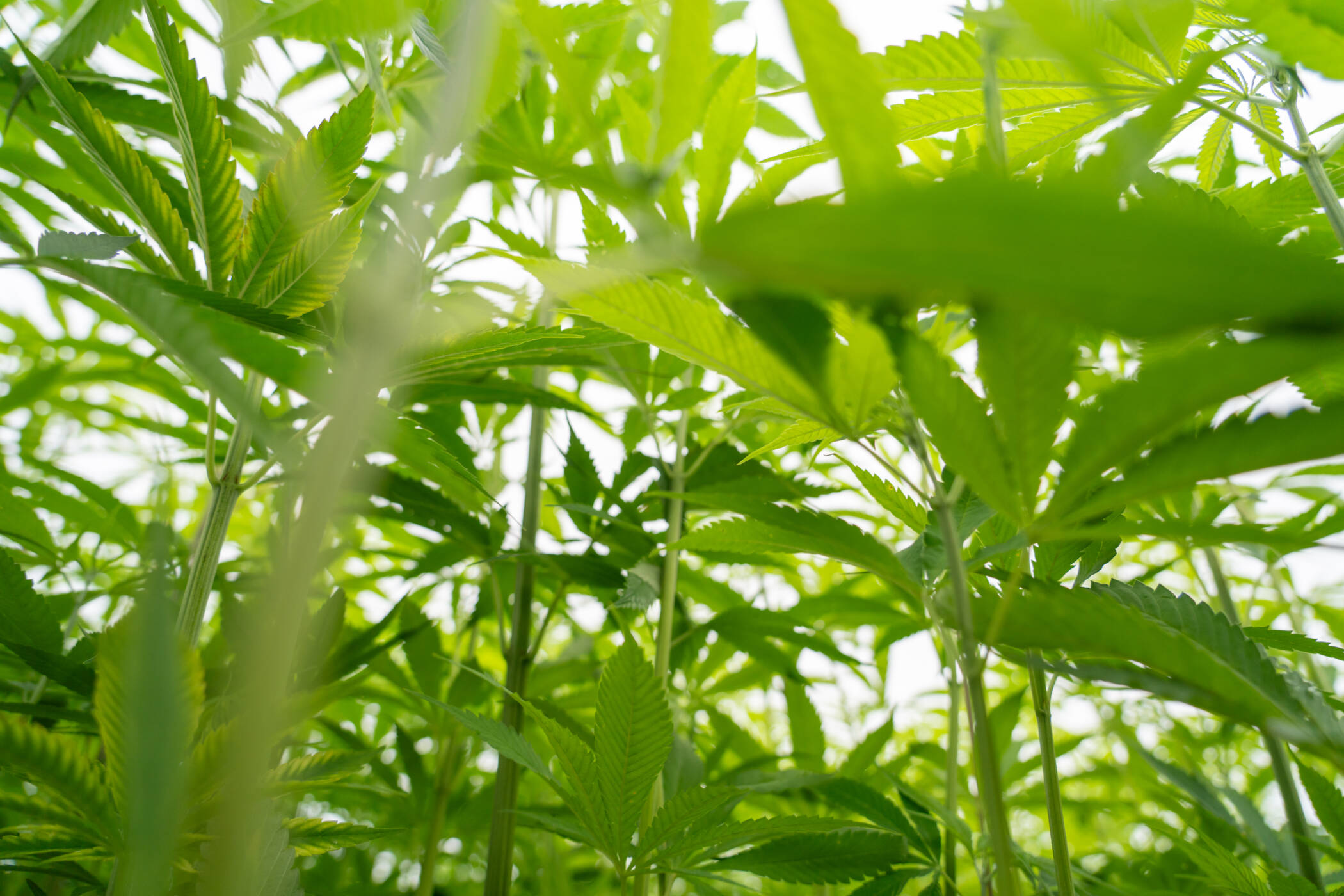
- Natural Weed Suppression: Hemp’s rapid early growth creates a dense, leafy canopy that blocks sunlight from reaching the soil floor. This natural shade effectively starves weed seeds of the light they need to sprout. Field data confirms that integrating hemp into crop rotations drastically reduces weed pressure, leading to measurable yield increases in subsequent grain and legume crops like wheat and soybeans.
Official Statements: Perspectives from the Field
The transition of hemp from an experimental crop to a regenerative powerhouse is championed by farmers and executives who witness its transformative impact firsthand.
"The hemp research conducted at the Rodale Institute Pocono Organic Center has received global awareness for its reports on soil health, nitrogen management, cover cropping, and hemp’s weed suppression capabilities," notes Ashley Walsh, president and founder of Pocono Organics, a Long Pond, Pennsylvania-based operation producing certified organic CBD products from Regenerative Organic Certified hemp.
Reflecting on her personal journey, Walsh adds: "After being diagnosed with gastroparesis (a paralyzed stomach) in my late twenties and turning to plant-based medicine, including CBD, I experienced the transformative power of this remarkable plant firsthand. The ongoing research collaboration validates the benefits of our regenerative organic practices and helps us pioneer new approaches that benefit the entire organic hemp industry."
Echoing these sentiments is Clarenda “Farmer Cee” Stanley, founder of Green Heffa Farms and winner of the prestigious 2025 Good Farmer Award US.
"Hemp is a powerful plant ally for me as a regenerative organic farmer because it enriches the soil, supports biodiversity, and thrives without heavy inputs," Stanley explains. "As part of Green Heffa Farms’ healing herbs and products, it carries those same benefits forward—offering plant medicine that is both restorative to the land and to the people who use it."
Future Outlook: Economic Viability and Market Trajectory
As regulatory frameworks stabilize and scientific insights deepen, the economic outlook for industrial hemp is exceptionally bright. According to market intelligence from Fortune Business Insights, the global industrial hemp market is poised for meteoric growth, scaling from an estimated $11 billion in 2025 to nearly $48 billion by 2032.
For the individual farmer, this macro-level expansion translates to tangible on-farm profitability. Data compiled in the Rodale Institute report Growing Industrial Hemp as an Organic Cash Crop indicates that farmers cultivating hemp specifically for fiber can generate gross revenues of up to $1,220 per acre, while those producing hemp for seed can bring in up to $550 per acre. When combined with the savings on chemical herbicides—thanks to the crop’s natural weed suppression—and the long-term fertility gains imparted to the soil, hemp presents a compelling financial case.
The roadmap for the future relies on continued public-private partnerships between agricultural research institutions, materials engineers, and visionary growers. By closing the loop—utilizing every part of the plant from root to flower for soil remediation, textiles, bioplastics, and medicine—industrial hemp stands ready to reclaim its historic status as one of Earth’s most valuable and sustainable botanical resources.